Chelsea's art scene is changing. Local artists are finding what traditional galleries can't offer: affordable exhibition space, genuine community, and hundreds of daily visitors—all in one place.
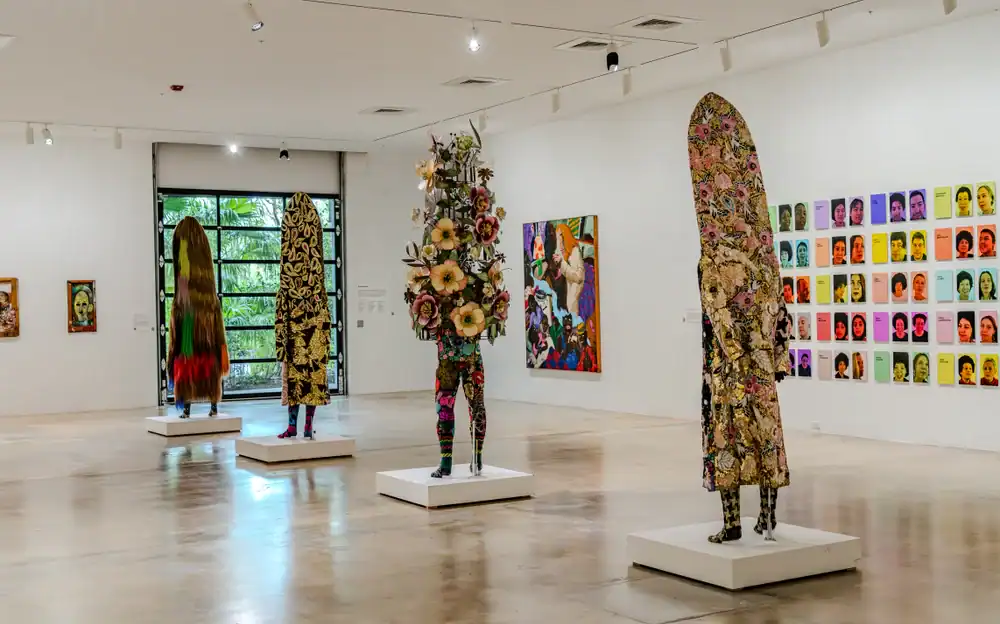
Gallery cafes aren’t just Coffee shops with art on the walls. We’re intentional spaces designed to merge hospitality with exhibition, creating an environment where art feels accessible rather than intimidating.
In Chelsea’s art scene, where exclusivity and expense dominate, gallery cafes offer something different. You walk in for coffee and find yourself standing in front of work by a local artist you’ve never heard of—but should have. The barrier to entry drops. The pressure lifts. And suddenly, art becomes part of your day rather than a planned cultural outing.
For artists, this model solves a real problem. Traditional gallery representation requires connections, a proven track record, or both. Gallery cafes democratize that process by offering exhibition space that doesn’t come with the same gatekeeping. Your work gets seen by people who are there to relax, think, and engage—not rush through on their way to the next opening.
The creative workspace these venues provide goes beyond physical walls. You’re joining an artist community that understands what you’re up against and wants to help you succeed.
Let’s talk numbers. Renting traditional gallery space in Chelsea can cost thousands per month, and that’s before you factor in insurance, promotion, and the cut the gallery takes from any sales. For emerging artists, that’s simply not realistic.
Gallery cafes flip that model. Instead of charging artists prohibitive fees, these spaces operate on a hospitality model where the cafe sustains itself through food and beverage sales. Artists get wall space, exposure, and the chance to sell their work—often with a far more reasonable commission structure than traditional galleries demand.
This isn’t about lowering standards. It’s about removing financial barriers that have nothing to do with artistic merit. When you’re no longer spending your entire budget just to get your work on a wall, you can focus on what actually matters: creating and connecting with people who appreciate what you do.
The accessibility extends beyond just cost. Art gallery cafes typically have simpler application processes, shorter exhibition cycles, and more flexibility around the type of work they show. That means you’re not locked into a single aesthetic or waiting months for a response. You submit your work, and if it fits, you’re in.
For artists working side jobs to pay rent—which describes most of the creative community in New York right now—this model makes sense. You’re not gambling your savings on a gallery spot that might not lead anywhere. You’re investing in visibility within a space that’s already drawing foot traffic daily.
And here’s the thing: the people walking into a gallery cafe aren’t just art collectors. They’re your neighbors. They’re people who work nearby. They’re visitors exploring Chelsea who stumbled in for an espresso and left thinking about your painting. That kind of organic discovery is harder to manufacture in a traditional gallery setting, where the audience often feels curated and exclusive.
Chelsea has always been synonymous with contemporary art. It’s home to some of the most prestigious galleries in the world, concentrated between West 18th and West 28th Streets along 10th and 11th Avenues. On any given weekend, you’ll find collectors, curators, and art enthusiasts wandering between exhibition spaces.
But that prestige comes with a cost. Over the past decade, the neighborhood has become increasingly expensive, pushing out the very artists who gave it its creative energy in the first place. Studios have closed. Small galleries have relocated. And the artists who remain are finding it harder to justify staying.
Gallery cafes represent a response to that displacement. We’re not trying to replace blue-chip galleries or compete with established institutions. Instead, we’re carving out a middle ground—a space where art can exist without the pressure of six-figure price tags and exclusive opening receptions.
This shift mirrors a broader trend happening across New York. As affordability becomes a crisis for artists citywide, alternative exhibition models are gaining traction. Pop-up shows, artist collectives, and hybrid spaces like gallery cafes are filling the gap left by traditional galleries that can no longer support emerging talent.
What makes gallery cafes particularly effective in Chelsea is their location. You’re still in the heart of the art district, surrounded by cultural capital and foot traffic. But you’re operating in a model that’s financially sustainable and community-focused rather than profit-driven.
The result is a more diverse, dynamic Chelsea art scene. Instead of seeing the same handful of represented artists rotating through the same galleries, you encounter a wider range of voices and perspectives. The work feels fresher because it’s not filtered through the same curatorial lens or market pressures.
For visitors, this creates a richer experience. You’re not just gallery-hopping through polished, high-end spaces. You’re discovering art in unexpected places, having conversations with artists who are actually present, and supporting a model that prioritizes accessibility over exclusivity.
And for local artists in Chelsea, it means you can stay in the neighborhood—or at least maintain a presence here—without needing a trust fund or gallery representation. That matters more than you might think. Being part of this community still carries weight, even if the traditional pathways to success have become harder to navigate.
Want live answers?
Connect with a The Café Galerie expert for fast, friendly support.
Art can be isolating, especially in a city as expensive and fast-paced as New York. You spend hours alone in your studio, wondering if anyone will ever see what you’re making. And when you do try to connect with other artists, the opportunities often feel transactional—networking events that leave you exhausted rather than inspired.
Gallery cafes change that dynamic. We’re designed to be gathering spaces, places where artists naturally cross paths with each other and with people who appreciate their work. You’re not just exhibiting in a vacuum. You’re part of an ongoing conversation.
This sense of artist community matters more than it might seem. When you’re surrounded by other people navigating the same challenges—finding affordable space, getting their work seen, balancing creativity with financial survival—you feel less alone. And that connection often leads to collaboration, mentorship, and the kind of support network that helps artists sustain their practice long-term.
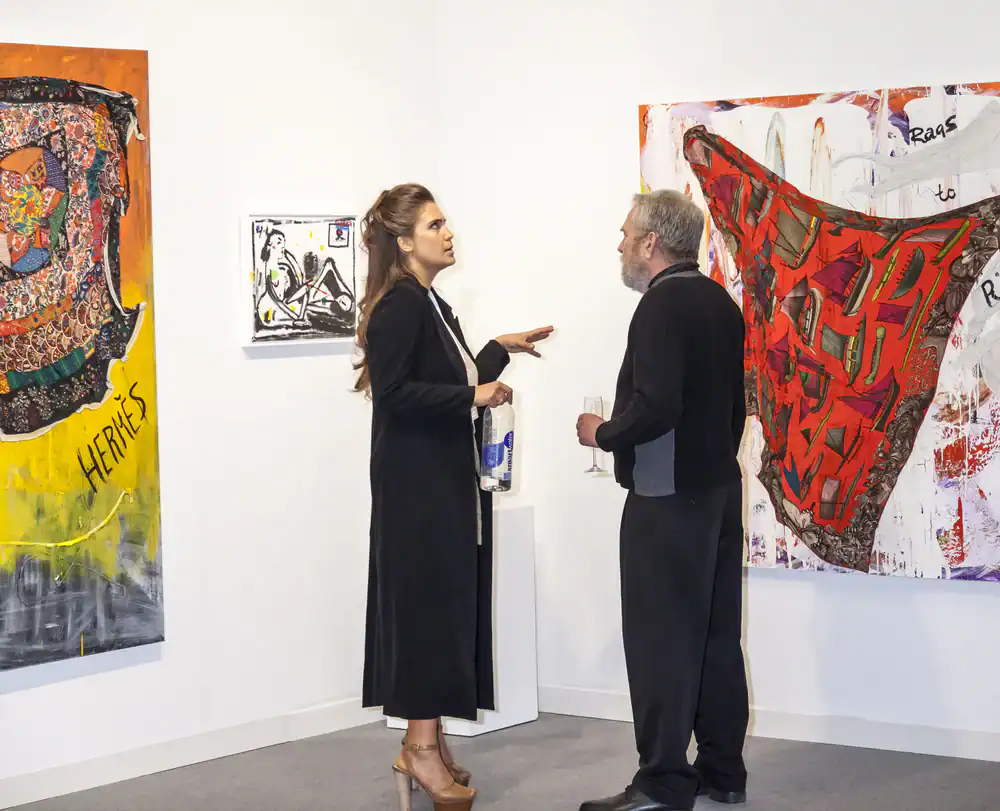
One of the biggest advantages of exhibiting in an art gallery cafe is the audience. Traditional galleries often attract a specific demographic: collectors, critics, and people who are already deeply embedded in the art world. That’s valuable, but it’s also limiting.
Gallery cafes draw a much wider range of people. You get the art enthusiasts, sure, but you also get the person who just needed a quiet place to work for a few hours. The couple on a date. The tourist who wandered in from the High Line. These are people who might not have walked into a traditional gallery, but they’re standing in front of your work anyway.
That kind of exposure is invaluable. It means your art is reaching people who aren’t already conditioned to think about it in a certain way. They’re encountering it fresh, without preconceptions, and that often leads to more genuine reactions and connections.
It also changes the dynamic between artist and audience. In a gallery cafe, there’s less of a barrier. People feel comfortable asking questions, starting conversations, and engaging with the work on a personal level. You’re not dealing with the formality and intimidation that can come with traditional gallery settings.
For local artists, this creates opportunities that go beyond just selling a piece. You’re building relationships with people who genuinely connect with your work. They might not buy something today, but they’ll remember you. They’ll follow you on social media. They’ll tell their friends. And that kind of organic word-of-mouth is how artistic careers actually grow.
The cafe setting also allows for longer, more repeated exposure. In a traditional gallery, someone might see your work once during an opening and never return. In a cafe, regulars see it every day for weeks or months. That repetition builds familiarity and appreciation in a way that single viewings can’t match.
And because gallery cafes tend to rotate exhibitions more frequently than traditional galleries, there’s a sense of discovery and urgency. People know the work won’t be there forever, which encourages them to engage with it while they can.
The benefits of gallery cafes extend beyond exhibition space. Many of these venues are rethinking what it means to support artists holistically, offering resources and opportunities that go far beyond just hanging your work on a wall.
Some gallery cafes host artist talks, workshops, and community events that give you a platform to share your process and connect with your audience on a deeper level. Others provide networking opportunities, introducing you to collectors, curators, and fellow artists who can help advance your career.
There’s also the practical side. Working as an artist in New York means juggling multiple income streams, and gallery cafes understand that reality. Some offer artist-in-residence programs or studio space. Others create opportunities for artists to earn income through classes, commissions, or collaborative projects with the cafe itself.
This integrated approach recognizes that artists need more than just exhibition opportunities—they need community, resources, and financial sustainability. By addressing those needs in one space, gallery cafes become genuine partners in your artistic journey rather than just venues where you occasionally show your work.
The model also creates flexibility that traditional galleries can’t match. If you’re working on a new series and want feedback before committing to a full exhibition, a gallery cafe might offer a smaller-scale opportunity to test the work. If you’re between studios and need a place to meet with collectors or collaborators, the cafe provides that space.
This kind of support is especially valuable for emerging artists who are still figuring out their practice and building their careers. You’re not expected to have everything figured out before you walk through the door. Instead, the gallery cafe becomes a place where you can experiment, grow, and develop your voice in a supportive environment.
And because these spaces prioritize community over commerce, the relationships you build tend to be more authentic and long-lasting. You’re not just another artist on the roster. You’re part of a creative ecosystem that wants to see you succeed.
The shift toward gallery cafes isn’t a trend—it’s a necessary evolution in how we think about art, community, and accessibility in New York. As traditional models become increasingly unsustainable for emerging artists, these hybrid spaces offer a viable alternative that prioritizes visibility, connection, and creative freedom over exclusivity and profit.
For local artists in Chelsea, gallery cafes represent a chance to remain part of one of the world’s most influential art districts without sacrificing financial stability or artistic integrity. You get the exposure, the community, and the opportunities you need to grow your practice—all within a model that’s designed to support you rather than extract from you.
If you’re an artist looking for a space that understands what you’re up against and wants to help you succeed, The Café Galerie offers exactly that. We’re building something different here—a place where art, coffee, and community come together in a way that feels authentic and sustainable for everyone involved.
Summary:
Share: