
Looking for a small conference room for rent that's more than just four walls? Discover how our Greenwich Village art gallery meeting space offers professional functionality with creative inspiration.

You need a place to meet a client in two hours. The coffee shop down the street is packed and loud. Your apartment isn’t an option. And that hotel conference room you looked at? The quote came back with fees you didn’t see coming.
Finding a small conference room for rent in New York shouldn’t feel like this. You’re not asking for much. Just a professional space that doesn’t cost a fortune, doesn’t require a three-month commitment, and doesn’t make you look like you’re trying too hard or not trying at all.
This is about understanding what actually matters when you rent a meeting space, what to avoid, and how to find options that work for the way small businesses actually operate. Let’s start with what you should be looking for.
The basics matter more than the extras. You need reliable WiFi that doesn’t drop during video calls. You need enough space for your group to sit comfortably without feeling cramped. You need a door that closes and walls that actually block sound.
But here’s what gets overlooked: the booking process itself. If reserving a small meeting room for rent requires three phone calls, a credit check, and a two-week lead time, that’s not flexibility. That’s friction. The best spaces let you book online, confirm instantly, and show up ready to work.
Location determines whether people actually show up on time. A conference room rental near subway lines beats a “better” space that requires a 15-minute walk from the nearest station. Your clients’ time matters. So does yours.
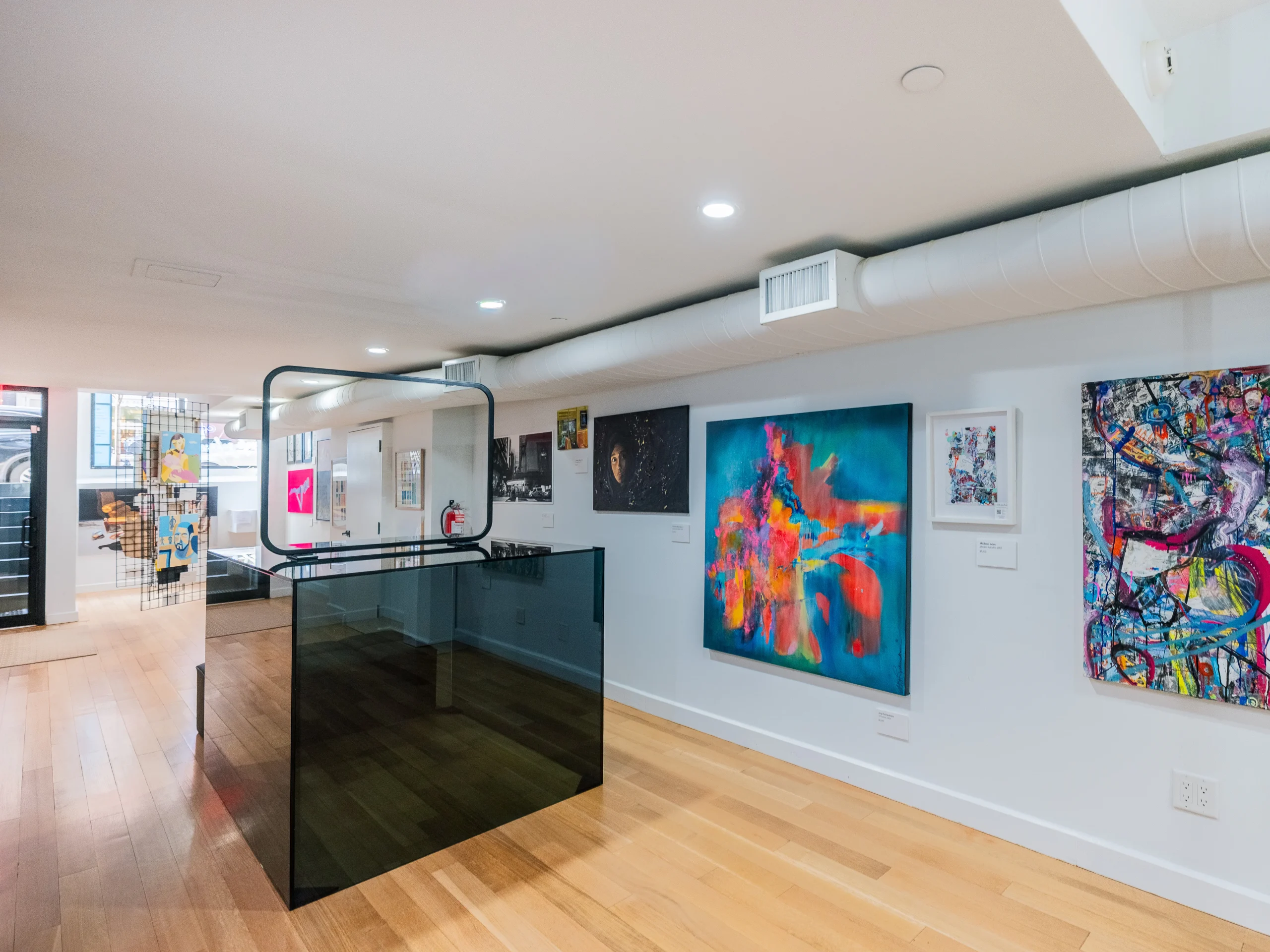
Walk into most conference rooms and you’ll find a table, chairs, and maybe a whiteboard. That’s not enough. The difference between a functional meeting space and one that wastes your time comes down to details most people don’t think about until something goes wrong.
Presentation capability means more than just a screen on the wall. Can you connect your laptop without hunting for the right adapter? Does the display actually work, or will you spend the first ten minutes of your meeting troubleshooting? These aren’t minor inconveniences when you’re trying to close a deal or present to a potential client.
Climate control sounds boring until you’re in a room that’s either freezing or stuffy. Temperature affects how long people can focus. So does air quality. If the space feels uncomfortable, your meeting suffers. Period.
Lighting makes a bigger difference than most people realize. Harsh fluorescent overhead lights create a clinical feeling that puts people on edge. Natural light, when available, keeps energy levels up and makes the space feel less like a holding cell. If you’re on a video call, bad lighting makes you look unprofessional even if everything else is perfect.
The coffee situation deserves its own conversation. Not because coffee is the point of a meeting, but because waiting 20 minutes for drinks kills momentum. Self-serve options that actually work, like commercial-grade brewers that deliver consistent quality in under a minute, keep things moving. When you rent a conference room by hour, every minute you spend waiting in line is money wasted.
Seating quality matters more than you think. Cheap chairs that hurt after 30 minutes send a message about how much the space actually cares about your experience. Comfortable seating isn’t a luxury when you’re asking people to focus for an hour or more. It’s basic respect for everyone’s time.
Storage space for coats and bags keeps the meeting area from turning into a cluttered mess. A small detail, but one that affects how professional the space feels. Same with access to power outlets. If half your team is watching their laptop battery die, that’s a distraction you don’t need.
Most traditional conference room rentals force you into day-rate minimums. You need the space for 90 minutes, but you’re paying for four hours. That math doesn’t work for small businesses, freelancers, or anyone who needs to control costs without sacrificing professionalism.
Hourly booking changes the equation entirely. You pay for what you use. No more. No less. This matters especially in New York where real estate costs already push everything else up. When you can rent a conference room by hour, you’re not subsidizing empty time. You’re investing only in the meeting itself.
The flexibility extends beyond just cost. Last-minute client meetings happen. Projects shift. Timelines compress. Being able to book a space with a few hours’ notice, rather than days or weeks in advance, means you can say yes to opportunities instead of scrambling to find somewhere to meet.
Hourly rentals also let you test different spaces without commitment. Maybe you’re not sure if a particular location works for your needs. Maybe you want to see if the atmosphere suits your brand before booking multiple meetings there. Hourly options give you that freedom to experiment without risk.
This model works particularly well for professionals who don’t need a permanent office but do need occasional access to professional meeting environments. The economics make sense. Instead of paying thousands per month for an office you use twice a week, you pay hundreds for the specific hours you actually need space.
The booking platforms for hourly meeting spaces have evolved too. Most now offer instant confirmation, online payment, and simple cancellation policies. You’re not dealing with sales calls or negotiating contracts. You’re reserving space the same way you’d book a restaurant. That simplicity removes barriers that used to make renting meeting spaces a hassle.
One thing to watch: some hourly rentals still sneak in minimum booking requirements or charge premium rates for peak hours. Read the terms. Make sure “hourly” actually means you can book a single hour if that’s all you need. Transparent pricing should mean exactly that—no surprises when you check out.
Location flexibility matters here too. When you’re not locked into a single space, you can choose meeting rooms based on where your clients are that day. Meeting someone coming from Brooklyn? Book in Lower Manhattan. Client in Midtown? Find something closer to them. Hourly rentals let you optimize for convenience instead of being stuck with one location that’s only convenient some of the time.
The environmental factor shouldn’t be ignored either. Renting by the hour in shared spaces means more efficient use of real estate. Instead of one company paying for a conference room that sits empty 80% of the time, multiple businesses use the same space throughout the day. It’s a more sustainable model, even if that’s not why most people choose it.
Want live answers?
Connect with a The Café Galerie expert for fast, friendly support.
Location in New York isn’t just about address. It’s about accessibility, perception, and context. A small conference room in Greenwich Village sends a different message than one in Midtown. Neither is better or worse—they’re just different. Understanding what your space says about you matters.
Greenwich Village offers something most Manhattan neighborhoods don’t: character without pretension. The area attracts creative professionals, academics from NYU, and businesses that value culture alongside commerce. When you book a meeting space here, you’re signaling that you think about more than just the bottom line.
Thompson Street specifically sits at an interesting crossroads. Close enough to SoHo for the creative energy, near enough to NYU for the intellectual atmosphere, but still distinctly Village in its feel. Multiple subway lines make it accessible from anywhere in the city. That combination of culture and convenience is rare.
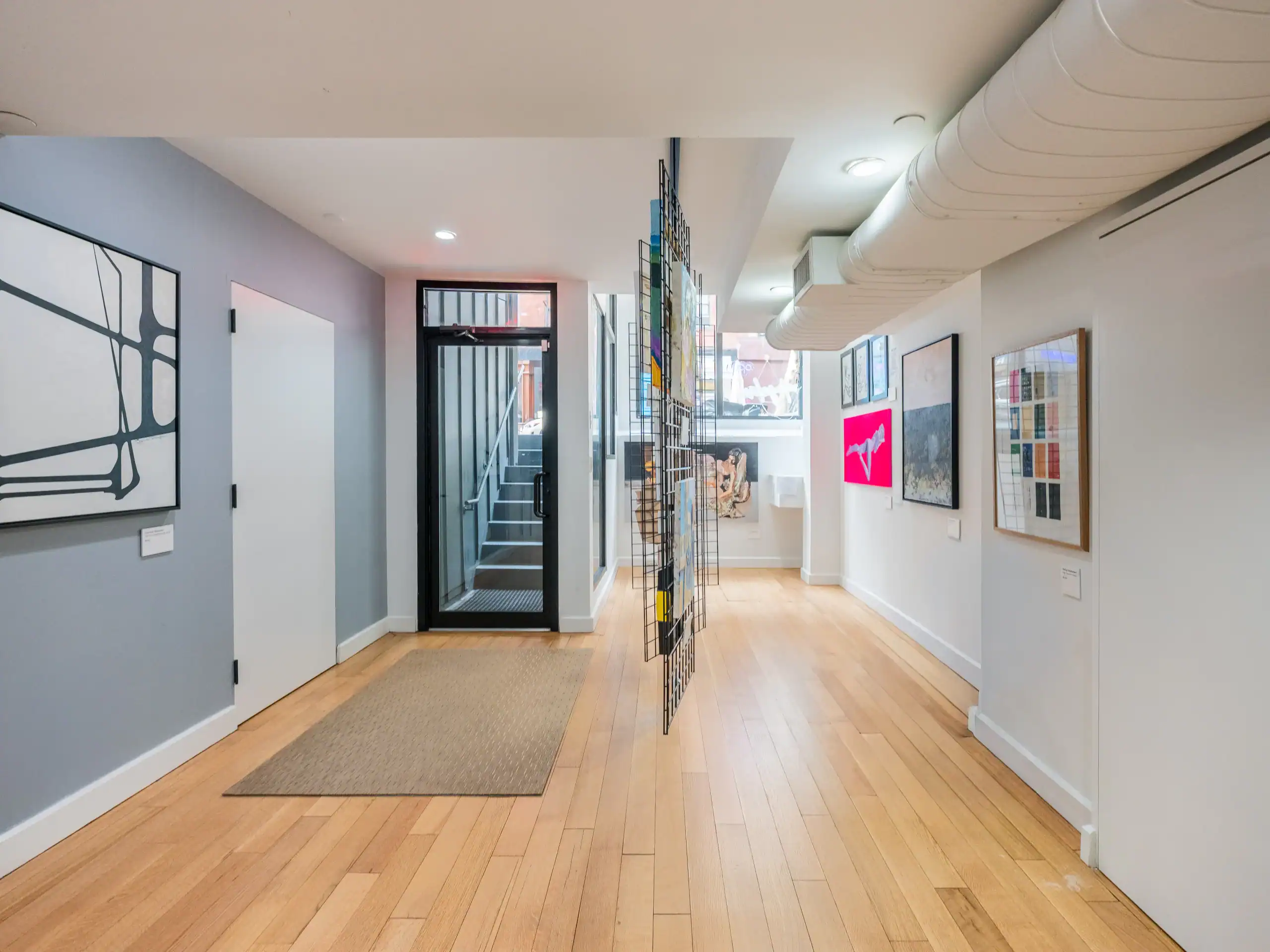
Most conference rooms look like every other conference room. White walls. Generic furniture. Maybe a plant if you’re lucky. There’s nothing wrong with that, but there’s nothing memorable about it either. When you’re trying to make an impression—on a client, a potential hire, or a business partner—forgettable isn’t what you want.
Art gallery meeting spaces flip that script entirely. You’re conducting business in an environment designed to inspire, to provoke thought, to create conversation. The art on the walls becomes a natural icebreaker. Instead of awkward small talk about weather or traffic, you’re discussing the exhibition, the artist’s perspective, the creative process. That shift in conversation tone can change the entire dynamic of a meeting.
The atmosphere affects focus too. Sterile conference rooms can feel oppressive after a while. The lack of visual interest makes it harder to maintain energy over longer discussions. Gallery spaces, by contrast, give your eyes somewhere to rest. The visual variety keeps people more engaged, more alert. It’s a subtle difference, but one that compounds over the course of a meeting.
For creative professionals—designers, marketers, content creators, consultants—meeting in a gallery space aligns your environment with your brand. You’re demonstrating that you value creativity not just in your work, but in how you operate. That consistency matters. Clients notice when your choices reflect your values.
The practical side works too. Gallery spaces that function as meeting venues understand both worlds. They’re not asking you to whisper because someone’s trying to appreciate art in the next room. They’re designed to accommodate business needs while maintaining the aesthetic appeal. You get the best of both environments without the compromises.
One underrated benefit: these spaces photograph well. If you’re documenting meetings, conducting interviews, or creating content, the background matters. A visually interesting space elevates your imagery without requiring elaborate staging. For businesses that share behind-the-scenes content or document their process, this isn’t trivial.
The rotating exhibition model means the space never feels stale. If you’re using the same meeting venue multiple times, walking into a completely different visual environment each month keeps things fresh. Your third meeting with a client doesn’t feel like a repeat of the first two because the art has changed. That novelty factor maintains interest in ways static spaces can’t match.
Pricing for gallery meeting spaces varies widely. Some charge premium rates for the aesthetic appeal. Others, particularly newer hybrid models that combine gallery functions with other services, price more competitively. The key is finding spaces that understand they’re serving business needs, not just offering access to art. When the gallery component enhances rather than complicates the meeting experience, that’s when the model really works.
Thompson Street doesn’t have the corporate polish of Midtown or the tourist crowds of Times Square. That’s exactly why it works for small business meetings. The neighborhood has authenticity that’s increasingly rare in Manhattan. When you meet here, you’re choosing substance over flash.
The surrounding area supports business needs without overwhelming them. Coffee shops, restaurants, and lunch options cluster within a few blocks. If your meeting runs through lunch or you want to continue the conversation over food, you have options. Good ones. Not chains, but actual neighborhood spots that locals use.
Proximity to NYU creates an interesting dynamic. The area attracts younger professionals, graduate students, and the kind of creative talent that startups and growing businesses want to connect with. If you’re hiring, networking, or building partnerships, being in a neighborhood where that talent already gathers gives you an advantage.
The architecture matters too. Greenwich Village maintains a human scale that most of Manhattan has lost. Buildings are lower. Streets are narrower. The environment feels less intimidating, more approachable. For clients who find Midtown overwhelming or intimidating, meeting in the Village changes the tone entirely. It’s still professional, but it’s not corporate in the way that puts people on edge.
Transportation access removes the usual Manhattan complications. The Spring Street station (6 train) and Broadway-Lafayette (B, D, F, M trains) both sit within easy walking distance. Coming from Brooklyn, Queens, or anywhere else in the city, your clients can get here without the stress of navigating unfamiliar neighborhoods or dealing with limited transit options.
Parking exists, though like anywhere in Manhattan, it’s not abundant. The difference is that Thompson Street’s location makes parking less critical. Most people take transit, walk, or use rideshare services. The neighborhood’s accessibility by multiple methods means you’re not forcing everyone into a single transportation mode.
The cultural context provides talking points that generic locations don’t. Washington Square Park sits nearby. Historic jazz clubs, bookstores, and art venues dot the surrounding blocks. If you’re meeting with out-of-town clients or partners, the neighborhood gives you something to recommend for their downtime. That small touch—being able to suggest a good spot for dinner or an interesting gallery to visit—adds value beyond just the meeting itself.
For businesses that value their brand positioning, location communicates priorities. Choosing to meet in Greenwich Village rather than a corporate district signals that you’re thoughtful about environment, that you value culture, that you’re not just another company going through the motions. Those signals matter, especially when you’re building relationships with clients who share those values.
The practical reality is that Thompson Street offers quality meeting spaces at prices that don’t require corporate budgets. The neighborhood hasn’t been completely overtaken by luxury development the way some parts of Manhattan have. You can still find professional spaces that charge reasonable hourly rates because the real estate costs, while high, haven’t reached the extremes of Midtown or the Financial District.
One final consideration: the neighborhood’s walkability extends meeting possibilities. If the conference room itself doesn’t work for some reason, or if you want to shift to a more casual conversation, you’re not trapped. Walking meetings through the Village, continuing discussions at nearby cafes, or moving to a different venue entirely—all of these options exist within a few blocks. That flexibility to adapt on the fly matters more than most people realize until they need it.
The right meeting space isn’t about finding the fanciest option or the cheapest rate. It’s about matching your actual needs—professional environment, flexible booking, reasonable pricing, good location—with a space that delivers on those basics without unnecessary complications.
Small conference rooms for rent in New York range from corporate sterile to creatively chaotic. The middle ground, where functionality meets atmosphere, is where most small businesses find the best value. Spaces that understand you need WiFi and whiteboards but also recognize that environment affects outcomes.
When you’re evaluating options, focus on what actually impacts your meetings. Can clients get there easily? Does the booking process respect your time? Are the costs transparent? Does the space feel professional without feeling generic? Those questions matter more than square footage or amenity lists.
We offer that balance at The Café Galerie—art gallery atmosphere, professional functionality, Greenwich Village location, and transparent hourly booking. It’s worth exploring when you need a meeting space that works without the usual New York complications.
Summary:
Share: