Looking for Upper West Side art experiences that don't require museum tickets? Find rotating exhibitions, quality coffee, and a space that actually wants you to stay.
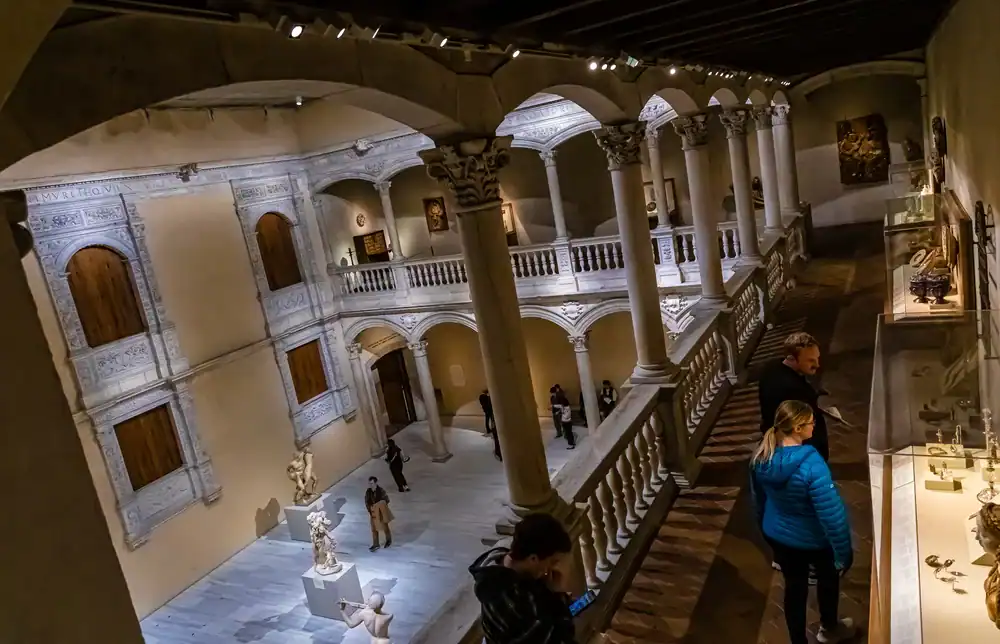
The Upper West Side isn’t new to culture. You’ve got the Natural History Museum, Lincoln Center, and enough brownstones to fill a dozen period dramas. What makes the neighborhood interesting isn’t just the big institutions—it’s how art and daily life blend together without anyone making a big deal about it.
Coffee shops that double as galleries aren’t trying to be museums. They’re giving you a reason to slow down. When you walk into a space with rotating art exhibits on the walls, you’re not just grabbing caffeine and leaving. You’re seeing work from local artists who might not have the connections or cash to rent traditional gallery space. You’re supporting a business model that keeps more money in the neighborhood instead of funneling it to corporate headquarters in Seattle.
This matters more than you think. Independent Coffee shops in NYC are growing faster than the chains—3.2% annually compared to slower domestic growth at major corporations. People are choosing local. They’re choosing spaces with soul over spaces with shareholders.
You’re not looking for just any café. You’re looking for a third space—somewhere between home and work where you can exist without an agenda.
The problem? Most coffee shops in NYC fall into one of two categories. There’s the corporate chain that’s efficient but soulless, designed to move you through as fast as possible. Then there’s the overcrowded “cool” spot where you feel guilty sitting for more than 20 minutes because someone’s hovering over your table.
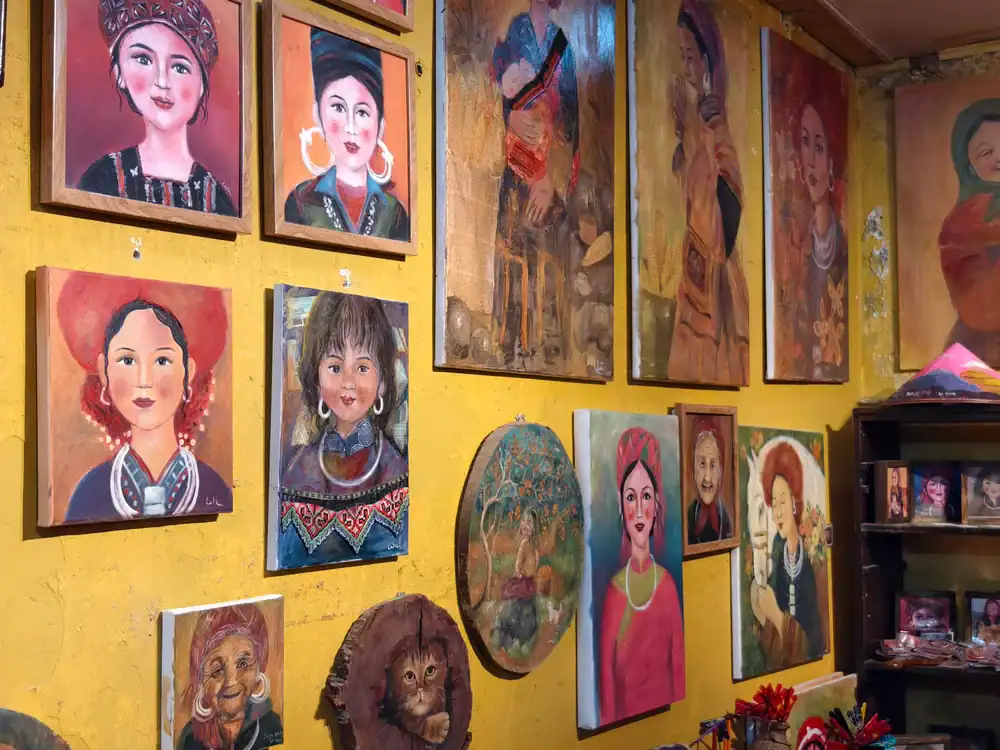
A UWS coffee shop that gets it right does something different. It gives you comfortable seating that doesn’t punish your back after 30 minutes. It has outlets and WiFi that actually work because we understand people need to get things done. It rotates art on the walls so there’s always something new to look at, which means your third visit doesn’t feel identical to your first.
Here’s what the research shows: coffee shops designed as third spaces don’t just benefit customers. They increase neighborhood entrepreneurship by nearly 30%. When people have a place to meet, work, and connect, good things happen. Businesses get started. Collaborations form. The neighborhood gets stronger.
The Upper West Side has always understood this. It’s why you see so many independent spots thriving while chains struggle to differentiate themselves. The neighborhood values quality and community over convenience and speed.
When you choose a café that showcases rotating art exhibits, you’re not just getting coffee. You’re getting visual inspiration that changes every few weeks. You’re discovering artists you wouldn’t find otherwise. You’re participating in a model that makes gallery access more democratic—for both the artists who need exposure and the customers who want culture without the pretension.
Traditional galleries have a problem. They charge entrance fees, keep limited hours, and often feel intimidating if you’re not already part of that world. Coffee shops with rotating exhibitions solve all three issues at once.
You walk in for coffee. The art is just there—no ticket required, no pressure to understand every piece, no stuffy atmosphere making you feel like you don’t belong. Maybe a painting catches your eye while you’re waiting for your drink. Maybe you end up asking the barista about the artist. Maybe you come back the next month and the whole wall has changed.
This is how art should work in a city like New York. It should be accessible. It should be part of your routine, not a special event you plan weeks in advance.
For artists, these spaces are lifelines. Gallery rents in NYC are astronomical—we’re talking thousands per month for wall space. Getting your work seen traditionally requires connections, money, or both. When a coffee shop offers rotating exhibitions to local creators, it democratizes the entire process. Artists get exposure to hundreds of people per week. Customers get to discover work they’d never see otherwise. The coffee shop becomes a cultural hub instead of just another place to grab caffeine.
The Upper West Side is particularly well-suited for this model. The neighborhood already has a high concentration of museums, cultural institutions, and residents who value art. People here aren’t just tolerating culture—they’re actively seeking it out. They’ll choose a café with substance over one that’s purely transactional.
Research backs this up. Coffee shops are increasingly recognized as spaces of consumption, connection, and community. They’re where people develop relationships, where remote workers find productive environments, where neighborhoods build social capital. When you add rotating art exhibits to that mix, you’re amplifying everything that already makes coffee shops valuable.
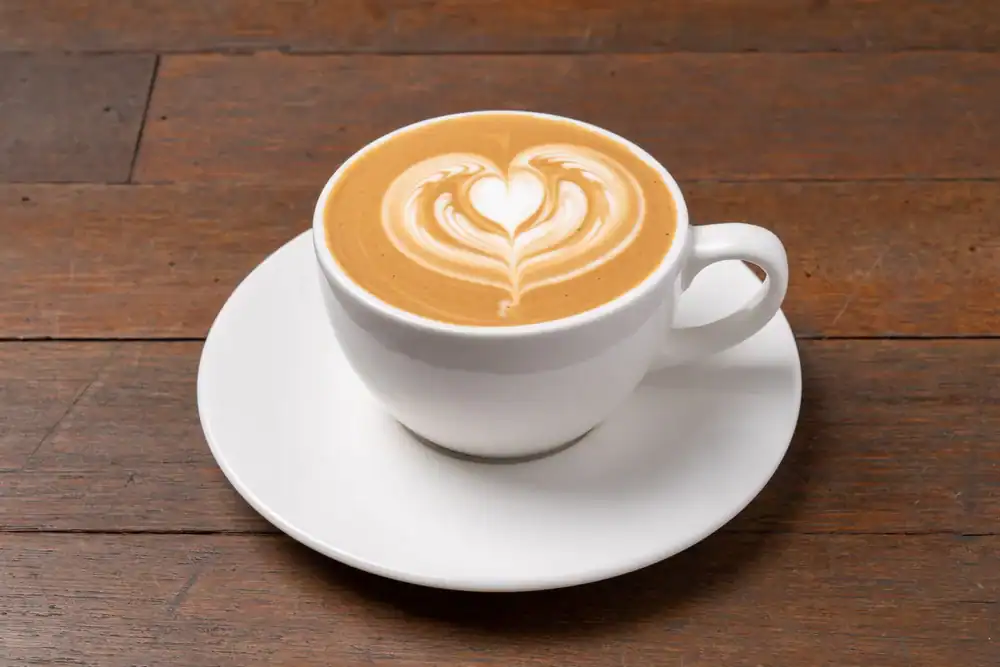
Think about your typical weekend. You might visit Central Park, grab brunch, maybe hit a farmers market if the weather’s nice. Now imagine adding a stop at a UWS coffee shop where the walls feature work from a local photographer, painter, or mixed-media artist you’ve never heard of. You get your artisanal coffee, you browse the exhibition, maybe you strike up a conversation with another customer about a piece that caught both your eyes.
That’s not a museum visit. That’s not a corporate café transaction. That’s something in between—something better.
Want live answers?
Connect with a The Café Galerie expert for fast, friendly support.
Weekends in New York can go one of two ways. Either you’re fighting crowds at the same tourist spots everyone hits, or you’re scrolling your phone trying to figure out what to do that doesn’t cost a fortune or require advance planning.
The Upper West Side offers a third option: neighborhood experiences that feel authentic without being exclusive. You don’t need tickets. You don’t need reservations. You just need to know where to go.
Coffee shops with rotating art exhibits fit perfectly into this category. They’re open when you need them—weekend mornings, lazy afternoons, even evenings if you’re looking for a low-key alternative to bars. They give you something to do that’s more interesting than sitting at home but less exhausting than a full museum day.
This is especially valuable for people who work remotely or have flexible schedules. Your weekend might not be Saturday and Sunday. It might be Tuesday and Thursday. Having access to local gallery events and artisanal brewing seven days a week means you’re not limited to whatever’s happening on a traditional weekend schedule.
Let’s be clear about something: “artisanal” gets thrown around a lot. Every chain claims their coffee is special. Every menu board promises quality. Most of it is marketing.
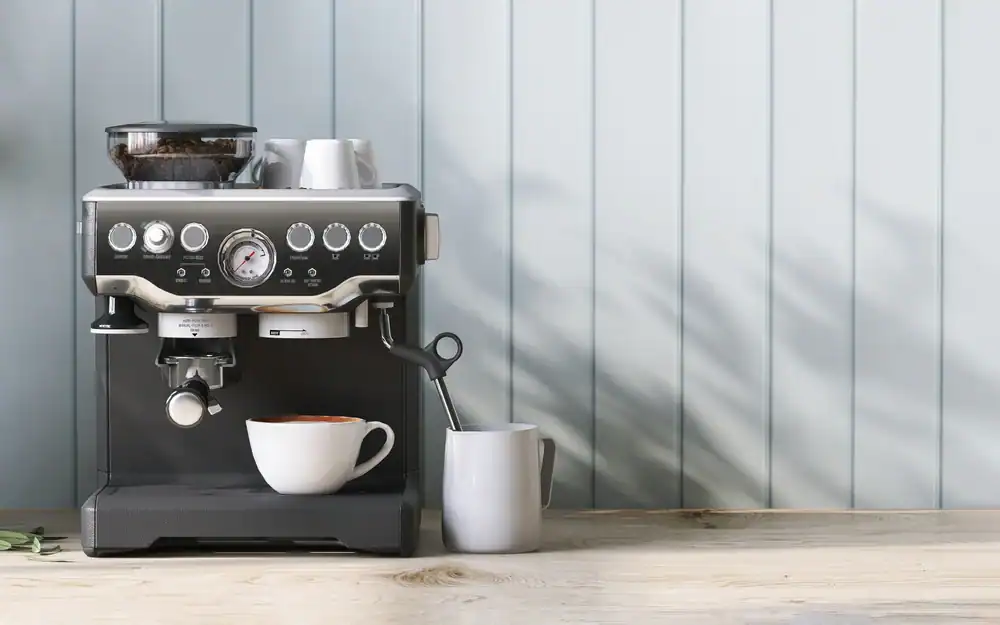
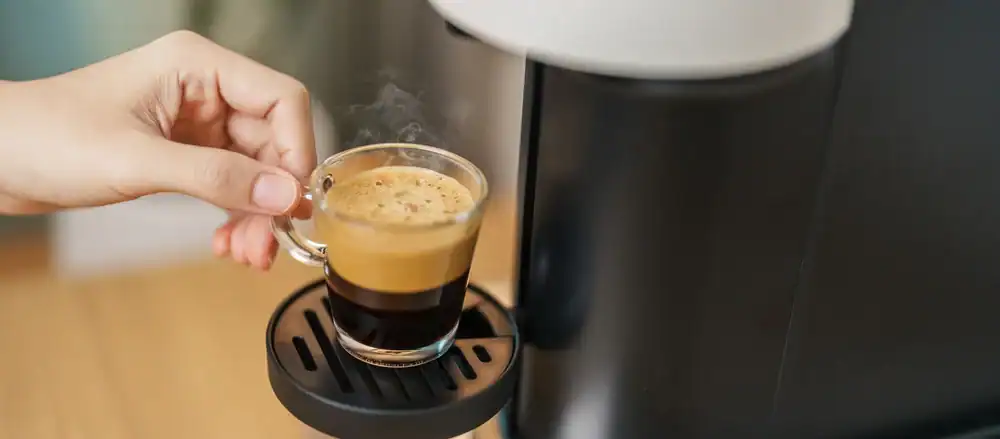
Real artisanal brewing is different. It’s about sourcing beans that are traceable to specific farms or cooperatives. It’s about roasting in small batches using methods that bring out flavor instead of burning it away. It’s about baristas who actually know what they’re doing—who can explain the difference between a pour-over and a French press, who adjust grind size and water temperature based on the beans they’re using that day.
New Yorkers drink 6.7 times more coffee than people in any other US city. That’s not a luxury—it’s survival, ritual, and social currency all in one. When you’re drinking that much coffee, quality matters. You can taste the difference between beans that were roasted three weeks ago in a factory and beans that were roasted three days ago by someone who cares.
The coffee industry is changing. Specialty coffee is becoming scarcer and more valuable as production costs rise and climate change affects growing regions. By 2026, sustainability isn’t a marketing claim anymore—it’s a requirement. Consumers want to know where their coffee comes from, how farmers were paid, what the environmental impact looks like.
Independent coffee shops in the Upper West Side are positioned to meet this demand better than chains ever could. We’re nimble enough to work with small roasters. We’re committed enough to our neighborhoods to prioritize quality over profit margins. We’re transparent enough to tell you exactly what you’re drinking and why it costs what it costs.
When you combine artisanal brewing with rotating art exhibits, you’re getting two forms of craftsmanship in one space. The coffee is made by people who’ve spent years perfecting their technique. The art is created by people who’ve dedicated their lives to their practice. Both deserve your attention. Both make your experience richer than it would be at a corporate chain where everything is optimized for speed and scale.
This is what separates a good coffee shop from a great one. Good coffee shops serve decent drinks in a clean space. Great coffee shops understand they’re selling more than caffeine—they’re selling an experience, a vibe, maybe even a few minutes of peace in a city that never stops moving.
Traditional galleries can feel exclusive. There’s an unspoken dress code. There’s a certain way you’re supposed to behave. There’s often a person hovering nearby ready to tell you not to touch anything or explain why you should appreciate what you’re looking at.
Coffee shops with rotating exhibitions throw all of that out. You can show up in sweatpants. You can nurse one coffee for two hours while you work on your laptop. You can look at the art or ignore it completely—no one’s judging either way.
This accessibility is crucial. Art shouldn’t require a specific income level, education background, or social circle. It should be something you encounter naturally as part of your day. When a UWS coffee shop rotates new exhibitions every few weeks, you’re getting exposure to more artists in a year than you’d see at most traditional galleries.
For the artists themselves, this model is transformative. Gallery rents in New York are astronomical—often $3,000 to $10,000 per month for wall space, plus commission on any sales. Emerging artists can’t afford that. Even established artists struggle to justify the cost unless they’re selling work at premium prices.
Coffee shop galleries change the economics. Artists get wall space for free or a small commission on sales. They reach hundreds of potential collectors per week instead of the handful who might wander into a traditional gallery. They build relationships with the community instead of relying on one-time buyers.
You benefit from this arrangement too. You’re discovering artists before they hit the mainstream gallery circuit, which means you’re seeing work that’s often more experimental, more affordable, and more connected to the neighborhood you actually live in. You’re supporting local creative economy in a direct, tangible way. And you’re doing it while getting your morning coffee—no special trip required.
The Upper West Side has always valued culture. It’s home to some of the city’s best museums, performance venues, and public art installations. Coffee shops with rotating exhibitions are the next evolution of that cultural DNA—making art accessible, affordable, and integrated into daily life instead of separated into special occasions.
Think about how this changes your weekend. Instead of planning a whole afternoon around visiting a gallery, you can stop by your neighborhood coffee shop, see what’s new on the walls, grab a drink, and be on your way in 20 minutes. Or you can stay for two hours, working on your laptop while surrounded by original artwork. Either way, you’re engaging with culture on your terms, not on someone else’s schedule.
You don’t need another corporate coffee chain. You don’t need another overpriced gallery with limited hours. What you need is a space that understands why you’re there—for good coffee, yes, but also for something more. For inspiration. For community. For a few minutes where the city feels a little less overwhelming.
The Upper West Side has spaces like this. Coffee shops where rotating art exhibits give you something new to discover every few weeks. Where artisanal brewing means you’re drinking coffee that’s actually worth the price. Where the atmosphere encourages you to stay, not to rush.
If you’re looking for weekend activities in NYC that don’t involve crowds or high costs, this is it. If you want to support local artists and businesses instead of funneling money to corporate headquarters, this is how. If you’re tired of spaces that treat you like a transaction instead of a human being, you’re in the right neighborhood.
We bring together everything we’ve been talking about: specialty coffee, rotating exhibitions, and a third space designed for the people who need it most. You’re not just getting caffeine. You’re getting a place where art and coffee culture intersect in a way that feels natural, not forced. Where your weekend can include discovering a new artist alongside your latte. Where the Upper West Side’s cultural DNA shows up in your daily routine instead of just the big institutions everyone already knows about.
Summary:
Share: