Traditional classroom rentals offer function, but creative venues in Greenwich Village deliver inspiration. Learn which learning space fits your workshop, training session, or seminar needs.

You need a space for your next workshop, training session, or seminar. The usual options come to mind—rent a classroom, book a conference room, find a meeting space. They’re functional. They get the job done. But here’s the thing: your participants won’t remember functional. They won’t talk about the generic conference table or the fluorescent lights. They won’t feel inspired by beige walls and a whiteboard.
The classroom space you choose affects everything from participant engagement to how much they actually retain. It shapes the energy in the room before you even start speaking. And in a city like New York, where you’re competing for attention and fighting distraction at every turn, the environment you create matters more than most people realize.
This isn’t about finding the cheapest option or the closest subway stop. It’s about understanding what actually makes people lean in, pay attention, and walk away with something they can use. Let’s talk about what that looks like.
The basics matter. You need reliable WiFi, enough seating, decent acoustics, and equipment that actually works when you need it. Most classroom rentals in New York City cover these essentials, with spaces averaging around $150 per hour depending on size and location.
But the basics only get you halfway there. What separates a forgettable session from one that sticks is harder to quantify. It’s the lighting that doesn’t make people want to close their eyes. The layout that encourages conversation instead of passive listening. The atmosphere that signals this won’t be another wasted afternoon.
Location plays a bigger role than people think. Greenwich Village isn’t just convenient—it carries cultural weight. When you host a workshop on Thompson Street, you’re not just renting square footage. You’re borrowing credibility from a neighborhood known for creativity, independent thinking, and people who actually show up.
Traditional classroom rentals give you exactly what you’d expect. Rows of tables, a projector screen, whiteboards on the walls. They’re designed for information transfer, not inspiration. And that’s fine if you’re running a certification course where people just need to check boxes and move on.
But if you’re trying to teach something that requires creativity, collaboration, or any kind of emotional investment, sterile environments work against you. People walk into a generic conference room and their brains automatically shift into “sit quietly and endure this” mode. You’re fighting uphill before you even start.
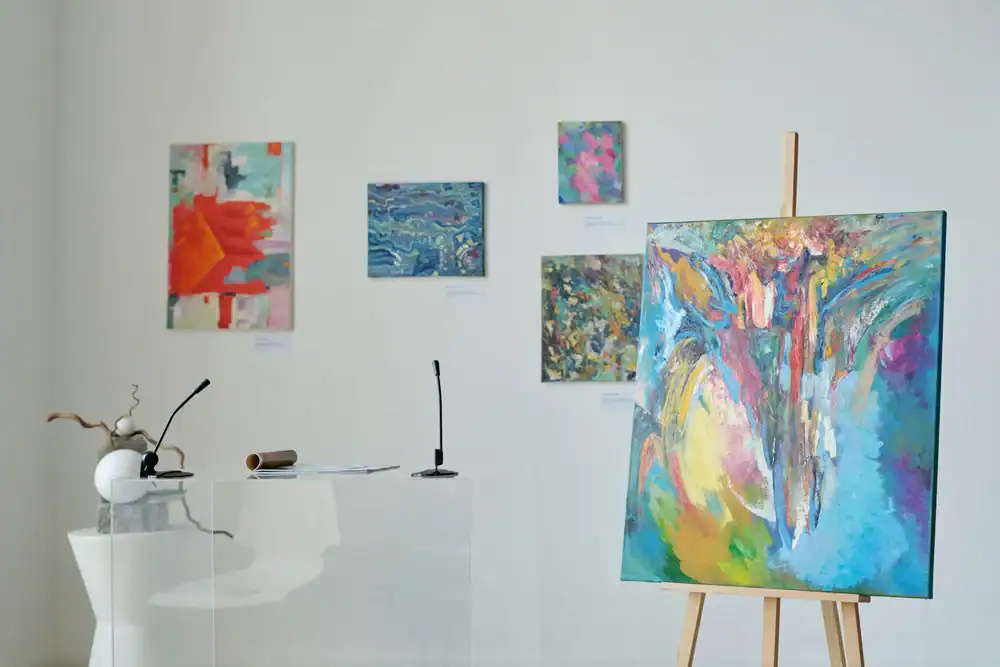
Alternative spaces—art galleries, creative studios, hybrid café environments—change the dynamic entirely. When people walk into a space with rotating art exhibitions, natural light, and an atmosphere that feels intentional, they pay attention differently. They’re more present. More willing to engage. The environment tells them this won’t be the same old experience they’ve sat through a hundred times before.
We operate on this principle at The Café Galerie in Greenwich Village. We’re an art gallery coffee shop at 168 Thompson Street that doubles as an event space without the usual event space problems. No admission fees to access the gallery. No lines for coffee because our self-serve technology gets drinks ready in under 30 seconds. No surprise upcharges when you ask for WiFi or basic AV setup.
Our space features rotating exhibitions from local NYC artists, which means the backdrop changes monthly. Your March workshop looks different from your June training session. Participants notice. They remember. And when they remember the environment, they’re more likely to remember what you taught them.
This isn’t about aesthetics for the sake of looking good on Instagram. It’s about creating conditions where learning actually happens. Research on environmental psychology backs this up—people process information differently in spaces they find visually engaging versus spaces they find boring or stressful. The art on the walls isn’t decoration. It’s part of the teaching tool.
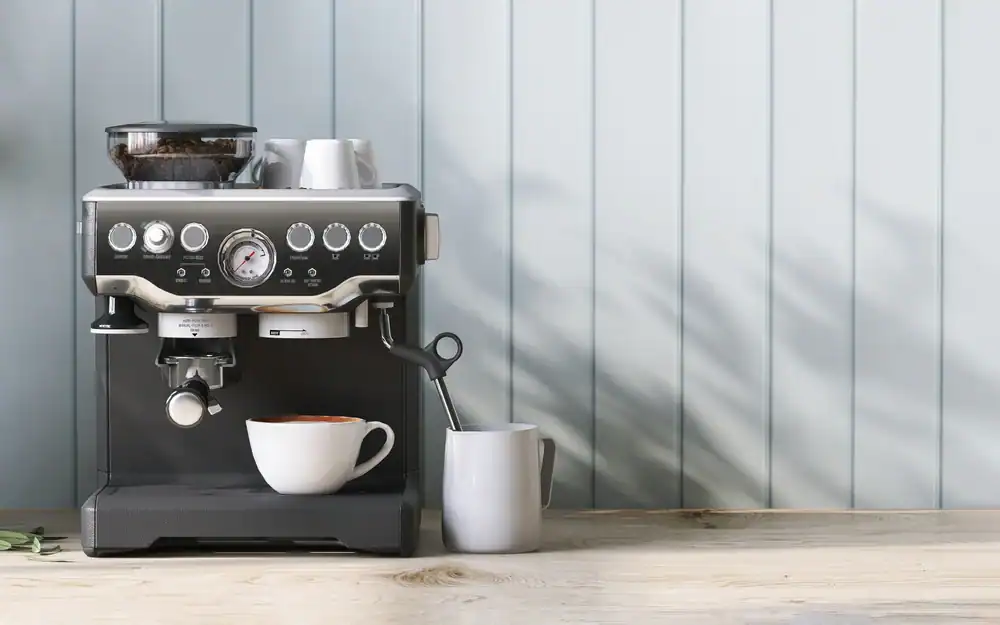
Plus, there’s the practical side. We use commercial bean-to-cup machines with Starbucks single-cup brewers and Magnolia Bakery offerings. That means quality coffee without the wait, which matters more than you’d think when you’re trying to keep energy up during afternoon sessions. And our UGC wall gives participants a reason to interact with the space beyond just sitting and listening.
Budget conversations get uncomfortable fast in New York. Meeting rooms average around $110 per hour citywide, with classroom-style setups pushing closer to $150. Event venues in Greenwich Village can run $415 per hour or more, especially if you want anything beyond basic four walls and a table.
Then come the add-ons. WiFi that should be standard but costs extra. AV equipment rental. Setup fees. Cleaning fees. Fees for fees. You think you’re booking a $100-per-hour space and suddenly you’re looking at $200 once everything’s accounted for.
Student groups and educators feel this pressure most acutely. When you’re organizing a workshop on a shoestring budget, every unexpected charge hurts. You start compromising—maybe we don’t need the projector, maybe we can make do with worse lighting, maybe we can cram more people into a smaller space than we should.
Transparent pricing solves this problem, but it’s rarer than it should be. When a venue tells you upfront exactly what you’re paying with no hidden costs, you can actually plan. You can make real decisions about whether the space fits your budget instead of playing guessing games with line items that appear at checkout.
Creative venues that function as cafés have an advantage here. Our revenue doesn’t depend entirely on room rental fees, which means we can price more reasonably. Our model works because the space generates income from coffee sales and art sales alongside event bookings. That flexibility translates to better rates for people who need the space for workshops, training sessions, or seminars.
And there’s value in the experience beyond just the hourly rate. When participants walk away talking about the space as much as the content, that’s marketing you didn’t have to pay for. Word-of-mouth from a memorable venue carries weight that a generic conference room never will.
Budget matters, obviously. But cost per hour doesn’t tell the whole story. Cost per memorable experience, cost per participant who actually retains what you taught, cost per person who shows up next time you host something—those calculations matter more. A slightly higher hourly rate that delivers better outcomes beats a cheap room where half the attendees zone out.
The other factor people underestimate is time. If you’re booking a traditional classroom rental, you’re paying for setup time, breakdown time, and all the coordination that goes into making sure equipment works. Self-serve coffee technology and spaces that don’t require extensive setup save you actual hours. Those hours have value, especially when you’re running multiple sessions or working on tight schedules.
Want live answers?
Connect with a The Café Galerie expert for fast, friendly support.
Engagement isn’t a nice-to-have. It’s the entire point. If people aren’t engaged, they’re not learning. They’re just occupying space and waiting for permission to leave.
Traditional classroom setups fight engagement by design. Rows of identical chairs facing forward create a passive dynamic. People sit, listen, maybe take notes if they’re motivated. The environment tells them to receive information, not interact with it.
Creative spaces flip that script. When you’re in a room with art on the walls, natural light coming through windows, and furniture arranged for conversation rather than lecture, your brain processes the experience differently. You’re more alert. More willing to participate. Less likely to check your phone every three minutes.

Workshop venues need flexibility more than anything else. You might start with a presentation, break into small groups, regroup for discussion, then end with hands-on work. The space needs to accommodate all of that without feeling cramped or chaotic.
Layout matters enormously. Fixed seating in rows doesn’t work for workshops. You need movable furniture, open floor plans, and enough room for people to shift configurations without tripping over each other. The best workshop spaces feel spacious even when they’re full.
Atmosphere plays into this too. A space that feels creative encourages creative thinking. It’s not magic—it’s environmental psychology. When you’re surrounded by art, good coffee, and an environment that signals “this is a place where interesting things happen,” you show up differently. You contribute more. You take the work more seriously.
We handle this at The Café Galerie by being intentionally hybrid. We’re a functioning café, so we have the comfort and amenities people expect from good coffee shops. We’re an art gallery, so we have visual interest and cultural credibility. And we’re designed to host events, so the layout works for groups without feeling like a corporate conference room.
Our rotating artist exhibitions add another layer. Every month brings new work from local NYC artists, which means the space evolves. If you’re running a recurring workshop series, participants notice the changes. It keeps the environment fresh and gives people something to talk about beyond just the workshop content.
Plus, there’s the practical advantage of having quality coffee immediately available without disrupting the flow. Traditional venues make you choose between bad coffee from a machine or stopping everything so people can run to the nearest café. Our self-serve technology that delivers drinks in under 30 seconds eliminates that problem entirely. People get what they need and get back to work.
Our UGC wall creates organic interaction opportunities. Participants can engage with the space in ways that feel natural rather than forced. That kind of ambient engagement—where people interact with their environment without being told to—builds the kind of atmosphere where real learning happens.
Professional development training has a reputation problem. Most people have sat through too many mandatory sessions in windowless conference rooms, counting minutes until they can leave. The content might be valuable, but the delivery and environment kill any chance of real impact.
Training venues need to fight that baggage. You’re not just teaching skills—you’re convincing people that this session won’t be like all the others they’ve endured. The space you choose sends that message before you say a word.
Corporate training often defaults to the path of least resistance: book a conference room in a business center, set up a projector, call it done. It’s efficient. It’s predictable. It’s also forgettable. Participants show up because they have to, sit through the session, and retain maybe 20% of what you covered.
Alternative venues change the equation. When you host professional development in a space that feels different from typical corporate environments, people’s defenses come down. They’re more willing to engage, ask questions, and actually apply what they’re learning.
Location reinforces this. Greenwich Village carries associations with creativity, independent thinking, and cultural significance. When you bring your team to Thompson Street for training, you’re making a statement about the kind of organization you are. You value creativity. You invest in experiences, not just checkboxes. You understand that environment affects outcomes.
The transparency piece matters for corporate bookings too. When you’re planning training for a team, you need to know exact costs upfront so you can get approval and move forward. Hidden fees and surprise charges create administrative headaches that waste time and goodwill. Venues that price transparently make the entire process simpler.
Our model at The Café Galerie works particularly well for professional development because we solve multiple problems at once. You get a creative environment that boosts engagement. You get quality coffee and food options that keep energy up during long sessions. You get art that gives people something to discuss during breaks. And you get transparent pricing that makes budgeting straightforward.
Our space also works for different training formats. Need to run a full-day intensive? The layout supports it. Running a series of shorter sessions over several weeks? Our rotating art exhibitions mean each session feels fresh. Hosting a hybrid event with some participants remote? The setup accommodates that without requiring you to bring in outside equipment.
And there’s value in supporting local artists while you’re at it. Our rotating exhibitions feature emerging NYC artists at fair prices, which means your training session contributes to the local creative economy. That’s not the primary reason to choose the space, but it’s a nice side benefit that aligns with corporate social responsibility goals many organizations prioritize.
The classroom you rent shapes the experience you deliver. Traditional options work for straightforward information transfer where engagement isn’t critical. But when you need people to actually learn, retain, and apply what you’re teaching, environment matters as much as content.
Creative venues offer something generic conference rooms can’t: an atmosphere that works with you instead of against you. Spaces like The Café Galerie in Greenwich Village combine functionality with inspiration, giving you the tools you need—reliable technology, quality coffee, flexible layout—in an environment that keeps participants engaged.
Budget, location, and amenities all factor into the decision. But the real question is simpler: will people remember this? Will they walk away energized, or will they forget the session before they reach the subway? The space you choose answers that question before you even begin teaching.
If you’re planning a workshop, training session, or seminar in New York County and want a space that actually enhances the experience, we offer an alternative worth considering at The Café Galerie.
Summary:
Share: