New York's coffee scene isn't just about caffeine anymore. It's where artisanal brewing meets emerging artists, and where your morning ritual becomes part of the city's creative pulse.
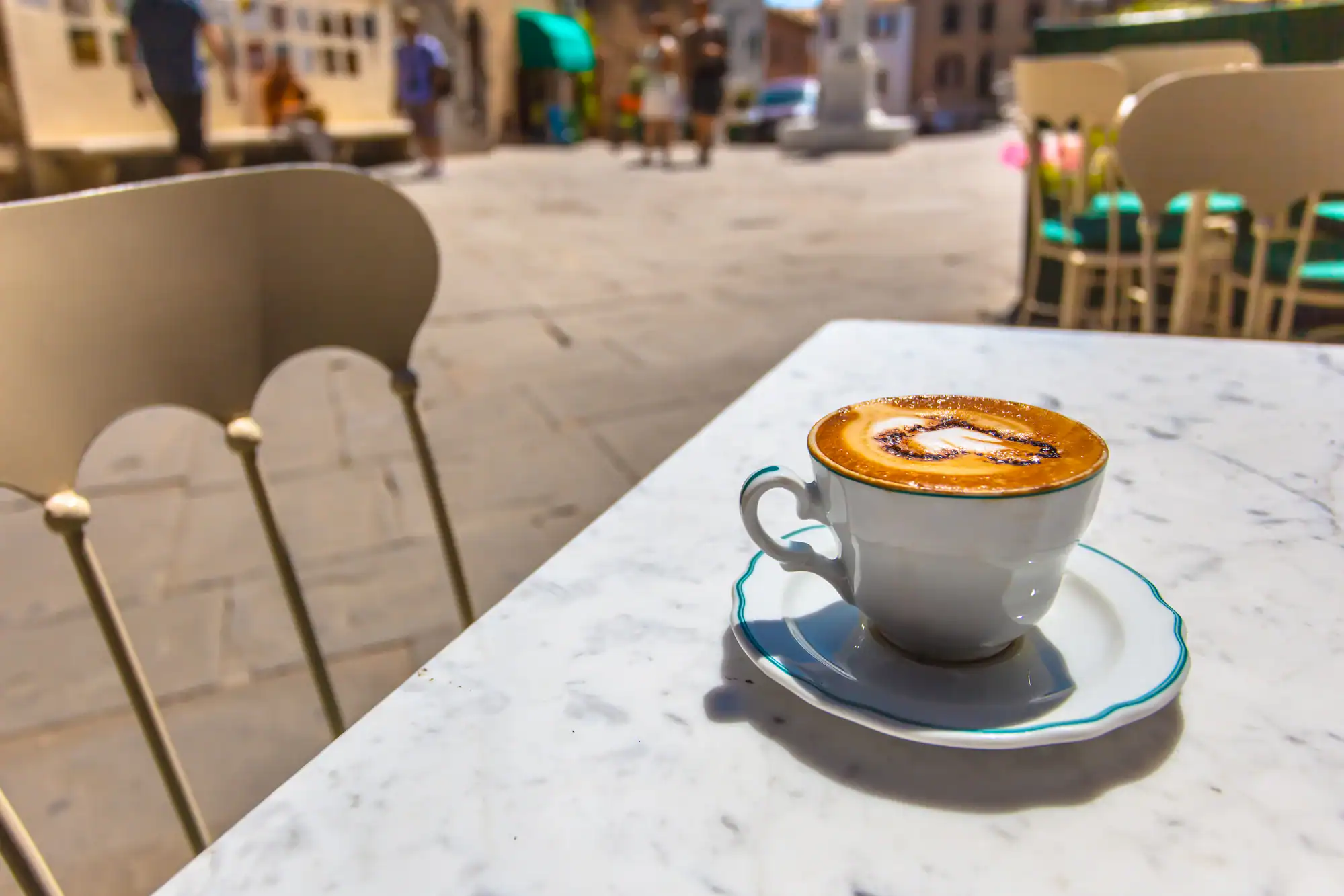
Coffee culture in New York isn’t what it was five years ago, let alone a decade back. The city that never sleeps has always run on caffeine, sure—New Yorkers drink an average of 4.3 cups per day, the highest in the nation. But the way people consume that coffee, where they consume it, and what they expect from the cafe experience has fundamentally shifted.
Walk into an independent cafe in Brooklyn or Manhattan today and you’ll notice something different from the Starbucks on the corner. The barista knows the origin of the beans. The space showcases work from local artists. There’s an actual community forming at the communal table. This isn’t accidental.
Independent coffee shops are growing at 3.2% annually—faster than major chains—because consumers are actively choosing local. They’re voting with their wallets for spaces that feel less like transactions and more like destinations. The “third place” concept, that spot between home and work where you can just be, is increasingly a neighborhood shop rather than a corporate brand.
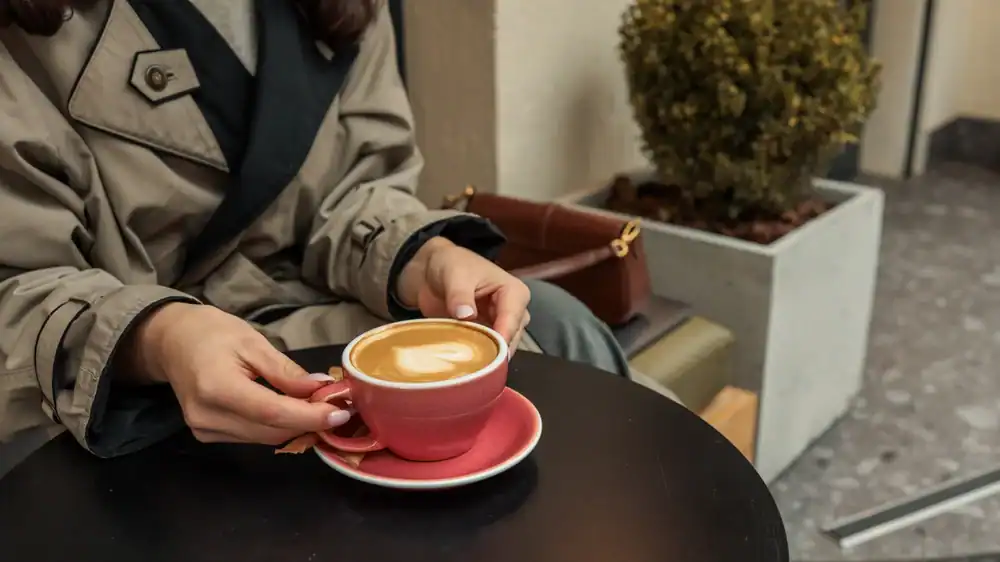
Third wave coffee hit New York differently than other cities. This is a place where people notice details, where standards are high, and where mediocrity doesn’t survive long. When shops like Ninth Street Espresso and Joe Coffee Company started focusing on single-origin beans, precise brewing methods, and barista craftsmanship in the early 2000s, they weren’t just selling better coffee—they were educating an entire city about what coffee could be.
The movement stripped away the sugar-syrup nonsense and focused attention on the actual quality of the beans and the skill required to prepare them properly. It treated coffee like wine—something with terroir, with nuance, with a story worth knowing. And New Yorkers, who already had sophisticated palates from the city’s incredible food scene, were ready for it.
Now, that education has created expectations across the artisanal coffee scene. People want to know where their beans come from. They notice when a cortado is pulled incorrectly. They can taste the difference between a light Nordic roast and a traditional Italian dark roast. The average ticket at independent shops has climbed to $8.47, up from $7.82 just last year, because consumers are willing to pay more for quality and experience.
But here’s what’s interesting—it’s not just about the coffee anymore. The third wave movement also changed expectations about the spaces themselves. These cafes became laboratories for design, for community building, for creating environments that respected the intelligence and taste of their customers. Clean lines, natural light, quality materials, intentional music choices. Every detail matters because the people walking through the door notice everything.
That’s why the shops that survived and thrived in NYC’s competitive market are the ones that understood this wasn’t just about brewing better coffee. It was about creating better experiences. The ones that treated their spaces as gathering places, not just service counters. The ones that saw their role in the neighborhood as more than commercial—as cultural.
This shift toward specialty coffee in New York has also influenced how people drink throughout the day. Morning rush still dominates, but afternoon and evening sales are now the fastest-growing segments as remote work reshapes the workday. Your local cafe isn’t just where you grab your 7am fuel anymore—it’s where you take your 2pm video call, where you meet a friend at 5pm, where you work on your side project at 8pm.
There are over 4,200 independent coffee shops in New York City right now, and that number keeps growing. Not because the market needs more coffee shops—we’re arguably oversaturated—but because the right kind of coffee shop still finds its audience.
The data tells a clear story. Independent shops are growing while chains consolidate. New shop openings are up 12% year-over-year. And perhaps most telling, $68 of every $100 spent at local shops stays in the community, compared to just $43 at chains. People are starting to understand that their coffee purchase is an economic choice with real neighborhood impact.
But the reasons go deeper than economics. Independent cafes win because they can be specific. They can cater to their actual neighborhood instead of trying to appeal to everyone everywhere. A cafe in Williamsburg can look and feel completely different from one in the Financial District, and that’s the point. They reflect their communities instead of homogenizing them.
They also win on flexibility and innovation. When afternoon and evening sales started growing faster than the traditional morning rush—thanks to remote work reshaping when and where people need coffee—independent shops adapted faster. They adjusted their hours, their food offerings, their seating arrangements. They recognized that people weren’t just coming in for a quick caffeine hit before the office anymore. They were coming in to work, to meet, to think, to create.
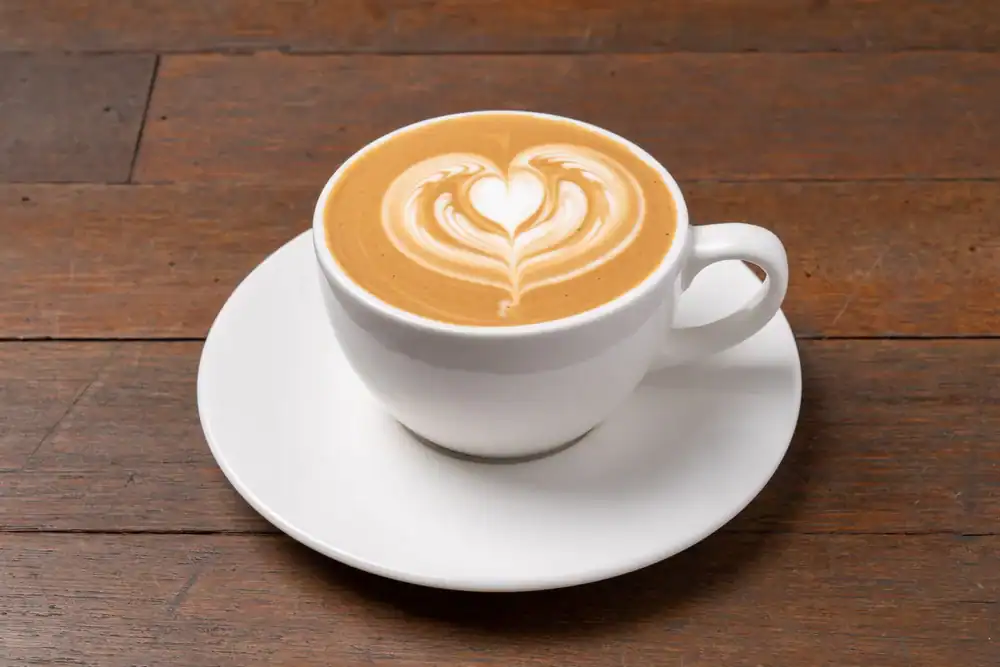
The best independent cafes in NYC have also figured out something crucial about modern coffee culture: it’s visual. Gen Z and Millennials don’t just taste their drinks—they photograph them, share them, create content around them. So these shops invest in beautiful interiors, in latte art excellence, in creating moments worth capturing. Not in a gimmicky way, but in a way that recognizes coffee has become part of how people express themselves and connect online.
And then there’s the community factor. The shops that become neighborhood institutions aren’t just serving good coffee—they’re building something. They host events. They showcase local artists. They remember your name and your order. They create an environment where regulars feel like regulars, not just transaction numbers. In a city as big and sometimes impersonal as New York, that sense of belonging matters more than you might think.
The cafe experience in NYC has become about finding your place—that one spot where the coffee is consistently excellent, where the vibe matches your energy, where you feel like you’re part of something beyond just buying a beverage. Independent shops deliver this in ways that corporate chains, with their standardized everything, simply cannot.
Want live answers?
Connect with a The Café Galerie expert for fast, friendly support.
Something interesting has been happening in New York’s coffee scene over the past few years—the line between cafe and gallery has started to blur. And not in a superficial “we hung some prints on the wall” way. We’re talking about spaces that genuinely function as both, where the art is curated with the same care as the coffee menu.
This hybrid model solves problems for everyone involved. For cafes, it creates an ever-changing visual identity that keeps the space feeling fresh and gives people reasons to return beyond the coffee. For artists, especially emerging ones, it provides exposure that would otherwise cost thousands in gallery rent—if they could even get gallery representation in the first place.
Gallery rents in New York are astronomical. Getting your work seen traditionally requires connections, money, or both. But when a coffee shop offers wall space to local creators, it democratizes the entire process. Suddenly your art is in front of hundreds of people daily—people who might not have walked into a traditional gallery but who will absolutely notice a striking piece while waiting for their cappuccino.
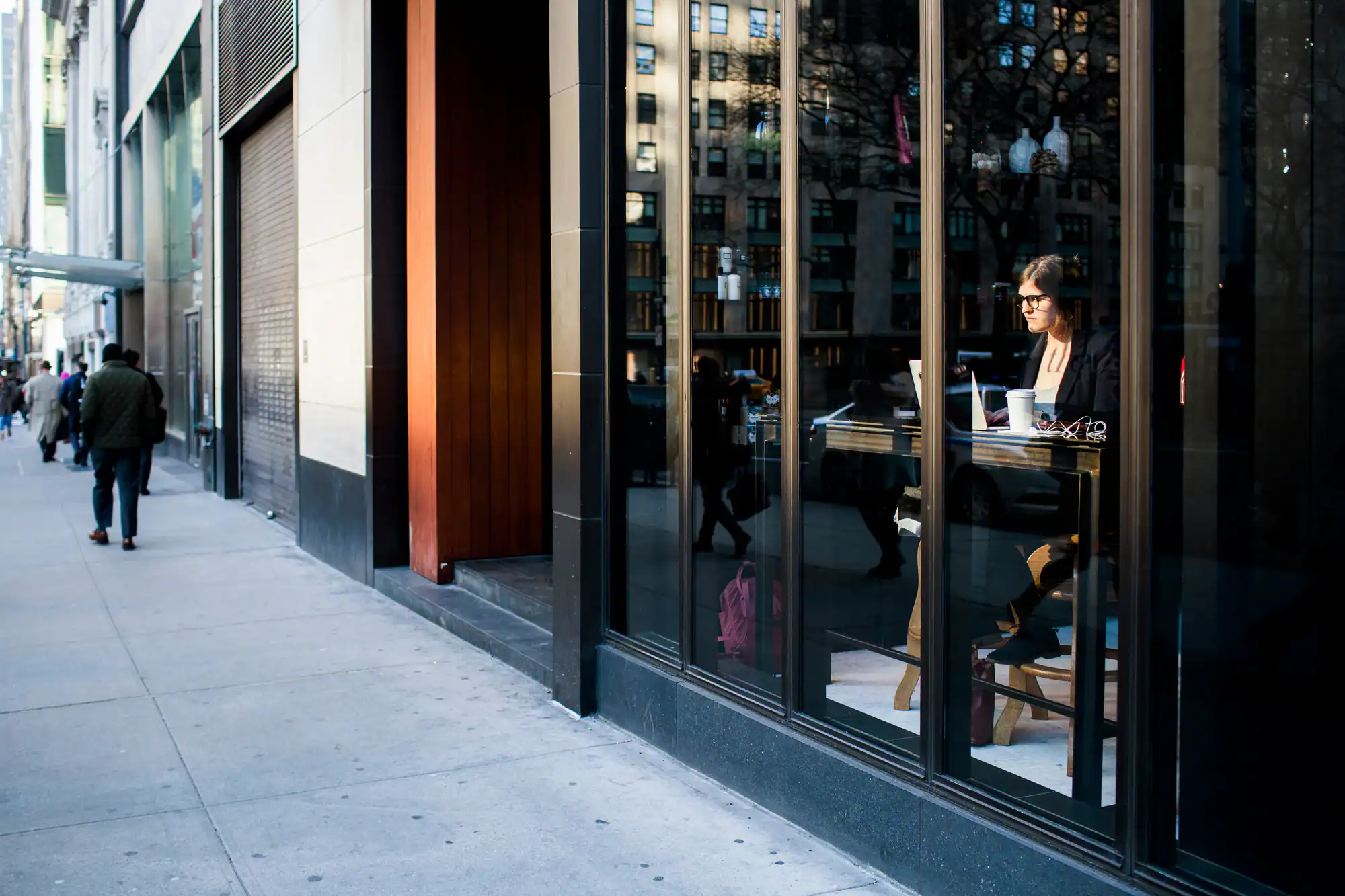
Walk into a cafe that takes its art seriously and you’ll feel the difference immediately. It’s not just decoration—it’s part of the entire sensory experience. The visual environment affects how you perceive the space, how long you want to stay, even how the coffee tastes.
The best art cafes in New York understand this relationship. They’re not just giving artists free wall space out of charity. They’re curating exhibitions that complement their brand, that create the atmosphere they want, that tell a story about who they are and what they value. A cafe in the East Village might showcase edgy street artists and experimental photographers. One in SoHo might lean toward minimalist abstracts and contemporary design work.
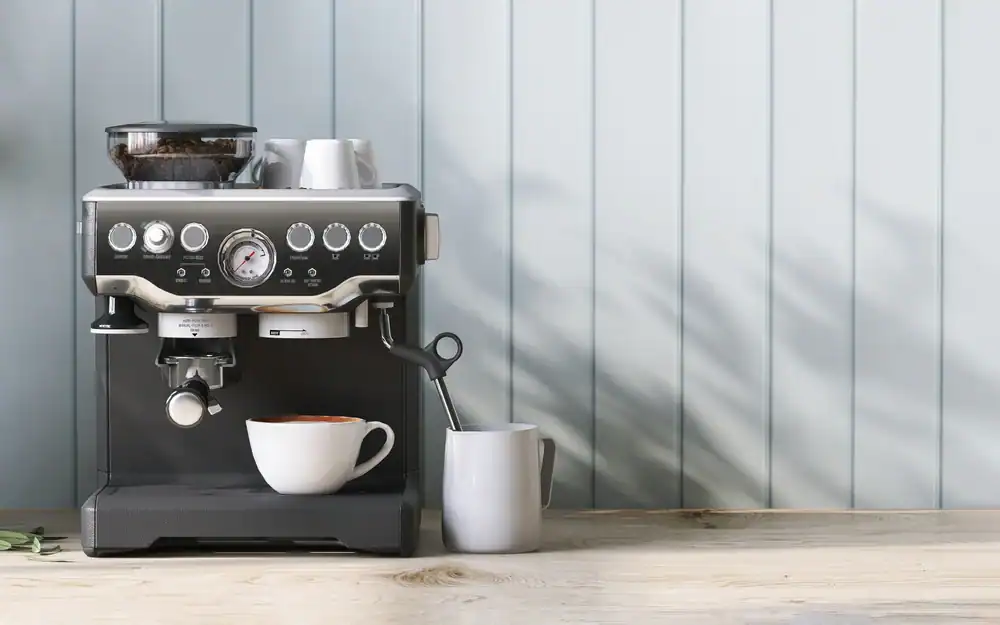
This intentionality creates spaces that feel complete. Where every element—from the espresso machine to the artwork to the music to the furniture—works together to create an experience that’s greater than the sum of its parts. You’re not just getting artisanal coffee in a room with some art. You’re entering a curated environment designed to make you feel something.
For customers, this transforms the cafe from a utility into a destination. You start coming back not just because the cortado is perfect (though it better be), but because you’re curious what new artist we’re featuring this month. Because the space stimulates your brain in ways that generic corporate design never could. Because it feels like discovery rather than routine.
And for the artists themselves, the benefits go beyond exposure. Coffee shop exhibitions create a different kind of interaction with viewers than traditional galleries. People in cafes are relaxed, spending time, often alone with their thoughts. They’re not in “gallery mode” where they feel pressured to have intelligent opinions or make quick judgments. They can sit with a piece, come back to it, let it grow on them over multiple visits. Some of the best art sales happen this way—not from the rushed first impression, but from the slow build of appreciation.
Since the pandemic, there’s been a documented craving for community and shared creative spaces. Art cafes tap directly into this need. We become gathering places for the creative class—writers working on laptops surrounded by inspiring visuals, designers meeting clients in spaces that reflect their own aesthetic values, artists connecting with each other and potential collectors in an environment that feels accessible rather than intimidating.
The community art space model also addresses something specific to New York’s creative economy. The city has over 21,000 working artists, but many are being priced out by rising costs. Traditional gallery representation is increasingly out of reach for emerging talent. Coffee shops that genuinely support local art provide a critical platform that helps keep the city’s creative ecosystem alive and accessible.
Not every coffee shop that hangs some art on the walls becomes a genuine community art space. There’s a difference between decoration and curation, between giving artists a platform and actually integrating art into your identity.
The cafes that get this right start with intention. We’re not just filling empty wall space—we’re actively seeking out emerging artists whose work aligns with our vision. We’re rotating exhibitions regularly, hosting opening receptions, promoting the artists through our social channels. We’re treating the art program as seriously as we treat our coffee program.
We also create the right physical environment for art to shine. Good lighting is non-negotiable. The space needs to be designed so the art is visible and accessible, not hidden in dark corners or competing with cluttered decor. The best art cafes in NYC have clean, minimalist designs that let both the coffee and the art be the stars.
But the real secret is community building. The cafes that become genuine third spaces for the creative community don’t just passively display art—we actively foster connections. We host artist talks and workshops. We create events that bring together artists, collectors, and curious neighbors. We use our space to facilitate the kind of interactions that make neighborhoods feel like neighborhoods.
This requires seeing your cafe as more than a business. It requires viewing it as a neighborhood anchor, as cultural infrastructure. The payoff is loyalty that goes far deeper than good coffee can create alone. When people feel like they’re part of something—when they’re discovering new artists, when they’re contributing to the local creative economy, when they’re connecting with like-minded people—they become invested in your success.
The economics work too. Art sales can provide additional revenue, though most cafes take a modest commission rather than treating it as a primary income stream. More importantly, the art programming creates differentiation in an incredibly crowded market. In a city with thousands of coffee options, being “the place where you can get great coffee and discover emerging artists” gives you a clear identity and a specific audience.
The community art space model also taps into changing consumer values, especially among younger demographics. People want to support local. They want transparency about where their money goes. They want experiences that feel meaningful rather than purely transactional. A cafe that’s genuinely invested in supporting local artists and building community checks all those boxes in ways that corporate chains simply can’t replicate.
For New York specifically, where coffee culture has become increasingly sophisticated and consumers have high expectations, the art component elevates the entire experience. It signals that this isn’t just another place to grab caffeine—it’s a space where thought and care went into every detail, where you’re treated as someone with taste and intelligence, where your patronage supports something beyond just the business itself.
Coffee culture in New York will keep evolving because this city never stands still. But the direction is clear—toward more independence, more intention, more integration with the communities these cafes serve. The shops that thrive will be the ones that understand we’re not just selling coffee. We’re creating third places. We’re supporting local economies and local artists. We’re building the kind of neighborhood infrastructure that makes a city of 8 million people feel a little more human.
The numbers back this up. Independent shops are growing faster than chains. Consumers are willing to pay premium prices for premium experiences. The demand for genuine community spaces has never been higher. And the intersection of coffee culture with art, design, and local creativity is producing some of the most interesting cafe concepts the city has ever seen.
If you’re looking for a cafe experience that goes beyond the transaction, that respects your intelligence and your time, that contributes something meaningful to the neighborhood—we’re here. At The Café Galerie , we bring together expertly crafted artisanal coffee with rotating exhibitions from local artists in a space designed for connection and creativity. It’s what coffee culture in New York is becoming: smarter, more intentional, and more human.
Summary:
Share: