Coffee work culture is redefining how we balance productivity and creativity. Learn why art gallery cafes are becoming the new workspace for NYC's remote workers and artists.
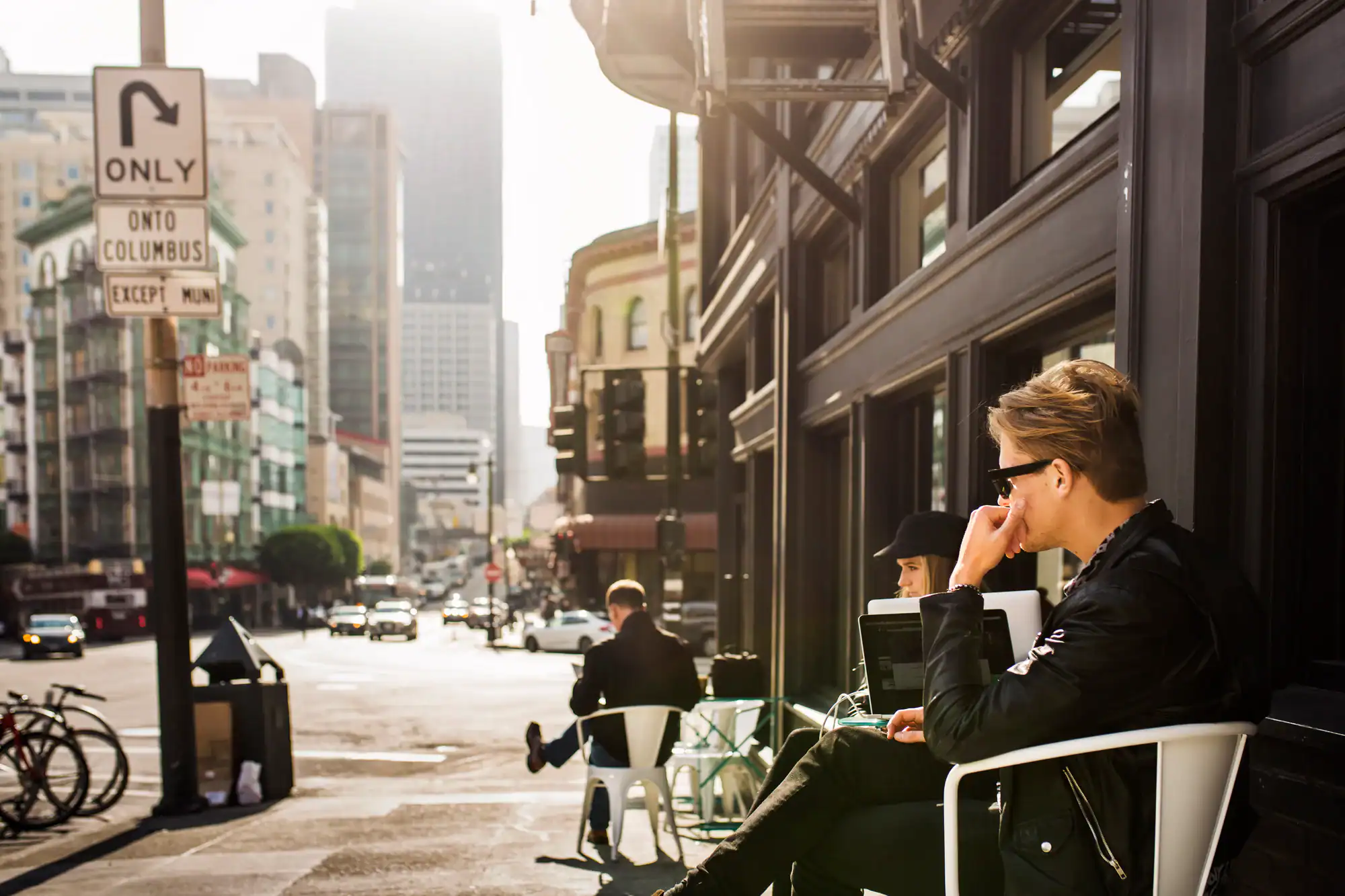
You’re not looking for another place to get coffee. You need a space that actually works—where the coffee is good, the wait is nonexistent, and you can think without someone hovering. Maybe you’re between meetings. Maybe you’re sketching ideas for a project. Maybe you just want to sit with something beautiful while your espresso pulls. The old model—corporate chains with burnt coffee and sterile walls, or traditional galleries where you can’t touch anything—doesn’t cut it anymore. What if your workspace could also feed your creative side? What if getting coffee didn’t mean choosing between speed and quality, or between productivity and inspiration?
The way people work has changed. Forty percent of US employees now work remotely at least one day a week, and they’re not all doing it from home. Coffee shops have become the default office for freelancers, writers, designers, and anyone who needs WiFi and a change of scenery.
But here’s the thing: not all coffee shops are built for this. Some make you feel guilty for staying longer than twenty minutes. Others have terrible WiFi or not enough outlets. And plenty charge $8 for mediocre lattes while expecting you to leave as soon as you finish your drink.
The cafes that get it right understand that coffee work culture isn’t about camping out for free. It’s about creating an environment where people can actually be productive while enjoying quality coffee. That means reliable technology, comfortable seating, and a vibe that doesn’t make you feel rushed.
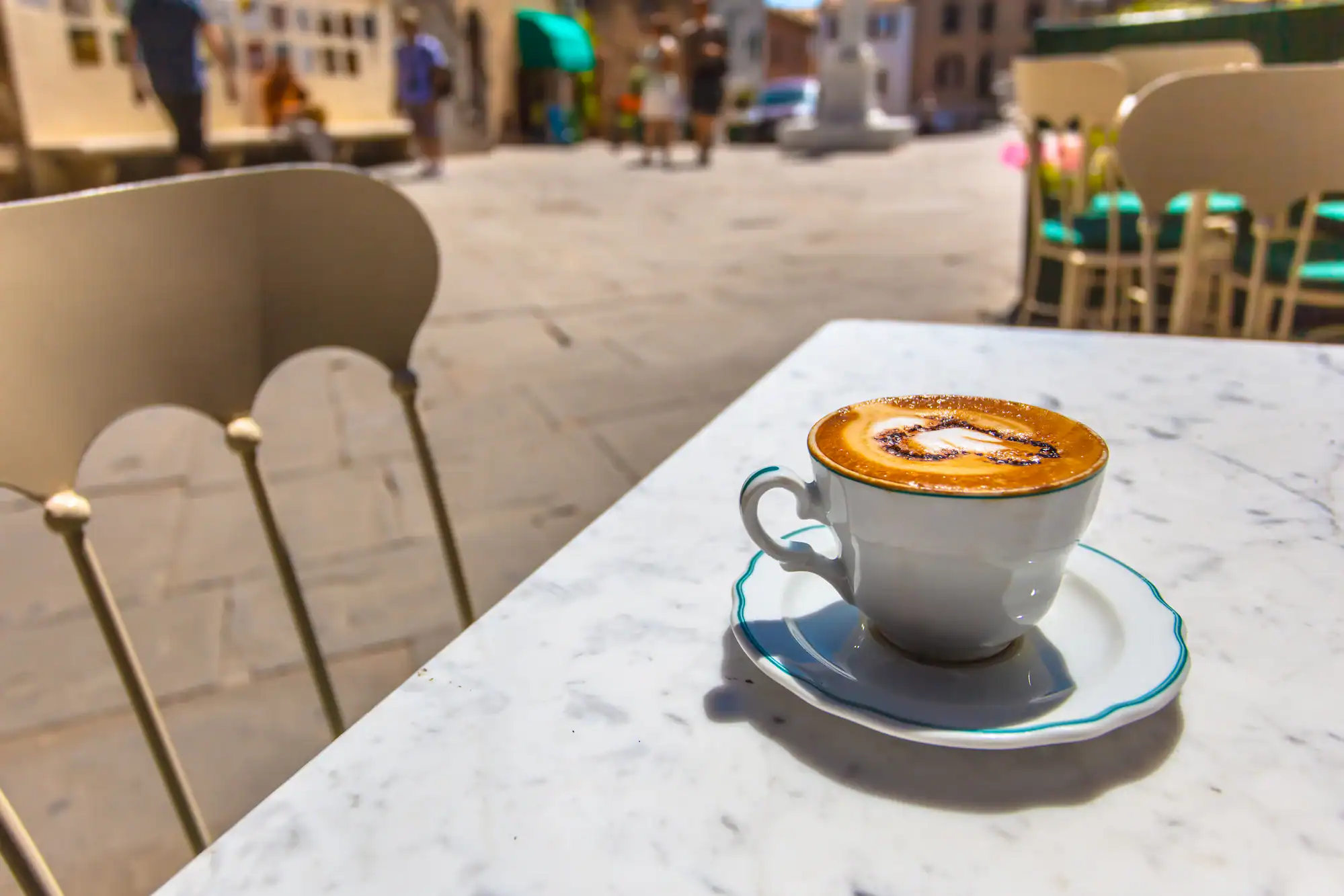
Working from home sounds great until you’ve been staring at the same four walls for six months. The couch loses its appeal. The kitchen table isn’t ergonomic. And the distractions—laundry, dishes, the temptation to turn on Netflix—make it hard to focus.
Coffee shops solve a specific problem: they provide structure without the commute. You get dressed, you leave the house, you sit down with a purpose. The ambient noise helps some people concentrate better than total silence. And seeing other people working creates a kind of accountability that’s hard to replicate alone.
Greenwich Village has always understood this. The neighborhood’s coffee culture goes back decades, to when beat poets and folk musicians used cafes as gathering spots. Writers like Jack Kerouac and Allen Ginsberg spent hours in places like The Gaslight Cafe, not because the coffee was fancy, but because these spaces welcomed creativity and conversation.
Today’s version looks different—laptops instead of typewriters, cold brew instead of drip coffee—but the principle is the same. People need places that feel like third spaces, somewhere between home and a formal office. They need spots where lingering is encouraged, not tolerated.
The best coffee work environments balance productivity with community. You can plug in your laptop and knock out a deadline, but you’re also surrounded by art on the walls, local faces, and the kind of atmosphere that reminds you why you moved to New York in the first place.
What makes a cafe actually work-friendly? Fast, reliable WiFi is non-negotiable. Comfortable seating that doesn’t wreck your back after an hour matters. Access to power outlets means you’re not constantly hunting for a charge. And good coffee—consistent, well-made coffee—keeps you coming back.
But there’s something else that separates forgettable coffee shops from the ones people talk about: they give you a reason to stay beyond the caffeine. Maybe it’s rotating art exhibitions from local artists. Maybe it’s evening events that turn the space into something more than a daytime workspace. Maybe it’s just an owner who actually wants you there.
Coffee shops have always attracted artists, but the relationship has evolved. It’s not just about writers scribbling in notebooks anymore. Today’s coffee shop artists include painters, photographers, designers, and musicians who use cafes as both workspace and gallery.
This shift makes sense when you consider the economics. Traditional gallery representation is expensive and exclusive. Emerging artists face steep barriers: application fees, commission rates that can hit 50%, and the pressure to already have a following before galleries will even look at your work.
Coffee shops that sell art flip that model. They give artists wall space, foot traffic, and direct access to buyers. No middleman taking half. No pretentious gatekeepers deciding who’s worthy. Just your work, priced fairly, in a space where people actually spend time.
For customers, this changes the gallery experience entirely. You’re not rushing through a formal exhibition feeling judged. You’re sitting with your coffee, looking at work you might actually want to buy, and you can come back tomorrow to see it again. The art becomes part of your routine instead of a separate, intimidating event.
Greenwich Village has a rich history of this kind of integration. Caffe Reggio, which opened in 1927, introduced cappuccino to America while displaying Renaissance-era art. The neighborhood’s Italian cafes created spaces where culture and coffee coexisted naturally, where you could sit on a bench from a Florentine palazzo while drinking espresso.
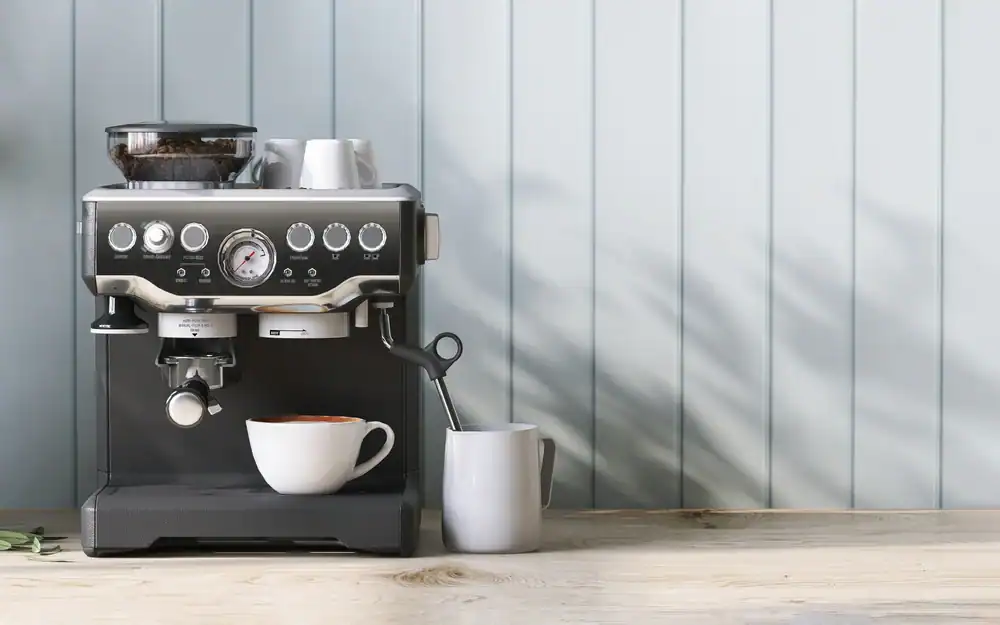
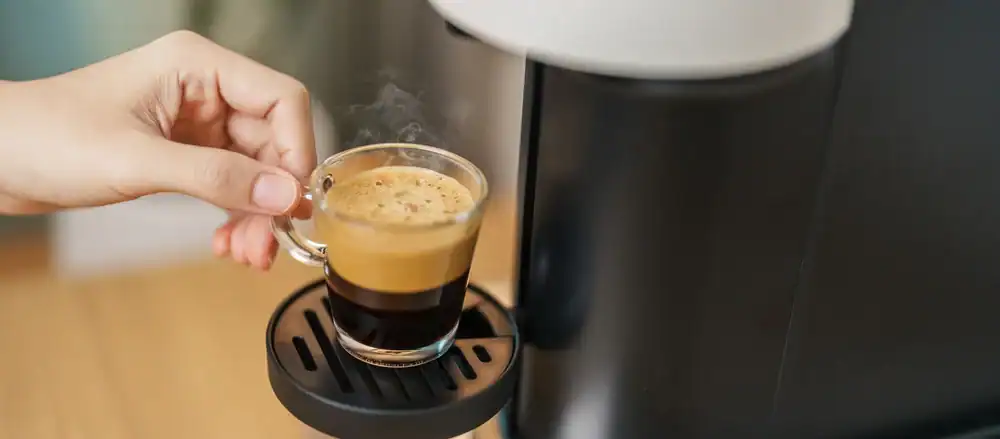
Modern art gallery cafes build on that tradition but with updated technology and a more democratic approach. Self-serve coffee machines mean you’re not waiting in line while the person ahead of you orders eight drinks. Bean-to-cup systems ensure consistency—your latte tastes the same whether it’s Monday morning or Saturday afternoon.
The art rotates monthly, so regular visitors always see something new. Artists are often present, creating opportunities for actual conversations about technique, inspiration, and process. This accessibility matters. It demystifies art, makes it feel approachable, and connects creators directly with people who appreciate their work.
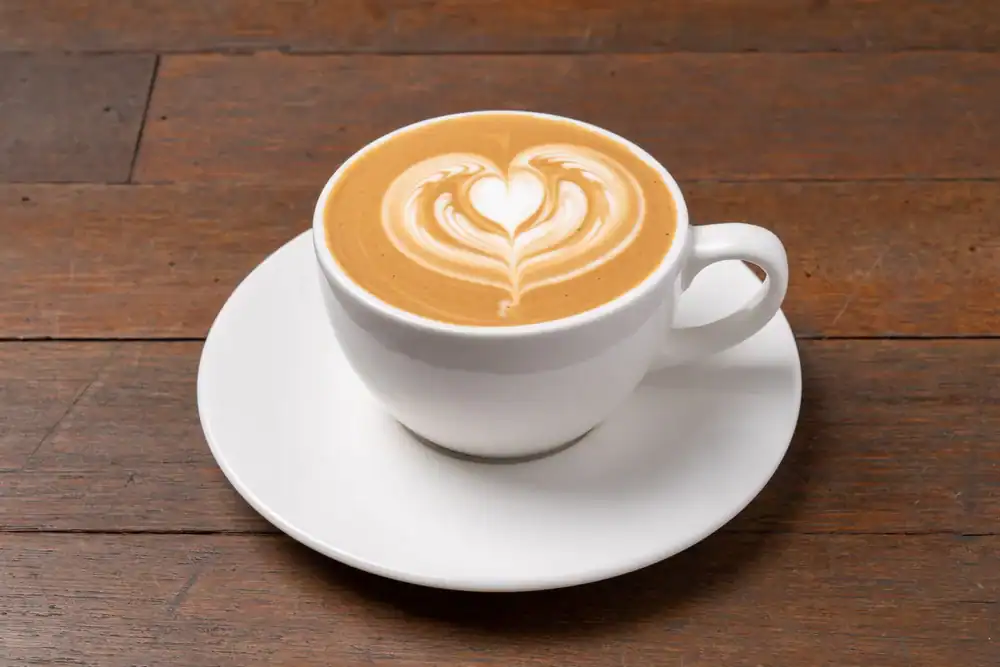
Black coffee art and cool coffee art trends have made visual presentation part of the coffee experience itself. Latte art has evolved into a craft, with baristas creating intricate designs that people photograph and share. But beyond the Instagram-worthy foam, there’s a deeper appreciation for coffee as a sensory experience—the aroma, the ritual, the way a well-made cup can shift your entire morning.
Coffee house art extends beyond what’s hanging on walls. It includes cafe murals that transform spaces, coffee shop window art that draws people in from the street, and cafe chalkboard art that adds personality and daily specials with hand-drawn flair. These elements create atmosphere, signal that a space cares about aesthetics, and make customers feel like they’re somewhere intentional.
Want live answers?
Connect with a The Café Galerie expert for fast, friendly support.
Walk into most chain coffee shops and you’ll see stock photos on the walls. Generic landscapes. Motivational quotes in cursive fonts. Nothing that makes you stop and actually look.
Local art gallery integration is different. It means the work on the walls comes from people in your city, often from your neighborhood. It changes regularly. And it’s for sale, which means the artists are actually making money from their craft instead of hoping for exposure.
This model benefits everyone. Artists get exhibition space without paying gallery fees. Customers get to experience art in a low-pressure environment. And the cafe itself becomes a cultural hub instead of just another place to buy coffee.
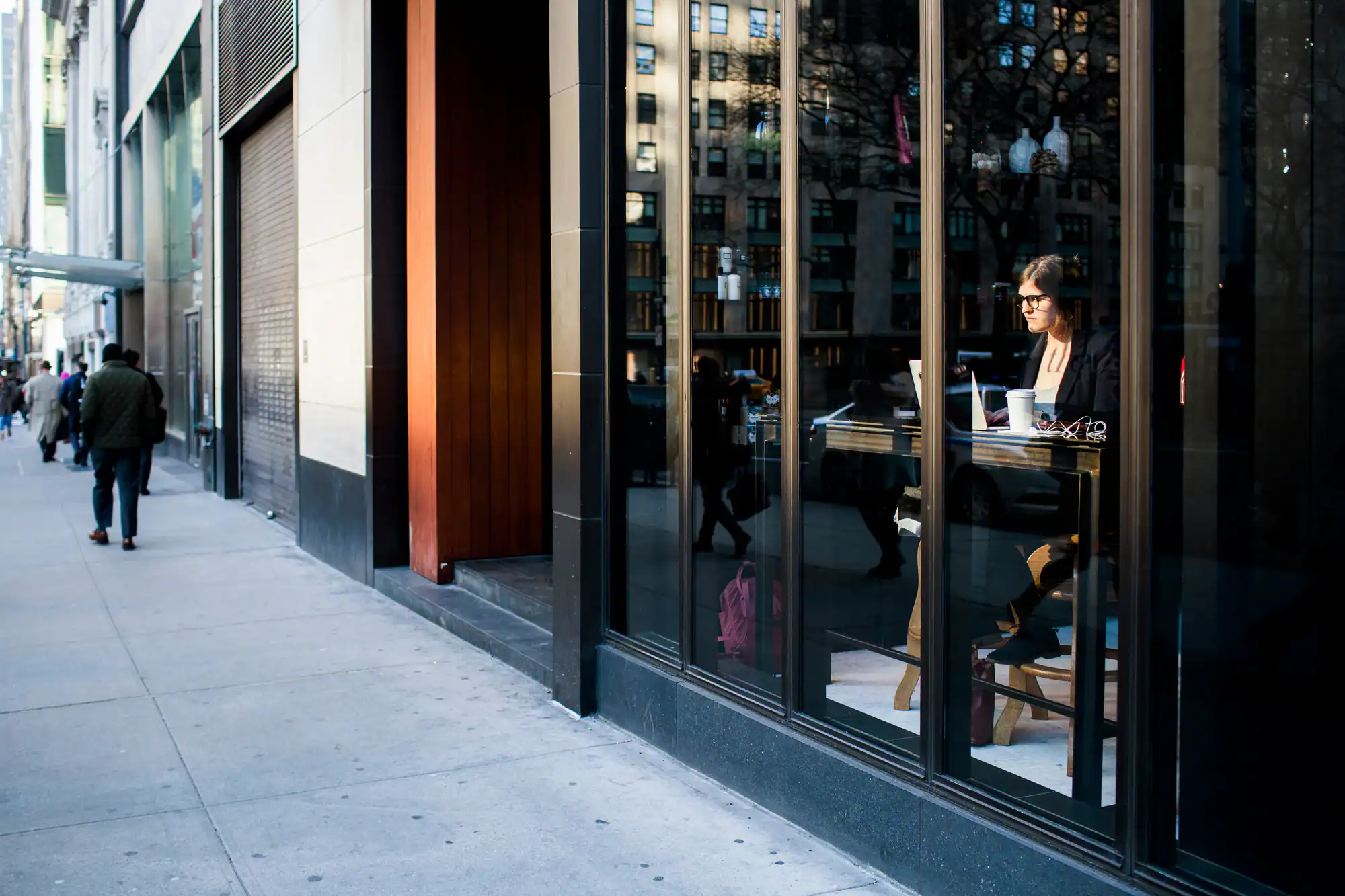
The traditional art world has a problem: it’s designed for artists who are already successful. Gallery representation requires connections, a track record, and often the financial cushion to create without immediate sales. Emerging artists—the ones doing interesting work but without name recognition—struggle to break in.
Coffee shops that feature local artists paintings solve this by lowering the barriers to entry. Instead of competing for limited gallery slots in Chelsea, artists can show work in neighborhood cafes where thousands of people pass through each week. The exposure is real, the sales are direct, and the commission structure is fair.
For buyers, this creates opportunities to discover artists before they’re priced out of reach. You’re not competing with collectors at a SoHo opening. You’re having coffee, you see a piece that speaks to you, and you can actually afford to buy it.
This democratization of art sales matters in a city like New York, where rising costs have pushed many artists out of Manhattan entirely. Cafes that prioritize local artists help keep creative communities intact by providing income streams that don’t depend on gallery representation.
The art itself varies widely—abstract paintings, photography, mixed media, digital prints. Monthly rotations mean the aesthetic keeps evolving, so regular customers never see the same exhibition twice. Some cafes host opening receptions where you can meet the artists, ask questions, and understand the work on a deeper level.
This personal connection changes how people relate to art. Instead of anonymous pieces chosen by a curator, you’re looking at work by someone you might have just talked to. You know their story, their process, their inspiration. That context makes the art more meaningful and the purchase more intentional.
Greenwich Village has always been a neighborhood where artists could afford to live and work. That’s changed dramatically, but cafes that showcase local talent help preserve some of that creative identity. They create visibility for artists who might otherwise go unnoticed and give neighborhood residents a reason to support local culture with their wallets.
Traditional galleries take 40-60% commission on sales. They require artists to sign exclusivity agreements. They control pricing, marketing, and access to buyers. For emerging artists, these terms can be impossible to accept—but without gallery representation, reaching collectors is nearly impossible.
Coffee shops that sell art operate differently. Commission rates are typically lower, sometimes as low as 20-30%. Artists maintain control over pricing and can sell work directly to customers. There’s no exclusivity requirement, so artists can show in multiple venues simultaneously.
This flexibility matters enormously for working artists trying to build sustainable careers. Gallery sales are unpredictable and often months apart. Coffee shop sales happen more frequently, at lower price points, to buyers who are discovering art in a casual context rather than a formal gallery visit.
The buyer experience is also fundamentally different. In a traditional gallery, there’s pressure—to understand the work, to appear knowledgeable, to make a decision quickly before someone else buys it. In a coffee shop, you can sit with the art for an hour while you work. You can come back multiple times before deciding. There’s no sales pressure, no hovering gallerist, no feeling that you’re wasting someone’s time if you don’t buy.
This low-pressure environment actually increases sales because buyers have time to develop a genuine connection with pieces. They’re not making impulse purchases based on gallery hype. They’re choosing work that they’ve lived with, even briefly, and know they’ll enjoy long-term.
For cafes, featuring art creates differentiation in a crowded market. New York has thousands of coffee shops. Most serve decent coffee. But how many also function as rotating galleries with affordable, original art? That combination attracts customers who care about more than just caffeine—they want an experience, a vibe, a reason to choose your cafe over the Starbucks down the block.
Cafe wall murals and larger installations can transform spaces entirely. Instead of blank walls or generic decor, you get custom artwork that reflects the neighborhood’s character. Some cafes commission murals from local artists, creating permanent pieces that become landmarks. Others rotate large-scale works, keeping the space visually dynamic.
Coffee mural art and cafe window art serve dual purposes—they’re aesthetic choices that also function as marketing. Eye-catching window installations draw people in from the street. Interior murals create Instagram moments that customers share, providing free promotion. And all of it supports artists who might not otherwise have opportunities for large-scale commissions.
The integration of art and coffee isn’t new, but the current model is more equitable than past versions. Instead of art as decoration chosen by the cafe owner, today’s approach centers the artists themselves—giving them agency, fair compensation, and direct relationships with buyers.
Coffee and work have always been connected, but the relationship keeps evolving. Today’s coffee work culture recognizes that productivity happens in many places, that creativity needs fuel beyond just caffeine, and that the best workspaces offer more than desks and WiFi.
Greenwich Village continues to lead this evolution, just as it did when beat poets gathered in basement cafes and folk musicians played for small crowds. The details have changed—self-serve machines instead of manual espresso pulls, laptops instead of typewriters—but the core principle remains: coffee shops work best when they’re genuine community spaces that welcome both work and art.
If you’re looking for a place that understands this balance, we bring together everything that makes coffee work culture actually work—quality coffee without the wait, rotating exhibitions from local artists, and a space that respects your time whether you’re here for five minutes or five hours.
Summary:
Share: