NYC's coffee culture is evolving beyond the quick grab-and-go. At Café Galerie, artisan coffee and curated local art create a third space where quality meets creativity in every visit.
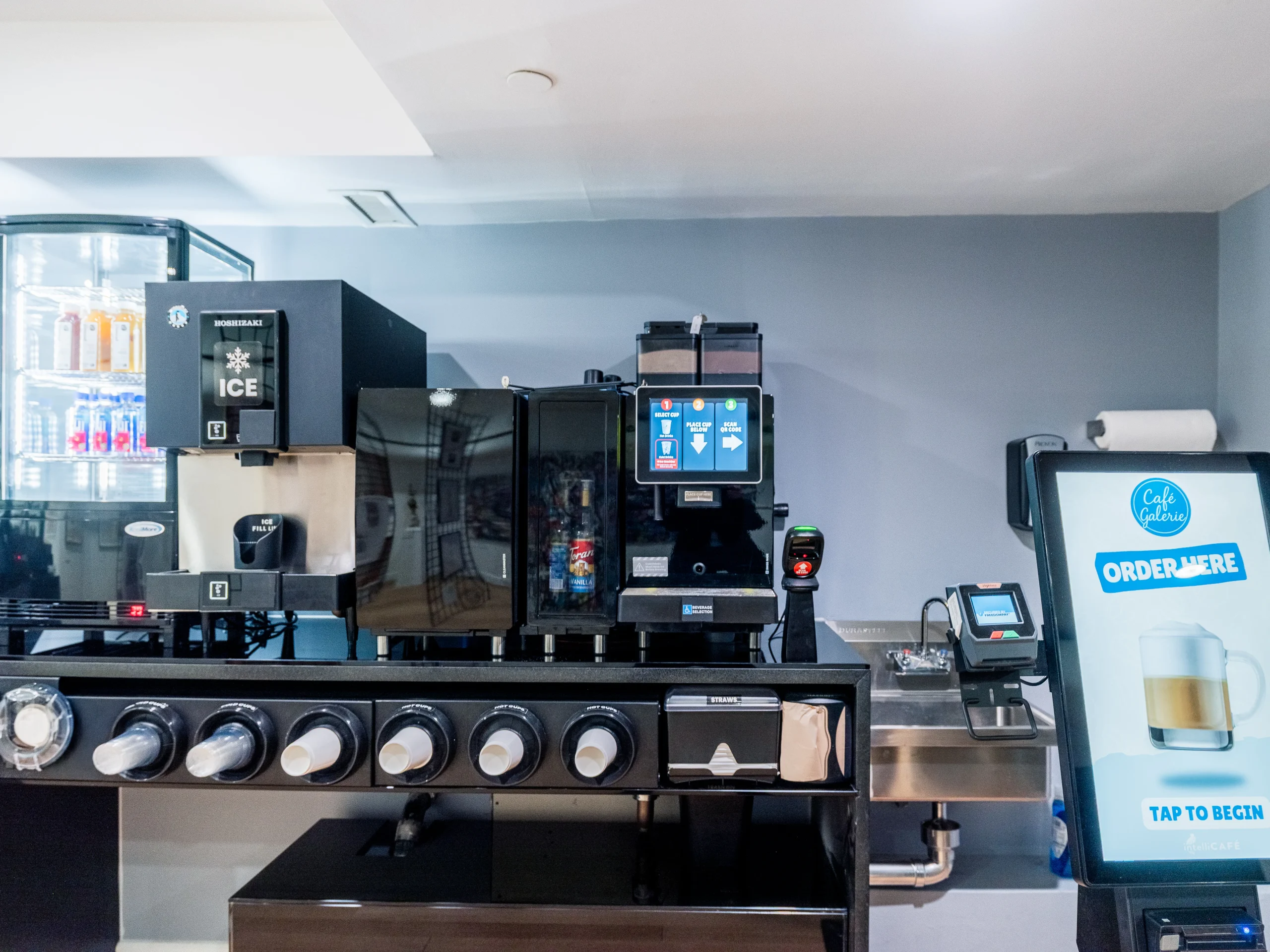
New Yorkers drink nearly seven times more coffee than people in any other US city. That’s not a fun fact – it’s survival. But the days of accepting whatever’s hot and caffeinated are over.
Artisan coffee brewing means someone actually cares about what’s in your cup. It means beans roasted in small batches, not sitting in a warehouse for months. It means baristas who can tell you the difference between a flat white and a cappuccino without making you feel stupid for asking.
At Café Galerie, our coffee starts with transparency. You can ask where the beans come from, how they’re processed, what notes you should taste. Our baristas know because they’ve been trained to know. That’s the difference between artisan and assembly line – one treats coffee like a craft, the other treats it like a commodity.
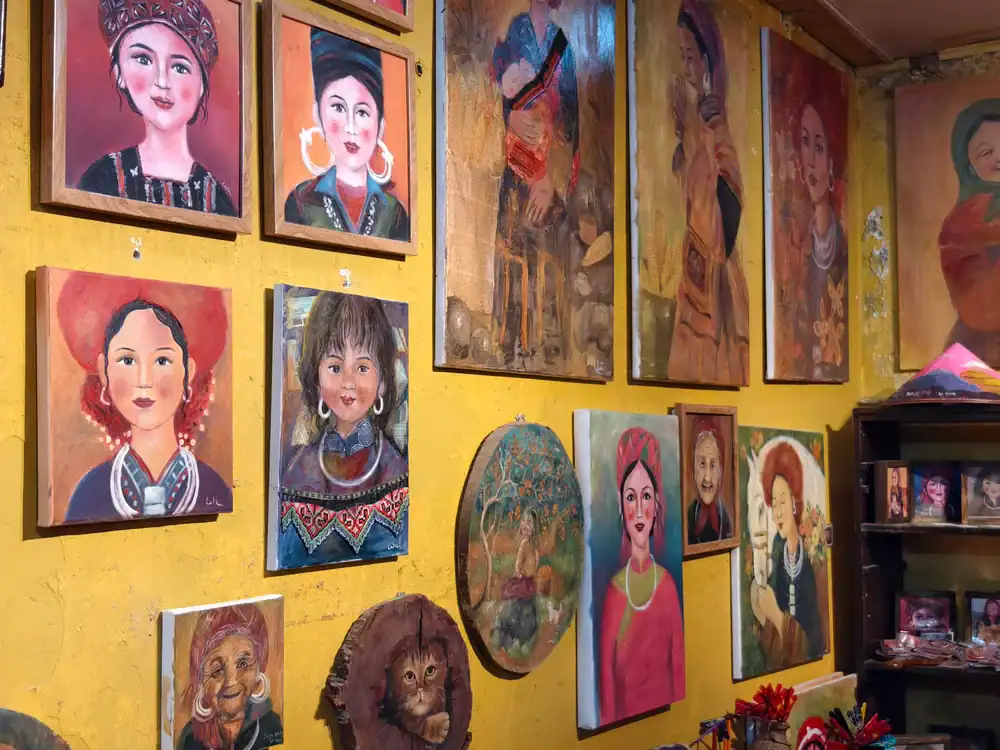
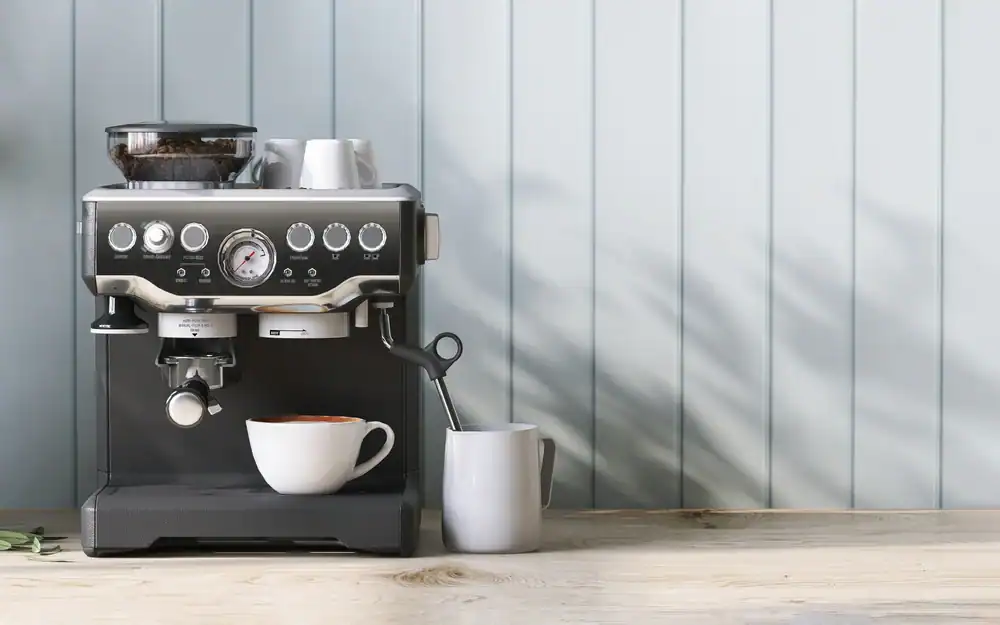
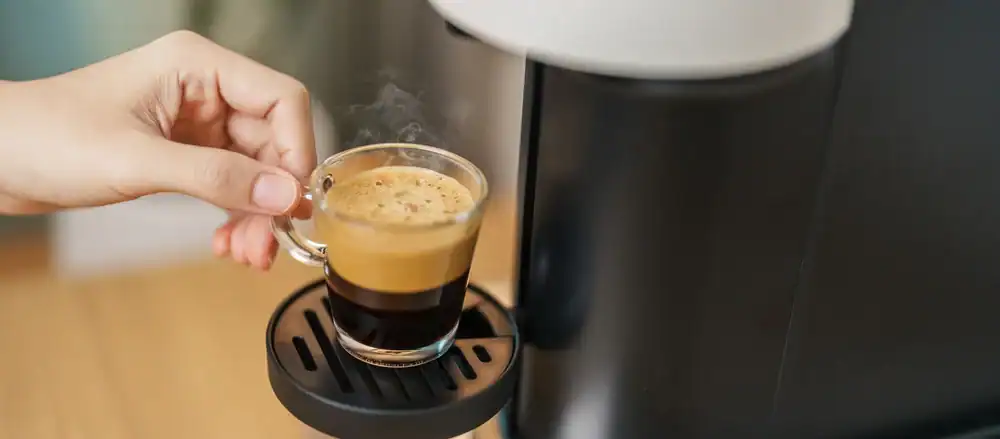
Pulling a proper espresso shot isn’t about pushing a button. It’s about grind size, water temperature, extraction time, and pressure. Change one variable and you’ve changed the entire cup.
The third-wave coffee movement brought this level of precision to NYC, and it stuck because people could taste the difference. When your espresso is dialed in correctly, you get complexity – fruit notes, chocolate undertones, a clean finish that doesn’t need sugar to taste good. When it’s rushed or careless, you get bitterness that burns all the way down.
Our approach to espresso craft means consistency. The machines are calibrated. Our baristas understand brew ratios – the weight of coffee grounds to the weight of liquid espresso – and how manipulating that ratio affects taste and mouthfeel. This isn’t coffee snobbery. It’s just knowing what you’re doing.
Most speciality coffee shops in NYC now work with single-origin beans or carefully developed blends that highlight specific flavor profiles. You’ll find beans from Ethiopia with bright, floral notes. Colombian beans with caramel sweetness. Beans from Burundi with berry-forward acidity. Each origin tells a different story, and proper espresso technique lets that story come through in your cup.
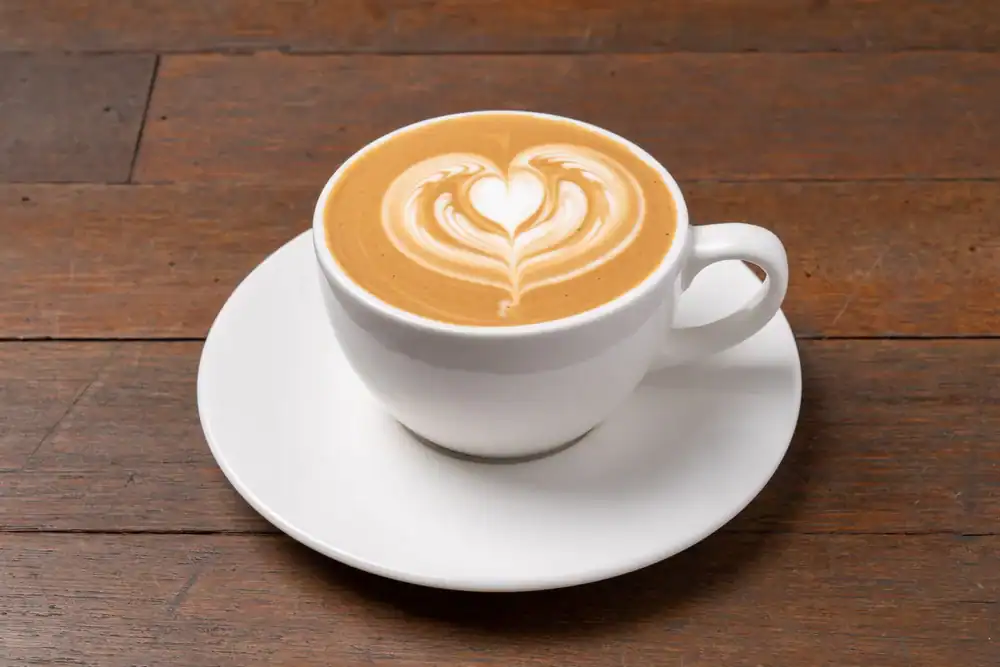
The difference shows up in details. Milk steamed to the right temperature and texture for latte art that’s not just pretty but functional – it means the milk was handled correctly. Espresso that’s neither over-extracted and bitter nor under-extracted and sour. A crema that’s rich and persistent, not thin and disappearing.
This level of craft takes time to learn but seconds to execute once you know what you’re doing. That’s why you can get a properly made cappuccino without waiting 20 minutes. The skill is already there.
When a cafe can tell you exactly which farm grew your coffee beans, what elevation they were grown at, and how they were processed, that’s not showing off. That’s accountability.
Direct trade relationships mean roasters work directly with coffee farmers, often paying above commodity prices and maintaining multi-year commitments. This creates better conditions for farmers and more consistent quality for you. It also means traceability – if something tastes off, you can track it back to the source and fix it.
Single-origin coffees showcase what a specific region can do. A coffee from Kenya tastes nothing like a coffee from Guatemala because the soil, altitude, climate, and processing methods are completely different. When you drink a single-origin pour-over, you’re tasting a specific place at a specific time.
We work with roasters who take sourcing seriously. Many NYC specialty roasters now publish farm-level details on their websites – the producer’s name, the variety of coffee plant, the processing method (washed, natural, honey), and even the harvest date. This transparency didn’t exist 15 years ago. Now it’s becoming the standard because customers care and because it makes better coffee.
The artisan coffee movement asks you to slow down and taste deliberately. Not every cup needs to be analyzed like wine, but when you’re paying $5 for a coffee, you should be able to taste why it costs more than the $2 bodega version. The difference is in the sourcing, the roasting, and the preparation. All three matter.
There’s also an ethical component. Coffee is one of the most traded commodities in the world, and for decades, farmers saw almost none of the profit. Direct trade and fair trade certifications help correct that imbalance. When your cafe talks about where their beans come from and how much they paid for them, they’re participating in a more equitable system. That’s worth supporting.
Want live answers?
Connect with a The Café Galerie expert for fast, friendly support.
Walking into a traditional gallery can feel like taking a test you didn’t study for. There’s a certain pressure – to understand the context, to appreciate the technique, to look like you belong there.
We remove that pressure by putting art where you’re already going. You’re getting coffee. The art is just there, on the walls, changing every month. You can look at it or not. You can ask about it or not. There’s no admission fee, no hushed tones, no feeling that you’re being judged for not knowing the artist’s CV.
This approach makes art accessible without making it disposable. The work is curated. The artists are real – people who live and work in NYC, not mass-produced prints from a corporate catalog. And if something speaks to you, you can buy it directly from the artist. We facilitate the connection but don’t take a massive commission.
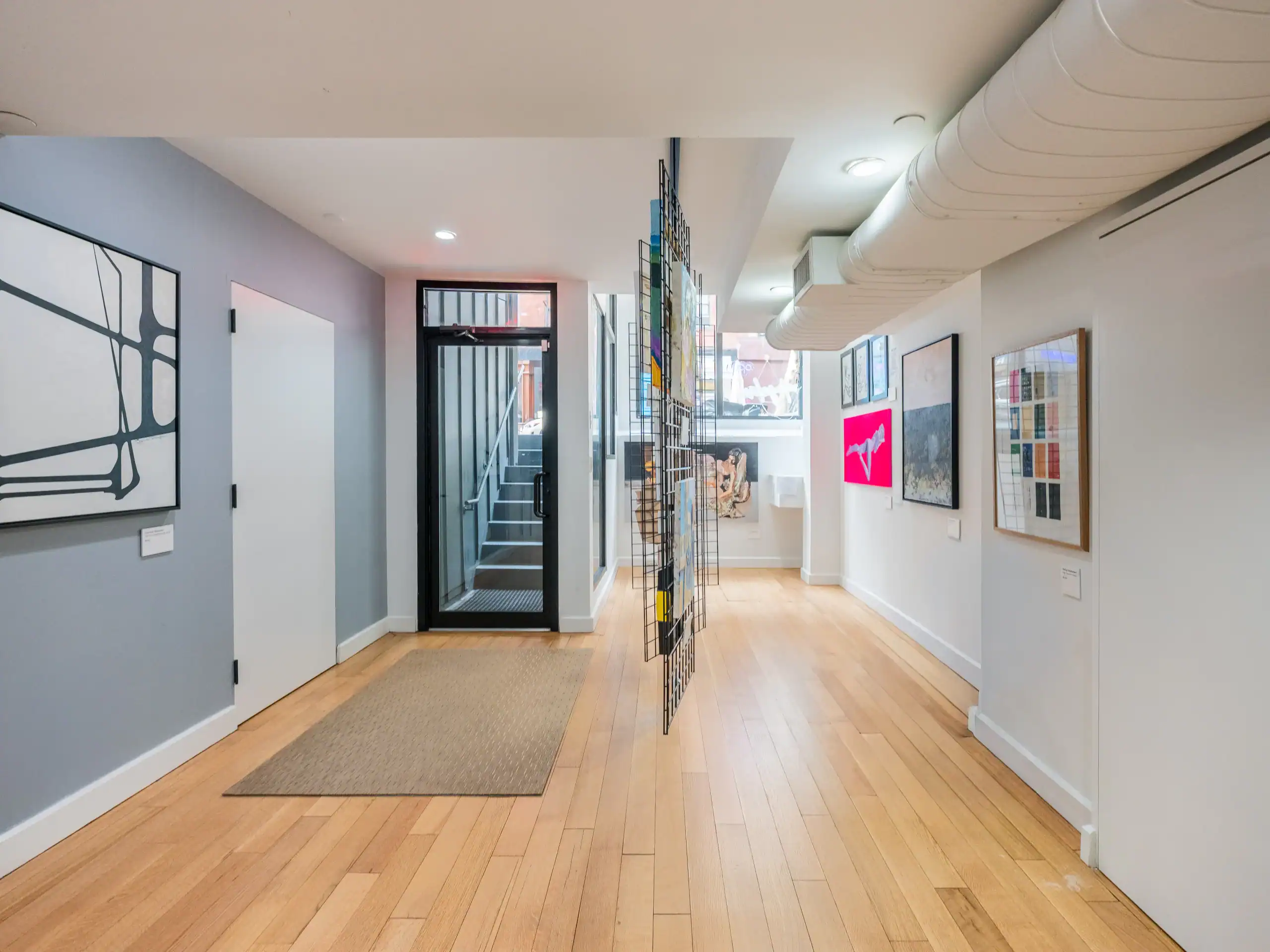
Most art gallery cafes rotate their exhibitions monthly or quarterly. This keeps the space fresh for regulars and gives more artists opportunities to show their work.
The selection process varies, but the best spots curate thoughtfully. They’re not just filling wall space – they’re creating an environment that matches the cafe’s vibe while giving each artist room to be seen. You might walk in one month and see bold abstract paintings, then return six weeks later to find black-and-white photography or mixed media collages.
Our approach includes artist information with each piece. Not a dissertation, just enough context – the artist’s name, their technique, maybe a line about what inspired the work. This lets you engage as much or as little as you want. If you’re just there for coffee, the art becomes pleasant background. If you’re curious, the information is right there.
Some cafes also host opening receptions when new exhibitions go up. These events bring the artists into the space to talk about their work, meet visitors, and connect with potential buyers. It’s less formal than a traditional gallery opening but more intentional than just hanging art on a wall.
The benefit for artists is significant. Gallery representation is hard to get and often expensive. A cafe exhibition gives emerging and mid-career artists visibility in a high-traffic space without the pressure of a formal gallery show. People see the work in a relaxed context, which can lead to sales, commissions, or just wider recognition.
For visitors, it means discovering artists you’d never find otherwise. NYC has thousands of talented creatives who don’t have gallery representation but are doing interesting work. Cafes that spotlight local artists become informal discovery platforms, connecting people to the creative energy happening in their own neighborhoods.
The rotating model also means the space never feels stale. Regular customers get a new visual experience every few weeks, which keeps them coming back. It’s a small thing, but in a city where every cafe is competing for attention, those small things add up.
Sociologist Ray Oldenburg coined the term “third space” to describe places that aren’t home and aren’t work – the social environments where community actually happens. For decades, that meant bars, churches, community centers, and cafes.
But third spaces have been disappearing in NYC. Real estate costs force businesses to maximize revenue per square foot, which means less room for people to just exist without constantly spending money. The pandemic accelerated this trend, closing many neighborhood spots that served as gathering places.
As we move deeper into 2026, there’s a counter-movement happening. Millennials and Gen Z are redefining where and how they socialize, moving away from alcohol-centric nightlife toward spaces built around coffee, creativity, and wellness. They want places where they can work remotely, meet friends, attend events, or just be around other humans without the pressure to drink or spend a fortune.
Cafes that understand this are designing spaces differently. Comfortable seating that doesn’t punish your back after 20 minutes. Good lighting that works for both reading and conversation. WiFi that’s actually reliable. Most importantly, a vibe that says “you’re welcome to stay.”
We fit into this evolution by being more than a coffee shop. The art creates a reason to linger. The community events – artist talks, exhibition openings, evening programming – give people reasons to come back beyond just caffeine. It becomes a place where you might run into the same faces, where regulars develop, where neighborhood connections happen organically.
This matters because cities need these spaces. They’re where civic engagement starts, where local identity forms, where people from different backgrounds end up in the same room. A good third space reduces social isolation, supports local economy, and creates the kind of random encounters that make urban life interesting.
The modern NYC cafe community is also increasingly diverse in what it offers. You’ll find cafes hosting everything from open mic nights to silent reading hours to skill-sharing workshops. Some focus on specific communities – there are cafes that center Black women, cafes that cater to remote workers, cafes that function as informal coworking spaces.
What they all have in common is intentionality. They’re not accidentally becoming gathering places – they’re designed to be gathering places. And in a city where everything moves fast and most interactions are transactional, that intentionality creates something valuable.
The coffee and art experience at Café Galerie isn’t complicated. It’s just two things done well, in the same place, without pretense.
You get artisan coffee brewing from people who know what they’re doing. You get local artist spotlights that change regularly and don’t require a degree to appreciate. You get a space that functions as a third place – somewhere between home and work where you can actually breathe for a minute.
NYC’s cafe culture keeps evolving because people keep demanding more than just caffeine. They want transparency about sourcing. They want skilled preparation. They want spaces that reflect their neighborhoods rather than some corporate design committee’s idea of “cool.” And they want to support local artists without the intimidation factor of traditional galleries.
If that sounds like what you’ve been looking for, we’re already doing it. Stop by, get a proper espresso, see what’s on the walls this month. That’s all there is to it.
Summary:
Share: