NYC's newest lifestyle trend combines specialty coffee with curated art. Gallery hopping at your local cafe offers cultural enrichment, community connection, and permission to slow down.
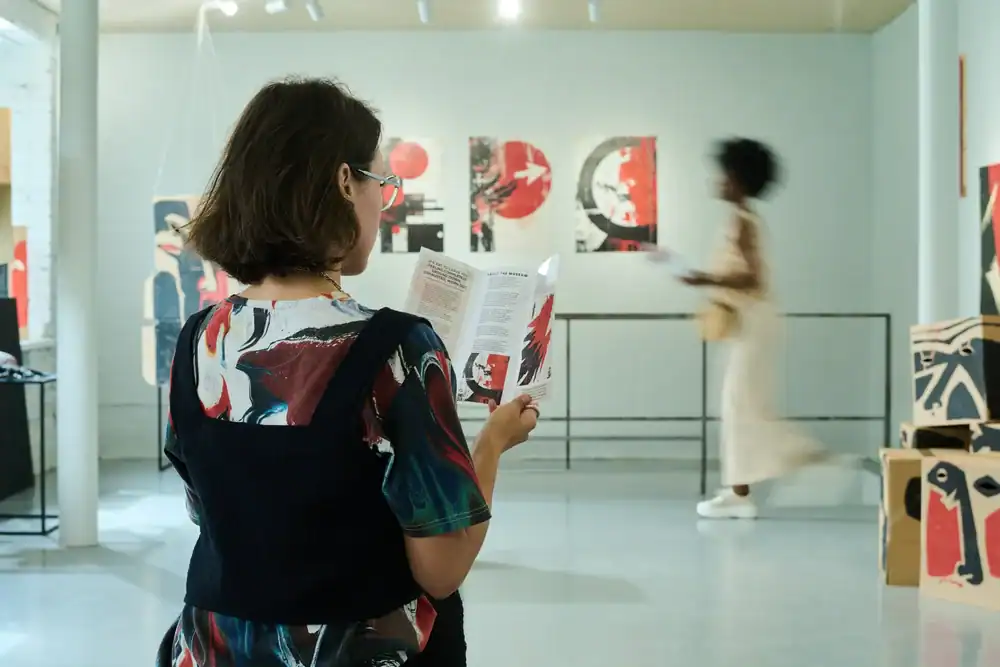
Gallery hopping traditionally means visiting multiple art galleries in one outing, usually in neighborhoods like Chelsea or Tribeca during Thursday evening openings. You’d walk from space to space, sipping wine, viewing exhibitions, and soaking in the art scene.
Now picture that experience, but without the intimidation factor. Without the pressure to understand every piece or dress a certain way. That’s what’s happening at local art gallery cafes across NYC in 2026.
Coffee shops are becoming legitimate gallery spaces. We’re showcasing local and emerging artists on rotating schedules, creating exhibition-quality displays you can experience while getting your morning coffee or settling in with your laptop. The art isn’t an afterthought—it’s curated, it changes regularly, and it gives you an actual reason to come back.
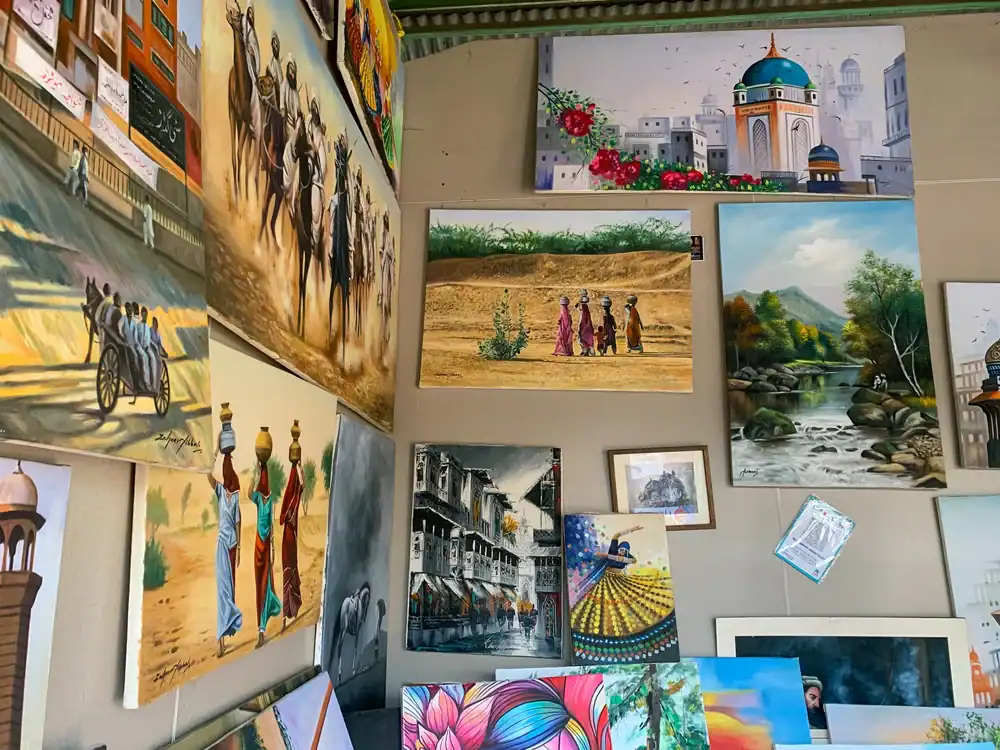
Walk into a community art space like ours and you’ll immediately notice the difference. The walls aren’t just decorated—they’re exhibiting. Paintings, photography, mixed media, sculpture. The work rotates monthly or quarterly, featuring local NYC artists who might not have access to traditional gallery representation.
You order your coffee the same way you would anywhere else. The difference is what happens next. You’re not rushed out. There’s comfortable seating designed for lingering. The lighting actually lets you see the artwork properly. And unlike traditional galleries where you might feel watched or judged, here you can take your time, come back to pieces, or simply enjoy them as backdrop to your conversation or work session.
Many art cafes host opening receptions for new exhibitions, creating that gallery opening experience but in a more approachable setting. You might meet the artist. You might not. Either way, you’re experiencing curated art without admission fees, without stuffiness, and without feeling like you need an art history degree to appreciate what you’re seeing.
The artists benefit too. They get exhibition space, foot traffic, and direct connection to potential buyers or supporters. The cafe becomes a legitimate platform for emerging talent, not just a place that happens to have some prints on the walls. This is especially valuable in 2026, when traditional gallery space in NYC remains prohibitively expensive for most working artists.
What makes this model work is the repeat visit factor. Traditional gallery hopping is often a one-time experience per exhibition. But when the gallery is also your coffee shop, you’re there regularly. You notice details you missed before. You see how different lighting changes a piece throughout the day. You overhear other patrons discussing the work. Art becomes part of your routine rather than a separate cultural obligation you schedule for someday.
Slow living is 2026’s defining lifestyle shift. After years of hustle culture, productivity optimization, and constant connectivity, people are choosing differently. They’re prioritizing presence over performance. Quality over quantity. Meaning over momentum.
Gallery hopping at your local coffee shop fits perfectly into this movement. You’re not adding another item to your to-do list. You’re enriching an activity you’re already doing. Getting coffee becomes an opportunity to experience art, connect with your community, and give yourself permission to pause.
This isn’t about being unproductive. It’s about being intentional. Maybe you’re working remotely from the cafe, but you take a five-minute break to really look at the exhibition. Maybe you’re meeting a friend for coffee, and the art gives you something to discuss beyond the usual small talk. Maybe you’re alone, and the space gives you room to think without the pressure to perform productivity.
The slow living coffee shop model recognizes something traditional cafes have forgotten: people need places to exist, not just consume. You need spaces where staying for two hours with one coffee isn’t met with passive-aggressive table-clearing. Where comfortable seating isn’t considered a liability because it might encourage lingering. Where the atmosphere says “you’re welcome here” instead of “keep moving.”
Third spaces like this are disappearing across NYC. Only 3.5% of Americans visit their favorite third place daily, and unstructured time with friends has dropped 60% among younger generations. Inflation, hostile architecture, and productivity culture have eroded the places where community naturally forms. Coffee shops that double as art galleries are pushing back against that trend. We’re creating environments where you can be bored together, which turns out to be the foundation of both creativity and community.
Supporting local artists is another key component of slow living. Instead of buying mass-produced art online, you’re discovering work from people in your community. You’re learning their stories. You’re participating in a local creative economy rather than feeding into yet another algorithm. That connection matters in ways that go beyond the transaction.
Want live answers?
Connect with a The Café Galerie expert for fast, friendly support.
New Yorkers drink 6.7 times more coffee than people in any other US city. Coffee here isn’t a luxury—it’s fuel, ritual, and social currency. But the coffee shop landscape is evolving beyond just better beans and latte art.
In 2026, the best coffee shops in NYC understand we’re not just serving drinks. We’re serving a need for third spaces, for cultural access, for community anchors in neighborhoods where everything else is transient. The art gallery cafe model answers multiple needs simultaneously without feeling forced or chaotic.
You’re seeing this across neighborhoods. Spaces like Enoch’s Arts & Coffee in Hell’s Kitchen, Happy Medium on the Lower East Side, and Festival Cafe are creating models where coffee quality and art curation both matter. These aren’t cafes with some random prints on the walls. We’re legitimate cultural spaces that happen to serve exceptional coffee.
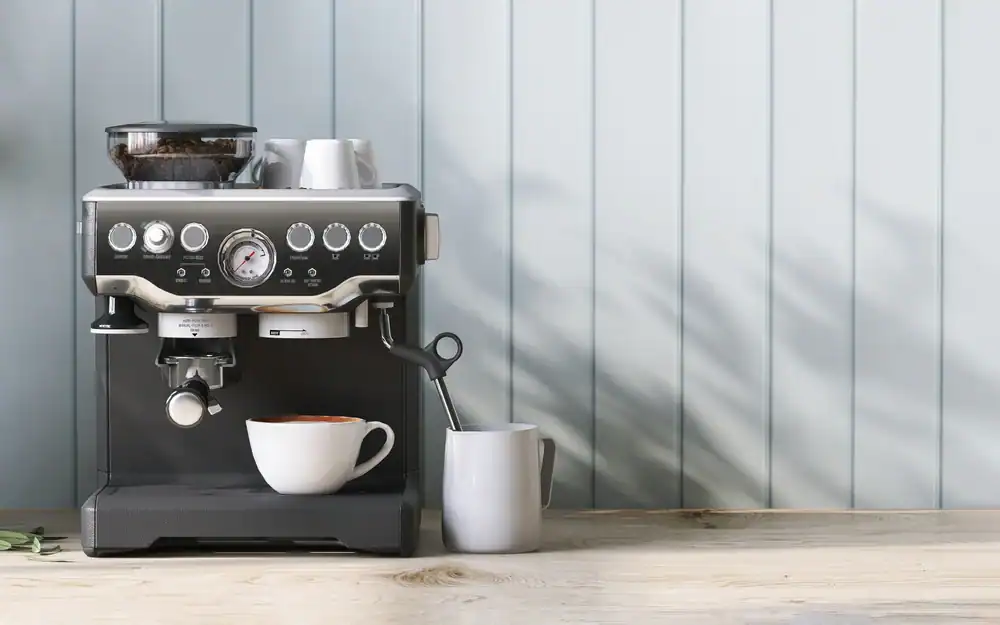
Not every coffee shop with art on the walls qualifies as a gallery cafe. The difference comes down to intention and execution. Great art gallery cafes share specific characteristics that separate them from places just trying to fill wall space.
First, the coffee itself has to be excellent. You’re in NYC, where specialty coffee roasters set national standards. If a cafe can’t tell you where their beans come from or how they’re prepared, that’s a red flag. The baristas should know the difference between brewing methods and care about extraction, temperature, and technique. The art might bring you in the first time, but the coffee quality determines whether you return.
Second, the art curation matters. Rotating exhibitions on a regular schedule signal that this is a real gallery space, not just decoration. The work should be exhibition-quality, properly lit, and presented with artist information. Ideally, the cafe has relationships with local artists, hosts opening receptions, and treats the exhibition program as seriously as the menu.
Third, the atmosphere has to support lingering. Comfortable seating that doesn’t punish your back after twenty minutes. Good lighting that works for both viewing art and reading or working. WiFi that actually functions. Most importantly, a vibe that says “you’re welcome to stay” rather than pushing turnover. The best community art spaces understand that our value isn’t just in transactions—it’s in providing space for humans to exist.
Fourth, community integration. The cafe should feel like part of the neighborhood fabric, not a corporate transplant following a formula. We remember regulars. We host events beyond just art openings—maybe music, readings, community meetings. We create an environment where you might run into your neighbor, discover a new artist, or overhear a conversation that sparks an idea.
Finally, accessibility without pretension. Traditional galleries can feel intimidating if you’re not part of that world. There’s often an unspoken pressure to appreciate correctly, understand context, or potentially buy something. Art gallery cafes remove those barriers. You can experience the art while doing something as ordinary as drinking coffee. No one’s judging your level of art knowledge or expecting you to perform appreciation. The art is there for whoever wants to engage with it, however they want to engage with it.
Every time you visit a local art gallery cafe, you’re participating in a creative economy that supports working artists. This matters more than you might realize, especially in a city where studio space and exhibition opportunities remain scarce and expensive.
For emerging artists, getting work shown in traditional NYC galleries is incredibly difficult. The competition is fierce, the costs are high, and the barriers to entry favor those with existing connections or resources. Coffee shop galleries provide an alternative path. Artists get legitimate exhibition space with actual foot traffic. Their work is seen by hundreds or thousands of people who might never visit a traditional gallery.
The business model benefits everyone. Artists often receive 60% or more of sales made through the cafe, compared to the standard 50% gallery split. The cafe gets rotating art that keeps the space fresh and gives regulars reasons to return. Customers get free access to curated art and the satisfaction of supporting local creatives.
But the value goes beyond economics. When you see an artist’s work regularly, when you watch how different lighting changes a painting throughout the day, when you overhear other patrons discussing a piece—you’re developing a relationship with that art. You’re learning to see differently. And if you eventually purchase something, it’s not an impulsive online buy. It’s a considered decision based on genuine connection.
Community art spaces also create opportunities for conversation and discovery. You might strike up a discussion with a stranger about a piece you both noticed. You might learn something about technique or inspiration from an artist statement. You might discover a whole genre of art you’d never encountered before, simply because it was there in your regular coffee spot rather than hidden in a gallery you’d never think to visit.
This model also addresses a larger issue: the disappearance of accessible cultural experiences in NYC. Museum admissions keep rising. Gallery districts gentrify and push out the very communities they claim to serve. Public art funding remains inconsistent. Coffee shop galleries provide free cultural access in neighborhood settings, democratizing art appreciation in ways that benefit both artists and communities.
Gallery hopping at coffee shops isn’t about adding more to your schedule. It’s about enriching what you’re already doing. Start with your neighborhood. Look for cafes that feature rotating exhibitions, not just permanent decoration. Check their social media for exhibition schedules and opening receptions.
Visit during different times of day. Morning light hits artwork differently than afternoon or evening. You’ll notice details you missed before. You’ll see how the space functions—whether it truly welcomes lingering or just tolerates it.
Talk to the baristas. Ask about the current exhibition, how often they rotate, and how they select artists. Their answers will tell you whether the art program is genuine or superficial. The best community art spaces have staff who can speak knowledgeably about the work on display.
Make it a routine, not a special occasion. That’s the real shift happening in 2026. Cultural experiences don’t have to be separate from daily life. Your coffee run can include art appreciation. Your work session can happen surrounded by curated exhibitions. Your casual meetup with friends can include discovering a new artist together.
If you’re looking for a space that takes both coffee and art seriously, we offer exactly this experience—specialty coffee, rotating local artist exhibitions, and a genuine third space where you’re welcome to linger, work, or simply be present with quality and culture around you.
Summary:
Share: