The Café Galerie merges specialty coffee with rotating art exhibitions in Greenwich Village, creating a space where your morning routine and creative inspiration coexist naturally.
Not every coffee shop deserves a spot in your routine. You’ve tried enough mediocre lattes and sat in enough uncomfortable chairs to know the difference between a place that cares and one that’s just occupying real estate.
Location matters. If you’re near Washington Square Park or navigating the Village streets, you want something convenient. But convenience means nothing if the coffee tastes like it was brewed three hours ago or the barista acts like your order is an inconvenience.
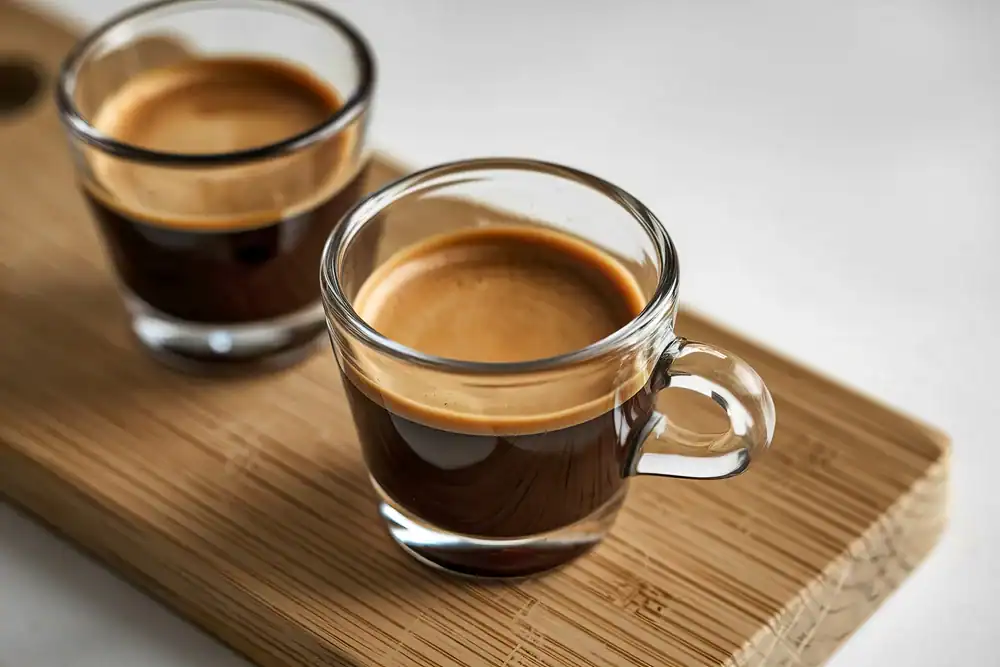
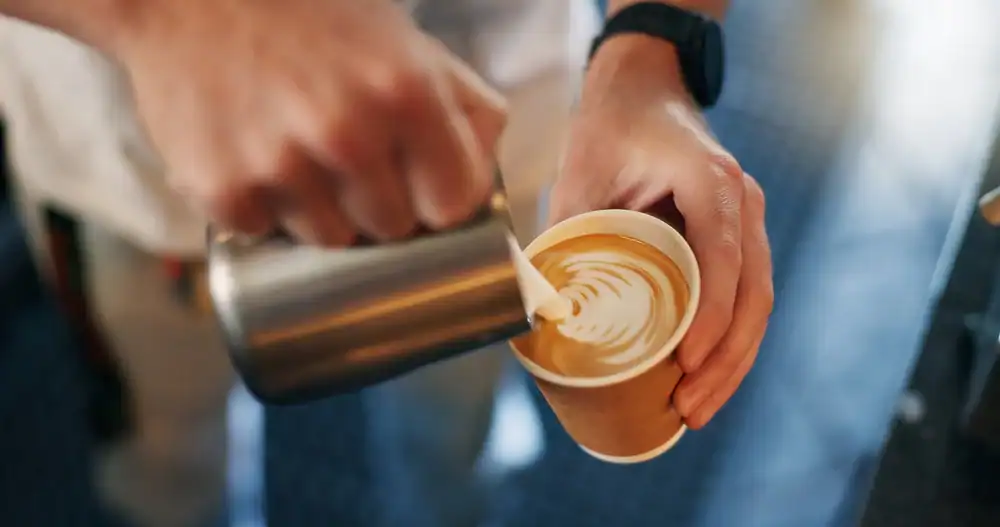
Quality is non-negotiable. Independent coffee shops in NYC are growing faster than chains for a reason—people are choosing local because they’re tired of inconsistency dressed up as efficiency. You want a place where the espresso bar actually knows what it’s doing, where the beans are sourced with intention, and where your drink tastes the same every time you order it.
Here’s what most coffee shops get wrong: they think atmosphere is about Edison bulbs and reclaimed wood. It’s not. Atmosphere is about whether a space makes you want to stay or makes you feel like you’re taking up someone else’s spot.
The artistic atmosphere at The Café Galerie isn’t decoration—it’s function. When you’re staring at your laptop for the third hour or waiting for a friend who’s running late, having something real to look at changes the experience. Not Instagram-ready wall art that every other cafe in Manhattan has. Actual rotating exhibitions from artists who are part of this neighborhood’s creative fabric.
This matters more than you might think for your morning coffee routine. Most New Yorkers drink coffee for the energy boost, sure. Over 40% have coffee every day, and 60% of those people have more than one cup. That’s not just about caffeine. That’s about ritual. About finding a place that fits into your day without fighting against it.
An art gallery cafe hybrid works because it removes the pressure. You’re not walking into a gallery where you’re supposed to understand the context or feel cultured. You’re getting your coffee. The art is there if you want to engage with it, or it’s just a better view than staring at a blank wall.
Remote work has reshaped how people use coffee shops. Afternoon and evening sales are growing fast because the 9-to-5 doesn’t exist the way it used to. You need a place that works at 7 AM and at 3 PM. Where the WiFi doesn’t cut out during a Zoom call and where you don’t feel guilty about staying past your first drink. That’s what makes the artistic atmosphere more than aesthetic—it’s about creating a third place people actually want to be in, for as long as they need to be there.
Let’s be direct. Corporate chains aren’t evil, but they’re optimized for scale, not for you. Every decision—from the lighting to the music to how long you’re expected to stay—is calculated to move product and flip tables. That’s fine if you just need caffeine and don’t care about anything else.
But if you’re choosing where to spend your mornings, the difference matters. Independent coffee shops are growing at 3.2% annually, outpacing Starbucks’ domestic growth. That’s not an accident. People are actively choosing local because $68 of every $100 spent at independent shops stays in the community, compared to $43 at chains. You’re not just buying coffee—you’re deciding what kind of neighborhood you want to live in.
Here’s what that looks like in practice. At an independent espresso bar in Greenwich Village, the barista might remember your name. Not because they’re required to for customer service metrics, but because you’re actually a regular and they see you three times a week. The space feels like it belongs to the neighborhood because it does. The art on the walls is from local artists, not corporate-approved prints shipped from a warehouse.
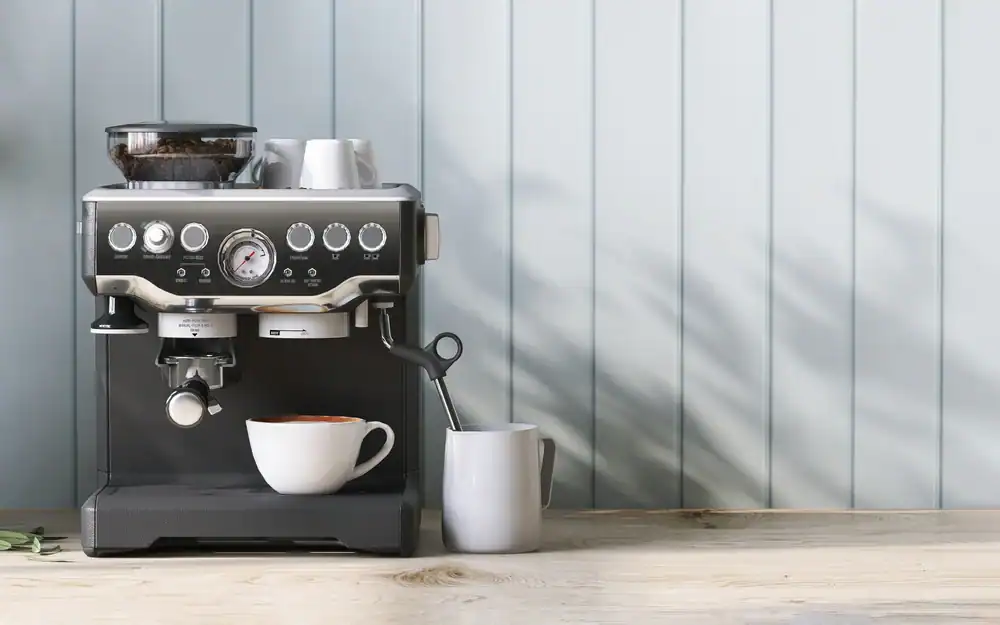
The coffee itself is different too. Chains optimize for consistency across thousands of locations, which means they optimize for mediocrity. Independent shops can source better beans, dial in their espresso machines for specific roasts, and actually care whether your cortado is balanced or just caffeinated milk. The average ticket at independent coffee shops is $8.47, up from $7.82 last year. People are willing to pay more when the quality and experience justify it.
This isn’t about being snobby or anti-chain. It’s about acknowledging that the third place—that spot between home and work where you actually want to spend time—works better when it’s built for community instead of quarterly earnings. Greenwich Village has always understood this. The neighborhood’s coffee culture grew from places like Caffè Reggio, which opened in 1927 and became a cornerstone for artists and writers. That legacy continues in spaces that prioritize people over efficiency.
Want live answers?
Connect with a The Café Galerie expert for fast, friendly support.
Remote work didn’t just change where people work—it changed what they need from a coffee shop. You’re not just grabbing a quick cup before heading to an office. You’re setting up for two hours, or four, or maybe the whole afternoon. Your laptop is out, your charger is plugged in, and you need the WiFi to actually work.
Most coffee shops weren’t designed for this. They were built for the grab-and-go crowd, for quick meetings, for people who’d be gone in 20 minutes. Now you’re there for half the day, and the dynamic is different. Some places handle it well. Others make you feel like you’re overstaying your welcome after your first drink.
The best coffee shops for remote work in Greenwich Village understand the balance. Yes, you need a table and an outlet and reliable internet. But you also need to not feel like a burden. Spaces that work are the ones that build their model around longer stays, that price their drinks knowing people will camp out, and that create an environment where working for hours feels natural instead of awkward.
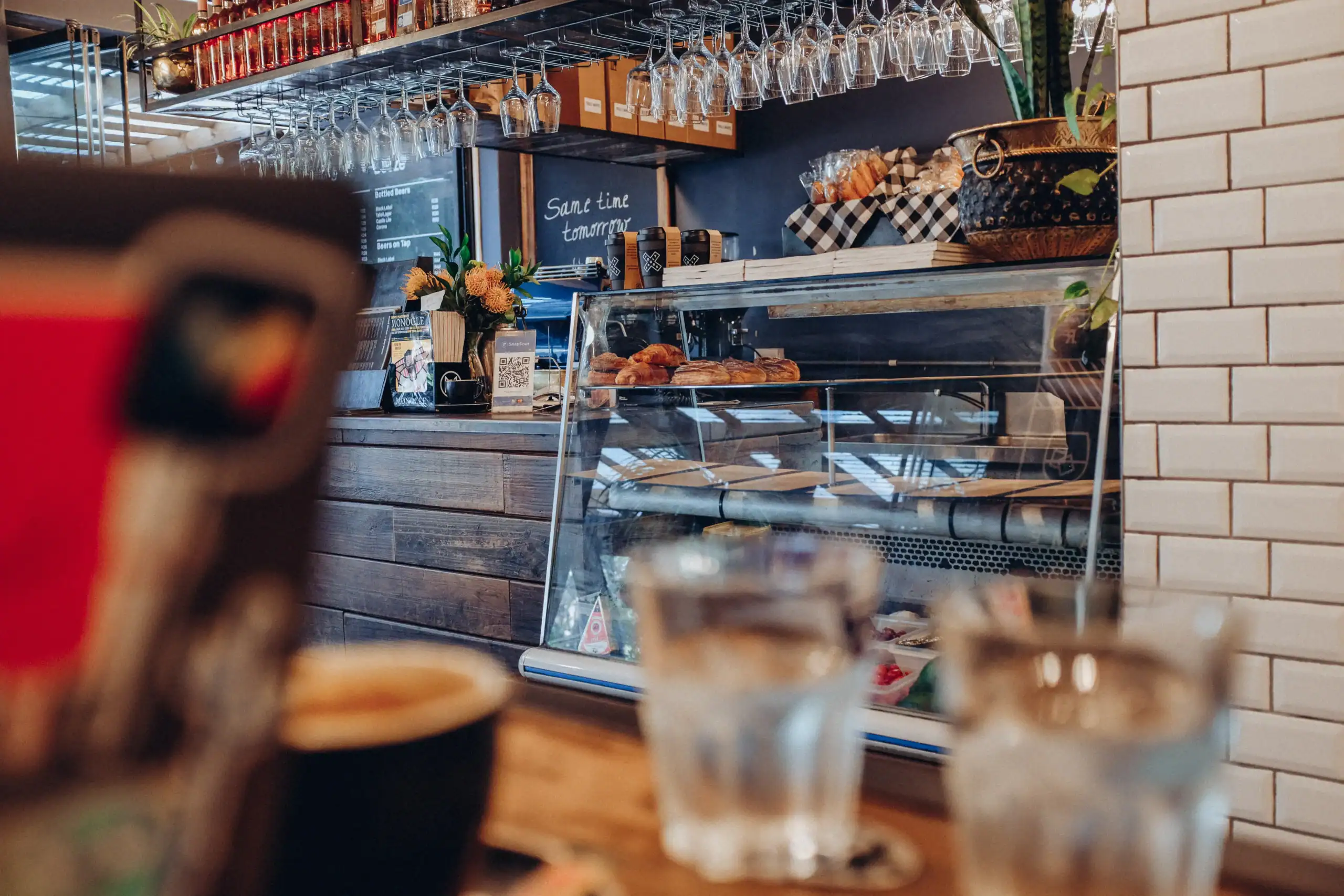
“Laptop-friendly” gets thrown around a lot. But what does it actually mean when you’re trying to work from a cafe near Washington Square Park?
First, the practical stuff. You need WiFi that doesn’t drop every 15 minutes. You need enough outlets that you’re not playing musical chairs trying to find one. You need a table that’s big enough for your laptop and your coffee without feeling like you’re going to knock something over every time you move.
But the real test is whether the space wants you there. Some cafes technically allow laptops but make it clear through their setup—tiny tables, uncomfortable seating, aggressive music—that they’d prefer you didn’t stay long. Others design for it. They have larger tables, mix seating options so you can choose based on your work style, and create an acoustic environment where you can take a call without feeling like you’re disrupting everyone.
The artistic atmosphere helps here too, in ways that aren’t obvious until you’re actually working. When you look up from your screen to rest your eyes, having something interesting to see makes a difference. Not a TV playing news on mute. Not a wall of generic prints. Actual art that changes regularly, that gives you something to think about besides the email you’re drafting.
Timing matters too. The morning coffee routine crowd is different from afternoon remote workers. The best spots understand this rhythm and adjust. Early morning might be optimized for quick service and grab-and-go efficiency. By mid-morning, the pace shifts to accommodate people settling in for longer sessions. This isn’t about having separate spaces—it’s about designing one space that can flex based on what people actually need at different times of day.
Greenwich Village has always attracted creative professionals, freelancers, and people whose work doesn’t fit into traditional office structures. The neighborhood’s coffee shops evolved to serve this reality. You’re not an anomaly for wanting to work from a cafe—you’re part of a long tradition of people who’ve used these spaces as offices, studios, and creative labs. The places that thrive are the ones that embrace this instead of fighting it.
Location isn’t just about convenience—it’s about context. Being near Washington Square Park puts you in the geographic and cultural center of Greenwich Village. This matters more than just being close to a landmark.
The park brings a constant flow of people—students from NYU, tourists exploring the Village, locals walking dogs, street performers, chess players. That energy feeds into the neighborhood’s coffee shops. You’re not in some isolated pocket of the city. You’re in a place where things are happening, where the mix of people creates the kind of atmosphere you can’t manufacture.
For your morning coffee routine, this location works because it fits naturally into multiple kinds of days. Maybe you’re starting with coffee before walking through the park. Maybe you’re ending a park visit with an afternoon espresso. Maybe you’re meeting someone and the park is the landmark everyone knows. The proximity makes the coffee shop part of the neighborhood’s rhythm instead of a destination you have to go out of your way to reach.
This also affects the kind of place we can be. You’re drawing from a diverse crowd—not just one demographic or one use case. That diversity keeps the space interesting and prevents it from becoming too insular or too focused on one type of customer. Students working on papers sit next to freelancers taking client calls sit next to couples having a quiet conversation. That mix is what makes a third place actually function as a community space.
The art gallery component makes even more sense in this context. Greenwich Village has always been an arts neighborhood. Washington Square Park itself has been a gathering place for artists and performers for decades. Having a cafe that integrates art isn’t trying to force something artificial—it’s responding to what the neighborhood already is. You’re not visiting an art gallery that happens to serve coffee. You’re visiting a coffee shop that takes seriously the creative culture it’s part of.
Your morning coffee routine should be the easiest part of your day. Not a gamble on whether the coffee will be good or the space will have a table or the barista will get your order right. Just a reliable start that sets the tone for everything else.
That’s what we’re building at The Café Galerie. A space where the espresso is consistent, the atmosphere supports whatever you need from it, and the experience feels like it’s designed for actual humans instead of for maximizing efficiency metrics. Where you can work for three hours without feeling guilty, or grab a quick coffee and be out in five minutes, and both approaches are equally welcome.
The art gallery element isn’t a gimmick—it’s an acknowledgment that coffee shops serve a bigger purpose than just caffeine delivery. They’re third places. Community hubs. Spaces where you can slow down, look around, and remember that not everything in the city has to be rushed or transactional. Come see what we mean. We’re here when you need us, whether that’s 7 AM or 7 PM, whether you’re staying for ten minutes or three hours.
Summary:
Share: