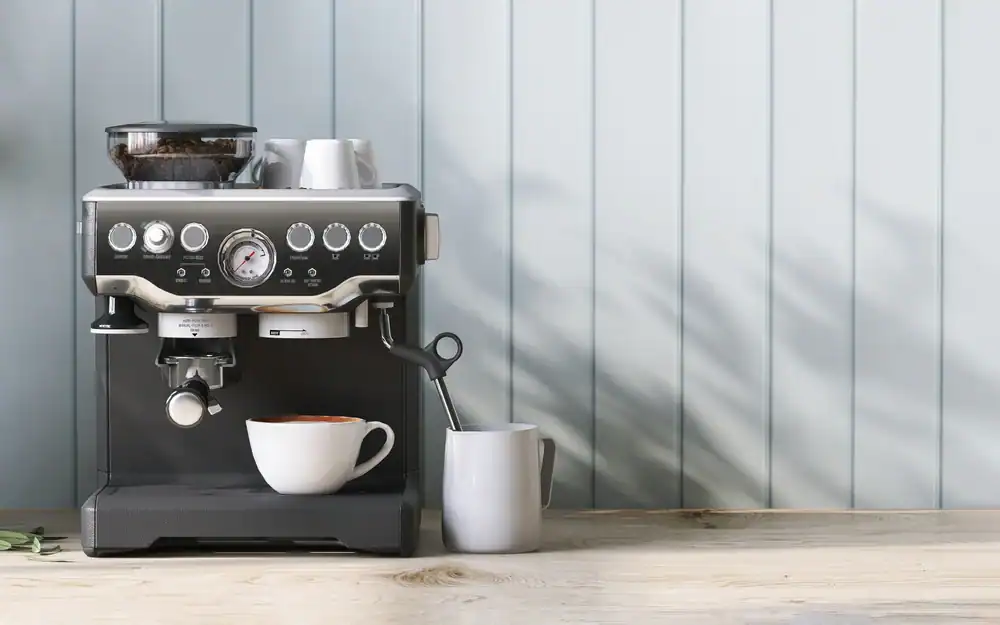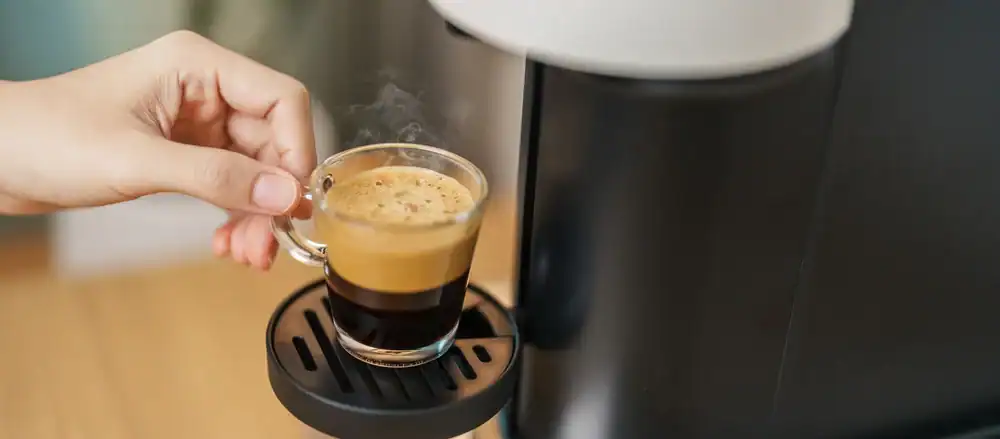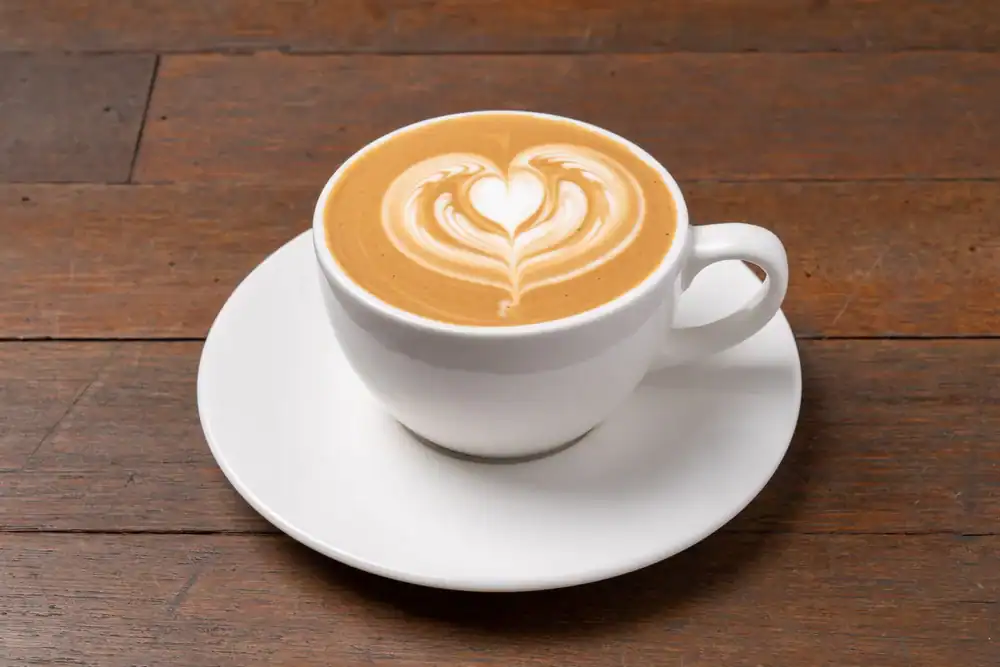
The modern coffee shop is evolving. In NYC, spaces like art cafes are merging specialty coffee with rotating exhibitions, creating third places where culture and caffeine converge.
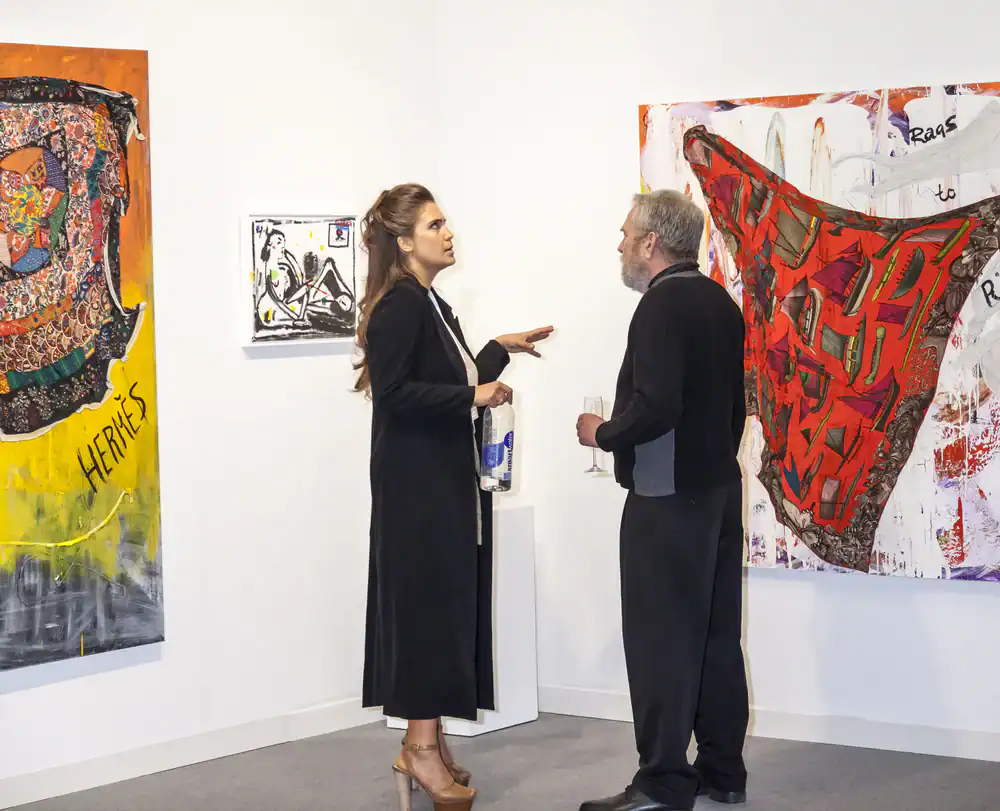
The hybrid model works because it removes barriers. Traditional art galleries can feel intimidating if you’re not part of that world. There’s pressure to appreciate, understand context, maybe even buy something.
Add coffee to the equation and suddenly the barrier drops. You’re not there just to look at art—you’re there for your morning routine. The art becomes a bonus, not a requirement.
This is why art cafes are having a moment in New York. Spaces that double as galleries meet people where they are. Maybe you came in for an oat milk latte and left with a print from a local artist. Maybe you needed a quiet workspace and ended up having a conversation about the exhibition on the walls. The accessibility is what makes it powerful.
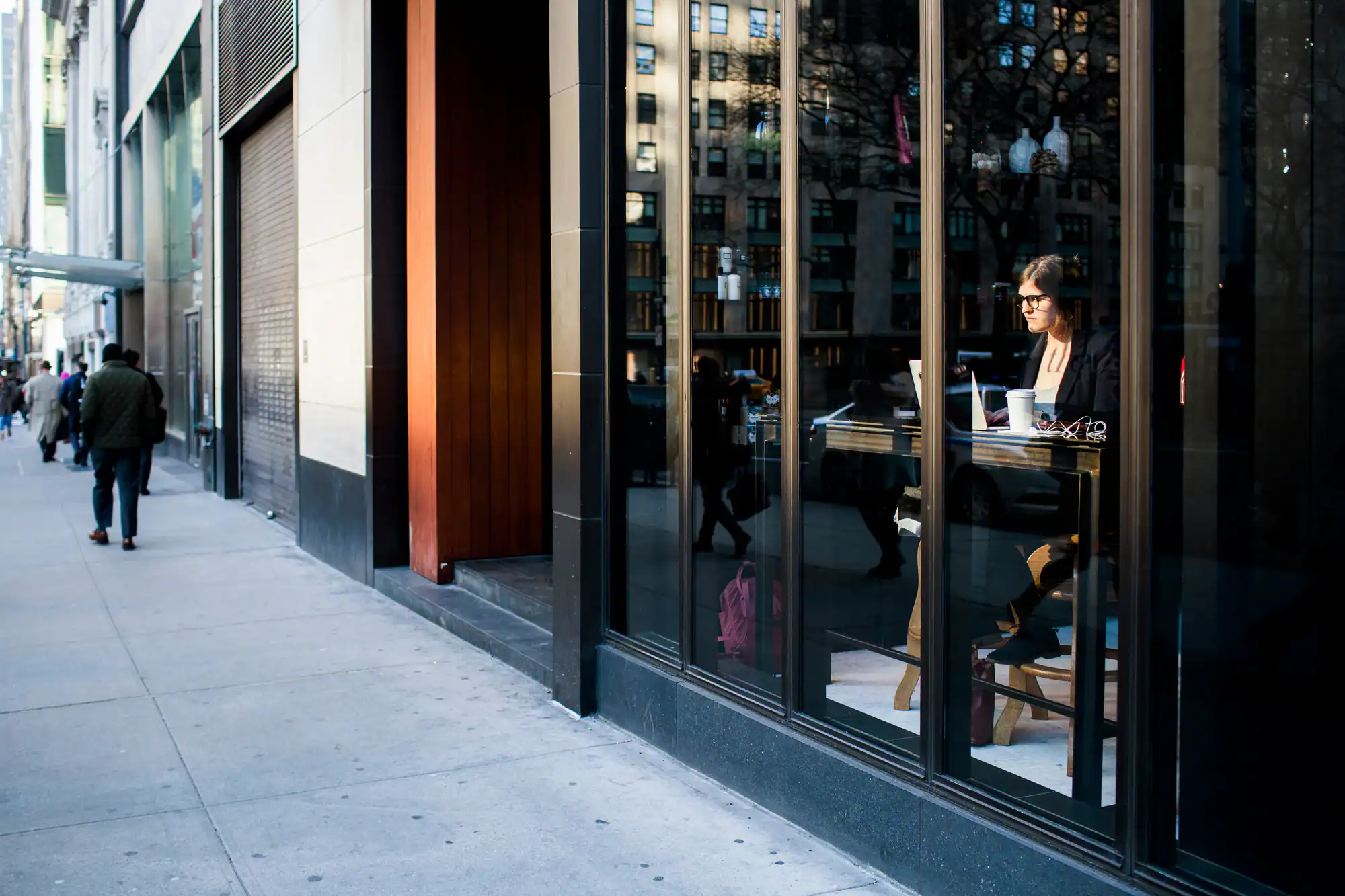
Monthly rotating exhibitions give coffee shops an ever-changing visual identity. You visit in January and see abstract work from a Brooklyn painter. You come back in February and discover photography documenting Queens’ cultural evolution. The space stays familiar but never stagnant.
For artists, this model is a lifeline. Gallery rents in NYC are astronomical. Getting your work seen typically requires connections, money, or both. But when a coffee shop offers wall space to local creators, it democratizes the process.
Suddenly, your art is in front of hundreds of people a day—people who might not have walked into a traditional gallery but will absolutely notice a striking piece while waiting for their cortado. It’s exposure without the markup, sales opportunities without the gallery commission, and a chance to connect directly with the community.
For you as a customer, rotating exhibitions mean there’s always something new to discover. The coffee shop becomes a place you return to not just for caffeine, but because the environment itself evolves. You’re not walking into the same sterile space every morning. You’re walking into a curated experience that respects your intelligence and feeds your curiosity.
This is what separates an art cafe from a corporate chain. One treats art as decoration. The other treats it as an integral part of the experience—something that makes the space feel alive, intentional, and worth your time.
Coffee shops appeal to a wider audience than galleries ever could. Art galleries often have peculiar hours, cater to specific crowds, or demand entrance fees. Coffee shops, on the other hand, welcome everyone. Free access. Daily foot traffic. No pretension required.
For emerging artists, this matters. Showcasing work in a coffee shop means your pieces get seen by people from all walks of life—not just collectors or art world insiders. Students grabbing coffee before class. Professionals taking meetings. Freelancers camping out with laptops. Tourists exploring the neighborhood. All of them become potential buyers, or at minimum, people who engage with your work.
The commission structure is often more favorable too. Traditional galleries can take 40-50% of sale prices. Coffee shops typically take a smaller percentage or none at all, letting artists keep more of what they earn. We facilitate direct relationships between artists and buyers without taking a cut, keeping prices accessible while supporting the local creative community.
There’s also the matter of atmosphere. Coffee shops that showcase art tend to attract creative crowds—writers, designers, musicians, other artists. These become natural networking environments. Conversations spark. Collaborations form. You’re not just displaying work; you’re embedding yourself in a community of people who value creativity.
And let’s not ignore the practical side. Many coffee shops handle the logistics—hanging systems, lighting, artist statements displayed beside pieces. Some even host artist receptions or spotlights, giving creators a chance to meet their audience face-to-face. It’s a low-barrier entry point for artists just starting out and a sustainable model for established creators looking to reach new audiences.
The result? A win for everyone. Artists get exposure and sales. Coffee shops get a changing, stimulating environment for customers. And you get an environment that stimulates your brain instead of numbing it.
Want live answers?
Connect with a The Café Galerie expert for fast, friendly support.
Third spaces—places between home and work where you can exist without an agenda—are disappearing in NYC. Every square foot is monetized. Public spaces shrink. The city that never sleeps ironically offers fewer places to just be.
Coffee shops are filling that gap. Not all of them, but the ones that get it. The ones that understand you’re not just buying caffeine. You’re buying a place to breathe, think, work, or connect with other humans in a city that can feel isolating despite housing 8.6 million people.
This is what the 2026 aesthetic is really about. Spaces that serve multiple purposes without feeling chaotic. A coffee shop that’s also a gallery, a workspace, a community hub, and a meeting place. Intentional design that says “you’re welcome to stay” instead of rushing you out the door the second you finish your drink.
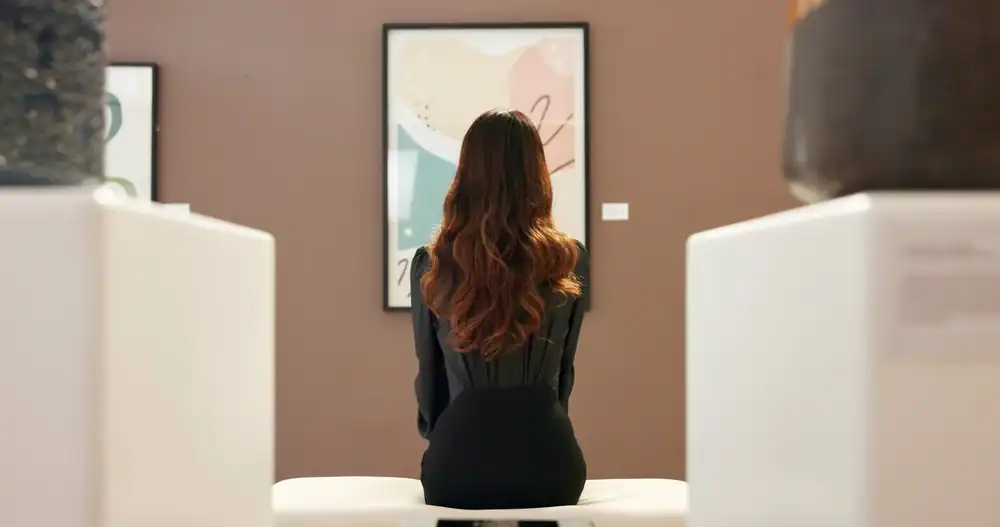
New Yorkers drink 6.7 times more coffee than people in any other US city. That’s not coincidence—it’s survival. Coffee here isn’t a luxury; it’s fuel, ritual, and social currency all in one.
But here’s what’s changed: people got smarter. They started asking questions. Where are these beans from? How are they roasted? What makes this cup different from the bodega on the corner? The coffee shops that couldn’t answer those questions didn’t last.
Today’s cafe-goers in NYC aren’t just looking for caffeine. They’re looking for an experience that respects their time, their taste, and their intelligence. They want spaces that feel intentional—where the lighting, seating, music, and yes, the art on the walls all contribute to something cohesive. Something that feels less like a transaction and more like a moment you actually want to be in.
This is why specialty coffee consumption has exploded. Forty-six percent of American adults had specialty coffee in the past day—up 84% since 2011. People want quality. They want transparency about bean origin. They want baristas who know what they’re doing. Third-wave coffee shops changed the game by treating coffee like the craft it is.
And when that coffee shop also happens to showcase local art? That’s when it becomes something worth coming back to. Not because you’re addicted to caffeine (though let’s be honest, you probably are), but because it’s one of the few places in this city where you can actually breathe.
Community doesn’t happen by accident. It requires intention. It requires seeing your space as more than a business and more like a neighborhood anchor.
The best coffee shops in NYC host events. Open mic nights. Art shows. Book clubs. Pop-up markets. They give local creators a platform. They create opportunities for people to interact beyond the transactional. Artist spotlights—where creators are featured monthly with receptions, Q&As, or informal meet-and-greets—turn casual coffee drinkers into engaged community members.
This is what separates a good coffee shop from an essential one. When you host programming that brings people together, you’re not just serving coffee. You’re building something. You’re creating a space where you run into your neighbor, discover a new artist, overhear a conversation that sparks an idea. Where the city feels a little less overwhelming and a little more human.
Coffee shops have always been more than places to grab drinks. They’re where intellectuals gathered in the early 1900s to debate ideas. Where freelancers built entire careers before coworking spaces existed. Where neighborhoods come together, even when everything else is pushing people apart.
In 2026, that community function is more important than ever. People are craving connection in a city that can feel isolating despite being packed with millions of other humans. They want spaces where they can strike up a conversation with a stranger, or just sit near other people without the pressure to perform.
Artist spotlights facilitate this. When you attend an artist reception at a coffee shop, you’re not just looking at art. You’re meeting the person who made it. You’re hearing their story. You’re connecting with other attendees who share your interest. These moments create bonds—between you and the artist, between you and other community members, between you and the space itself.
That’s the magic of the art cafe model. It’s not just about aesthetics. It’s about creating an environment where culture, creativity, and human connection can flourish over a perfectly pulled espresso.
The 2026 aesthetic isn’t about following trends. It’s about creating spaces that serve real human needs—for quality coffee, cultural enrichment, community connection, and a place to exist between the chaos of home and work.
Coffee shops that double as art galleries understand this. We know you’re not just buying a drink. You’re buying an experience, a moment of inspiration, maybe even a piece of art that speaks to you. We’re building environments that respect your intelligence, feed your curiosity, and give you reasons to return beyond caffeine dependency.
If you’re tired of corporate chains and sterile spaces, if you want your morning coffee to come with a side of inspiration, we’re redefining what coffee culture can be in New York. Come for the speciality coffee. Stay for the rotating exhibitions, the artist spotlights, and the kind of atmosphere you can’t replicate at home or in a WeWork.
Summary:
Share: