NYC's art cafe scene is redefining third spaces—where specialty coffee meets rotating local exhibitions, artist spotlights, and genuine community connection beyond the transaction.
Walk into most cafes in NYC and you’ll get the same thing. A menu board. A line. A transaction. You order, you pay, you leave. Maybe you find a seat if you’re lucky. But that’s not what you’re after.
You’re looking for a third space—somewhere between home and work where you can actually exist without an agenda. A place that feels like it was designed for humans, not just foot traffic. New Yorkers drink 6.7 times more coffee than people in any other US city. That’s not coincidence—it’s survival. Coffee here isn’t a luxury. It’s fuel, ritual, and social currency all in one.
The best coffee shops in New York understand this. We know you’re not just buying a drink. You’re buying an experience, a vibe, maybe even a few minutes of peace in a city that never stops moving. And when that coffee shop also happens to showcase local art? That’s when it becomes something worth coming back to.
There’s a reason art gallery cafes are having a moment in NYC. It’s not a gimmick. It’s a response to what people actually want: spaces that serve multiple purposes without feeling chaotic or unfocused.
Think about it. You walk into a traditional art gallery and there’s a certain pressure. You’re supposed to appreciate the work, understand the context, maybe even buy something. It can feel intimidating if you’re not part of that world.
But add coffee to the equation and suddenly the barrier drops. You’re not just there to look at art—you’re there for your morning routine. The art becomes a bonus, not a requirement. This hybrid model works because it meets people where they are.
Maybe you came in for an oat milk latte and left with a print from a local artist. Maybe you needed a quiet place to work and ended up having a conversation about the exhibition on the walls. Maybe you just wanted to sit somewhere that didn’t feel like every other corporate cafe in Midtown.
Gallery rents in New York are astronomical. Getting your work seen requires connections, money, or both. But when we offer wall space to local creators, it democratizes the process. Suddenly, your art is in front of hundreds of people a day—people who might not have walked into a traditional gallery but who will absolutely notice a striking piece while waiting for their cortado.
It’s a win for everyone. We get an ever-changing visual identity that keeps the space fresh. The artists get exposure and potential sales. And you? You get an environment that actually stimulates your brain instead of numbing it. The NYC streets have always been a source of inspiration—graffiti, architecture, the way light hits a fire escape at 7am. When we bring that same creative energy indoors, we’re channeling something essential about what makes this city work.
The best part about art cafes in NYC isn’t just that we display work—it’s that we create genuine opportunities for local artists to connect with their community. Monthly artist spotlights transform casual coffee drinkers into collectors, patrons, and supporters of the creative ecosystem that makes this city what it is.
Here’s how it typically works. Each month, a new artist or collective takes over the wall space. Their work becomes part of your daily routine—something you see while grabbing your morning coffee, something that catches your eye during an afternoon work session. Unlike traditional galleries where you might visit once, art in our cafes becomes part of the rhythm of your week.
We host opening receptions and artist talks, giving you the chance to meet the creators behind the work. You can ask about their process, understand their inspiration, even commission custom pieces. There’s no gallery markup, no intimidating sales pitch. Just direct relationships between you and the artists shaping your community’s creative landscape.
This model has helped launch careers. Pieces that started on our walls now hang in homes throughout Queens and Manhattan. Regular customers have become collectors, following artists from their first showing through gallery representation. The community connection runs deep—deeper than most people realize when they first walk in for a latte.
For neighborhoods like Forest Hills, Prospect Heights, and Ozone Park, this programming fills a real gap. These areas have highly educated professionals with disposable income and appreciation for culture. They deserve venues that match their sophisticated tastes without requiring a trip into Manhattan. Our monthly artist spotlights provide regular cultural programming that respects both your time and your intelligence.
The rotating nature keeps things fresh. One month you might discover vibrant abstract work from a Flushing painter. The next, you’re captivated by detailed photography documenting Queens’ cultural evolution. The art changes, but the experience stays consistent: quality work, fair prices, and authentic connections between you and the people creating it.
Want live answers?
Connect with a The Café Galerie expert for fast, friendly support.
Not every coffee shop in Manhattan deserves your time or money. Here’s what separates the good from the forgettable.
First, the coffee itself has to hold up. You’re in a city with some of the best specialty coffee roasters in the country. If a cafe can’t tell you where their beans come from or how they’re brewed, that’s a red flag. You want places that take coffee seriously—where the baristas know the difference between a flat white and a latte, and where the espresso doesn’t taste like it’s been sitting in the machine since yesterday.
Second, the atmosphere matters. Comfortable seating that doesn’t punish your back after 20 minutes. Good lighting that doesn’t give you a headache. WiFi that actually works. And most importantly, a vibe that says “you’re welcome to stay.” The best cafes in NYC aren’t just serving coffee—we’re building something. We host events. We showcase local artists. We create environments where regulars feel like regulars, not just transaction numbers.
Third-wave coffee shops changed the game by treating coffee like the craft it is. Single-origin beans, precise brewing methods, ethical sourcing—these aren’t buzzwords anymore. They’re baseline expectations. And when you’re paying $6 for a latte in Manhattan, you deserve to know it’s worth it.
The shift happened because consumers got smarter. They started asking questions. Where are these beans from? How are they roasted? What makes this cup different from the one at the bodega on the corner? The coffee shops that couldn’t answer those questions didn’t last.
Today’s cafe-goers in NYC aren’t just looking for caffeine. In 2026, there’s a continued shift toward ethically sourced beans, barista transparency, and diverse global flavors. Coffee shops are hosting local art shows, pop-ups, and live music—creating experiences that go beyond the drink itself.
The best specialty coffee spots understand that quality starts at origin. We work with roasters who have direct relationships with farmers. We can tell you not just where your beans came from, but who grew them, how they were processed, and why that matters for the flavor profile in your cup.
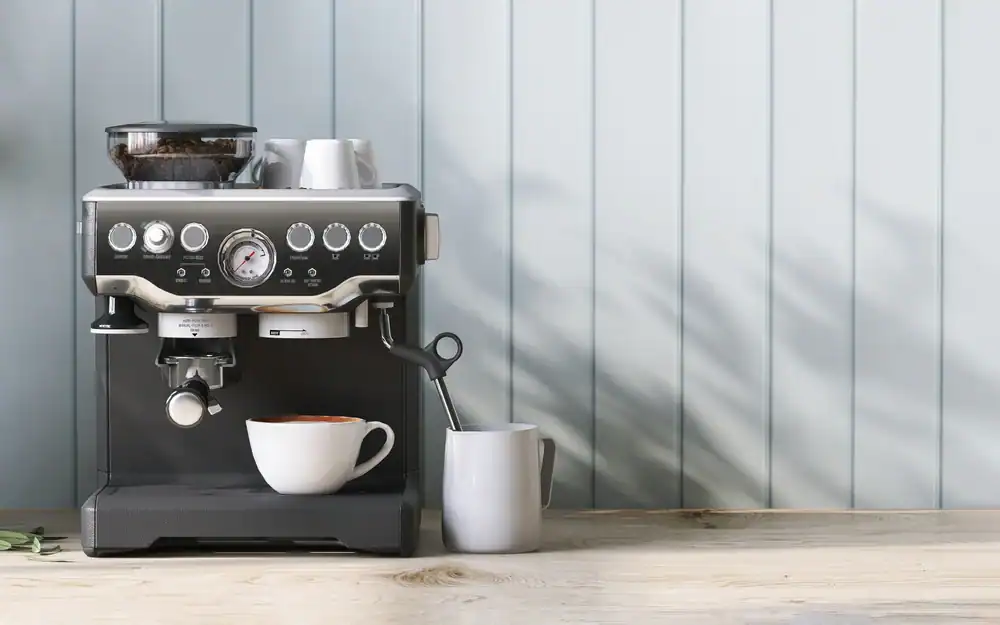
Brewing technique matters too. Pour-over methods highlight subtle flavor notes that get lost in rushed extraction. Espresso machines maintained at precise temperatures produce consistently excellent shots. Even the milk matters—how it’s steamed, how it’s textured, how it integrates with the espresso.
But here’s what really separates third-wave cafes from the rest: we don’t talk down to you. We educate without being pretentious. We’re passionate about coffee without making you feel stupid for not knowing the difference between natural and washed processing. We understand that our job is to make excellent coffee accessible, not to gatekeep knowledge.
This approach extends to the overall experience. Modern coffee shops are focusing on aesthetics, creating inviting environments with thoughtful interior design, comfortable seating, and natural lighting. These aren’t just places to grab a quick cup—they’re spaces designed for you to stay, work, think, and connect.
Coffee shops aren’t just for mornings anymore. The best art cafes in NYC have figured out how to extend their community function into evening hours, offering cultural programming that fills a real need in neighborhoods across the city.
Since the pandemic kept everyone cooped up in 2020, we’ve craved community, moving many home-based activities into shared spaces. With 74% of Gen Z valuing real-world experiences over digital ones, venues that offer evening alternatives to bars and clubs are thriving. Art cafes have become popular options for weekend nights, providing spaces for solo dates or friend gatherings without the pressure of drinking culture.
Evening programming varies by location and community needs. Open mic nights give local musicians, poets, and comedians a platform. Art show openings transform into social events where you can meet creators and other culture-minded neighbors. Book clubs, pop-up markets, and artist talks create reasons to return beyond your morning coffee routine.
This matters more than you might think. In a city where third spaces are disappearing and every square foot is monetized, finding places to simply exist without pressure is increasingly difficult. Coffee shops that transform into evening cultural venues serve a dual purpose—they’re your morning caffeine stop and your weekend social option, all without requiring you to spend $15 on cocktails you don’t want.
For neighborhoods outside Manhattan’s core, this programming is especially valuable. Prospect Heights residents near the Brooklyn Museum can catch live music steps from their apartment. Forest Hills professionals can attend artist talks without the commute into the city. Ozone Park families have access to cultural events that respect their schedules and budgets.
The evening cafe experience is different from the morning rush. The lighting shifts. The pace slows. The same space that hosted remote workers at 2pm becomes a gathering spot for community connection at 8pm. It’s the kind of versatility that makes these venues essential to neighborhood life—not just businesses, but genuine third spaces that anchor the social fabric of their communities.
Coffee shops in New York have always been more than just places to grab a drink. They’re where intellectuals gathered in the early 1900s to debate ideas. They’re where freelancers built entire careers before coworking spaces existed. They’re where neighborhoods come together, even when everything else is pushing people apart. In 2026, that community function is more important than ever.
When a coffee shop gets this right, it becomes irreplaceable. It’s not just where you get your morning latte—it’s where you run into your neighbor, discover a new artist, overhear a conversation that sparks an idea. It’s where the city feels a little less overwhelming and a little more human.
The best experiences in New York happen when you’re not looking for them. When you walk into a coffee shop expecting a quick caffeine hit and walk out with a new perspective, a business card from an artist whose work stopped you in your tracks, or just a better mood than you had 20 minutes ago. If you’re tired of generic coffee shops that treat you like a number, if you’re looking for a place that actually has a soul, if you want your morning routine to feel like more than just a transaction—then you’re looking for a space where art and coffee culture intersect. You’re looking for us at The Café Galerie.
Summary:
Share: