NYC's coffee-and-art scene just leveled up. Here's where aesthetic meets authenticity at Cafe Galerie—and why your feed (and your brain) will thank you for the visit.
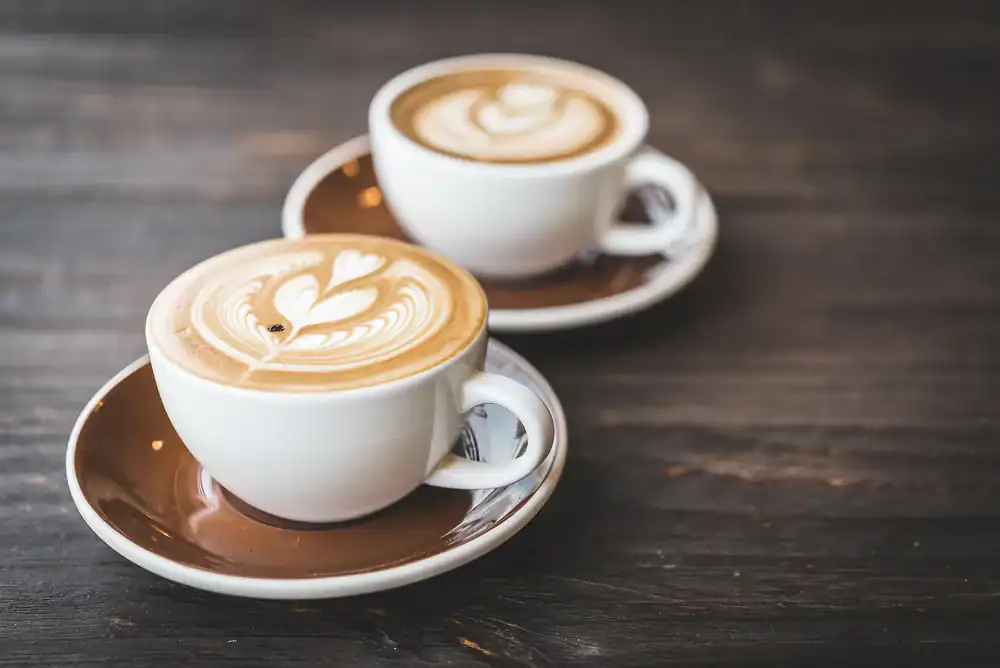
Instagrammable doesn’t mean gimmicky, and it definitely doesn’t mean sacrificing substance for aesthetics. It means the art holds your attention long enough that you want to capture it, share it, remember it beyond the four walls where you first saw it. In NYC, where 24% of people now search directly on Instagram instead of Google, your coffee shop visit doubles as content creation whether you planned it that way or not. But the best Instagrammable local art isn’t designed for likes—it just happens to photograph well because it’s visually compelling, technically strong, and emotionally resonant.
At Cafe Galerie, the art you’ll encounter spans bold abstracts, intimate figurative work, and documentary photography that tells hyperlocal stories. The lighting is intentional, not accidental. Natural light floods the space during morning hours, while warm ambient lighting takes over at night, shifting how you experience each piece depending on when you visit. The walls aren’t overcrowded with every piece we could fit. Each work gets space to breathe, which makes it easier to frame a clean shot without visual clutter competing for attention in your composition.
What separates aesthetic coffee shops from places that just happen to serve coffee near some art is curation with a point of view. You’re not looking at mass-produced prints or corporate-approved “art” that offends no one and inspires nothing. You’re seeing work from artists who live in Queens, Brooklyn, the Bronx—people whose studios are ten minutes away and whose opening receptions you can actually attend on first Friday evenings.
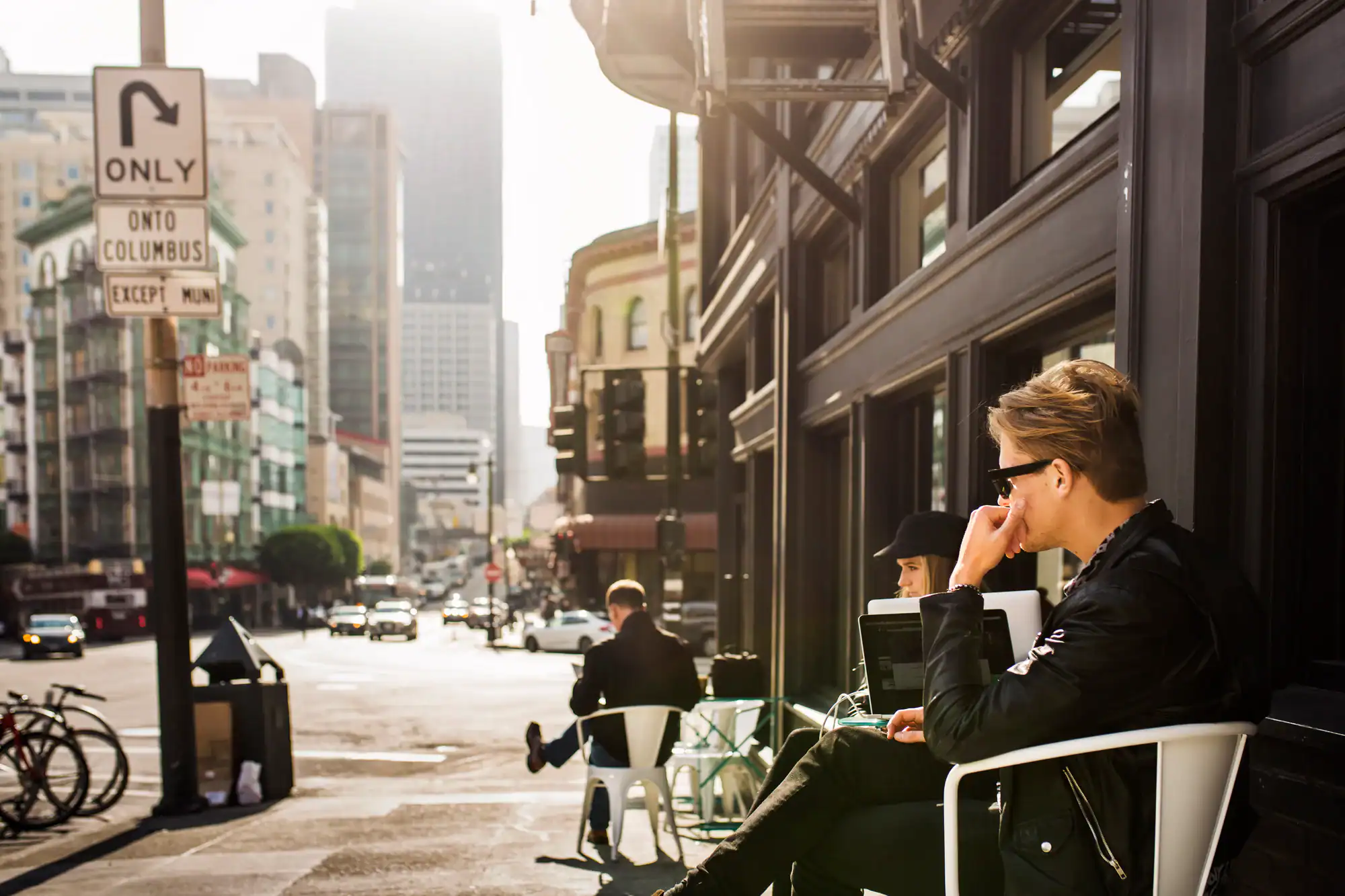
Gallery rents in New York are astronomical, and that’s not hyperbole. Getting your work seen in a traditional gallery space requires connections, money, or both—usually both. For emerging artists working day jobs to afford studio rent, that’s a barrier most can’t clear no matter how strong their portfolio is. Coffee shops changed the equation entirely, and not just as a consolation prize for artists who couldn’t break into the gallery system.
When we offer wall space to local creators, it democratizes the entire process of getting work in front of people who might actually buy it or follow your career. Suddenly, your art is in front of hundreds of people a day—people who might not have walked into a traditional gallery but who will absolutely notice a striking piece while waiting for their cortado or settling into a corner table for the afternoon. It’s exposure without the gatekeeping, sales without the gallery taking 50%, and feedback from real humans instead of critics performing for other critics.
We’ve helped launch several local careers over the years, with pieces that debuted on our walls now hanging in homes throughout Queens and Manhattan. Regular customers have become collectors, following artists from their first showing at Cafe Galerie through eventual gallery representation elsewhere. That progression doesn’t happen at Starbucks, and it doesn’t happen at spaces that treat art as decoration rather than as the main event alongside the coffee.
The model works for everyone involved, which is why it’s spreading across the New York art scene. We get an ever-changing visual identity that keeps the space fresh and gives regulars a reason to visit beyond their caffeine addiction. The artists get exposure, potential sales, and direct relationships with people who genuinely connect with their work. And you—the person who just wanted a decent latte—get an environment that actually stimulates your brain instead of numbing it with generic playlists and beige walls. No pretentious attitudes from staff who act like they’re doing you a favor by taking your order. No gallery markup that triples the price because of the zip code. Just authentic connections between you and the artists shaping your community’s creative landscape, facilitated by a space that understands its role in the ecosystem.
The rotation schedule matters more than you might think. Exhibitions change every six to eight weeks, which gives you plenty of time to experience each show multiple times while ensuring regular visitors always discover something new when they return. The timing works well for both artists and viewers—long enough for pieces to find their audience and for word to spread, short enough to maintain excitement and freshness so the space never feels stale. You can plan visits around new openings, which typically happen on first Friday evenings with light refreshments and the chance to meet the featured artists in person, ask questions, and understand the work beyond what a wall label can communicate.
The NYC art scene in 2026 is pushing boundaries that coffee shops are uniquely positioned to support, creating a feedback loop between institutional art world trends and street-level cafe culture. This year’s Greater New York exhibition at MoMA PS1 features 53 artists, most in the early and middle stages of their careers—exactly the demographic that coffee shops have been championing for years. The Whitney Biennial is exploring “interspecies kinships” and post-human philosophy through visual art. Smaller museums and galleries across the city are spotlighting groundbreaking design, overdue retrospectives, and work from historically marginalized communities that the art establishment ignored for decades.
But not everyone can afford a $25 ticket to MoMA or has time to navigate Chelsea’s gallery circuit on a weekday afternoon when most spaces are actually open. Coffee shops have become the accessible entry point to contemporary art for people who care about creativity but don’t have the schedule or budget to make gallery-hopping a regular habit. You’re getting your morning coffee anyway, so why not see work from the same generation of artists showing at major institutions, just without the institutional barriers to entry?
We tap into this shift by prioritizing quality, originality, and work that resonates with diverse, educated communities rather than chasing whatever’s trending on art blogs this month. Our selection process isn’t about what will move units or what fits a predetermined aesthetic. It’s about what matters, what says something worth hearing, what makes you stop and look twice because it challenged an assumption or revealed something you hadn’t noticed before. That curatorial philosophy aligns with broader interior design trends in 2026 that emphasize authenticity, natural materials, and spaces that feel lived-in rather than staged for a photoshoot.
New Yorkers drink 6.7 times more coffee than people in any other US city, and that’s not a coincidence or a fun fact to drop at parties. It’s survival. Coffee here is fuel, ritual, and social currency all in one transaction. The days of settling for burnt diner coffee or overpriced chain lattes are fading as people demand better. They want quality beans with transparent sourcing. They want baristas who actually know what they’re doing rather than following a script. Third-wave coffee shops changed the game by treating coffee like the craft it is, with the same attention to detail that wine enthusiasts bring to viticulture.
Art is following the same trajectory in cafe spaces, and the results are visible in how these venues are designed. People are tired of spaces that feel designed by algorithms optimizing for Instagram rather than for human experience. They want character—worn wood tables that show their history, mismatched seating that suggests curation over bulk ordering, art that feels selected by someone with a point of view rather than corporate-approved neutrality. Spaces that feel like they’ve been there a while, even if they opened last month, because they’re rooted in something real rather than chasing viral NYC spots status. The best cafes in NYC aren’t just serving coffee—they’re building community. They host events. They showcase local artists. They remember your name and your order. They create an environment where regulars feel like regulars, not just transaction numbers contributing to quarterly revenue targets.
Want live answers?
Connect with a The Café Galerie expert for fast, friendly support.
The current rotation at Café Galerie features work that ranges from vibrant abstracts exploring color theory to detailed photography documenting Queens’ cultural evolution in real time. These aren’t just pretty pictures designed to perform well on your feed, though they absolutely will. They’re pieces with substance, created by artists who have something to say and the technical skill to say it effectively. Each one photographs differently depending on the time of day you visit, the angle you choose, and what you’re trying to capture—which means you could visit the same exhibition three times and walk away with completely different content each time.
What makes these pieces genuinely Instagrammable rather than just photogenic is the same quality that makes them worth experiencing in person: they’re visually compelling enough to stop you mid-stride, emotionally resonant enough to make you feel something beyond “that’s nice,” and technically strong enough that you’re seeing skill, not just enthusiasm. You’ll find bold color palettes that pop against our neutral walls without overwhelming the space. Textures that create depth even in a flat photograph, giving your feed visual interest beyond the usual latte art and avocado toast. Compositions that guide your eye exactly where the artist wants it to go, which translates beautifully to the rectangular frame of an Instagram post.
The beauty of rotating exhibitions is that this specific list will be completely different in two months. What stops you in your tracks today won’t be here next season, which creates a sense of urgency that makes the experience more valuable. You can’t bookmark it for later. You can’t assume you’ll catch it next time. You either show up now or you miss it entirely.
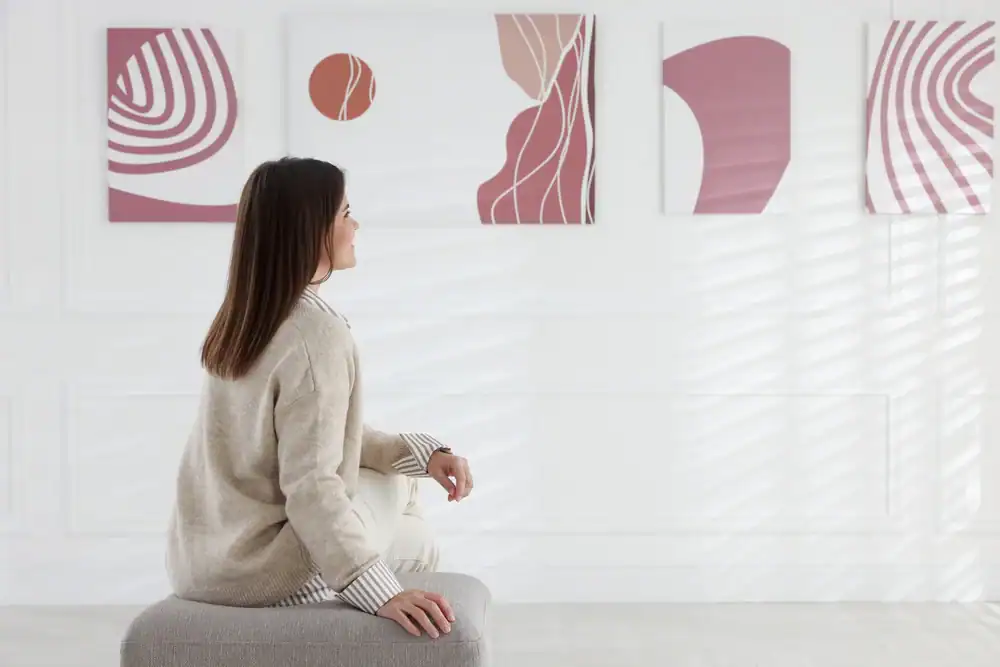
Abstract art in a coffee shop setting hits differently than it does in a sterile white cube gallery where silence is enforced and touching anything gets you escorted out by security. You’re experiencing it while life happens around you—conversations bleeding into your consciousness, coffee grinders punctuating the ambient noise, the rhythmic hiss of the espresso machine creating a soundtrack that somehow makes the work feel more alive. The art has to hold its own against that energy, and the best pieces don’t just survive the environment—they thrive in it.
The current abstract selections at Cafe Galerie lean into bold color choices and gestural brushwork that feels urgent rather than decorative. One standout piece features layered acrylics in deep blues and burnt oranges that shift dramatically depending on the lighting conditions. Morning light streaming through the windows makes it feel contemplative, almost meditative, like you’re watching water move. Evening light from our warm bulbs makes it feel urgent, aggressive even, like the visual equivalent of rush hour. That transformation isn’t accidental. The artist, a Flushing painter who’s been showing work in Queens for five years and building a following among collectors who can’t afford Chelsea prices, builds layers until the surface has physical depth you can see from across the room and feel when you get close enough to examine the texture.
Another standout uses mixed media—acrylic paint, ink, and collaged paper sourced from neighborhood bodegas and street posters—to create compositions that feel both controlled and chaotic in the same breath. It’s a visual representation of what it feels like to live in New York if you’re honest about it. Structured but unpredictable. Planned but spontaneous. Organized but constantly on the edge of falling apart. The color palette is deliberately muted—grays, taupes, flashes of gold that catch light—which makes it photograph beautifully without overwhelming your feed with visual noise that competes with your caption.
Abstract work gives you room to interpret without being told what to think, which is rare in a culture that over-explains everything. There’s no “right” way to see it, no correct interpretation you’re supposed to arrive at if you’re smart enough. That openness is part of what makes it compelling for social media beyond just the aesthetic appeal. You can caption it with whatever meaning resonates with you in that moment. Your followers will see something different based on their own experiences and associations. That’s the entire point, and it’s what separates art from illustration.
What separates good abstract art from decorative filler that interior designers buy by the yard is intention and risk. You can feel when an artist is genuinely exploring something—pushing their own boundaries, working through ideas about space or color or emotion or form—versus when they’re just making something pretty that matches a couch. The work at Cafe Galerie falls decisively into the former category. These artists are working through ideas in real time. You’re watching them think on canvas, seeing the evidence of decisions made and revised and committed to. That’s worth more than a double-tap, though you’ll probably give it one anyway.
Photography in coffee shops walks a fine line that most photographers don’t successfully navigate. It needs to be strong enough to compete with the distractions of a busy cafe—the movement, the noise, the constant visual stimulation—but not so intense or confrontational that it disrupts the vibe people came for in the first place. The photographic work currently showing at Cafe Galerie manages that balance by focusing on storytelling over spectacle, on observation over manipulation, on revealing rather than inventing.
One series documents the architectural details of Queens neighborhoods with the kind of attention usually reserved for landmark buildings in Manhattan. Fire escapes that have been painted over so many times the original metal is invisible. Storefronts with hand-painted signs that haven’t been updated since the 1980s because the owners see no reason to fix what isn’t broken. The way light hits a particular building at 7am on a clear morning, creating shadows that turn ordinary brick into something worth stopping for. It’s not trying to be dramatic or make a grand statement about urban decay or gentrification. It’s observational, almost anthropological, in its approach. The photographer spent months walking the same routes at different times of day, capturing the overlooked details that make these neighborhoods distinct from each other rather than interchangeable backdrops for the same story.
The images are printed large enough that you can see texture when you get close—the grain of brick, the rust patterns on metal, the layers of paint on a storefront sign revealing the history of businesses that occupied that space before. That level of detail matters because it rewards closer looking, which is rare in an age when most images are designed to be consumed in a half-second scroll. These demand more from you, and they give more back in return.
Another photographer is showing portraits of local business owners, each subject photographed in their workspace rather than in a studio with controlled lighting and styled wardrobe. A bodega owner surrounded by inventory. A laundromat operator leaning against a washing machine that’s been running for thirty years. A family-run restaurant’s matriarch standing in a kitchen that’s fed the neighborhood for two generations. The compositions are straightforward, almost documentary in style, but the expressions and body language reveal something deeper about resilience, pride, and community that you can’t capture with clever angles or dramatic lighting. These aren’t styled fashion portraits trying to make ordinary people look extraordinary. They’re honest depictions of the people who keep neighborhoods functioning, who show up every day, who remember your name and your usual order.
What makes this work genuinely Instagrammable rather than just documentary is specificity and craft. It’s not generic NYC imagery you’ve seen a thousand times—the same skyline shots, the same subway platforms, the same street scenes that could be anywhere. It’s hyperlocal, rooted in specific blocks and specific people and specific moments that won’t be repeated. It’s the kind of photography that makes you look closer at your own neighborhood and notice things you’ve been walking past for years without really seeing. That shift in attention, that recalibration of what’s worth noticing, is what good documentary work accomplishes when it’s done right.
The technical execution matters too, especially if you’re planning to photograph these photographs for your own feed. These aren’t iPhone snapshots with auto-settings doing the work. The lighting is considered and intentional. The framing makes deliberate choices about what to include and exclude. The prints are high-quality, which means they hold up to scrutiny and photograph well under our lighting conditions. When you capture these images for your Instagram, you’re essentially capturing work that’s already been refined through an artist’s eye and technical skill. That elevates your content by association, giving you access to visual sophistication you might not be able to create yourself yet.
Documentary photography in a cafe setting also sparks conversations in ways that abstract work sometimes doesn’t. People recognize locations and share memories of places captured in the images. They tag friends who grew up in the same neighborhood or who worked at a business that’s now gone. They tell stories in the comments about their own experiences with the subjects or locations. That engagement—real human connection over shared experience and collective memory—is what social media was supposed to facilitate before it became an algorithm-driven content mill optimized for engagement metrics over genuine interaction. We facilitate that kind of connection by choosing work that reflects and honors the community we serve rather than importing generic “art” that could hang anywhere.
The best coffee shops in New York understand a fundamental truth that chains never quite grasp: you’re not just buying a drink when you walk through the door. You’re buying an experience, a vibe, maybe even a few minutes of peace in a city that never stops moving or demanding your attention. When that coffee shop also showcases local art that’s been thoughtfully curated rather than randomly selected, it becomes something worth coming back to repeatedly, something worth telling people about, something that earns a place in your routine rather than just filling a gap between appointments.
We’re not trying to be everything to everyone, which is precisely why we succeed at being something specific to the people who need it most. We’re a place where coffee, art, and community intersect in a way that feels natural and unforced, where the art you’ll see on our walls right now won’t be there next season, which makes every visit feel like a discovery rather than a routine stop. Our rotating exhibitions ensure you’re always encountering something new, something that challenges you or delights you or makes you think differently about what’s possible in the space where aesthetic coffee shops and the New York art scene overlap.
If you’re looking for Instagrammable local art that has substance beyond the aesthetic—work that photographs beautifully but also means something beyond its visual appeal—this is where you’ll find it consistently. The work changes as artists evolve. The community grows as more people discover what’s happening here. And your feed benefits from all of it while your brain gets stimulated by art that actually matters. Visit Cafe Galerie before the current exhibition rotates out, because what’s on our walls today is already halfway to becoming a memory.
Summary:
Share: