Finding affordable local art in NYC doesn't require gallery connections or deep pockets. Discover how we're making art collecting accessible for first-time buyers.
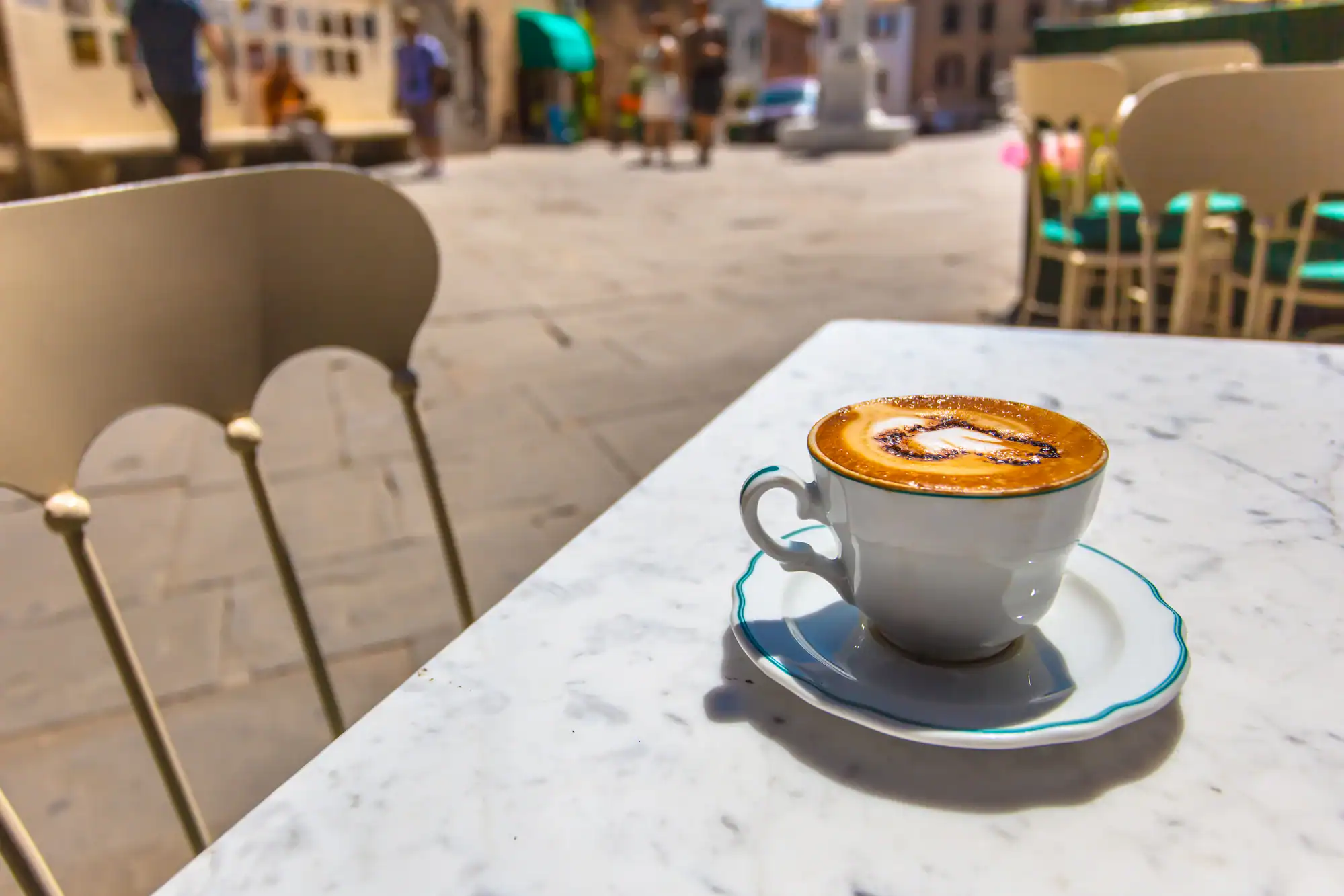
The traditional gallery route isn’t your only option anymore. Coffee shops, art fairs, and hybrid spaces are democratizing access to original artwork in ways that make sense for first-time buyers.
Start with venues that combine coffee and art. These spaces lower the barrier to entry because you’re not walking in solely to browse expensive pieces. You’re there for your oat milk latte, and the art becomes a natural part of the experience. The pricing is usually visible, the atmosphere is relaxed, and you can take your time without a gallerist hovering.
Art fairs like the Affordable Art Fair price everything between $100 and $12,000, with most pieces under $5,000. Open studios in neighborhoods like Bushwick and the Lower East Side let you meet artists directly and purchase work without gallery markups. Even street vendors near museums offer original pieces, though quality varies.
Third spaces are dying in New York. The bookstores are closing, the dive bars are getting bought out, and even the parks feel too crowded to breathe. Coffee shops have become the default answer for where to exist when you’re not at work or home.
Smart cafe owners realized something important: people don’t just want caffeine, they want atmosphere. They want to feel like they’re part of something beyond a transaction. When you add rotating art exhibitions to quality coffee, you create an environment that actually stimulates your brain instead of numbing it.
This model works because it meets you where you already are. Maybe you came in for your usual order and noticed a painting that stopped you mid-scroll. Maybe you’ve been wanting to buy art but traditional galleries make you feel like an imposter. Coffee shop galleries remove that friction entirely.
The artists benefit too. Gallery rents in NYC are astronomical, and getting representation is competitive to the point of absurdity. Exhibiting in a busy coffee shop means hundreds of potential buyers see their work daily. The cafe gets a constantly refreshing aesthetic that keeps regulars interested. You get to discover artists before they’re priced out of your budget.
It’s not about lowering standards. It’s about removing artificial barriers that kept art collecting exclusive when it should be accessible. The quality is there. The artists are talented. The only difference is you’re not paying for a white cube in Chelsea and someone’s MFA-inflected sales pitch.
New York has always had art everywhere, from subway mosaics to street murals. Coffee shop galleries are just the latest evolution of making creativity part of daily life instead of something you schedule museum visits around.
Affordable is relative, especially in a city where a sandwich costs $18. But when we talk about budget-friendly art in NYC, we’re usually looking at pieces under $1,000 for first-time collectors, with plenty of options under $500.
Prints and works on paper are your entry point. An original print from an emerging artist might run $100 to $300. These aren’t mass-produced posters, they’re limited editions, often signed and numbered. You’re getting actual art without the four-figure commitment.
Small paintings and mixed media pieces from artists without gallery representation typically fall in the $300 to $800 range. Photography can be surprisingly affordable, especially if you’re buying directly from the artist. Sculptures and larger works obviously cost more, but even there you can find pieces under $2,000 if you’re looking in the right places.
The biggest factor in pricing is the artist’s career stage. Emerging artists price lower because they’re building their reputation. Once a gallery picks them up and they start showing in fairs, prices jump. Sometimes dramatically. This is why buying early makes sense, not as an investment strategy, but because you get more options within your budget.
Location matters too. Work sold in a coffee shop costs less than the same piece in a Chelsea gallery because there’s no gallery commission. Buying directly from an artist at an open studio eliminates the middleman entirely. Art fairs have transparent pricing, which is rare enough in this industry to be noteworthy.
Here’s what nobody tells you: the most expensive art isn’t automatically better. Price reflects market forces, artist representation, and collector demand more than it reflects quality or how much you’ll enjoy living with it. A $300 piece from an artist whose work genuinely moves you will give you more satisfaction than a $3,000 piece you bought because you thought you should.
Factor in framing costs if you’re buying unframed work. A good frame can cost $100 to $300, but it’s worth it. Cheap framing makes good art look like a dorm room poster. If budget is tight, ask the artist or gallery if they offer payment plans. Many do, especially for pieces over $500.
The goal isn’t to find the cheapest art possible. It’s to find work you love at a price that doesn’t require you to skip meals or drain your savings. That sweet spot exists in NYC if you know where to look and you’re willing to explore beyond the obvious.
Want live answers?
Connect with a The Café Galerie expert for fast, friendly support.
The biggest misconception about buying art is that it’s expensive and elitist. It’s not. The second biggest misconception is that you need expertise to make good choices. Also not true.
Start by looking at a lot of art. Visit museums, scroll through online galleries, walk through neighborhoods where artists live and work. You’re calibrating your eye and figuring out what actually resonates with you, not what you think you’re supposed to like.
When something stops you, that’s your signal. Maybe it’s a color palette that feels like home. Maybe it’s a subject matter that sparks something you can’t quite name. Maybe you just think it’s beautiful and you want to see it every day. That’s enough. You don’t need to justify your taste to anyone.

Price is obvious, but there are other questions that matter more than you’d think. Start with the practical: what are the dimensions? Will it actually fit on your wall? Do you need to frame it, or is it ready to hang?
Ask about the medium and materials. This isn’t about sounding knowledgeable, it’s about understanding what you’re buying. Oil on canvas? Acrylic? Mixed media? Some materials require more care than others. If you have pets or kids, you want to know if the piece is delicate.
Find out if it’s an original or a print, and if it’s a print, what the edition size is. A print of 10 is more valuable than a print of 1,000. Both are legitimate, but you should know what you’re paying for.
Ask about the artist. Not their CV, just their story. What inspired this piece? What are they working on next? This conversation does two things: it helps you connect with the work on a deeper level, and it gives you a sense of whether the artist is someone whose career you want to follow.
Clarify what’s included in the price. Does it come with a certificate of authenticity? Is shipping included if you can’t carry it home? What about installation for larger pieces? These details add up.
Don’t be afraid to negotiate, especially if you’re buying directly from an artist. They’re running a business, and they’d rather make a sale at a slight discount than not make a sale at all. Be respectful about it, not insulting. “Is there any flexibility on price?” works better than “I’ll give you half.”
Ask about return policies, though most art sales are final. If you’re spending significant money, some galleries offer a trial period where you can live with the piece before committing. It’s not common, but it doesn’t hurt to ask.
Finally, ask yourself if you’ll still want to look at this piece in five years. Trends come and go. Your apartment will change. But if the work has something that transcends the moment, that’s usually a good sign.
The traditional gallery model isn’t broken, but it’s not serving everyone. If you’re not already connected to the art world, walking into a high-end gallery can feel like crashing someone else’s party. The staff might be friendly, but there’s an underlying current of “do you belong here?” that’s hard to ignore.
Coffee shop galleries flip that dynamic. You already belong there because you’re a customer. The art is a bonus, not a test of your cultural literacy. This matters more than you’d think, especially for first-time buyers who don’t have confidence in their taste yet.
Pricing transparency is the other major factor. The lack of visible prices is the number one complaint from art collectors at all levels, not just beginners. Having to ask for a price you might not be able to afford is uncomfortable. It creates a power imbalance that makes the whole experience feel transactional in the worst way.
When prices are clearly displayed, you can browse honestly. You know immediately if something is in your budget or if you need to keep looking. There’s no awkward conversation, no worry about wasting someone’s time, no feeling like you’re being judged for your bank account.
The atmosphere matters too. You can sit down with your coffee, look at the art from different angles, take your time. In a traditional gallery, there’s pressure to keep moving, to look engaged but not too interested unless you’re serious about buying. Coffee shops let you linger without explanation.
There’s also something about the context that makes art more approachable. When you see a painting in a gallery, it exists in this rarefied space separate from real life. When you see the same painting in a coffee shop, you can imagine it in your actual apartment. It’s already integrated into a daily environment, not isolated on a white wall.
For NYC art collectors who are serious about building a collection, coffee shop galleries serve as a discovery mechanism. You find artists early, before galleries pick them up and prices triple. You build relationships with artists directly, which means you hear about new work before it’s publicly available. You become part of a community instead of just a buyer.
The specialty coffee angle isn’t incidental either. New Yorkers drink 6.7 times more coffee than people in any other US city. Coffee shops are where we go to work, to meet friends, to escape our apartments without spending museum money. When those spaces also showcase local artists, it integrates art into daily life in a way that feels natural instead of forced.
This isn’t about dumbing down art or making it casual to the point of meaninglessness. It’s about removing the gatekeeping that kept art collecting exclusive to people with the right connections or the confidence to navigate gallery culture. The art is still serious. The artists are still talented. The difference is you’re meeting them on your terms, not theirs.
Finding affordable local art in NYC doesn’t require gallery connections, art history knowledge, or trust fund money. It requires curiosity, a willingness to explore spaces where coffee and creativity intersect, and the confidence to trust your own taste.
Start with coffee shops that feature rotating exhibitions. Visit open studios in Bushwick and the Lower East Side. Check out the Affordable Art Fair when it comes to town. Follow local artists on Instagram and see where they’re showing work. The options are everywhere once you start looking.
Buy what genuinely moves you, not what you think you should buy. Art is personal, and your collection should reflect who you are, not who you’re trying to impress. The pieces that resonate deepest are the ones you’ll never regret, regardless of whether they appreciate in value.
When you’re ready to discover where specialty coffee meets accessible art in an environment designed for actual humans, visit us at The Café Galerie. Sip your oat milk latte, take your time with the work on our walls, and see what speaks to you. No pressure, no pretension, just good coffee and art worth taking home.
Summary:
Share: