Your Saturday doesn't have to feel like another race. Learn how art gallery cafes are redefining weekend rituals through slow living, mindful coffee, and immersive creativity.
The slow living movement started as a rebellion. In the 1980s, Italians protested a McDonald’s opening near the Spanish Steps in Rome. They weren’t just defending their piazzas—they were defending a way of life that valued savoring over speed, quality over convenience, ritual over rush.
Fast forward to today, and that philosophy has evolved into something bigger. Slow living isn’t about doing everything in slow motion or rejecting technology. It’s about making intentional choices. Prioritizing what matters. Choosing presence over productivity.
In New York City, that concept feels almost radical. This is a city that rewards hustle, celebrates overwork, and treats rest like a luxury you have to earn. But more people are pushing back. They’re realizing that constant busyness isn’t a badge of honor—it’s exhausting. And they’re looking for spaces that give them permission to slow down without guilt.
You might think slow living requires moving to the countryside, growing your own vegetables, and disconnecting from modern life entirely. It doesn’t. Slow living in NYC looks like choosing a Saturday morning at an art gallery cafe instead of racing through your to-do list. It’s about creating pockets of calm in a chaotic environment.
It starts with something as simple as how you drink your coffee. Instead of grabbing a cup on your way to somewhere else, you sit down. You notice the aroma. The warmth of the cup in your hands. The first sip. You’re not multitasking—you’re just drinking coffee. That’s mindful coffee drinking, and it’s one of the easiest entry points into slow living.
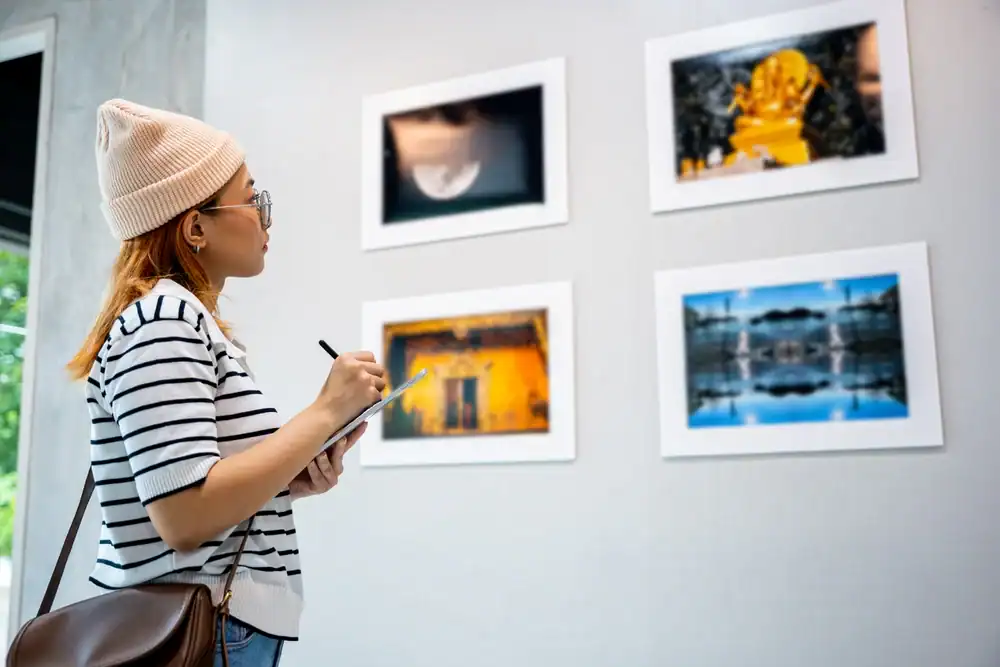
The same principle applies to how you experience art. You don’t rush through a gallery checking boxes. You stop in front of a piece that catches your eye. You let yourself feel something. You sit with it. No pressure to understand it perfectly or have the “right” interpretation. Just you and the work, sharing space.
This approach doesn’t require hours of free time. It requires intention. And that’s what makes it accessible, even in a city that never stops moving. You’re not changing your entire life—you’re changing how you show up in small moments throughout your day.
Slow living also means rethinking what productivity looks like. Our culture treats rest as wasted time, but rest is what makes everything else sustainable. When you spend a Saturday morning in a creative space, surrounded by art and good coffee, you’re not being lazy. You’re refilling the tank. You’re giving your mind permission to wander, which is often when the best ideas show up.
The slow living movement challenges the narrative that faster is better. It asks: What if we stopped optimizing every minute? What if we let ourselves be bored occasionally? What if we valued depth over speed, quality over quantity, presence over performance? Those questions feel especially urgent in a city where burnout is normalized and rest is treated like a productivity hack instead of a human need.
Slow living isn’t new, but it’s having a moment. Search interest in slow living content has exploded in recent years. People are watching videos about mindful mornings, reading articles about digital detoxes, and seeking out spaces that prioritize experience over efficiency. Why now?
Partly, it’s a reaction to the last few years. The pandemic forced everyone to slow down, whether they wanted to or not. Some people discovered they actually liked the slower pace. They realized how much of their pre-pandemic schedule was driven by obligation, not desire. When life sped back up, many decided they didn’t want to return to the way things were.
There’s also a growing awareness of burnout as a real problem, not just a buzzword. Chronic stress isn’t sustainable. People are recognizing that the relentless pursuit of productivity comes at a cost—mental health, physical health, relationships, creativity. Slow living offers an alternative framework, one that values well-being over output.
Technology plays a role too. We’re more connected than ever, which sounds good in theory but often feels overwhelming in practice. Constant notifications, endless scrolling, the pressure to document every moment—it’s exhausting. Slow living encourages setting boundaries with technology. Not rejecting it entirely, but using it intentionally instead of letting it use you.
Another factor is the rise of experiential culture. People, especially younger generations, are prioritizing experiences over possessions. They’d rather spend money on a memorable afternoon at an art gallery cafe than another item they don’t need. This shift in values aligns perfectly with slow living principles, which emphasize quality experiences and meaningful connections.
The art world is responding to this demand too. Immersive art experiences are popping up across NYC, offering visitors a chance to step into another world. These aren’t traditional galleries where you quietly observe from a distance. They’re interactive, multisensory environments designed to engage you fully. When you combine that kind of immersive art experience with the ritual of specialty coffee, you create a space that feels entirely separate from the chaos outside.
There’s also a counter-movement happening against AI and digital perfection. As algorithms generate increasingly polished content, people are craving the opposite—work that feels human, imperfect, authentic. Hand-painted art. Handcrafted coffee. Spaces where you can see the evidence of human touch. Art gallery cafes embody that authenticity, offering a refuge from the sterile perfection of digital spaces.
Want live answers?
Connect with a The Café Galerie expert for fast, friendly support.
Walk into most coffee shops in NYC and you’ll notice the same pattern. People hunched over laptops. Headphones in. Orders placed quickly, drinks consumed faster. It’s functional. Efficient. Transactional.
An art gallery cafe operates differently. The space itself is designed to slow you down. Art on the walls invites your attention. The seating encourages lingering, not rushing. The coffee menu reflects care and craftsmanship, not just caffeine delivery. You’re not just grabbing a drink—you’re entering an environment intentionally curated for a different kind of experience.
These spaces function as third spaces, a concept that’s become increasingly important in urban life. Your first space is home. Your second is work. Your third space is somewhere you go to be part of a community without the obligations of the first two. Coffee shops have always served this role to some extent, but art gallery cafes take it further by adding cultural enrichment to the mix.
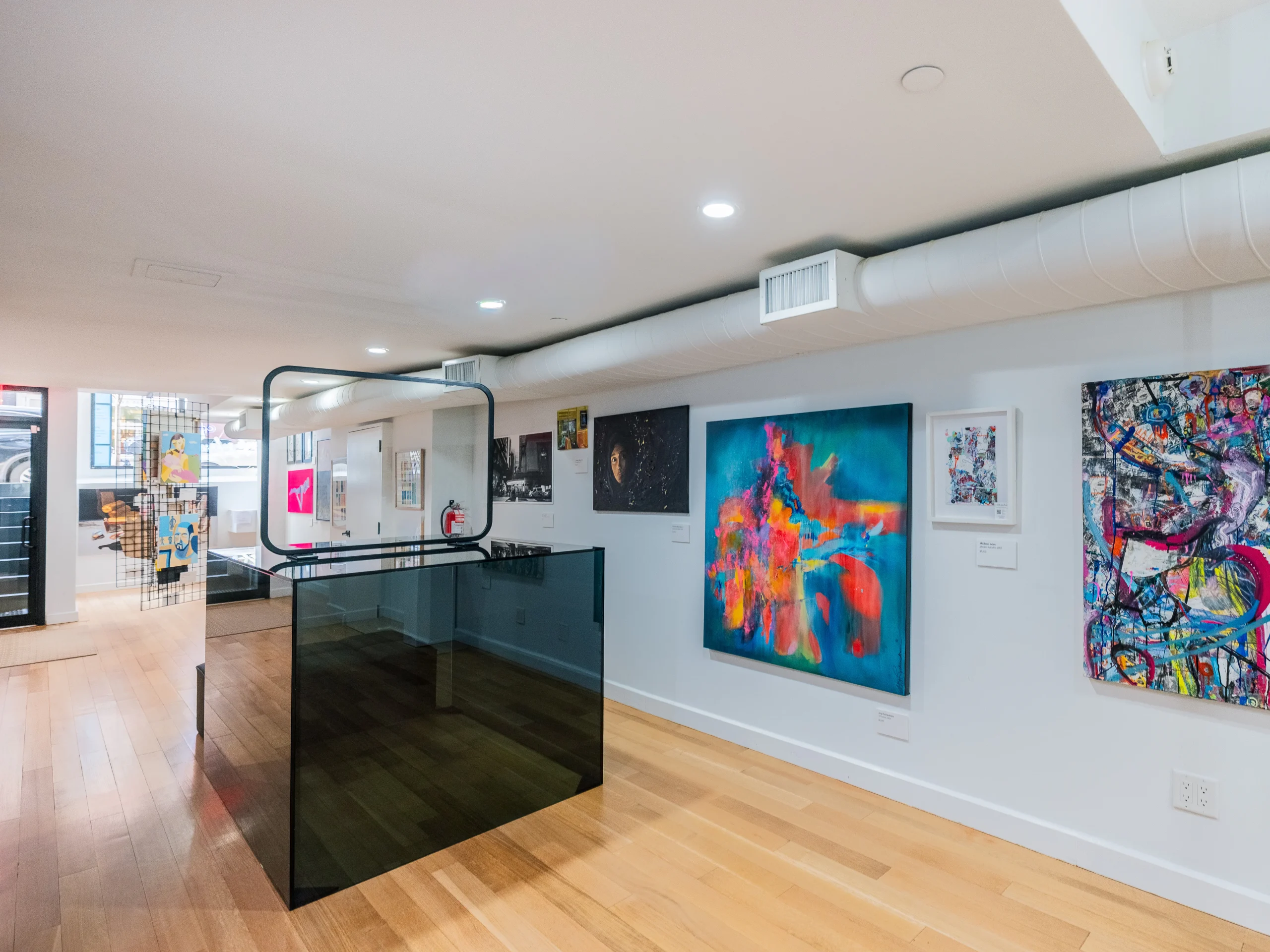
There’s something about being surrounded by art that changes your state of mind. It pulls you out of your usual thought patterns. Makes you notice details you’d normally overlook. That shift in attention extends to how you experience your coffee.
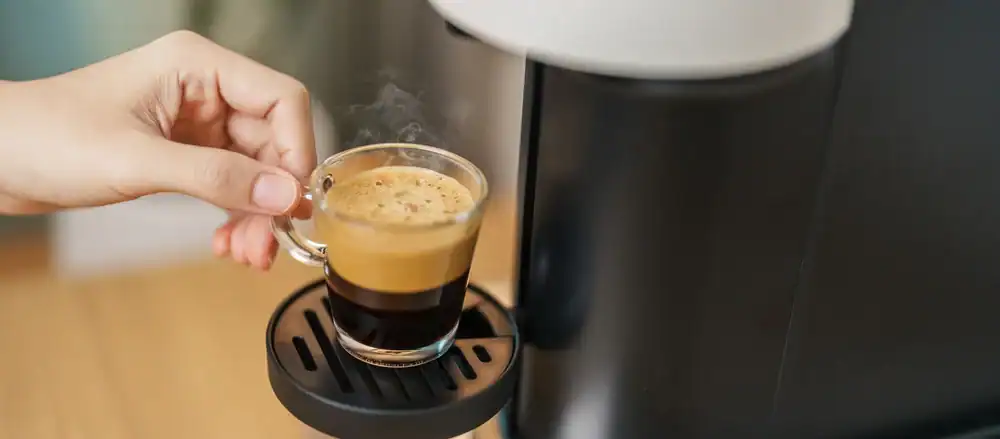
When you’re in a space filled with visual stimulation—paintings, sculptures, installations—you become more attuned to sensory details in general. You notice the crema on your espresso. The way steam rises from your cup. The contrast between bitter and sweet. You’re engaging with your coffee the way you’d engage with art, paying attention instead of just consuming.
This is what mindful coffee drinking looks like in practice. It’s not complicated or time-consuming. You’re simply present for the experience instead of treating it as background noise to your real activity. And when you’re in an environment designed to encourage that presence, it happens naturally.
Art gallery cafes often feature rotating exhibitions, which means the space evolves over time. You might visit on one Saturday and see abstract paintings, then return a month later to find photography or mixed media installations. That variety keeps the experience fresh and gives you a reason to return, not just out of habit but out of genuine curiosity about what’s new.
The art itself also serves as a conversation starter. You’re sitting across from a friend, both holding specialty coffee, and you glance at a piece on the wall. One of you says something about it. The other responds. Suddenly you’re having a conversation you wouldn’t have had otherwise—about color, composition, what the artist might have been thinking, how it makes you feel. These aren’t profound philosophical debates. They’re just moments of connection sparked by shared experience.
For solo visitors, art provides a different kind of companionship. You’re not alone with your thoughts in an empty room. You’re sharing space with the work of other humans, evidence of their creativity and perspective. There’s something quietly comforting about that, especially in a city where loneliness can exist alongside constant crowds.
The combination of art and coffee also creates natural pauses in your day. You finish your drink, but you’re not ready to leave yet because you haven’t looked at all the pieces. Or you’ve been staring at one particular work for a while and decide you need another coffee to keep sitting with it. The experience extends organically, without feeling forced or performative.
Spending time in creative environments isn’t just pleasant—it’s beneficial for your mental health. Research consistently shows that engaging with art reduces stress, improves mood, and enhances overall well-being. You don’t have to be an artist or an art expert to experience these benefits. Simply being in the presence of creative work is enough.
Part of this effect comes from the way art engages your brain differently than your usual tasks. Most of your day involves logical, analytical thinking—solving problems, making decisions, processing information. Art activates different neural pathways. It invites emotional and intuitive responses. That shift gives the analytical parts of your brain a break, which can feel surprisingly restorative.
Creative spaces also encourage a different relationship with time. In most settings, time is something to manage, optimize, or fight against. In an art gallery cafe, time becomes more fluid. You’re not watching the clock or calculating how many tasks you can complete before your next obligation. You’re just… there. Present. That shift alone can reduce anxiety and create a sense of spaciousness that’s hard to find elsewhere in NYC.
There’s also value in exposing yourself to beauty and creativity regularly. It’s easy to let aesthetics fall to the bottom of your priority list when you’re busy. You tell yourself you’ll visit that museum eventually, or you’ll make time for creative pursuits when things calm down. But things rarely calm down on their own. Building regular visits to creative spaces into your routine—like spending Saturday mornings at an art gallery cafe—ensures you’re consistently feeding that part of yourself that needs beauty and inspiration.
These spaces also combat the isolation that can come with city living. Yes, NYC is crowded. But crowded doesn’t mean connected. You can be surrounded by people and still feel alone. Art gallery cafes create opportunities for connection without requiring extroversion or social performance. You can sit quietly with your coffee, acknowledge someone else’s presence with a nod, exchange a brief comment about the art, and that’s enough. Low-pressure social interaction that reminds you you’re part of a community.
For people dealing with burnout, creative spaces offer something particularly valuable: permission to do nothing productive. You’re not networking. You’re not advancing your career. You’re not checking items off a list. You’re sitting with art and coffee, and that’s the whole point. In a culture that constantly demands justification for rest, that permission matters.
The physical environment matters too. Many art gallery cafes are designed with intention—natural light, comfortable seating, plants, thoughtful color palettes. These design choices aren’t just aesthetic. They create environments that feel calming and welcoming, which influences how you feel while you’re there. Compare that to the fluorescent-lit, hard-surfaced efficiency of many coffee chains, and the difference is obvious.
You don’t need to overhaul your entire life to benefit from slow living principles. You just need to start somewhere. This Saturday, try something different. Instead of filling your morning with errands or catching up on work, visit an art gallery cafe. Bring a friend or go alone. Order coffee you actually want to taste, not just consume. Look at the art. Sit for a while. Notice how it feels to have nowhere else to be.
Slow living isn’t about perfection. It’s about intention. It’s about creating small pockets of presence in a life that often moves too fast. An art gallery cafe gives you the space to practice that without requiring major life changes or elaborate planning. Just show up. The rest will follow.
If you’re in NYC and looking for a space that embodies this philosophy, we offer exactly this kind of experience at The Café Galerie—where specialty coffee meets rotating art exhibitions in an environment designed for slowing down. It’s not about escaping the city. It’s about finding moments of calm within it.
Summary:
Share: