Greenwich Village cafe artists are redefining how you experience art and coffee. Find rotating exhibitions, direct artist sales, and community without the gallery pressure.
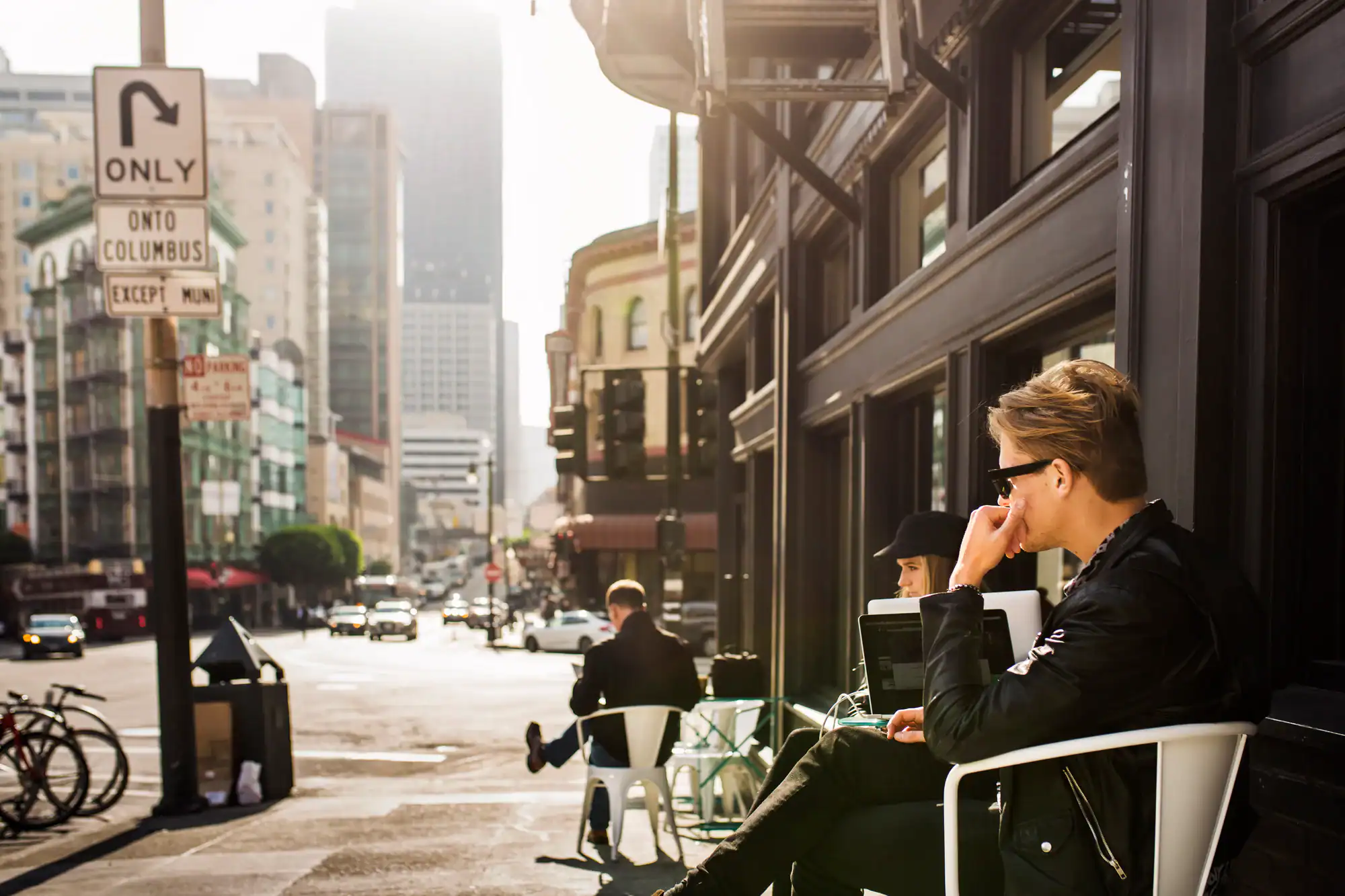
You’re not here for another corporate coffee shop with stock photos on the walls. You’re looking for something that actually connects you to the creative energy that made Greenwich Village what it is – a place where cafe artists have gathered for over a century, where coffee and creativity collide in ways that matter.
The relationship between coffee shops and artists isn’t new. It’s been the backbone of this neighborhood since the 1850s. But finding a space that honors that tradition while actually serving great coffee and showcasing real local work? That’s harder than it should be.
Let’s talk about what cafe artists in Greenwich Village are doing right now, and why it matters to anyone who wants more from their coffee shop than just caffeine.
Walk down Thompson Street and you’re walking through 150 years of artistic history. This neighborhood didn’t become the creative capital of New York by accident. It happened in coffee shops, in small galleries, in spaces where artists could actually afford to exist and create.
The Tenth Street Studio Building opened in 1857 as America’s first purpose-built artists’ quarters. Coffee houses in the 1950s and 60s launched the Beat Generation. Cafe Wha? gave Bob Dylan and Jimi Hendrix their start. Greenwich Village has always understood that cafe artists need more than just wall space – they need community, conversation, and a place that doesn’t rush them out the door.
Today’s cafe artists are continuing that legacy, but the economics have changed. Gallery rents in NYC can run tens of thousands monthly. Traditional galleries take 50% commissions and demand exclusivity that makes it nearly impossible for emerging artists to build careers. Coffee shop exhibitions offer something different: foot traffic, community engagement, and actual sales opportunities without the gatekeepers.
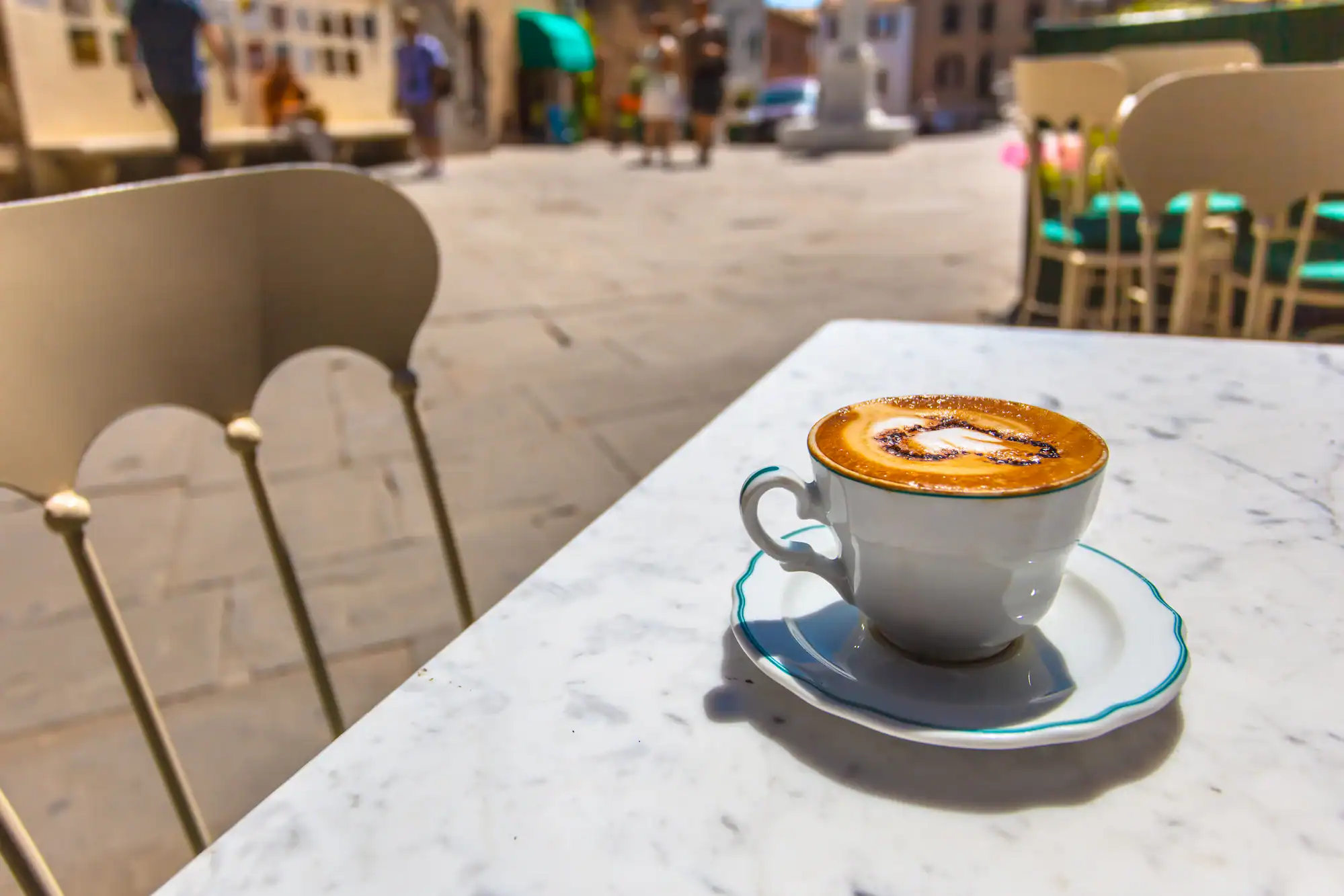
Here’s what most people don’t understand about local artists paintings in coffee shops: it’s not decoration. It’s a legitimate exhibition model that’s democratizing art access in ways traditional galleries never could.
When you see rotating exhibitions in a cafe, you’re looking at work from painters, photographers, and mixed media artists who are building real careers. They’re showing alongside their day jobs, using cafe walls to reach audiences who might never walk into a Chelsea gallery. And they’re selling work directly to people who connect with it over their morning latte, not because a curator told them it was important.
The coffee shop gallery model works because it removes the intimidation factor. You’re not supposed to understand the context or appreciate the work in any specific way. You can sit with a piece for twenty minutes while you finish your coffee, come back the next day and see something new in it, or ignore it completely if it’s not your thing. That accessibility is powerful.
For artists, the benefits are tangible. A cafe on Thompson Street might see 500-1000 people daily. That’s more foot traffic than most small galleries get in a month. Every person who walks in is a potential collector, collaborator, or connection. And because the cafe takes a smaller commission (or sometimes none at all), artists can price work at levels that actually sell while still making enough to keep creating.
The rotating exhibition model keeps things fresh. Most cafes change their featured artists monthly, which means you’re seeing new work constantly. It also means artists aren’t waiting years for their next show. They can exhibit, get feedback, make sales, and move on to the next opportunity. That velocity matters when you’re trying to build momentum.
What makes this work in Greenwich Village specifically is the audience. You’ve got NYU students who are hungry for culture but can’t afford $30 museum tickets. You’ve got professionals who appreciate art but don’t have time for gallery openings. You’ve got tourists looking for authentic NYC experiences, not tourist traps. And you’ve got locals who’ve been part of the Village art scene for decades and know quality when they see it.
The economics are straightforward. A traditional gallery might charge an artist $3,000-$10,000 just to exhibit, then take 50% of any sales. They’ll demand exclusivity, meaning you can’t show anywhere else in the city. They’ll control pricing, installation, marketing – everything. For an emerging artist, that’s not an opportunity. That’s a barrier.
Coffee shop artists work differently. Most cafe partnerships involve minimal or no upfront costs. The commission structure is fairer – often 20-30% instead of 50%. There’s no exclusivity requirement, so artists can show in multiple venues simultaneously. And the timeline is faster – you can go from application to exhibition in weeks instead of months or years.
But it’s not just about money. It’s about audience. Gallery visitors are often looking for investment pieces or status symbols. Cafe visitors are looking for connection. They’re the people who’ll buy a $200 painting because it reminds them of their grandmother’s kitchen, not because it’ll appreciate in value. That’s a healthier market for most working artists.
The coffee shop environment also changes how people interact with art. In a gallery, you’re supposed to be quiet, contemplative, respectful. In a cafe, you can have a conversation about a piece while you’re waiting for your latte. You can overhear someone else’s reaction and chime in. The artist might be sitting three tables away, available for questions. That informality breaks down the walls that make art feel inaccessible to most people.
Research from the University of Illinois found that ambient noise in coffee shops actually enhances creative thinking. There’s something about that sweet spot of auditory stimulation – not silent like a library, not chaotic like a street corner – that allows minds to wander productively. Artists have known this intuitively for centuries. Photographer Annie Leibovitz developed her distinctive portrait style by observing cafe patrons in Greenwich Village, moving from table to table to capture different angles and perspectives.
For cafe artists in 2026, the coffee shop offers something galleries can’t: a third space. Not home, not studio, not formal exhibition venue. Somewhere in between, where the boundaries blur and creativity happens in the gaps. That’s where interesting work gets made, and where interesting conversations about that work can happen.
The practical benefits matter too. Coffee shops provide WiFi, seating, bathrooms, climate control – all the infrastructure an artist needs to spend time in the space. Many cafes host artist talks, opening receptions, or workshops, giving creators opportunities to engage directly with their audience. Some even allow artists to sell prints, merchandise, or take commissions on-site. That direct relationship between maker and buyer is increasingly rare in a world dominated by online marketplaces and corporate galleries.
Want live answers?
Connect with a The Café Galerie expert for fast, friendly support.
The art gallery cafe hybrid isn’t a new concept, but it’s having a moment in New York right now. Coffee culture has evolved beyond chains and corporate standardization. People want spaces that serve multiple purposes without feeling unfocused or chaotic.
Think about what a local art gallery traditionally offers: curated exhibitions, cultural programming, community gathering space. Now think about what a specialty coffee shop offers: quality beverages, comfortable seating, a reason to linger. When those two things merge intentionally, you get something that serves needs neither could meet alone.
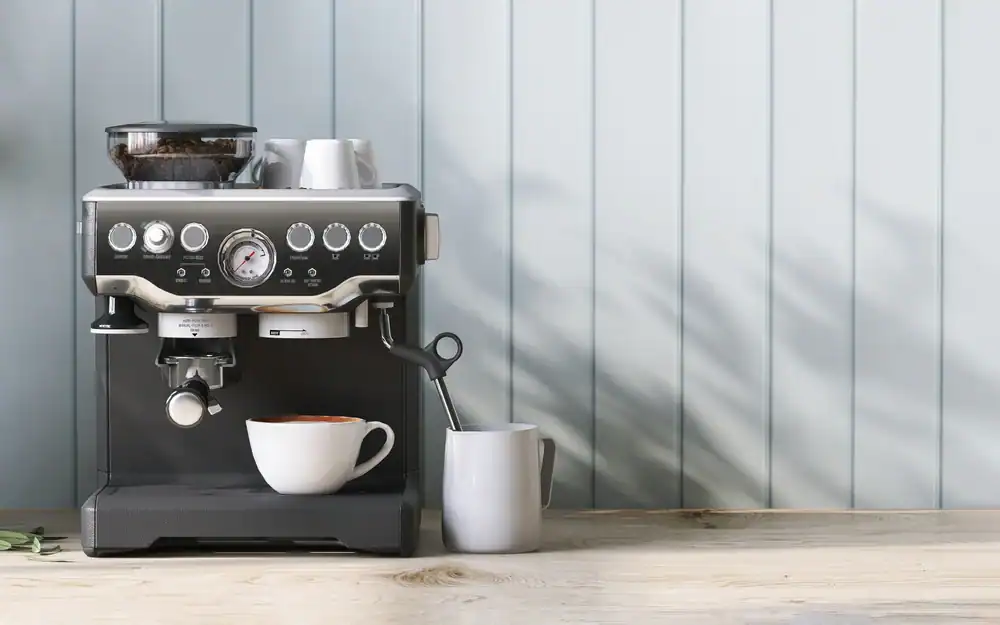
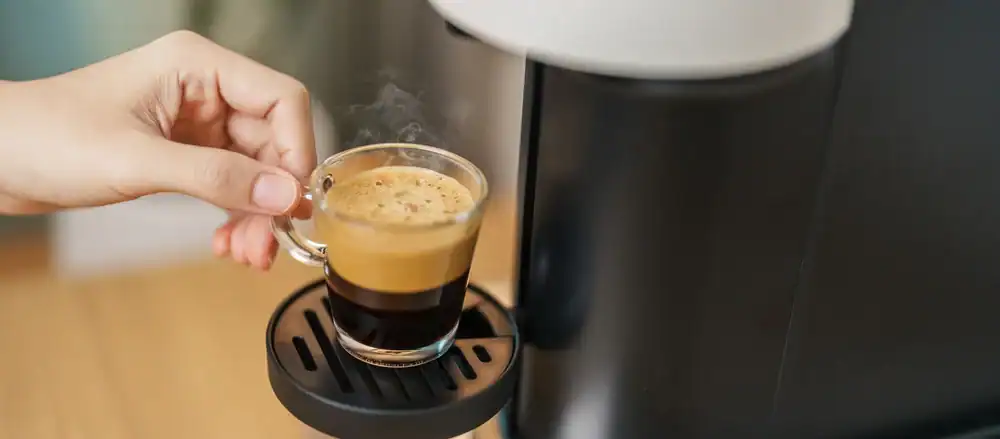
We built The Cafe Galerie at 168 Thompson Street on this hybrid model. Our rotating exhibitions from local NYC artists change monthly, giving you fresh visual content every time you visit. Our self-serve coffee technology means your drink is ready in under 30 seconds – commercial bean-to-cup machines that grind fresh for every cup, with consistent quality that doesn’t depend on whether the right barista is working that day.
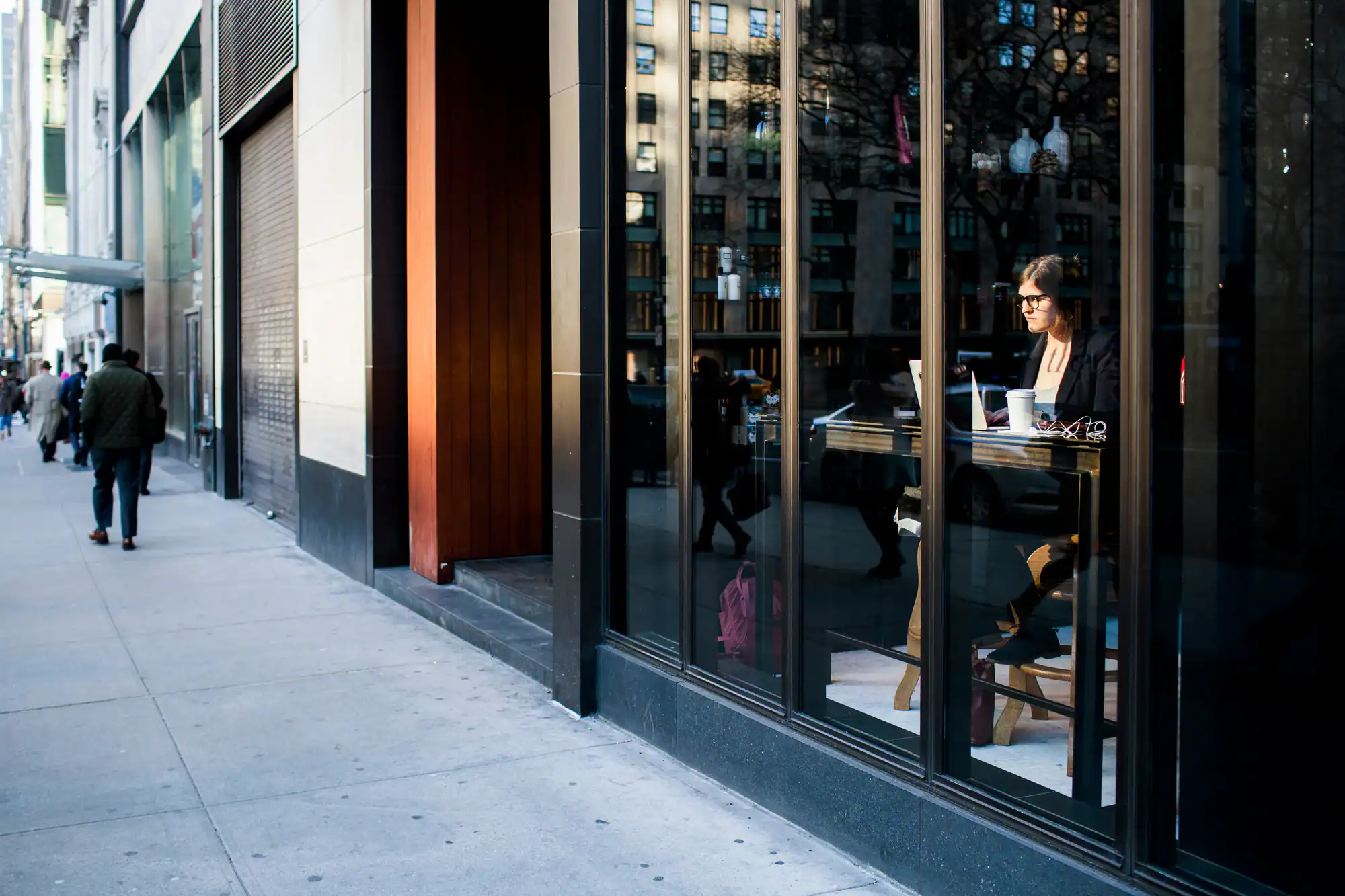
Not every cafe with art on the walls is a legitimate artists hub. The difference comes down to intention and execution. A real coffee shop artists community requires commitment to both the coffee and the art – neither as an afterthought.
On the coffee side, that means quality equipment and transparent processes. Bean-to-cup commercial machines that grind fresh for each drink. Multiple milk alternatives (oat, almond, soy) as standard options, not upcharged luxuries. Transparent pricing with no surprise fees. Fast service that respects your time – if you’re an NYU student between classes, you can’t wait 15 minutes for a latte.
On the art side, it means curated exhibitions, not random decoration. Working directly with artists to give them wall space, foot traffic, and actual sales opportunities. Hosting artist talks and evening events where creators can discuss their work and techniques. Facilitating direct sales at fair prices, without gallery markups or middleman commissions.
The space itself matters. Comfortable seating that doesn’t punish your back after 20 minutes. Good lighting that lets you see the art properly without giving you a headache. WiFi that actually works for remote workers and students. A vibe that says “you’re welcome to stay” instead of rushing you out the door to make room for the next customer.
Location plays a role too. Greenwich Village and SoHo have been artistic centers for over 150 years. Thompson Street runs right through that history – you’re walking distance from Washington Square Park, NYU campus, historic landmarks like Judson Memorial Church. The neighborhood attracts artists, students, professionals, and tourists who are all looking for authentic cultural experiences.
The coffee shop artists model works when it creates genuine value for everyone involved. Artists get exhibition opportunities and sales without prohibitive costs. Customers get quality coffee and cultural engagement without admission fees or pressure. The cafe gets foot traffic, community loyalty, and a differentiated offering that stands out in a crowded market.
Current trends support this model. Independent coffee shops are growing at 3.2% annually, faster than Starbucks’ domestic growth. Consumers are choosing local over chains – the “third place” is increasingly a neighborhood shop, not a corporate brand. Average ticket at independent shops is $8.47, up from $7.82 last year, showing people are willing to pay more for quality and experience.
Greenwich Village lost some of its bohemian edge when rents skyrocketed and chains moved in. But the creative DNA is still there, and it’s finding new expressions through spaces that honor the neighborhood’s artistic heritage while adapting to current realities.
Today’s Village art scene isn’t centered in formal galleries the way it was in the 1950s. It’s more distributed – street art, pop-up exhibitions, cafe shows, artist-run spaces. The economics have changed but the energy hasn’t. You still see painters working in Washington Square Park, musicians busking on Bleecker Street, writers camping out in coffee shops for hours.
What’s different now is the technology. Self-serve coffee machines can deliver quality that once required skilled baristas. Digital tools make it easier for cafes to manage rotating exhibitions and promote artists on social media. Payment systems allow direct sales without complicated logistics. The infrastructure exists to create hybrid spaces that serve multiple functions efficiently.
The audience has evolved too. NYU students operate on tight budgets but crave cultural experiences. Young professionals want third spaces that aren’t home or office. Remote workers need functional environments with good WiFi and coffee. Art enthusiasts want to discover new work without gallery intimidation. All of these groups converge in coffee shops, creating a built-in audience for cafe artists.
Evening programming has become increasingly important. Friday and Saturday nights at The Cafe Galerie feature artist talks, exhibition openings, and curated experiences that give people alternatives to bars and clubs. You can attend an event, meet the artist whose work is on the walls, have real conversations about technique and inspiration, all while enjoying coffee or wine in a comfortable setting.
Our UGC wall concept adds another layer – user-generated content that makes visitors part of the creative conversation. It’s not just about consuming art; it’s about participating in the cultural ecosystem. That participatory element resonates with younger audiences who grew up on social media and expect opportunities to engage, not just observe.
Direct art sales at fair prices matter more than ever. When you buy a piece from us, you’re buying directly from the artist who made it. No gallery markup, no middleman taking half, no complicated consignment agreements. Just you supporting someone’s creative practice in a way that actually helps them keep making work. That transparency builds trust and creates relationships that extend beyond single transactions.
The relationship between cafe artists and Greenwich Village runs deep – over a century of creators finding community, inspiration, and opportunity in coffee shops. That tradition continues today in spaces that understand what both artists and coffee drinkers actually need.
You’re looking for quality coffee that doesn’t waste your time. Art that connects without intimidation. A third space that respects your intelligence and your schedule. Those aren’t unreasonable expectations, but they’re harder to find than they should be in a city of 3,000+ coffee shops.
We exist because the hybrid model works when it’s done right. Self-serve technology, rotating exhibitions, direct artist sales, transparent pricing, and a location that honors Greenwich Village’s artistic heritage – all the pieces that make a coffee shop artists hub actually function.
Come for the coffee that’s ready in under 30 seconds. Stay for the local artists paintings that change every month. Return for the community that forms when you stop treating coffee shops and galleries as separate experiences and start recognizing them as two parts of the same creative ecosystem.
Summary:
Share: