Cafe chalk art transforms ordinary coffee shops into visual destinations. From seasonal window displays to interactive chalkboard menus, discover how handcrafted art creates authentic appeal in the digital age.
You walk past another coffee shop with the same sterile menu board, the same corporate aesthetic, the same feeling of being rushed through a transaction. Nothing about it invites you to stay, come back, or tell anyone about it.
Cafe chalk art changes that. When done right, it turns a forgettable storefront into a neighborhood landmark. It gives people a reason to slow down, look closer, and actually engage with the space around them. In a city like New York where every square foot is optimized for efficiency, that kind of visual warmth cuts through the noise.
Here’s what makes handcrafted cafe art work, and why it’s thriving in places like Greenwich Village.
Chalk art works because it’s imperfect. That’s not a flaw—it’s the entire point.
When you see hand-lettered specials on a chalkboard menu, your brain registers something different than a printed sign. The slight variations in letter height, the smudges where someone corrected a spelling mistake, the way the artist’s style comes through in the flourishes—all of that signals that a real person made this. Recently. For you.
That matters in an era where most visual communication feels mass-produced and algorithmic. Cafe chalk art creates a sense of place and time that digital screens can’t replicate. It tells customers that someone here cares enough to put in the effort, even if that effort shows its edges.
Coffee mural art takes the concept bigger. Instead of a menu board, you’re looking at an entire wall transformed into something that pulls people in from the street.
The best coffee shop murals do double duty. They create an Instagram-worthy background that customers want to photograph, which generates free marketing every time someone posts. But they also set the tone for the entire space. A well-executed mural tells you immediately what kind of place this is—whether it’s minimalist and Scandinavian, vintage and nostalgic, or bold and street-art inspired.
In neighborhoods like Greenwich Village, where Thompson Street has been part of NYC’s arts scene for over a century, murals connect cafes to that creative legacy. They signal that this isn’t just a place to grab caffeine and leave. It’s part of the neighborhood’s cultural fabric.
The practical side matters too. Murals can be seasonal or permanent, depending on your goals. Chalk-based or paint-based murals for temporary installations let you refresh the space without committing to one look forever. Vinyl overlays and digital projections offer even more flexibility for cafes that want to change their aesthetic with the seasons.
Large-scale installations also solve a common problem: empty wall space that feels cold or unfinished. Rather than leaving walls bare or covering them with generic art prints, a custom mural gives the space personality. It becomes a conversation starter. Customers ask about the artist, the concept, the story behind it. That engagement is worth more than any amount of paid advertising.
For cafe owners, the investment in professional mural art often pays off in increased foot traffic and longer dwell times. People stay longer in spaces they find visually interesting. They bring friends back to show them. They use your cafe as a meeting spot because it’s memorable. All of that translates to more sales and stronger community presence.
Black coffee art—specifically latte art created with steamed milk foam—represents a different kind of handcrafted appeal. It’s ephemeral, lasting only as long as the drink stays hot. But that temporary nature is part of what makes it special.
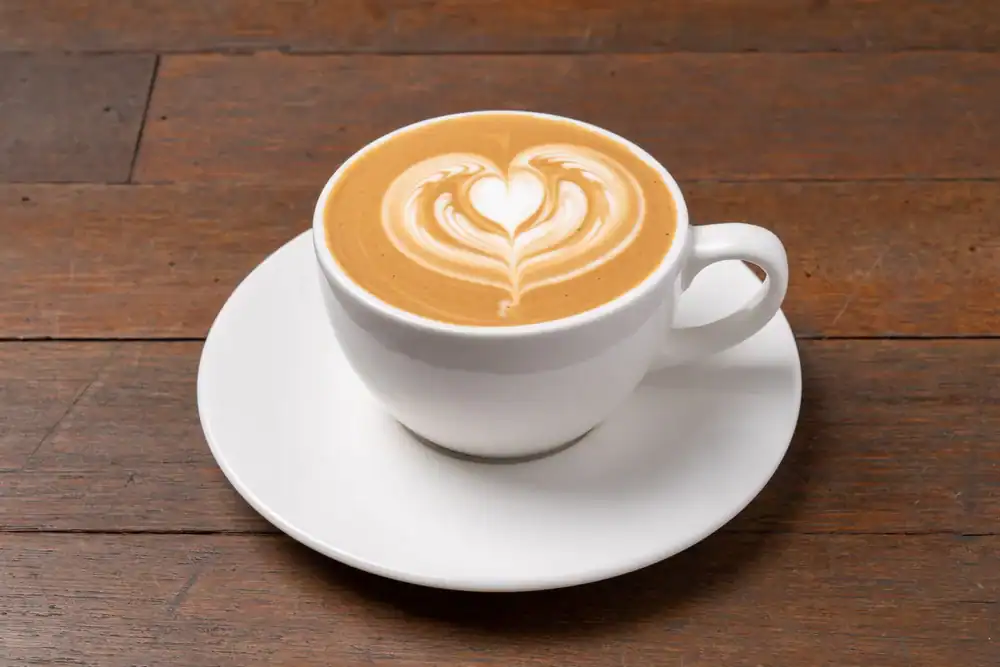
When a barista pours a perfect rosetta or heart into your cappuccino, you’re seeing skill in real time. It’s a small performance, one that acknowledges you as more than just another transaction. The visual appeal matters, sure. But the underlying message matters more: someone took the time to make this beautiful for you.
Latte art has become expected at specialty coffee shops in NYC. Walk into any third-wave cafe and you’ll see hearts, tulips, rosettas, and increasingly complex designs. The technique requires precision—properly steamed microfoam, good espresso crema, controlled pouring technique. When done well, it signals that the cafe takes coffee seriously as a craft, not just a commodity.
The Instagram factor is real. Elaborate latte art drives social media engagement because people want to capture that moment before it disappears. Cafes that invest in training baristas to create consistent, photogenic foam designs see that investment return in the form of user-generated content marketing. Every photo tagged with your location is free advertising to that person’s entire network.
But there’s a balance to strike. Latte art should enhance the coffee experience, not overshadow it. The drink still needs to taste good. The foam texture still needs to be right. If you’re sacrificing quality for appearance, customers will notice and they won’t come back.
Some NYC cafes are pushing latte art further with technology. Sweet Moment in Chinatown became Instagram-famous for their bear-faced latte designs. Other spots use edible printing to recreate selfies in foam. These approaches work because they create a shareable moment—something unique enough that people want to document and share it.
The key is authenticity. Whether you’re doing classic pours or experimental designs, it needs to feel genuine to your brand. A rustic, industrial cafe doing minimalist hearts makes sense. That same cafe trying to recreate complex 3D designs might feel off-brand. Know what fits your space and your audience.
Want live answers?
Connect with a The Café Galerie expert for fast, friendly support.
Window art is your first impression. Before anyone walks through the door, they’re making a decision based on what they see from the sidewalk.
In high-traffic areas like Thompson Street in Greenwich Village, you’re competing for attention with dozens of other storefronts. Window art gives you a way to stand out without shouting. It can be seasonal—holiday themes, summer florals, autumn leaves—or permanent branding that establishes your identity.
The technique matters. Hand-painted window art using acrylic or tempera paint creates a different feel than vinyl decals. Chalk markers on glass offer a middle ground: professional-looking but still removable. Each approach has its place depending on your goals and budget.
Seasonal window displays keep your storefront fresh. They give regular customers a reason to notice your space again instead of walking past on autopilot.
The psychology is straightforward. When something changes, people pay attention. A cafe that updates its window art every few months signals that it’s active, engaged, and worth checking out. It shows you’re invested in the neighborhood, not just occupying space until the lease runs out.
NYC cafes that embrace seasonal displays often see upticks in foot traffic during transition periods. A well-executed autumn window in September catches people’s attention as they adjust to the new season. Holiday windows in November and December tap into existing cultural momentum. Spring displays in March offer visual relief after a long winter.
The execution doesn’t need to be complicated. Simple cafe chalk art featuring seasonal produce, relevant color palettes, or holiday motifs can be just as effective as elaborate painted scenes. What matters is that it feels intentional and connected to the current moment.
Rotating art exhibitions take this concept further. Instead of just changing decorative elements, you’re showcasing actual artwork from local artists. This serves multiple purposes. It supports the creative community. It gives customers something new to discover with each visit. And it positions your cafe as a cultural space, not just a transactional one.
We use this model at our Thompson Street location, featuring monthly rotating exhibitions from emerging NYC artists. The work is for sale directly from the artists at fair prices, creating an accessible entry point for people who might feel intimidated by traditional galleries. There’s no admission fee, no pressure, just art integrated into a space people are already using for coffee and conversation.
This approach addresses a real pain point. Many people want to support local artists and purchase original work, but they don’t know how to access that world. Gallery openings can feel exclusive. Prices are often opaque. The social dynamics are unclear if you’re not already part of that scene. When you put art in a cafe setting, you remove those barriers. Customers can spend time with the work over multiple visits, talk to the artists during their shifts, and make purchase decisions without pressure.
Interactive displays flip the script. Instead of just consuming visual content, customers become part of creating it.
User-generated content walls invite people to contribute. That might mean a chalkboard where customers can write messages, a photo wall where people add Polaroids, or a collaborative art piece that evolves over time. The specific format matters less than the underlying invitation: you’re welcome to leave your mark here.
This creates emotional investment. When someone has contributed to your space, they have a reason to come back and see how it’s changed. They bring friends to show them their contribution. They feel a sense of ownership and connection that purely transactional spaces can’t generate.
Our user-generated content wall exemplifies this approach. It’s not just decoration—it’s an ongoing conversation between us and our community. Each addition reflects the neighborhood’s creative energy and gives customers a way to participate in the space’s identity.
From a business perspective, interactive displays also solve the content creation problem. Instead of constantly producing new material to keep the space interesting, you’re creating a framework where customers generate that freshness for you. It’s sustainable and authentic in ways that top-down content strategies often aren’t.
The key is making participation easy and low-stakes. If people need special materials or permission, they won’t engage. But if there’s a jar of chalk next to a clean blackboard with a simple prompt, you’ll get contributions. Keep the barrier to entry minimal and the invitation clear.
Interactive elements also photograph well, which brings us back to social media. When customers take pictures of their contributions or the overall wall, they’re creating content that markets your cafe to their networks. It’s organic, credible, and far more effective than any ad you could run.
The maintenance side requires attention. Interactive displays need regular curation to stay fresh and prevent them from becoming cluttered or inappropriate. Someone needs to monitor contributions, refresh surfaces, and occasionally reset the space. But that ongoing care is part of what makes it feel alive rather than static.
Cafe chalk art, window displays, coffee murals, and latte foam designs all serve the same fundamental purpose. They create visual warmth in spaces that could otherwise feel cold and transactional. They signal that someone here cares about craft, not just efficiency.
The best implementations don’t try to do everything at once. They pick one or two elements that fit the space and the brand, then execute those well. A chalkboard menu that’s updated daily with actual handwriting. A seasonal window display that changes four times a year. A signature latte art style that becomes recognizable. Any of these can differentiate your cafe if done with consistency and authenticity.
What doesn’t work is treating visual elements as an afterthought or trying to copy what’s trendy without understanding why it resonates. Customers can tell the difference between genuine creative expression and aesthetic window dressing. They respond to the former and ignore the latter.
If you’re in New York County, NY and you want to experience how art and coffee can coexist without pretense, we demonstrate this approach at 168 Thompson Street in Greenwich Village. Our combination of rotating artist exhibitions, self-serve coffee technology, and approachable gallery atmosphere shows what’s possible when you prioritize authentic experiences over corporate efficiency.
Summary:
Share: