Coffee workshops in NYC teach practical brewing skills, latte art, and tasting techniques in hands-on sessions designed for beginners and enthusiasts alike.
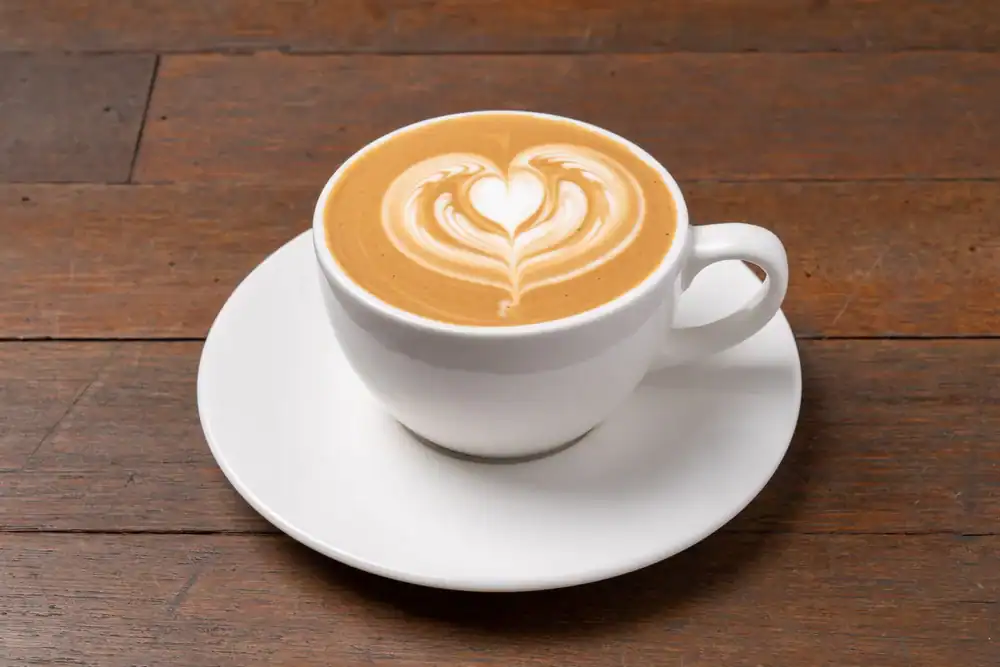
You’ve watched baristas create perfect rosettas in your morning latte and wondered how they do it. You’ve tasted coffee that somehow captures notes of blueberry and chocolate, and you want to understand why. Maybe you’re tired of mediocre home brews that never quite match what you get at your favorite shop.
Coffee workshops exist because watching isn’t the same as doing. The difference between knowing coffee tastes good and understanding why it tastes good comes down to hands-on practice with someone who actually knows what they’re talking about. You’ll walk away with techniques you can use tomorrow morning, not just theory you’ll forget by next week.
Let’s talk about what coffee workshop education actually involves and how it builds skills that matter.
Coffee workshops aren’t lectures. They’re structured practice sessions where you work with professional equipment under the guidance of experienced baristas who’ve spent years perfecting techniques you’re trying to learn in an afternoon.
Most workshops in New York County, NY focus on specific skills. Latte art classes teach milk steaming and pouring technique. Brewing workshops cover pour-over methods like V60 or Aeropress. Cupping sessions develop your palate so you can identify flavor notes beyond “tastes like coffee.”
The format matters. You’re not watching someone demonstrate and taking notes. You’re grinding beans, adjusting variables, tasting results, and immediately trying again with feedback. That repetition with expert correction is what separates a workshop from a YouTube video.
Brewing workshops strip coffee down to its fundamentals: water temperature, grind size, contact time, and ratio. These variables determine whether your coffee tastes balanced or bitter, bright or flat.
You’ll start with one brewing method – maybe a pour-over or French press. The instructor demonstrates proper technique, then you do it yourself while they watch. You’re adjusting grind settings on commercial equipment, learning to control pour speed, understanding how bloom affects extraction.
Here’s what makes it valuable: immediate feedback. You taste what you just brewed. The instructor tastes it. They tell you specifically what to adjust and why. Then you brew again with those corrections.
Most brewing workshops in NYC run 2-3 hours. That’s enough time to brew multiple rounds, compare results side by side, and develop muscle memory for the techniques. You’re not just learning the right way to do it – you’re experiencing what happens when you do it wrong, which teaches you how to troubleshoot at home.
The equipment access matters too. Commercial grinders offer precision you won’t have in your kitchen. Professional brewing setups let you isolate variables in ways that are harder with home equipment. You’re learning ideal technique, then figuring out how to adapt it to your own setup.
By the end, you understand not just how to follow a recipe, but why that recipe works. You can taste the difference between under-extracted sourness and proper acidity. You know what over-extraction tastes like and how to prevent it. That knowledge transfers to every cup you make going forward.
Latte art looks impressive, but it’s actually a practical skill that indicates proper milk texture and espresso quality. If your milk isn’t steamed correctly, you can’t pour designs. If your espresso isn’t extracted properly, the crema won’t hold the pattern.
Latte art classes in New York County, NY typically start with milk steaming technique. You’re learning to create microfoam – that silky, glossy texture that’s neither too thick nor too thin. The instructor shows you proper steam wand positioning, how to listen for the right sound, how to judge texture by sight and feel.
Then comes the pour. Hearts are usually first because they teach fundamental control: pitcher height, pour speed, the moment when you drop close to the surface to create contrast. You’ll pour dozens of hearts before moving to tulips or rosettas.
Most people mess up their first ten attempts. That’s expected. The instructor watches your hand position, your pour angle, the way you’re moving the pitcher. They make small corrections – “drop an inch lower,” “slow your pour,” “wiggle faster” – and you immediately try again.
What surprises most beginners is how physical it is. Your wrist gets tired. Your pour hand develops muscle memory. You start to feel when the milk texture is right before you even look at it. These are skills that only develop through repetition with correction.
A typical latte art class runs 1.5 to 2 hours. You’ll steam and pour enough times that the basic motions start to feel natural. You won’t be competition-ready, but you’ll understand the mechanics well enough to practice effectively at home. And you’ll know exactly what you’re doing wrong when your home pours don’t work, which is half the battle.
Want live answers?
Connect with a The Café Galerie expert for fast, friendly support.
Cupping is the standardized method coffee professionals use to evaluate beans. It removes brewing variables so you’re tasting the coffee itself, not the brewing technique.
In cupping workshops, you’re learning to identify specific flavors, assess quality, and understand how origin and processing affect taste. The instructor sets up multiple coffees side by side. You smell the dry grounds, smell them after adding water, then taste using a specific slurping technique that aerates the coffee across your palate.
This isn’t wine-snob pretension. It’s practical sensory training. You’re developing the ability to taste differences you currently miss, which makes you better at selecting beans, dialing in brewing parameters, and troubleshooting when something tastes off.

A cupping session follows a specific protocol. The instructor grinds several different coffees to the same coarseness. Each sample gets the same amount of hot water. You wait a set time, then “break the crust” – pushing aside the grounds floating on top while smelling the released aromatics.
Then comes the tasting. You use a spoon to slurp coffee from the cup, aerating it across your tongue. This isn’t about being loud or dramatic – the slurping technique actually spreads the liquid across more taste receptors, making subtle flavors more apparent.
The instructor guides you through what to notice: acidity level, body weight, sweetness, specific flavor notes. They’ll ask what you taste, then point out characteristics you might have missed. “Notice that brightness on the sides of your tongue – that’s the acidity from the high-altitude growing region.”
You’re tasting the same coffees multiple times as they cool. Temperature affects perception, and some flavors become more apparent as the coffee cools to room temperature. This is why professional cuppers evaluate coffee at multiple temperatures throughout the session.
What makes cupping educational is the direct comparison. When you taste four different coffees side by side, the differences become obvious in ways they wouldn’t if you just drank them on separate days. You can immediately taste how a natural-processed Ethiopian differs from a washed Colombian, or how roast level affects flavor development.
Most cupping workshops in NYC include 4-6 different coffees and run about 90 minutes. You’ll leave with a better understanding of what you actually like in coffee, not just what you’re supposed to like. And you’ll be able to read a coffee bag’s tasting notes and actually identify whether you’re tasting what’s described.
Your palate isn’t fixed. It develops with exposure and practice, just like any skill. The first time you cup coffee, you might taste “coffee flavor” and not much else. After several sessions, you start distinguishing fruit notes from chocolate notes, recognizing different types of acidity, noticing body variations.
Coffee education programs often reference the SCA Coffee Taster’s Flavor Wheel – a standardized tool that breaks down coffee flavors into categories. It’s not about memorizing the wheel. It’s about having vocabulary for what you’re experiencing, so you can communicate about coffee and refine your own preferences.
Professional baristas and roasters cup regularly to maintain and develop their palates. It’s how they evaluate new crop offerings, ensure roast consistency, and train their sensory memory. For coffee enthusiasts, even occasional cupping sessions significantly improve your ability to appreciate and select quality coffee.
The practical benefit shows up in your daily coffee routine. You become better at choosing beans you’ll actually enjoy. You can taste when your grind is off or your water temperature isn’t ideal. You understand why that bag you bought based on hype doesn’t match your preferences, and you know what to try instead.
Cupping workshops also create community. You’re tasting alongside other coffee lovers, sharing impressions, learning from each other’s perspectives. Someone might pick up a note you missed, expanding your sensory awareness. The discussion around the cupping table often teaches as much as the instructor’s formal guidance.
For anyone serious about coffee – whether you’re considering barista work, opening a cafe, or just want to maximize your morning cup – cupping education provides a foundation that improves every other aspect of your coffee experience.
Coffee workshop education works because it combines expert instruction with hands-on practice in a format that builds actual skills. You’re not just learning about coffee – you’re developing techniques you can use immediately, whether that’s pulling better espresso shots at home, creating latte art that doesn’t disappear, or selecting beans that match your taste preferences.
The best workshops focus on practical application over theory. They give you enough repetition with feedback that the techniques start to feel natural. They create space to ask questions and make mistakes in a low-pressure environment where everyone’s learning together.
If you’re in New York County, NY and you’re ready to move beyond watching baristas work their magic, we offer the kind of environment where coffee education meets creative culture. Our combination of advanced coffee technology and gallery atmosphere creates a unique space for developing skills while surrounded by art and community.
Summary:
Share: