NYC's spring art season brings gallery openings, emerging artist spotlights, and accessible ways to discover local talent. Find out where to experience authentic art this season.
You’re tired of walking past the same corporate art in coffee shops. You want to see work that’s actually made by people who live here, not mass-produced prints shipped from a warehouse. Spring in NYC is when the art world opens up—literally. Gallery doors swing wide for openings, artists show new work, and the whole city feels like it’s creating something worth paying attention to. Between March and June, you have more chances to discover local talent, attend artist talks, and experience art in spaces that don’t make you feel like you need a PhD to walk through the door. Here’s how to make the most of it.
Spring in New York isn’t just about the weather getting better. It’s when the city’s creative energy shifts into high gear. Galleries that have been quiet through winter start unveiling their biggest exhibitions. Artists who’ve been working in studios all season finally have something to show. And the whole ecosystem—from Chelsea to the Lower East Side—feels more alive.
This isn’t about one big event. It’s about hundreds of openings, talks, and exhibitions happening between March and June. You could gallery hop every weekend and still not see everything. The difference between spring and the rest of the year is density. More shows. More emerging artists getting their first real exposure. More opportunities to see work before it gets picked up by larger institutions or collectors.
If you’ve ever felt like the art world is closed off or intimidating, spring is when those barriers come down. Galleries need foot traffic. Artists want people to see their work. And the whole scene becomes more accessible because everyone’s trying to make an impression during the season that matters most.
New York has over a thousand art galleries, but they’re not evenly distributed. Most cluster in six neighborhoods: Chelsea, SoHo, Midtown, the Upper East Side, Greenwich Village, and the East Village. Each area has its own vibe, and understanding where to go makes the difference between wandering aimlessly and actually finding something worth your time.
Chelsea is the heavyweight. It’s where you’ll find blue-chip galleries showing established names alongside emerging artists. The openings here can feel a bit formal, but the quality is consistently high. If you’re serious about seeing museum-caliber work before it ends up in a museum, Chelsea is where you start.
Greenwich Village has been an art colony since the 1850s. It’s where the Whitney Museum started, where countless artists lived and worked, and where the creative energy still feels rooted in the neighborhood rather than imported. The galleries here tend to be smaller, more intimate, and more willing to take risks on artists who haven’t made a name yet. You’re more likely to have a conversation with the artist or gallery owner here than in Chelsea.
SoHo used to be the center of everything. It’s still packed with galleries, but the neighborhood has shifted toward high-end retail. You’ll find plenty of contemporary work here, but it can feel more commercial. Still worth visiting, especially if you’re already in the area.
The Lower East Side and East Village are where the experimental stuff lives. These galleries are often artist-run or focused on very specific aesthetics. The work can be hit or miss, but when it hits, you’re seeing something you won’t find anywhere else. This is where emerging artists get their first shows, where the rent is still low enough for galleries to take real risks.
If you’re planning to gallery hop, pick a neighborhood and commit to it for an afternoon. Trying to bounce between Chelsea and the Lower East Side in one day means you’ll spend more time on the subway than actually looking at art. Most galleries are clustered close enough that you can walk between them, and that’s when you start to get a feel for what’s happening in the scene right now.
Discovering an artist before they blow up is one of the best parts of paying attention to the art scene. It’s not about bragging rights. It’s about getting to know their work when it’s still affordable, when you can actually talk to them at openings, and when buying a piece means something to both of you.
The key is knowing where emerging artists actually show their work. Traditional galleries in Chelsea or the Upper East Side rarely take risks on unknowns. They have overhead to cover and collectors to please. But smaller galleries, artist-run spaces, and hybrid venues are where new talent gets discovered.
Start with open studio events. Bushwick Open Studios happens every spring and gives you direct access to hundreds of artists working in Brooklyn. You’re walking into their actual studios, seeing work in progress, and having real conversations about their process. No middleman. No gallery markup. Just you and the artist. It’s one of the best ways to find work that resonates with you before it gets picked up by a gallery.
Art fairs focused on emerging talent are another solid option. The Affordable Art Fair returns to NYC every spring with work priced between one hundred and twelve thousand dollars. It’s designed for people who want original art without the intimidation factor. The Focus section at Frieze showcases young galleries presenting solo shows by artists making their debut. These are the names you’ll be hearing about in a year or two.
Hybrid spaces that combine coffee shops with gallery exhibitions are underrated for discovery. We rotate local artists monthly at our Greenwich Village location, giving emerging talent wall space and foot traffic they wouldn’t get otherwise. Because we don’t operate like traditional galleries, the artists aren’t locked into exclusive representation deals, and the pricing is more transparent. You’re buying directly from the creator, which means more of your money goes to supporting their practice.
Pay attention to artist talks and panel discussions. Galleries and cultural institutions host these throughout spring, and they’re often free. You’ll hear artists discuss their work, their influences, and what they’re trying to accomplish. It’s a crash course in understanding their vision, and it helps you decide whether their work is something you actually connect with or just something that looks good on Instagram.
Follow galleries that focus on emerging talent. Clearing, C24 Gallery, and Half Gallery all have track records of discovering artists early. If you see a name pop up in multiple emerging artist contexts—open studios, small gallery shows, art fair Focus sections—pay attention. That’s usually a sign someone’s about to break through.
Want live answers?
Connect with a The Café Galerie expert for fast, friendly support.
Traditional gallery experiences can feel exhausting. You walk in, someone watches you from a desk, and you’re not sure if you’re supposed to ask questions or just look around quietly. It doesn’t have to be that way.
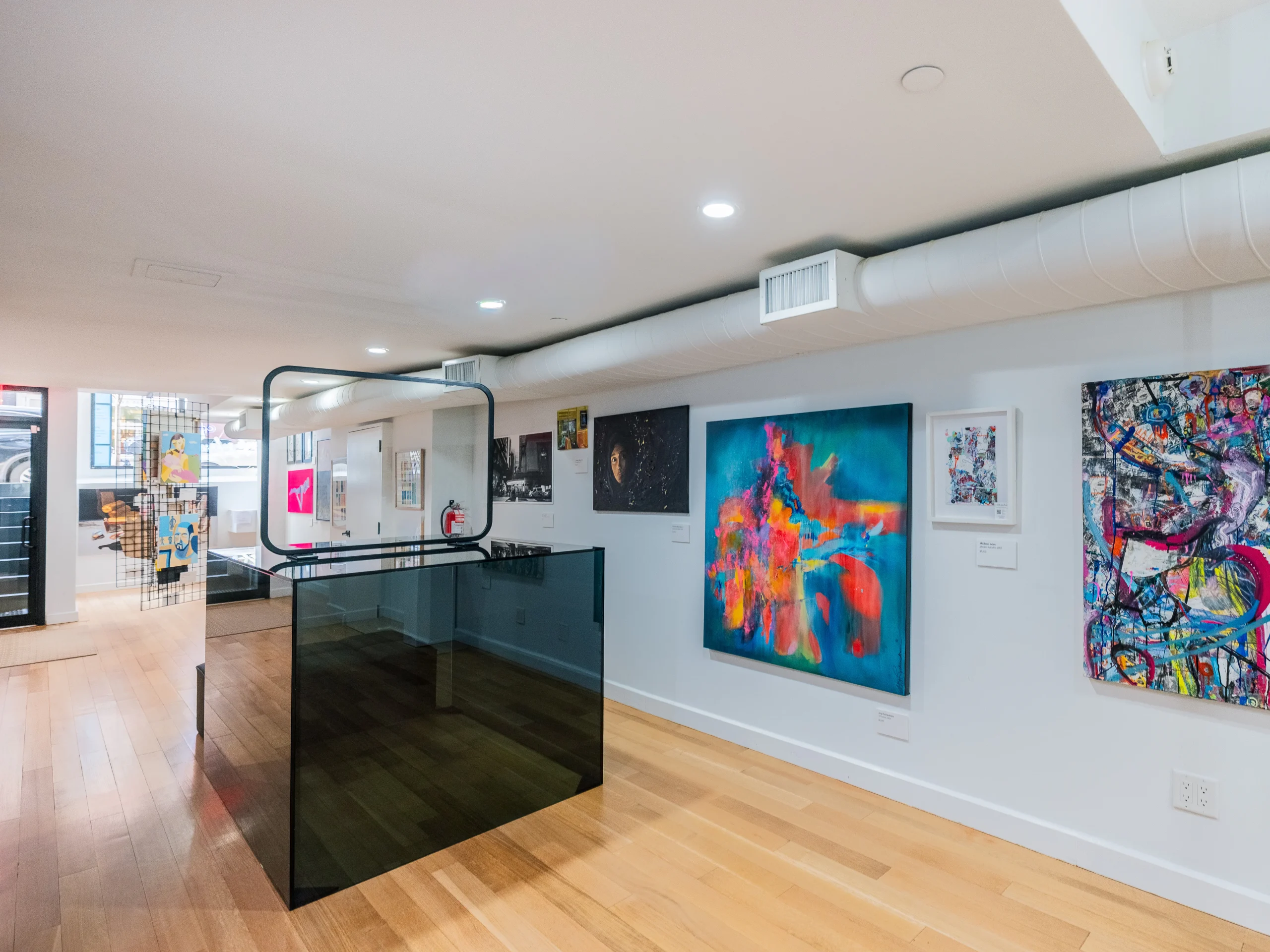
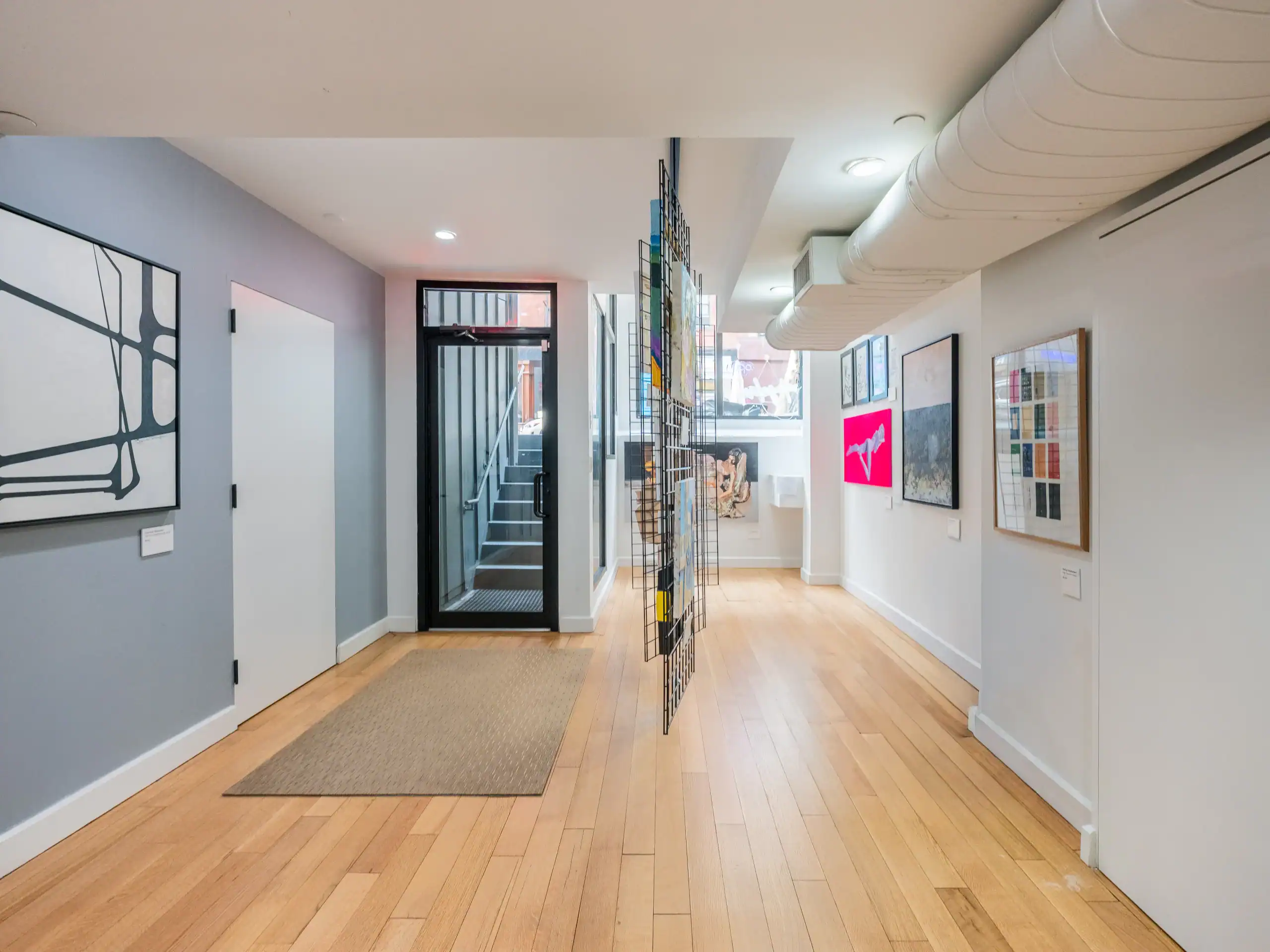
The best gallery experiences happen when the space itself invites you to stay, not rush through. Coffee shop gallery hybrids have figured this out. You can sit with a drink, look at the work on the walls, and decide how much or how little you want to engage. There’s no pressure to buy, no one hovering, and no sense that you’re taking up space meant for “real” collectors.
Greenwich Village has a long history of making art accessible. It’s where artists have lived and worked since the mid-1800s, where galleries opened specifically to give emerging talent a shot, and where the whole ethos has always been about creativity over commerce. That legacy still exists if you know where to look.
Buying original art in NYC doesn’t require a trust fund. It requires knowing where to look and being willing to buy from artists who haven’t been picked up by major galleries yet.
Direct artist sales are the most affordable option. When you buy at an open studio event or from an artist-run space, you’re cutting out the gallery commission. Traditional galleries take anywhere from thirty to fifty percent of the sale price. When you buy directly, that money goes to the artist instead. You’re getting the same work for less, and you’re supporting their practice in a way that actually matters.
Hybrid gallery-cafe spaces offer another route. Because these venues make money from coffee and food, they don’t need to take massive commissions on art sales. We facilitate direct transactions between you and the artist, which means fair pricing on both ends. You’re not paying gallery overhead, and the artist isn’t giving up half their income to get wall space.
Emerging artist fairs price work with accessibility in mind. The Affordable Art Fair caps pieces at twelve thousand dollars, but plenty of work sits in the few-hundred to two-thousand range. These aren’t prints or reproductions. They’re original paintings, drawings, and mixed media pieces by artists who are building their careers. You’re buying work that could appreciate in value, but more importantly, you’re buying something made by a real person whose practice you’re helping sustain.
Look for artists who are just starting to get gallery representation. Their prices haven’t caught up to their talent yet. Follow galleries that focus on emerging names, attend their openings, and ask about pricing. You’ll be surprised how many original works are available for under a thousand dollars if you’re willing to buy from someone whose name you don’t recognize yet.
Don’t overlook smaller works. A lot of emerging artists create studies, sketches, or smaller pieces alongside their main body of work. These are often priced to move because artists need cash flow to keep working. A small original painting by a talented artist is a better investment than a large print by someone famous. You’re getting something unique, and you’re building a relationship with an artist whose work you can follow as they develop.
Buying local artists’ paintings is also about timing. Spring is when artists are unveiling new work. They’re motivated to sell because they need to fund the next project. Galleries are motivated to move inventory because they’re making room for summer exhibitions. If you’re serious about buying, spring gives you the best selection and the most leverage to negotiate on price.
Summer art shows in NYC run from late May through August, but the momentum builds during spring. By the time June hits, you’re already seeing previews, hearing buzz about what’s coming, and getting invitations to openings that will define the summer season.
Planning your art season means knowing what’s on the calendar and being selective about what you commit to. You can’t see everything. Trying to hit every opening, every fair, and every exhibition will burn you out. Instead, focus on what actually interests you.
Start by identifying a few galleries or artists you want to follow. Sign up for their mailing lists. Most galleries send out monthly or bi-weekly emails with opening dates, artist talks, and special events. This gives you a curated calendar without having to hunt for information.
Art fairs are worth attending if you’re serious about discovering new work. Frieze New York happens in May and brings together galleries from around the world. The Focus section is where you’ll find emerging talent. The Affordable Art Fair runs multiple times a year, including a spring edition in March. If you’re looking to buy, fairs give you access to dozens of galleries in one location, which makes comparison shopping easier.
Gallery openings are free and usually include wine or beer. They’re social events as much as art events. You’ll meet other people who care about creativity, you’ll hear artists talk about their work, and you’ll get a sense of what’s resonating in the scene right now. Openings typically happen Thursday through Saturday evenings. Pick one or two a week and make it part of your routine.
Artist talks and panel discussions offer deeper context. Museums and larger galleries host these throughout spring and summer. They’re usually free or low-cost, and they give you insight into how artists think about their work. If you’re trying to understand contemporary art beyond just “I like how it looks,” these events are invaluable.
Don’t sleep on evening art events at hybrid spaces. We host Friday and Saturday night programming that blends art, music, and community. It’s a different vibe than a formal gallery opening—more relaxed, more conversational, and more focused on actually enjoying the experience rather than networking or collecting business cards.
Summer art shows also happen outside traditional gallery spaces. Public art installations pop up in parks, on the High Line, and in unexpected corners of the city. These are free, accessible, and often more experimental than what you’ll see in galleries. Keep an eye on NYC Parks’ programming and organizations like Public Art Fund for announcements.
The key to planning your season is balance. Mix formal gallery visits with casual coffee shop art experiences. Attend a few big fairs but also hit smaller artist-run spaces. Go to openings but also spend time just sitting with work you like. The best art experiences happen when you’re not rushing, when you’re actually present, and when you’re engaging with work because it interests you, not because you feel like you’re supposed to.
NYC’s spring and summer art season gives you months of opportunities to discover work that matters. You don’t need connections, you don’t need a massive budget, and you don’t need to pretend you understand every reference or movement. You just need to show up, look around, and pay attention to what resonates with you.
The best discoveries happen when you’re not trying too hard. Walk into a gallery because it’s on your block. Stop by a coffee shop that happens to showcase local artists. Attend an opening because a friend invited you. The more you engage with the scene on your own terms, the more you’ll find work and artists that actually speak to you.
If you’re in Greenwich Village, stop by our space at 168 Thompson Street. We’re the kind of place that makes art feel accessible without dumbing it down, where you can grab a coffee and spend time with rotating exhibitions from local NYC artists. No pressure, no pretension, just good coffee and real art in a neighborhood that’s been supporting creativity for over 150 years.
Summary:
Share: