The art of coffee goes beyond brewing—it's where technical mastery meets creative expression, transforming your daily cup into a multisensory experience worth savoring.
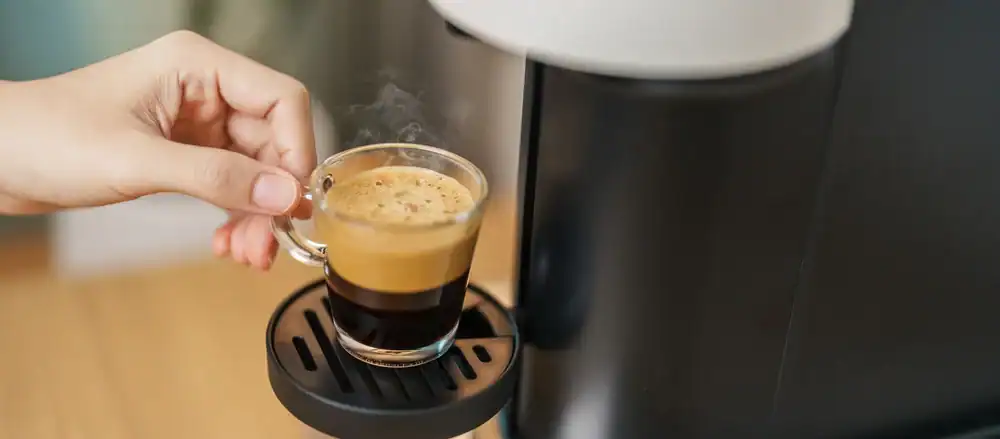
You’ve probably noticed it—that moment when a barista slides a perfectly crafted latte across the counter, its surface adorned with an intricate design. Or maybe you’ve caught yourself pausing before that first sip, appreciating not just the aroma but the artistry in the cup. The art of coffee isn’t just about caffeine anymore. It’s about precision meeting creativity, science dancing with aesthetics, and your daily ritual becoming something worth documenting.
Understanding what goes into that cup changes how you experience it. From the beans that traveled thousands of miles to the extraction process that pulls out specific flavor notes to the visual presentation that makes you reach for your phone—it all matters. And in a city like New York, where coffee culture runs deep and expectations run higher, knowing the difference between good coffee and exceptional coffee gives you an edge in finding spaces that actually deliver on both fronts.
Coffee craftsmanship starts long before water touches grounds. The beans you choose carry the story of their origin—the altitude where they grew, the soil that nourished them, the hands that harvested them. Arabica beans bring smooth, nuanced flavors with hints of fruit and chocolate. Robusta offers bold intensity and higher caffeine.
But origin is just the beginning. Roast level transforms those beans into something entirely different. Light roasts preserve delicate, bright notes that dance on your palate. Dark roasts develop rich, caramelized complexity that lingers. Medium roasts strike that sweet spot where origin characteristics meet roasting artistry.
The real magic happens when someone understands how to match beans to brewing methods. A single-origin Ethiopian coffee might sing through a pour-over, highlighting its floral notes. That same bean could get lost in a French press. This is where technical knowledge becomes creative expression—knowing which variables to adjust to bring out specific characteristics you’re chasing.
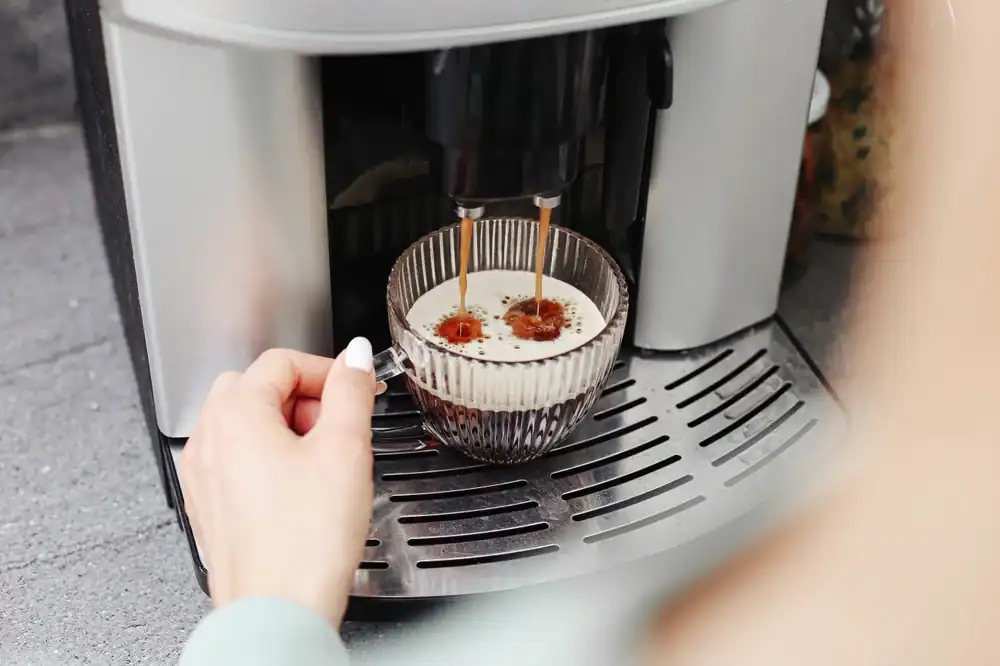
Every time you brew coffee, you’re conducting a chemistry experiment. Water dissolves hundreds of compounds from ground beans—acids, sugars, oils, aromatic molecules—each contributing to what eventually hits your taste buds. But here’s what most people miss: these compounds don’t extract at the same rate.
Acids come out first, bringing brightness and complexity. Then sugars dissolve, adding sweetness and body. Extract too long, and bitter compounds dominate, turning your cup harsh. This extraction timeline is why grind size matters so much. Finer grounds expose more surface area to water, speeding extraction. Coarser grounds slow it down, requiring longer contact time.
Water temperature plays a critical role too. Between 195°F and 205°F, you hit the sweet spot where desirable compounds dissolve without pulling excessive bitterness. Too cool, and you’re left with weak, sour coffee. Too hot, and you over-extract, creating that burnt, acrid taste that no amount of cream can fix.
The brewing method you choose determines how these variables interact. Espresso uses high pressure and fine grounds for a fast, concentrated shot that captures intense flavors in 25-30 seconds. French press steeps coarse grounds for four minutes, creating full-bodied coffee with heavier mouthfeel. Pour-over methods offer control over every variable, letting you dial in exactly the flavor profile you want.
Understanding extraction isn’t just technical knowledge—it’s the foundation for consistency. When you know what’s happening at a molecular level, you can troubleshoot problems. Sour coffee? Under-extracted. Bitter? Over-extracted. Weak? Wrong ratio. This knowledge transforms random results into repeatable excellence.
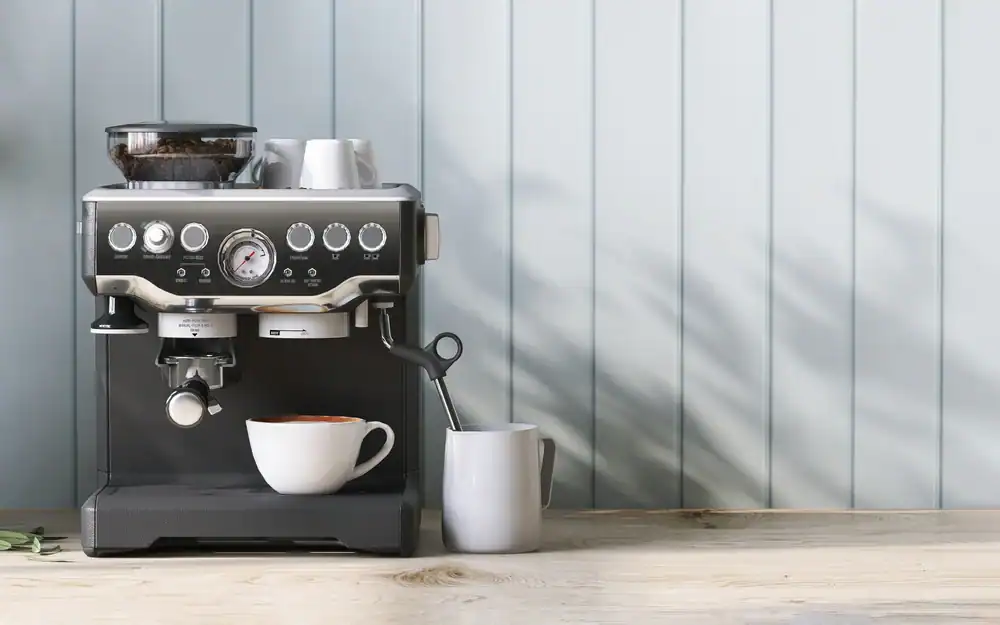
Modern technology has made this precision more accessible. Bean-to-cup machines now use sensors and algorithms to maintain optimal extraction parameters. You get artisan-quality results without needing years of barista training. The science gets handled automatically, freeing you to focus on enjoying the outcome rather than obsessing over technique.
There’s something inherently calming about the coffee ritual. The sound of beans grinding. The bloom as hot water first touches grounds, releasing trapped carbon dioxide and filling the air with aroma. The slow, steady pour that requires your full attention. These moments pull you into the present in a way few other daily activities manage.
This meditative quality isn’t accidental. Coffee preparation demands focus. You can’t rush proper extraction. You can’t multitask through dialing in the perfect grind size. The process itself becomes a form of mindfulness practice, where precision and patience merge into something almost therapeutic.
In creative spaces, this ritual takes on additional significance. Artists and students have long gravitated toward coffee shops not just for caffeine but for the environment those rituals create. The rhythmic sounds of espresso machines, the visual appeal of well-crafted drinks, the communal yet individual nature of the experience—it all contributes to an atmosphere conducive to creative work.
NYC’s coffee culture has always understood this connection. From the historic cafés of Greenwich Village where Beat poets gathered to today’s hybrid spaces combining art galleries with coffee service, the city recognizes that coffee culture and creative culture feed each other. When you slow down enough to appreciate the craft in your cup, you’re more likely to notice the art on the walls, the design of the space, the details that make a place special.
This is why spaces that respect both the art of coffee and actual art create something unique. They’re not rushing you through a transaction. They’re offering an experience that engages multiple senses, invites you to linger, and recognizes that sometimes the best ideas come when you’re holding a well-made drink in a thoughtfully designed environment.
The self-serve technology emerging in modern coffee spaces doesn’t diminish this meditative quality—it refines it. When machines handle the technical precision, you’re free to focus on the sensory experience. No stress about whether the barista got your order right. No anxiety about the line behind you. Just you, your coffee, and whatever creative pursuit brought you there in the first place.
Want live answers?
Connect with a The Café Galerie expert for fast, friendly support.
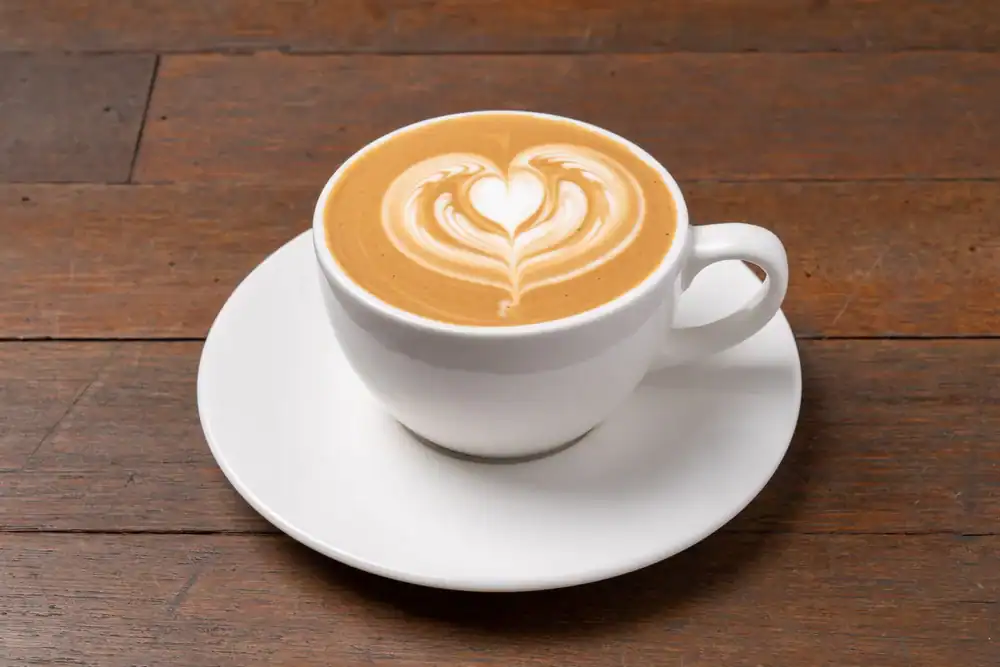
Latte art transformed coffee from beverage to canvas. What started in 1980s Seattle as simple hearts has evolved into intricate designs that require serious skill to execute. But this visual element isn’t just decoration—it’s proof of proper technique. That rosetta or tulip on your cappuccino’s surface tells you the milk was steamed to the right temperature, textured to create stable microfoam, and poured with precision.
The science behind latte art is surprisingly complex. Milk proteins and fats must be heated and aerated just right to create microfoam—those tiny, uniform bubbles that give steamed milk its velvety texture. Too much air, and you get stiff, dry foam. Too little, and the milk won’t hold a pattern. The sweet spot requires understanding milk chemistry and developing muscle memory through repetition.
Gen Z has elevated this visual aspect even further. Coffee isn’t just consumed anymore—it’s documented, shared, curated into social media feeds. This shift has pushed cafés to consider presentation as seriously as flavor. The most photographed coffee shops in NYC didn’t get there by accident. They understand that in today’s culture, visual appeal and taste quality must coexist.
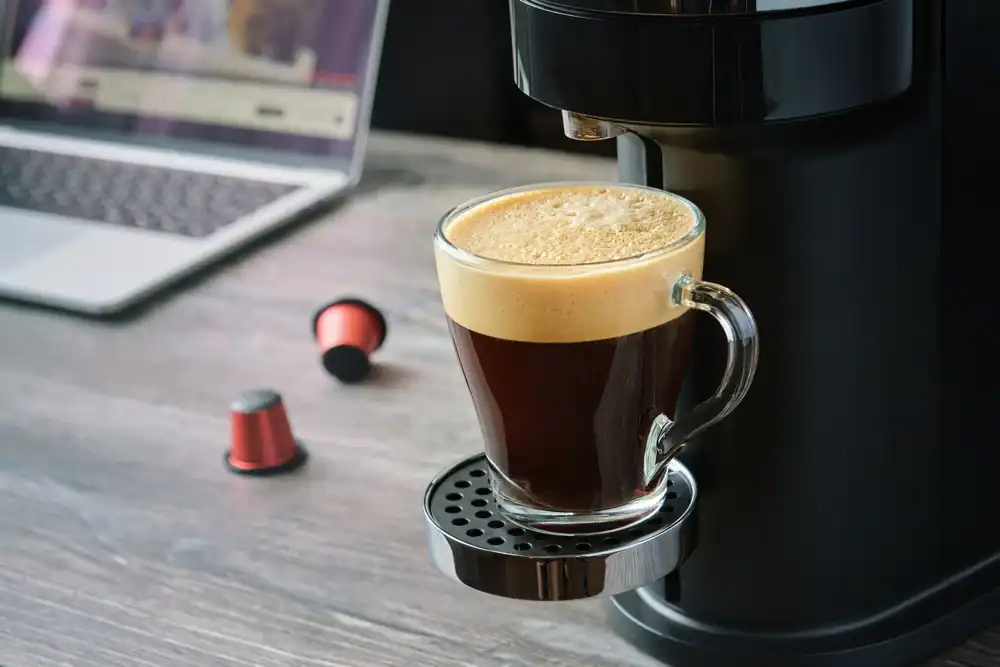
Creating latte art requires mastering three primary factors: pour speed, proximity to the cup, and spout placement. Start your pour high and slow, letting the milk sink beneath the crema. As the cup fills, lower your pitcher close to the surface and increase flow. This is when foam begins to appear on top, creating the white contrast against dark espresso that makes patterns possible.
The most common designs—hearts, tulips, rosettas—each demand different wrist movements and pouring rhythms. A heart requires a steady pour in one spot until a white circle forms, then a quick pull through the center. Rosettas need side-to-side rocking while moving backward, creating layered leaves. Tulips stack multiple hearts by lifting and dropping the pitcher repeatedly.
But technique only matters if your ingredients are right. Freshly pulled espresso with adequate crema provides the canvas. Properly textured milk creates the paint. Whole milk remains the gold standard because its fat and protein structure creates the most stable microfoam, though oat milk has emerged as the best dairy-free alternative for latte art.
The rise of barista milk—specifically formulated with higher protein content for better foam stability—shows how seriously the industry takes this visual element. Farmers now breed cows and adjust feed to produce milk that performs better under steam wands. What seemed like simple decoration has driven innovation across the entire dairy supply chain.
In NYC, where coffee shops compete for attention in the most saturated market in America, presentation quality separates memorable experiences from forgettable ones. The cafés that thrive aren’t just serving good coffee—they’re creating Instagram-worthy moments that customers want to share. This social proof drives discovery in ways traditional advertising never could.
Technology is changing this landscape too. While traditional latte art requires years of practice, modern machines can now produce consistent designs automatically. This democratization means more places can offer visually appealing drinks without employing championship-level baristas. The art becomes accessible rather than exclusive.
The intersection of visual art and coffee culture creates something neither achieves alone. When rotating artist exhibitions share space with coffee service, both elements elevate each other. The art provides context and atmosphere. The coffee creates the ritual that makes people slow down enough to actually look at what’s on the walls.
This hybrid model has roots in European café culture, where intellectuals and artists gathered in spaces that served both social and creative functions. NYC’s Greenwich Village carried that tradition forward, with cafés becoming de facto galleries where emerging artists could show work without the intimidation factor of formal gallery settings. Today’s hybrid spaces update that concept with modern sensibilities.
What makes these environments work is mutual respect between mediums. The coffee needs to be good enough to justify the visit on its own. The art needs to be compelling enough to reward attention. When both elements meet high standards, you get spaces that become destinations rather than just convenient stops.
For artists, café galleries offer advantages traditional galleries can’t match. Foot traffic from coffee customers means more eyes on work. Casual browsing in a relaxed environment often leads to sales that formal gallery settings might not generate. Fair pricing without gallery commission makes art more accessible to buyers who appreciate creativity but don’t have collector budgets.
For coffee drinkers, these spaces offer cultural enrichment without requiring separate trips to museums or galleries. You can grab your morning coffee and discover a new favorite artist. The UGC wall concept—where customers become part of the visual landscape—extends this participation, turning passive consumption into active engagement.
NYC’s creative community has always needed spaces that support both craft and commerce. When a café understands that supporting local artists isn’t just good branding but essential to the city’s cultural ecosystem, something authentic emerges. You’re not just buying coffee—you’re participating in a model that keeps creativity accessible and artists compensated fairly.
The visual presentation of coffee itself becomes part of this artistic dialogue. When latte art sits next to framed paintings, when the café’s design aesthetic complements rotating exhibitions, when every element from lighting to furniture choices contributes to a cohesive visual experience—that’s when coffee service transcends transaction and becomes cultural participation.
The art of coffee isn’t about pretension or exclusivity. It’s about recognizing that the things we consume daily deserve attention and craft. When you understand what goes into exceptional coffee—the bean selection, the extraction science, the visual presentation—you start noticing the difference between spaces that care about these details and those just going through motions.
NYC’s coffee culture keeps evolving because the city demands both quality and authenticity. The cafés that thrive aren’t the ones with the biggest marketing budgets. They’re the ones that respect your time, deliver consistent quality, and create environments worth returning to. Whether that’s through technological innovation that eliminates wait times, artistic programming that supports local creators, or simply mastering the fundamentals of extraction and presentation—what matters is the commitment to excellence.
If you’re looking for a space where coffee craftsmanship meets visual creativity, where technology serves quality rather than replacing it, and where supporting artists and enjoying exceptional coffee happen simultaneously, we bring all these elements together at our Thompson Street location in Greenwich Village.
Summary:
Share: