At Café Galerie in Greenwich Village, experiencing local art is as simple as ordering your morning coffee. Rotating exhibitions, artist meet-and-greets, and direct purchasing make NYC's creative scene accessible.
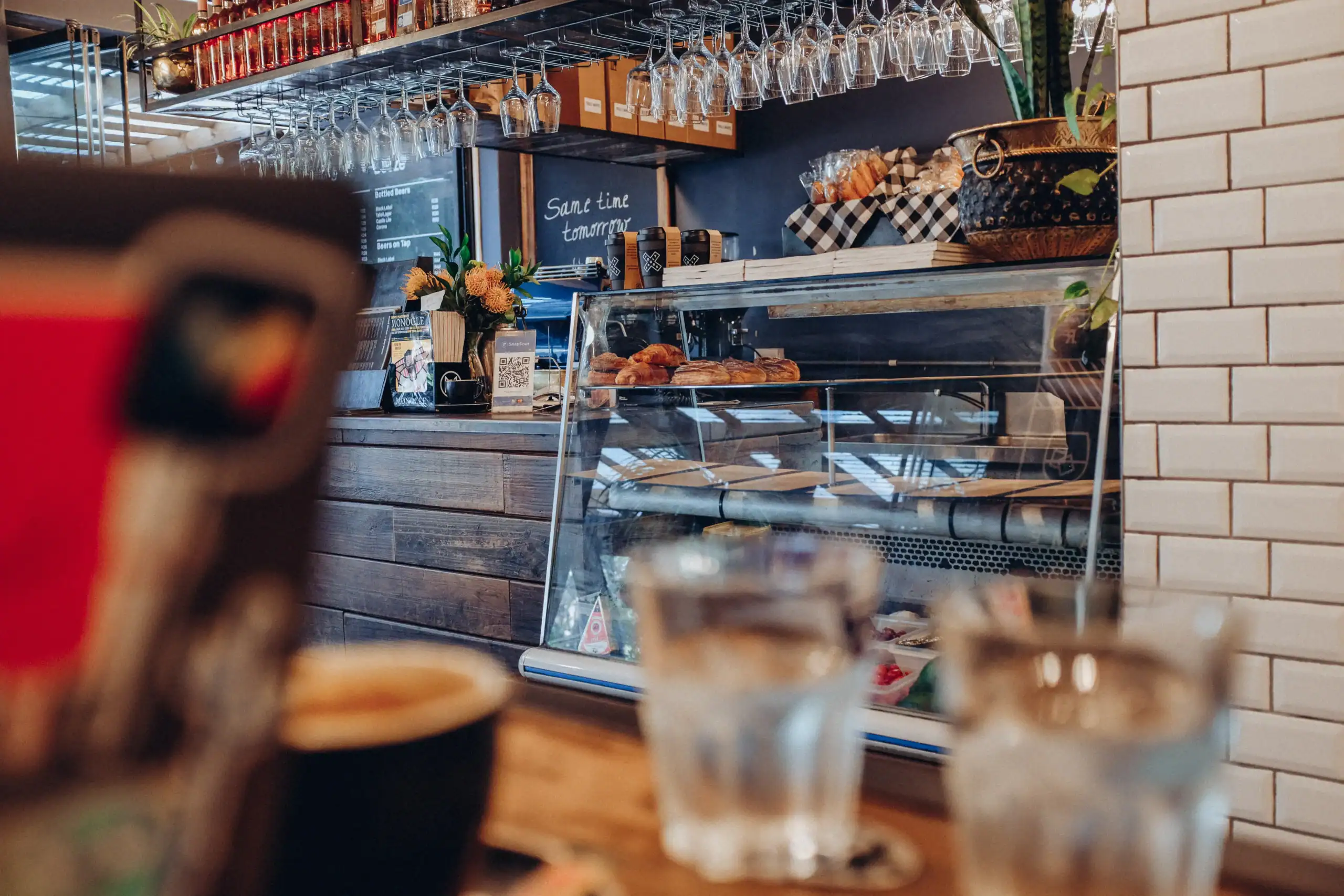
Walk into our space and you’re surrounded by work from Greenwich Village artists and emerging creators from across NYC. The layout is deliberate—you can appreciate art whether you’re grabbing a quick espresso or camping out with your laptop for three hours.
These aren’t permanent installations gathering dust. We rotate exhibitions every six to eight weeks, giving you fresh reasons to return and artists enough time to connect with their audience. The rotation schedule is posted online and in the cafe, so you can plan visits around new openings or specific styles that interest you.
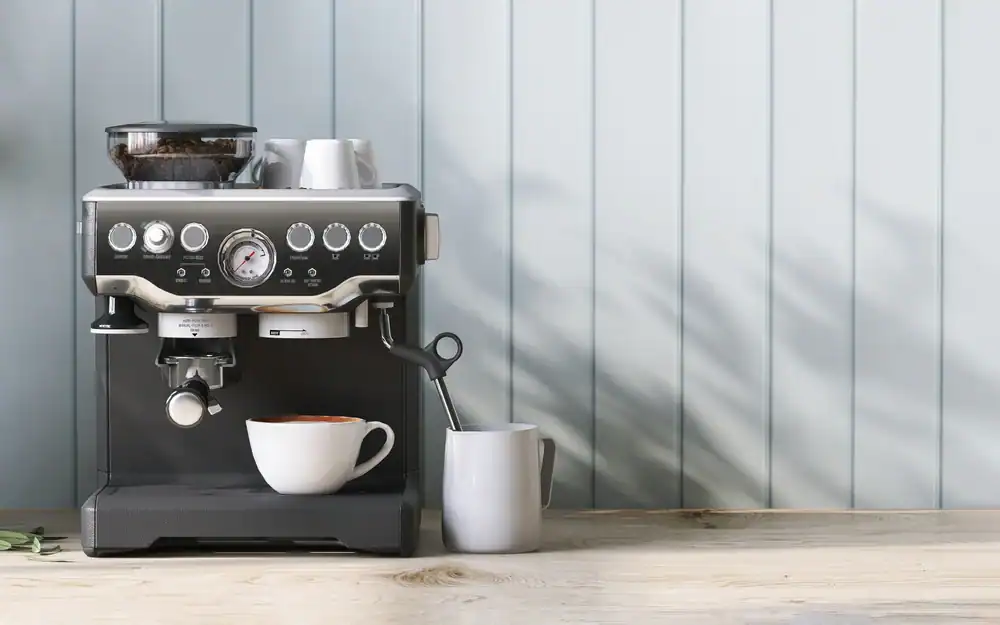
Order your coffee first. While we craft your drink, you’re already browsing. That’s the entire point—art doesn’t need museum lighting and hushed tones to matter. It can exist alongside espresso machines and conversation.
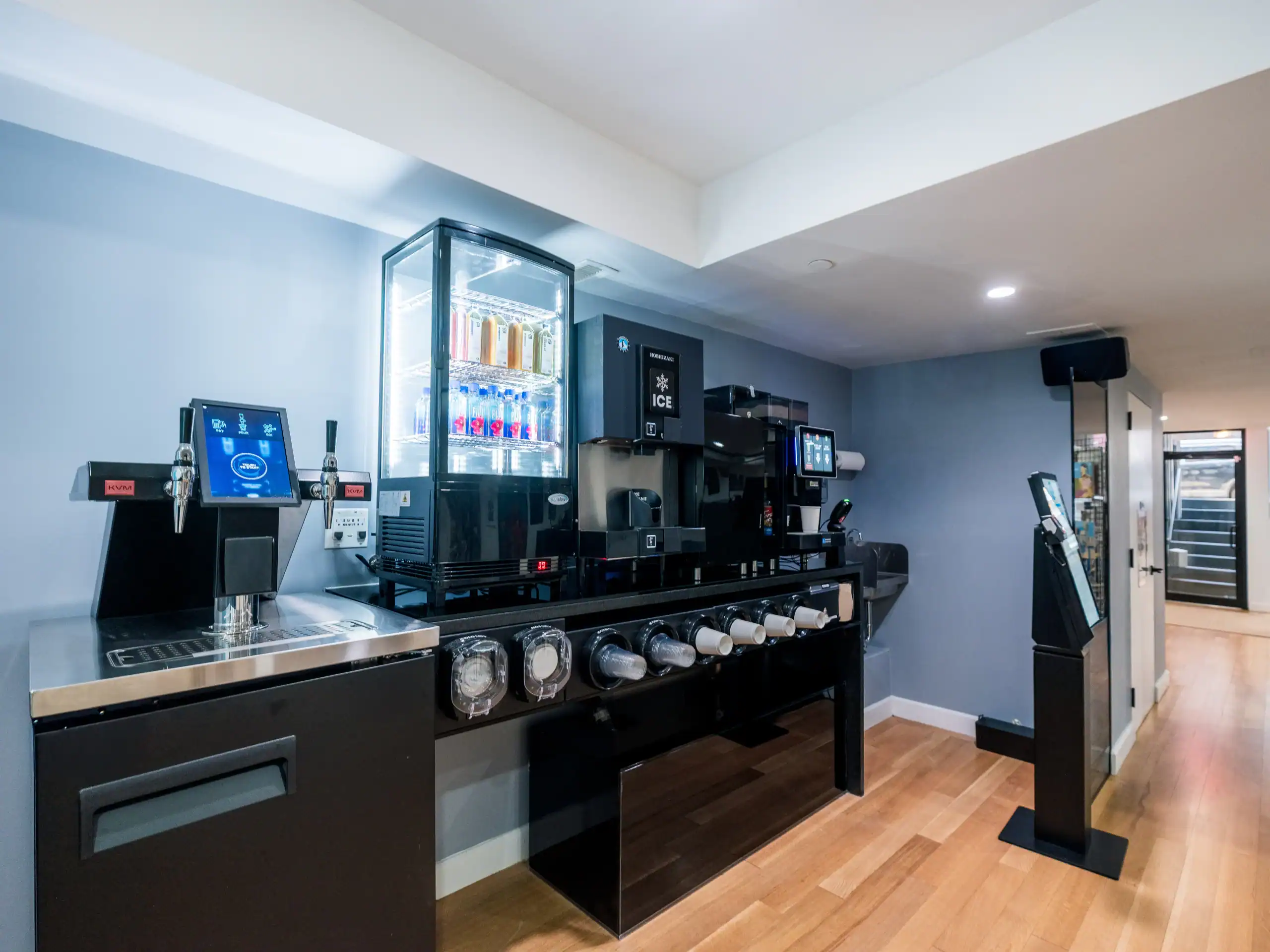
Traditional galleries in NYC operate on schedules that don’t match real life. Limited hours. Specific crowds. Sometimes admission fees. They can feel exclusive when they should feel welcoming.
Coffee shops flip this model. Free access. All-day hours. Hundreds of people passing through who aren’t there specifically for art, which means artists get exposure beyond the usual collector circuit. For creators trying to build audiences, this visibility is gold.
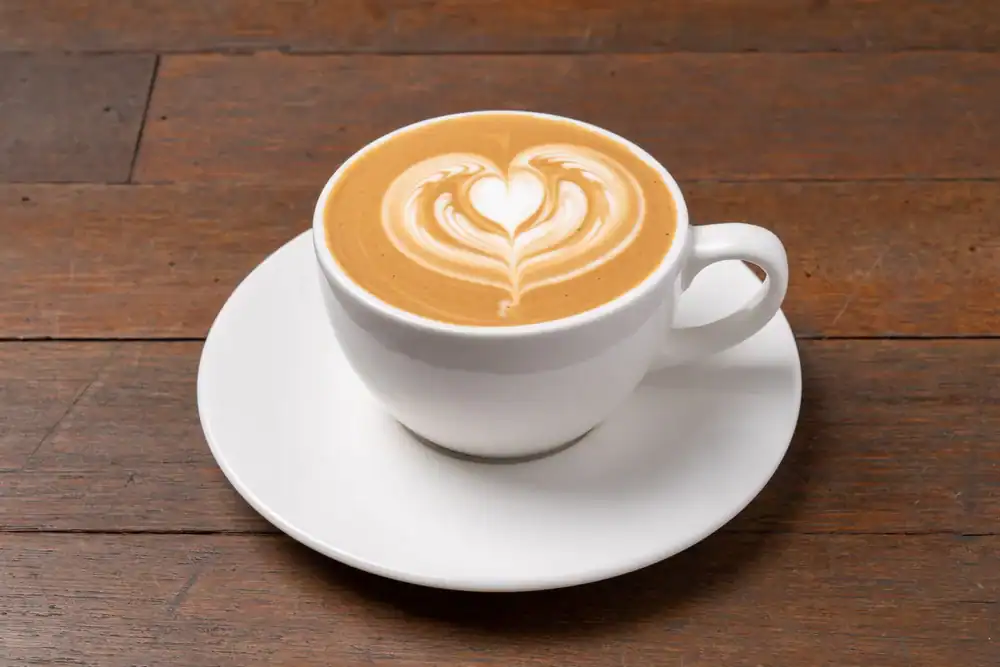
You also skip the pressure. Nobody’s watching to see if you “get it” or judging how long you spend with each piece. You’re just there for coffee. If something catches your eye, great. If not, you still got a solid latte.
This casual discovery often creates more authentic connections than formal gallery visits. You’re not performing the role of Art Viewer. You’re just a person who noticed something that resonated, which is how art is supposed to work.
The hybrid model meets you where you already are. Maybe you walked in for an oat milk cortado and left with contact info for a local artist. Maybe you needed WiFi and ended up spending twenty minutes with a painting that perfectly captured how you’ve been feeling lately. Maybe you just wanted somewhere that doesn’t look like every other corporate cafe in Manhattan—and you found it.
At Café Galerie, the art changes but the core experience doesn’t. Quality work at accessible prices. Direct relationships with creators. No markup, no attitude, no pretense. Just New Yorkers supporting the artists who make this city worth living in.
You don’t need credentials to look at art. Start with what catches your eye. Maybe it’s a color palette that matches your apartment. Maybe it’s a subject that reminds you of somewhere you’ve been. Trust your gut.
Then slow down. Coffee shops let you linger without the weird gallery pressure. Sit with your drink and actually look. Notice the brushwork up close. Step back and see how the composition holds together. Read the artist statement if there is one—context often deepens appreciation.
Ask our staff questions. At Café Galerie, our team knows the artists personally. We can tell you about the creator’s background, what inspired this series, how to get in touch about purchasing. This direct line of communication rarely exists in traditional art spaces where gallerists act as gatekeepers.
Consider the environment too. These pieces weren’t made for sterile white walls. They exist in spaces with music, conversation, the hiss of steam wands. Some art thrives in this context—it feels less precious, more integrated into actual life.
If something moves you, don’t overthink the decision. Art doesn’t have to be an investment strategy. It can simply be something that makes you feel something, that you want to see daily. Coffee shop galleries make buying local art on impulse more likely—smaller pieces, fair prices, the artist right there to talk to. There’s nothing wrong with purchasing because something spoke to you in the moment.
Many of our customers have started collections this way. First a small print. Then a larger piece from the same artist. Eventually they’re following creators from coffee shop showings to gallery representation, having discovered them early.
Want live answers?
Connect with a The Café Galerie expert for fast, friendly support.
First Friday evenings at Café Galerie transform the space. People show up specifically to meet the featured artist, see the new exhibition, and connect with others who care about local art.
These opening receptions include light refreshments—coffee, maybe wine, simple snacks—and direct access to creators. You’re not interrupting their studio time. They’re there specifically to discuss their work, their process, their inspiration.
This changes everything. You learn why certain colors repeat throughout a series. You discover what the artist was processing when they created that piece. You understand the journey from concept to finished work, which transforms how you see the art itself.
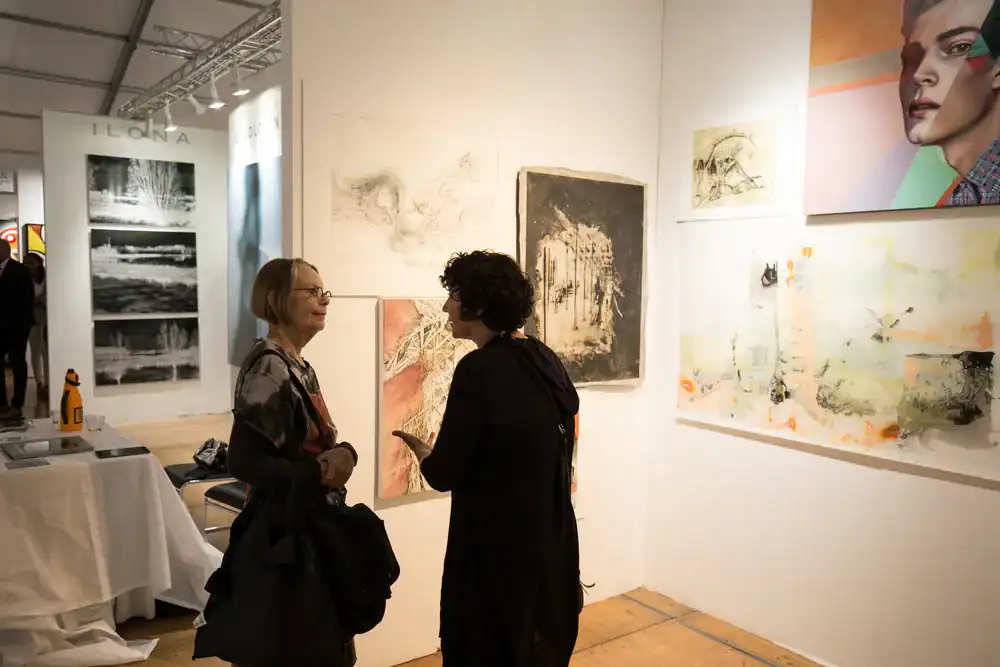
When you buy art directly from creators at coffee shop galleries, you skip the markup. Traditional gallery representation in NYC adds 40-50% to a piece’s price. At Café Galerie, you pay what the artist set—nothing more.
You’re also building relationships. Regular customers often become collectors, following artists from their first showing through gallery representation. You might discover someone before they’re “established,” which means supporting emerging talent and potentially acquiring work that appreciates as their career develops.
The local economic impact matters too. Sixty-eight dollars of every hundred spent at independent shops stays in the community, compared to forty-three at chains. When you buy local art directly from a Greenwich Village artist at a neighborhood cafe, even more money circulates locally—supporting both the creative economy and small businesses.
The transaction feels different. No commissioned gallerist selling to you. Just a conversation with the person who made what you’re considering. They can explain materials, process, care instructions, whether they’re open to commissions. This transparency builds trust and makes purchases feel collaborative rather than transactional.
For artists, these spaces are lifelines. Gallery rents in NYC are astronomical—thousands per month for even modest spaces. Getting work seen typically requires connections, money, or both. When coffee shops offer wall space to local creators, they democratize the process. Emerging artists get exposure to hundreds of potential buyers without the overhead or the 50% commission.
This model has launched careers. Artists who started showing at Café Galerie have moved on to gallery representation, museum shows, and private collections. But they often return for exhibitions because they remember the direct connections and community support that helped them build momentum.
Opening receptions at Café Galerie strike a balance—celebratory without being formal. No dress code. No plus-one required. Just show up during posted hours, typically early evening on the first Friday when new exhibitions launch.
The crowd is deliberately mixed. Serious collectors. Curious neighbors. Friends of the artist. People who wandered in for coffee and stayed for the energy. This diversity is the point—you’re not surrounded only by insiders who know the unwritten rules of the art world.
Light refreshments focus on the art, not elaborate catering. Grab a drink, browse the new work, strike up conversations naturally. Many attendees are regulars who’ve made these receptions monthly rituals, creating community around the shared experience of discovering emerging artists.
The featured artist circulates, accessible and welcoming. They might give a brief talk about the exhibition or simply answer questions and meet people who respond to their work. This is your chance to ask about technique, inspiration, availability. Artists at these events expect engagement—don’t be shy.
Timing affects your experience. Arriving in the first hour means catching any artist talks and having first pick of available pieces. Coming later offers less crowd, more space to view work quietly, longer potential conversations. We post exhibition schedules online, so you can plan around specific openings or artists whose work interests you.
These events also function as low-pressure social opportunities. In a city where third spaces are disappearing and everything costs money, free art openings at neighborhood cafes offer rare chances to meet people with shared interests. No bar scene pressure. No networking event awkwardness. Just humans gathering around creativity.
Weekend mornings offer a different vibe. Families make gallery visits part of their routine—coffee for parents, art education for kids. We encourage questions and engagement rather than enforcing gallery silence, making art appreciation accessible to people who might find traditional settings intimidating.
Experiencing local art doesn’t require planning museum trips or navigating Chelsea gallery districts. It can happen during your morning coffee run, your afternoon work session, your evening unwind. Coffee shop galleries make art accessible, affordable, and woven into daily life.
The three approaches work together. Browse rotating exhibitions casually. Engage deeply when something catches you. Attend artist receptions to build direct relationships with creators. You’re not just consuming art—you’re participating in the ecosystem that supports Greenwich Village artists and keeps NYC’s creative community thriving.
Next time you need coffee, choose a space where the walls tell stories. Visit us at Café Galerie in Greenwich Village and discover how artisan coffee and local art intersect to create something worth returning to.
Summary:
Share: