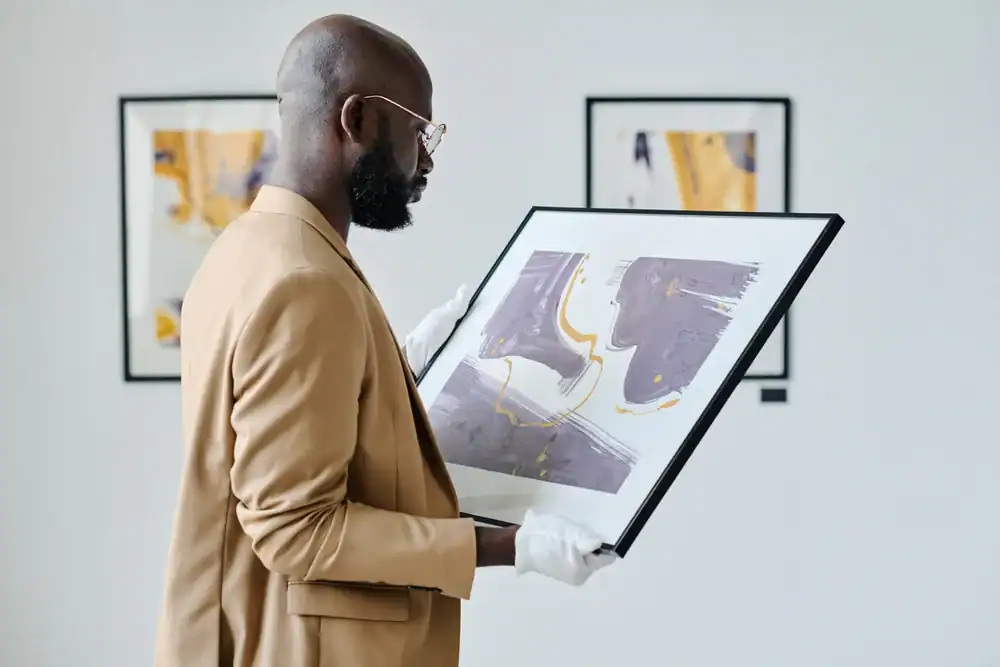
Most galleries in this city are built for people who already know the rules who to talk to, what to say, how to act like they belong. If you’ve ever walked into a traditional gallery and felt like you were intruding, that’s not a coincidence. It’s the design. We built The Café Galerie the other way around.
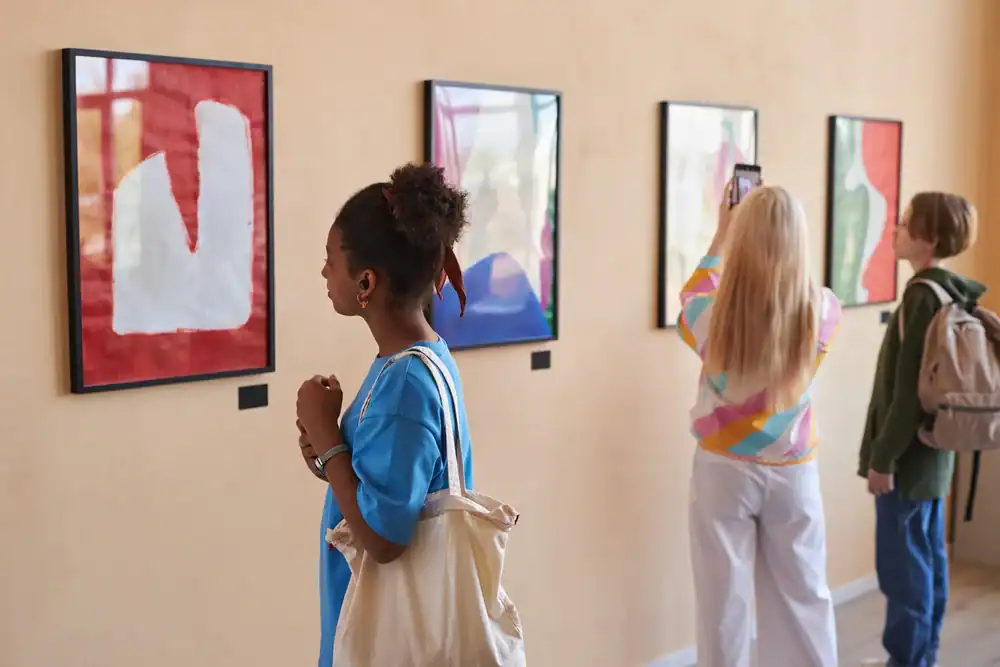
You walk in for the coffee. You stay for the work on the walls. There’s no pressure to buy, no one hovering, and no price tags hidden behind a conversation you didn’t ask for. Everything is visible, honest, and yours to consider on your own terms. For a neighborhood that invented the idea of accessible contemporary art where Basquiat’s first solo show happened on East 11th Street that’s not a new concept. It’s just one the East Village has been waiting to see come back.
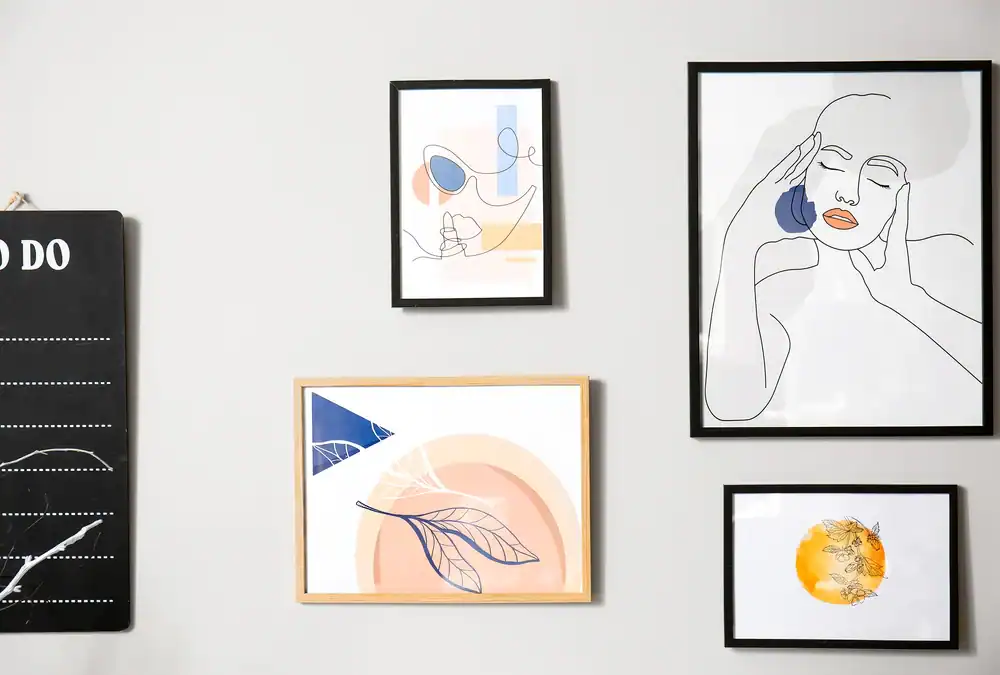
The prewar apartments that most East Village residents live in the walk-ups on Avenues A and B, the narrow rooms off St. Mark’s Place aren’t designed for oversized institutional art. They’re designed for work that actually fits a real life. The artists showing here make exactly that: original paintings, photography, mixed media, and sculpture at price points that match where you actually are right now, not where a gallery thinks you should be.
We started The Café Galerie from a simple observation: the traditional gallery model was failing artists and alienating buyers at the same time. High commissions, pay-to-show arrangements, opaque pricing, and an atmosphere that made first-time visitors feel unwelcome none of it was working for anyone except the middlemen. So we flipped the model.
Artists show here without paying for the privilege. We keep commissions fair. Exhibitions rotate monthly, which means the walls are always showing something new and the artists getting visibility are always changing. The specialty coffee side of our business isn’t a gimmick it’s what makes the whole thing financially sustainable, so we can stay focused on the work rather than on surviving.
Our East Village location sits a short walk from Cooper Union at Astor Place, where some of the most serious working artists in the city study and live. That’s not an accident. This neighborhood has always been where artists and the people who genuinely love art end up and we’re here because of that, not in spite of it. The East Village’s history of artist-run spaces, from the Fun Gallery on East 11th Street to the countless studio buildings along the Bowery, shaped how we think about what a gallery should be.
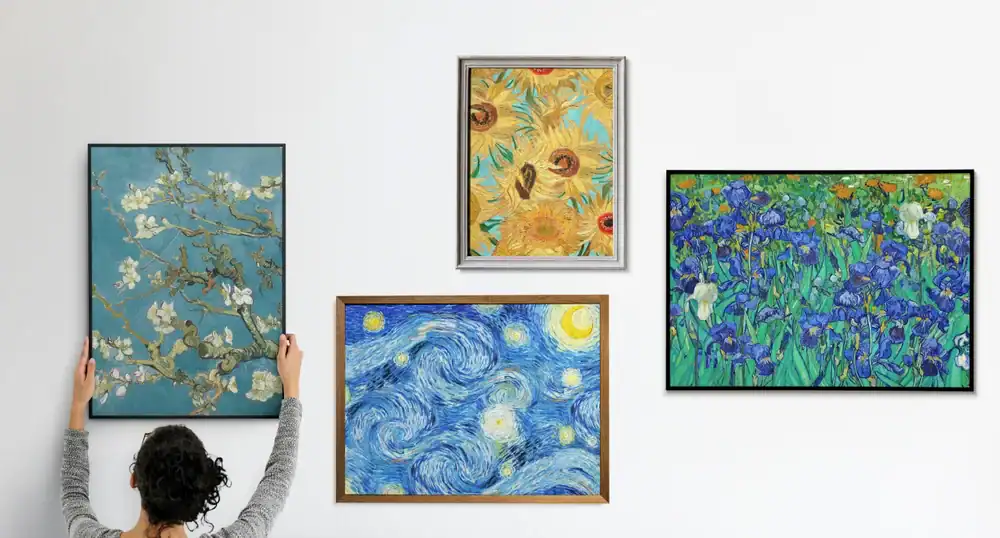
You don’t need an appointment. You don’t need to know anything about art before you walk in. Come in for a coffee, look at what’s on the walls, and take your time. Every piece has visible pricing no asking, no negotiating, no awkward silences. If something catches your attention, you can ask about it. If you want to know more about the artist, that information is there too. Often, the artist is.
Monthly exhibitions mean the experience changes regularly. If you’re a regular and in the East Village, regulars are the backbone of every business worth keeping you’ll see the work of a dozen different artists over the course of a year. Some of those artists will go on to show at major venues. Some already have. The Café Galerie is where you find them while you still can.
When you decide to buy, the process is straightforward. Pricing is what it says it is. A portion of every sale goes directly to the artist not to overhead, not to a commission structure designed to benefit the house. If you’re new to buying original art and have questions about sizing, framing, or what to expect, ask. That’s what the space is for. No transaction here should feel like a test you weren’t prepared for.
Ready to get started?
The work shown at The Café Galerie spans contemporary painting, photography, sculpture, and mixed media all by working NYC artists at various stages of their careers. We price everything accessibly and scale up with the artist’s profile and the scope of the work. Everything is labeled. Nothing requires a conversation you didn’t initiate.
For East Village residents, scale matters. The neighborhood’s prewar housing stock most of it built before 1950, with the narrow rooms and low ceilings that define life in a Manhattan walk-up calls for art that was made with real living spaces in mind. We select pieces with that in mind. You’re not browsing work designed for a SoHo loft or a Tribeca penthouse. You’re looking at art that belongs on the walls where you actually spend your time.
Exhibitions rotate every month, which keeps our programming fresh and gives a wider range of artists real visibility. Opening receptions are free and open to the public no RSVP required, no dress code implied. If you’ve walked past Tompkins Square Park on a Saturday and thought about where the East Village art scene actually lives today, this is part of the answer. The coffee is specialty-grade, the art is original, and neither one is an afterthought.
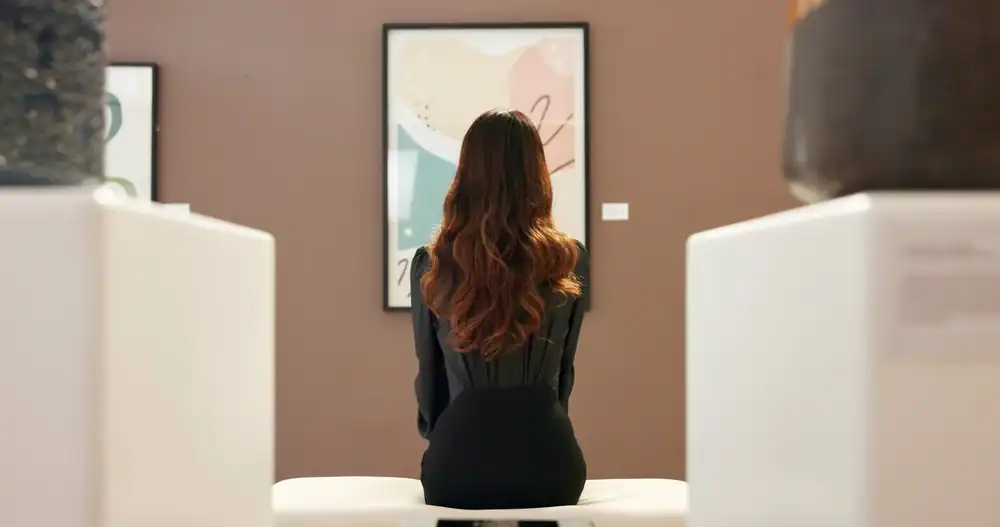
Not even a little. The whole point of our space is that it removes the prerequisites that traditional galleries quietly impose. You don’t need to know the artist, recognize the style, or have an opinion ready before you walk in. You come in, you get a coffee, and you look at what’s on the walls at whatever pace feels right to you.
The East Village has always had a complicated relationship with gatekeeping this is the neighborhood that built its entire art identity on the idea that great work belongs to everyone, not just people with the right credentials or connections. We operate from the same conviction. If you end up curious about a piece, there’s information available. If you want to talk to someone, someone’s there. If you just want to sit with your coffee and look, that’s completely fine too. There’s no script here.
Pricing is set by the artist and displayed visibly next to each piece. There’s no hidden price list, no “inquire within” language, and no expectation that you’ll negotiate in a back office. What you see is what it costs. That’s intentional one of the most consistent reasons people don’t buy art from traditional galleries is the fear of asking what something costs and being judged for their reaction. That barrier doesn’t exist here.
Entry-level pieces from emerging artists can start well under $500. More established artists in our rotation may show work priced higher, and that range is visible too. The goal is transparency at every level, not just at the bottom of the price range. If you’re genuinely curious about an artist’s trajectory or what their work has sold for previously, that’s a conversation worth having and one you can have here without it feeling like a sales pitch.
Exhibitions rotate on a monthly basis. That means if you come in regularly which, given that the East Village has some of the best foot-traffic density in Manhattan and most residents are within walking distance you’ll see something different every time. The work on the walls in October won’t be the same work you see in November. That rotation is also what makes the space worth coming back to, rather than a one-time visit you check off a list.
Current exhibition information is available on The Café Galerie’s website and social channels. Opening receptions happen at the start of each new exhibition and are free to attend no ticket, no reservation, no minimum purchase. They’re genuinely good events for meeting the artist and understanding the work in context. If you’re the kind of person who wants to know what’s coming next, following our programming is the easiest way to stay ahead of it.
Yes, and that’s one of the things that makes this experience different from most galleries. Artists are often present in the space during regular hours, particularly earlier in their exhibition run. Opening receptions are specifically designed around artist access you can have a real conversation with the person who made the work, ask about their process, their influences, or what a particular piece means to them.
For East Village residents, this matters in a specific way. Cooper Union is right at Astor Place, and many of the artists showing here come from that community or from the broader NYC creative network that lives and works in this neighborhood and across the river in Williamsburg and Bushwick. These aren’t distant figures. They’re people who live nearby, who take the same subway lines, who are building their careers in the same city you’re living in. Buying their work early in that career is how collectors in the East Village have always operated and this neighborhood has a long history of knowing exactly how that story tends to go.
It’s genuinely good. The East Village has one of the most discerning specialty coffee cultures in New York City Ninth Street Espresso opened in Alphabet City back in 2001 and helped shape what serious coffee looked like in this city long before it became a mainstream conversation. Residents here know the difference between a café that takes coffee seriously and one that uses it as a prop.
The coffee at The Café Galerie is specialty-grade, prepared by trained baristas using proper technique. It’s not an afterthought and it’s not there to soften the gallery experience into something more palatable. It’s a genuine offering that stands on its own which is also what makes the overall space work. If the coffee were mediocre, the regulars this neighborhood produces wouldn’t come back. The fact that both the coffee and the art are taken seriously is exactly what makes the combination feel right rather than forced.
It’s probably one of the better places in the city to do exactly that. The pricing is visible, the pressure is nonexistent, and the people in the space are genuinely happy to answer questions without making you feel like you’re being walked through a transaction. For someone buying original art for the first time, that environment makes an enormous difference.
The East Village is also a neighborhood with a specific and well-documented history of early discovery the artists who showed at the Fun Gallery on East 11th Street in the early 1980s were largely unknown when they first appeared on those walls. Our rotating exhibitions feature emerging NYC artists at a comparable career stage: early enough that their work is priced accessibly, serious enough that their trajectory is real. Whether you’re buying because you love a piece or because you’re thinking about what it might be worth in five years, this is a reasonable place to start and a comfortable one.
Other Services we provide in East-Village