Supporting local art isn't charity—it's the sustainability trend reshaping NYC in 2026. Here's why buying from local artists beats mass-produced every time.
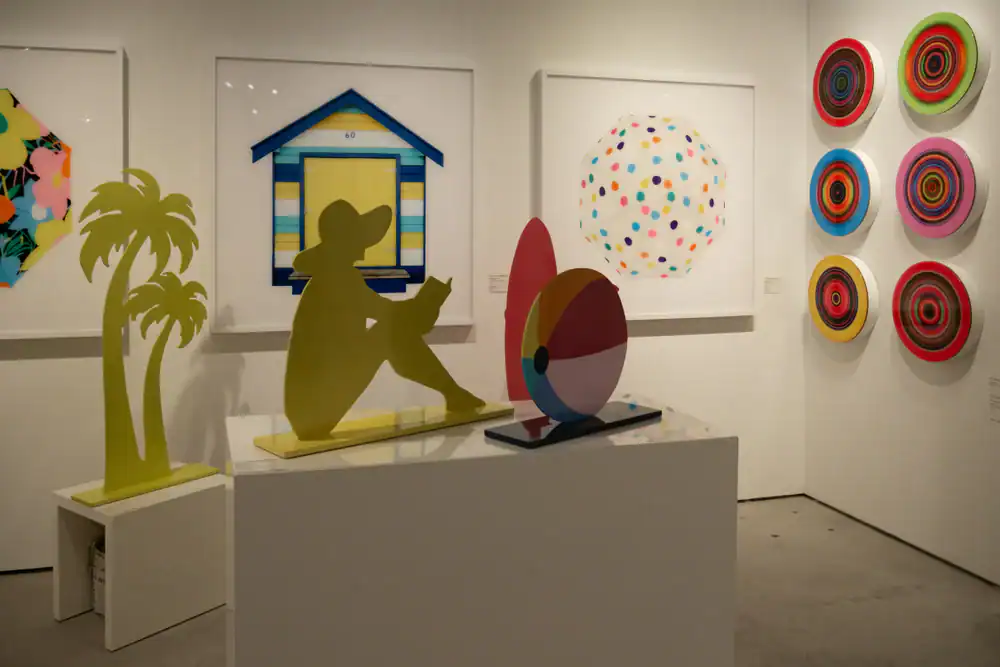
Supporting local art isn’t about charity. It’s about choosing to put your money into the hands of people who live, work, and reinvest in your community rather than funneling it to corporations that mass-produce identical items in factories halfway around the world.
When you buy from a local artist in NYC, you’re participating in an economy that generates over $21 billion annually and employs more than 13,700 people across the city. You’re not just getting a piece of art. You’re getting a story, a connection, and a tangible reminder that someone created something with their hands specifically for people like you to enjoy.
The slow art movement—much like slow fashion—emphasizes quality over quantity, craftsmanship over convenience, and meaning over trends. It’s a direct response to the overwhelming sameness of mass production, and it’s gaining serious momentum in 2026 as more consumers realize that authentic experiences matter more than Instagram-perfect aesthetics.
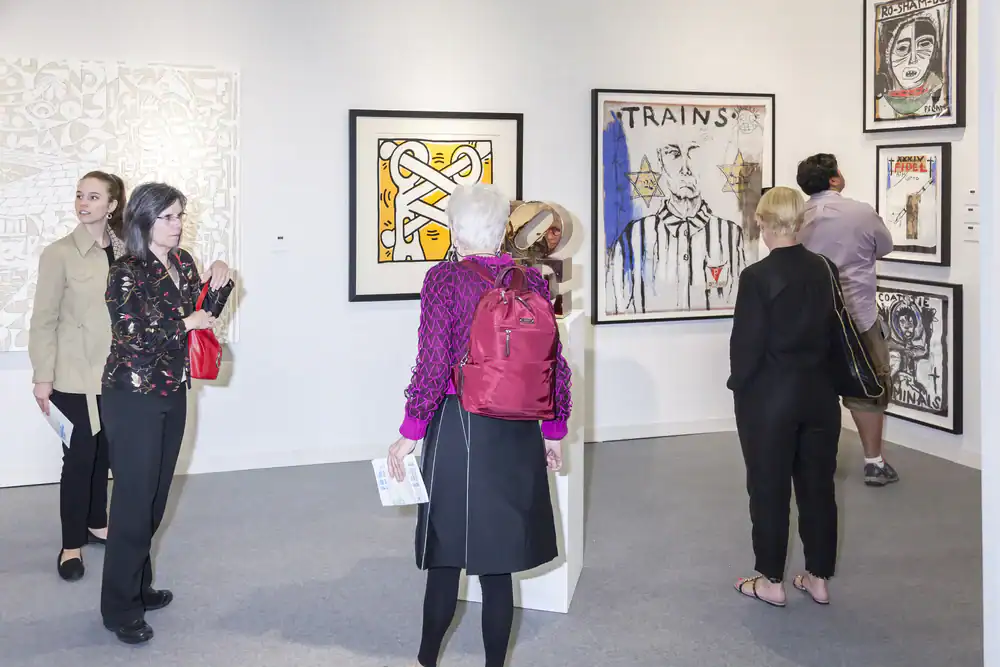
Here’s something most people don’t realize: the economic impact of buying local is dramatically different from buying from national chains. Studies show that when you spend money at a local business, about 70 cents of every dollar stays in your community. When you shop at a big-box retailer, less than 40 cents stays local. That’s nearly double the community investment just by changing where you shop.
In NYC specifically, the cultural sector contributes $21.2 billion per year to the local economy. That’s not just galleries and museums—it includes the cafes where artists meet, the frame shops that preserve their work, the art supply stores that fuel their creativity, and the community spaces that host exhibitions. Every purchase from a local artist creates a ripple effect that touches dozens of other small businesses.
The arts sector also creates jobs across skill levels, from custodial work to curation to education to performance. When you support local artists, you’re not just helping one person pay rent. You’re contributing to an entire ecosystem that makes NYC the cultural capital it is. You’re investing in the barista who serves that artist coffee, the landlord who rents them studio space, and the printer who helps them create business cards.
This matters even more in 2026, as rising costs push artists out of traditional neighborhoods. Supporting local art helps keep creative communities alive in places like the Lower East Side, Brooklyn, and the Bronx—areas where authentic culture still thrives but faces constant pressure from gentrification and corporate development. When you choose local, you’re voting with your wallet for the kind of city you want NYC to remain.
Walk into any HomeGoods or browse through Wayfair and you’ll see the same thing: canvas prints designed to look hand-painted, generic abstracts in trendy colors, and “inspirational” quotes in manufactured distressed frames. They’re designed to be inoffensive, affordable, and easily replaceable when the next trend cycle hits. And that’s exactly the problem.
Mass-produced art is created by corporations optimizing for profit margins, not meaning. It’s manufactured in factories using cheap materials, shipped long distances (adding to carbon emissions), and sold with zero connection between maker and buyer. When you hang that piece on your wall, you’re not supporting anyone’s dream or craft. You’re supporting a supply chain designed to extract maximum value while giving minimum quality.
The environmental cost alone should give you pause. The fashion industry contributes nearly 10% of global carbon emissions, and the home décor industry isn’t far behind. Mass production requires massive amounts of energy, water, and resources, plus the carbon footprint of shipping identical items across the globe. Local art, by contrast, is often created with sustainable materials, produced in small batches or as one-of-a-kind pieces, and sold directly to you with minimal transportation involved.
But beyond the environmental impact, there’s something deeper at play. Mass-produced art treats you like a demographic, not a person. It assumes you want what everyone else wants, that your taste can be predicted by algorithms and market research. Local art, on the other hand, treats you like an individual with unique preferences, stories, and values. It invites you into a conversation rather than selling you a product.
When you choose local, you’re also choosing quality. Independent artists use superior materials—archival inks, handmade paper, natural pigments—because their reputation depends on creating work that lasts. Mass producers use whatever’s cheapest because they know you’ll replace it in a few years anyway. One approach creates heirlooms. The other creates landfill.
And here’s the part that often gets overlooked: when you buy mass-produced art, you’re likely to see the exact same piece in someone else’s apartment, office, or Airbnb. It’s the visual equivalent of showing up to a party in the same outfit as three other people. Local art guarantees you’ll own something truly unique—a piece that reflects your taste, not a corporation’s best guess at what sells.
Want live answers?
Connect with a The Café Galerie expert for fast, friendly support.
Conscious consumerism isn’t a buzzword anymore—it’s a movement reshaping how people spend money, especially in cities like NYC where your choices have immediate, visible impact. In 2026, consumers increasingly demand transparency about where products come from, who made them, and what values their purchases support.
The slow art movement fits perfectly into this shift. Just as slow fashion rejects fast fashion’s disposability, slow art rejects the mass-produced, trend-chasing approach to décor. It asks you to buy less but buy better. To invest in pieces that mean something rather than filling walls with whatever’s on sale. To consider the story behind each piece and the person who created it.
This movement emphasizes timeless design over fleeting trends, craftsmanship over convenience, and emotional connection over aesthetic perfection. It encourages you to develop your personal style rather than copying what you see in magazines or on Pinterest. And it invites you to build relationships with artists, learning about their process and inspiration rather than just clicking “add to cart.”
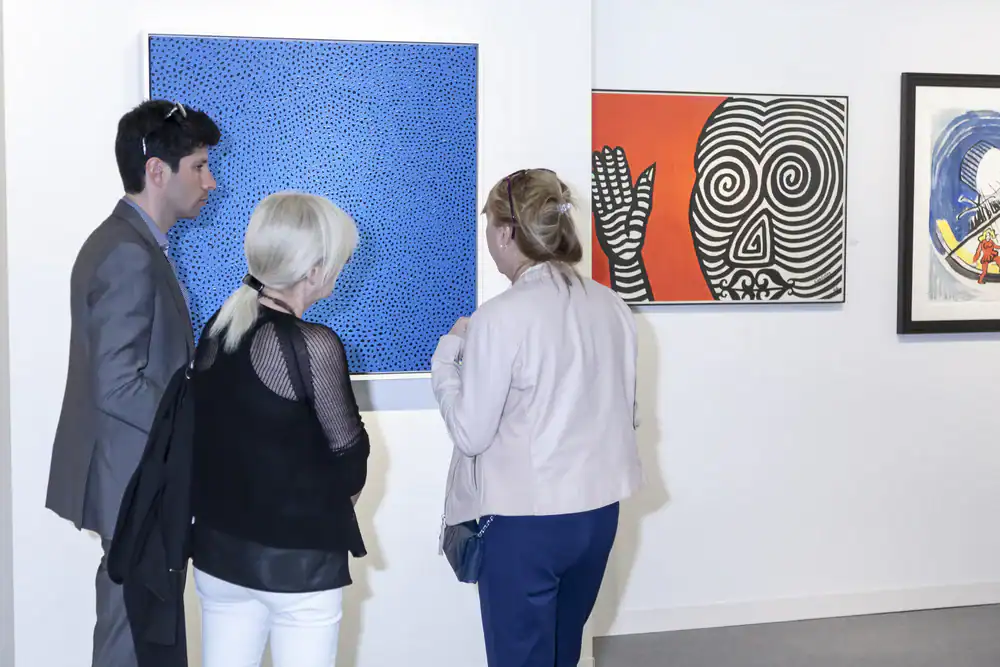
Sustainability in 2026 goes beyond recycling and composting. It’s about understanding the full lifecycle of what you buy—from materials to production to transportation to disposal. And when you compare local art to mass-produced alternatives, the environmental difference is staggering.
Local artists typically work with sustainable materials because they have to be intentional about every choice. They’re not ordering supplies by the shipping container. They’re selecting specific papers, paints, and canvases based on quality and ethics. Many use recycled materials, upcycled objects, or natural pigments. Some create work specifically designed to be biodegradable or to use minimal resources.
The production process itself has a much smaller footprint. A local artist working in a Brooklyn studio uses a fraction of the energy required by a factory churning out thousands of identical prints. There’s no assembly line, no industrial machinery running 24/7, no warehouses full of excess inventory waiting to be shipped. Just one person creating one piece with care and intention.
Transportation is where the difference becomes even more obvious. Mass-produced art often travels thousands of miles—from factory to distribution center to retail store to your home. Each step adds carbon emissions. Local art might travel a few subway stops from the artist’s studio to a gallery or café, or it might be delivered directly to you by the person who made it. The carbon footprint is negligible by comparison.
And when you’re done with the piece? Local art made with quality materials can be resold, gifted, or passed down. It has lasting value. Mass-produced pieces made with cheap materials typically end up in landfills within a few years, adding to the 12 million tons of furniture Americans throw away annually. Supporting local art means supporting a circular economy where things are made to last, not made to be replaced.
There’s a reason cafes, galleries, and community spaces that showcase local art feel different from Starbucks or Whole Foods. They’re what sociologists call “third places”—spaces between home and work where genuine community forms. And in a city as overwhelming as NYC, these spaces are becoming more valuable than ever.
When you support local art, you’re not just buying a product. You’re supporting the infrastructure that makes community possible. You’re keeping galleries open, helping cafes like ours stay in business, and ensuring that artists have venues to show their work. You’re creating reasons for people to gather, talk, and connect over something more meaningful than a transaction.
The economic impact of this community building is real. Art districts attract foot traffic, which benefits restaurants, shops, and other local businesses. Cultural tourism brings visitors who spend money throughout neighborhoods, not just at major museums. Public art installations transform neglected spaces into gathering places that increase property values and civic pride. The arts don’t just reflect community—they create it.
In 2026, as more people work remotely and traditional social structures continue to evolve, third places are essential for mental health and social cohesion. They’re where you run into neighbors, discover new artists, overhear conversations that spark ideas, and feel like you’re part of something bigger than yourself. They’re where the city feels less overwhelming and more human.
Supporting local art means investing in these spaces. It means recognizing that the café showcasing rotating exhibitions isn’t just selling coffee—it’s providing a service that chain stores never will. It means understanding that when you buy a piece from an artist showing work at a local venue, you’re helping keep that venue alive for everyone in the community.
And here’s what makes it truly sustainable: when communities value their artists, those artists stay. They continue creating work that reflects local culture, history, and identity. They mentor the next generation. They collaborate with other local businesses. They become anchors that give neighborhoods character and resilience against the homogenizing forces of corporate development. That’s the kind of sustainability that lasts.
Supporting local art in 2026 isn’t about being perfect. It’s about making more intentional choices when you can. It’s about recognizing that the art on your walls, the spaces you spend time in, and the purchases you make all contribute to the kind of city NYC becomes.
You don’t need a huge budget to start. Visit galleries on free days. Stop by cafes that showcase local artists. Attend opening receptions where you can meet creators and learn their stories. Commission a small piece directly from an artist whose work speaks to you. Every interaction matters, and every purchase—no matter how small—makes a difference.
The shift toward conscious consumerism and sustainable lifestyle choices isn’t going away. It’s only getting stronger as more people realize that their daily decisions shape the world around them. Supporting local art is one of the most tangible, meaningful ways to participate in that shift while also bringing beauty, authenticity, and connection into your life.
If you’re in NYC and looking for a space that embodies this philosophy, we offer exactly what you’re after: quality coffee, rotating exhibitions from local artists, and a community-focused atmosphere where art and daily life intersect naturally. It’s where supporting local art becomes part of your routine, not a special occasion.
Summary:
Share: