NYC's art gallery cafe scene is evolving beyond the wait. Discover how industrial aesthetics, self-serve technology, and rotating local exhibitions are redefining Manhattan's coffee culture.
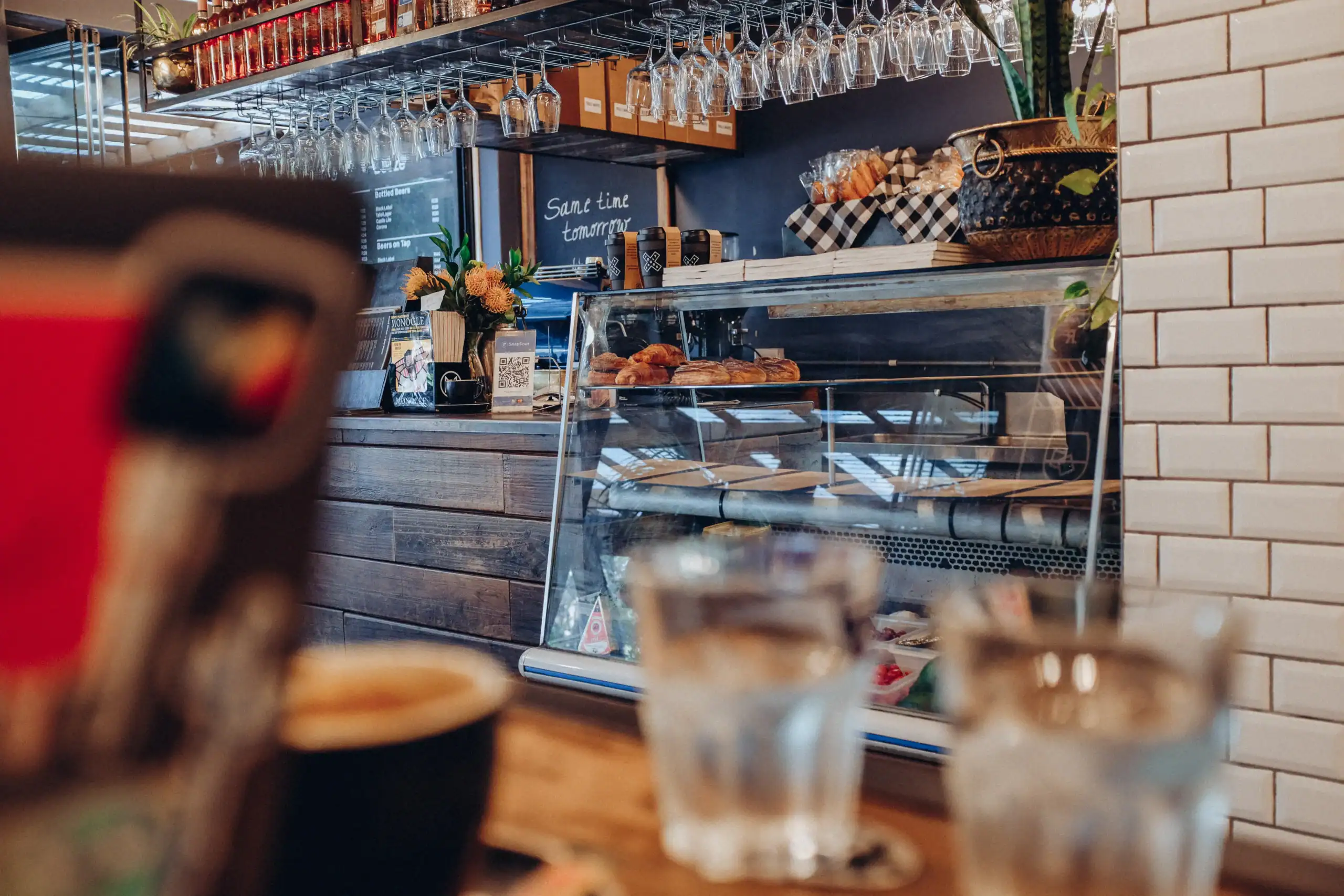
The concept isn’t new. Coffee and art have been dancing together in European cities for centuries. But in New York, where rent is ruthless and attention spans are short, the model has to earn its place every single day.
An art gallery cafe succeeds when it solves real problems people face. Long wait times during morning rush. Sterile corporate spaces that feel identical from coast to coast. The nagging feeling that you’re just another transaction in someone’s spreadsheet. When a cafe integrates local art thoughtfully, it transforms a routine coffee stop into something that actually adds value to your day.
The best versions don’t feel like a gallery that happens to serve coffee or a cafe with art as an afterthought. We designed our space from the ground up to be both, where industrial interior design creates the perfect backdrop for rotating exhibitions and quality drinks served at the speed your schedule demands.
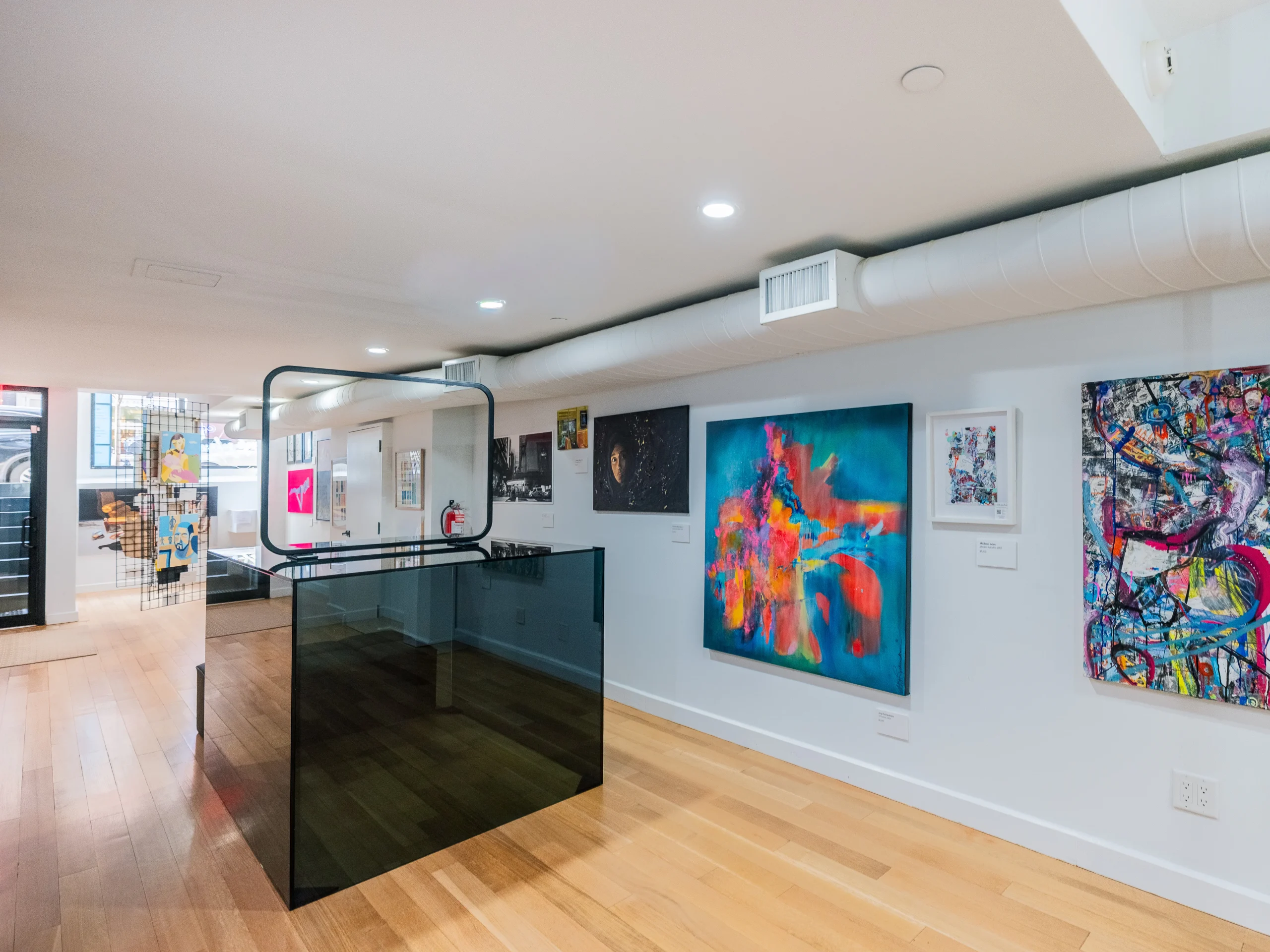
Walk into any successful Manhattan coffee shop opened in the last five years, and you’ll likely see it. Exposed brick walls. Visible ductwork snaking across high ceilings. Raw concrete floors. Metal accents that look like they were salvaged from a 1920s factory floor.
Industrial interior design isn’t just a trend in NYC—it’s a response to the city’s architecture and manufacturing history. These neighborhoods were built on production and craft. The bones were already there in the buildings. Smart cafe owners just stopped covering them up with drywall and drop ceilings.
But there’s more to it than aesthetics. Industrial design is honest. It doesn’t pretend to be something it’s not. In a city where everyone’s radar is finely tuned for anything inauthentic, that matters more than you might expect.
The open ceilings make small spaces feel bigger without spending a fortune on square footage. The hard surfaces create acoustics that feel alive without being overwhelming. And when you’re showcasing local art gallery exhibitions, industrial elements provide the perfect neutral backdrop. They don’t compete with the work on the walls. They frame it, the way a museum might, but without the stuffiness.
For creative workspaces in NYC, this aesthetic also signals something important. It says, “This is a place where things get made.” Whether that’s art, code, design work, or just a really good espresso, the environment reinforces the mindset. You’re not in a sterile corporate lobby. You’re in a space with character, with history, with texture that tells a story.
The best part? It ages well. A few scuffs on a concrete floor or patina developing on a metal fixture just add to the narrative. Unlike pristine white walls that show every mark and feel dated within a year, industrial spaces get better with time. They earn their character honestly.
Here’s what traditional galleries get wrong. They’re intimidating. You walk in, and there’s this unspoken pressure to understand the context, to appreciate the technique, maybe even to buy something. If you’re not already part of that world, it can feel like you’re trespassing in someone else’s conversation.
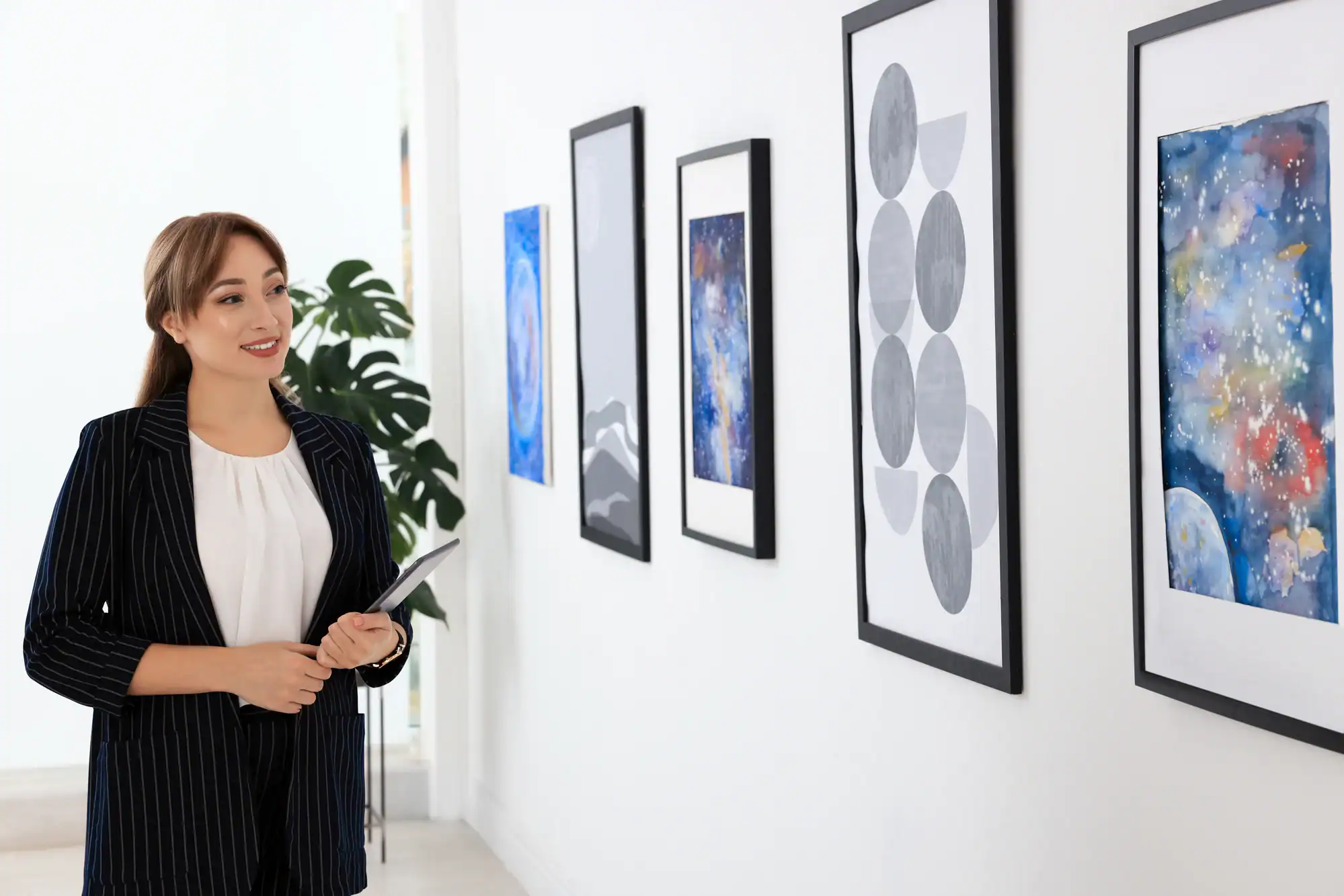
Coffee shops that integrate local art gallery exhibitions flip that script entirely. You’re not there to see art. You’re there for coffee. The art is a bonus, a gift you didn’t know you needed. That changes everything about how you experience it.
You can spend five minutes or fifty. You can study every piece or just let them wash over you while you answer emails. There’s no gallery attendant watching you, no expectation that you’ll engage in a certain way. The art exists in your peripheral vision, slowly working its way into your consciousness over multiple visits.
This model also solves a massive problem for artists trying to make it in NYC. Gallery representation is hard to get and even harder to keep. Rent for studio space is astronomical. Traditional exhibition opportunities are limited and often come with hefty fees. But a rotating exhibition in a busy Manhattan coffee shop? That’s exposure to hundreds of people every single day. Real people seeing your work. Potential buyers who aren’t intimidating collectors but neighbors who connect with what you’ve made.
We benefit too. Art gives people a reason to linger, to come back, to bring friends who haven’t seen the current show yet. Every month when the exhibition changes, there’s a built-in reason to visit again. It creates a rhythm, a sense that this place is alive and evolving rather than static.
In neighborhoods throughout Manhattan, this integration of coffee and local art isn’t just nice to have. It’s part of the cultural infrastructure. These spaces become gathering points for the creative community. You might overhear a photographer talking shop with a painter. A designer sketching in a corner booth. A writer staring at a piece on the wall, looking for the spark that breaks through their block.
That’s the magic of it. The art isn’t separate from the coffee. The coffee isn’t separate from the art. They’re part of the same experience, the same ecosystem. And in a city where genuine third spaces are disappearing, where every square foot is optimized for maximum profit, that matters more than you might think.
Want live answers?
Connect with a The Café Galerie expert for fast, friendly support.
Let’s address the elephant in the room. Self-serve coffee sounds like it could go very wrong. Vending machine vibes. Burnt drip coffee from a carafe that’s been sitting for three hours. The death of craft and the triumph of convenience over quality.
But that’s not what’s happening at the best art gallery cafe locations in NYC. Modern self-serve technology uses the same premium components you’d find behind a professional espresso bar. Italian and German engineering. Fresh grinding for every single cup. Temperature and pressure controls that would make a competition barista nod in approval.
The difference is speed and consistency. No waiting for the right barista to be working that day. No variation based on who’s having a good morning and who got three hours of sleep. Just quality, every time, in under a minute. That’s not a compromise. That’s an upgrade for how most people actually experience coffee in Manhattan.
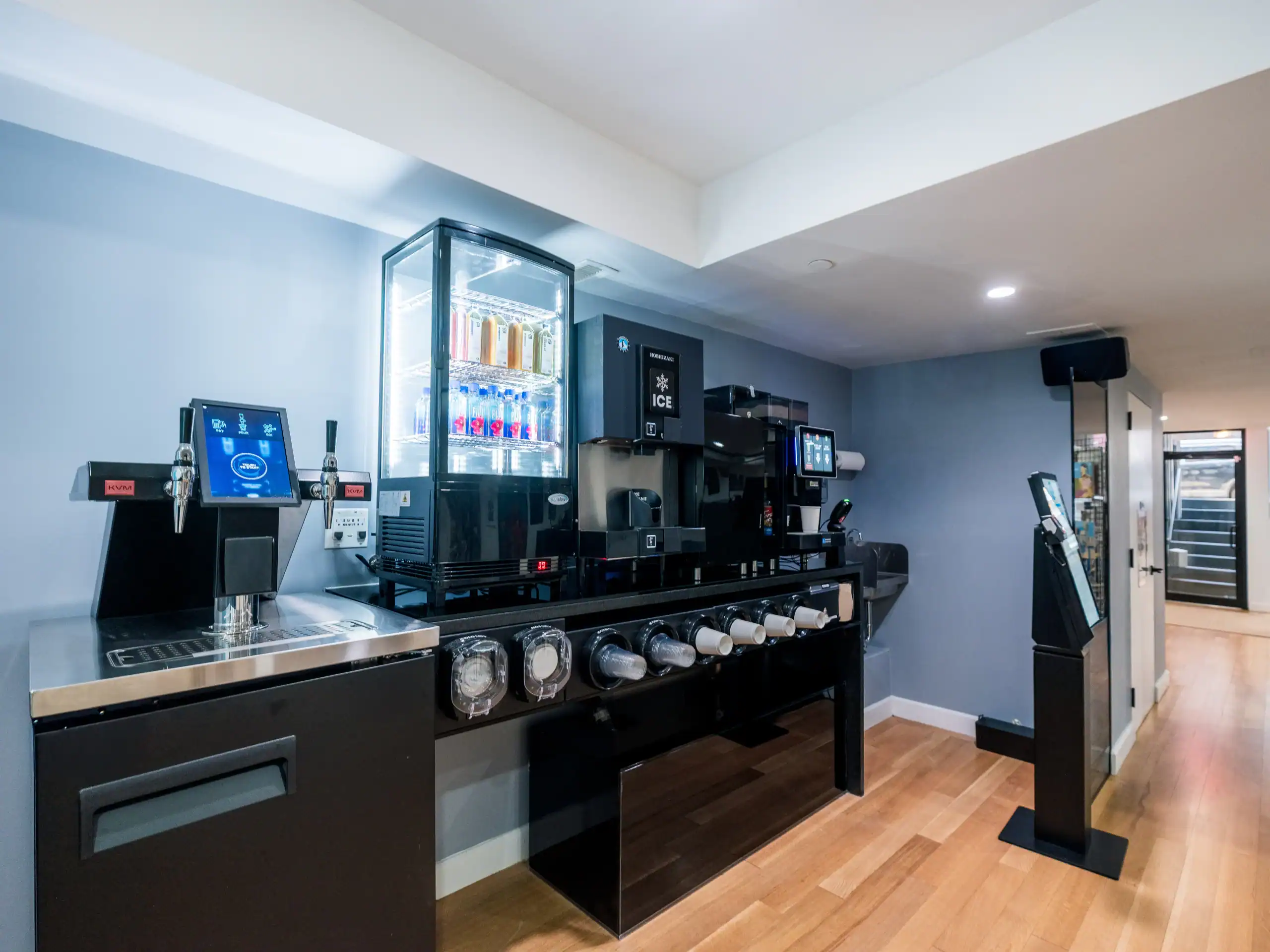
There’s a reason high-end espresso machines look the way they do. Chrome and brass. Polished metal catching the light. Visible components that let you see the mechanics of craft. They’re not just functional—they’re sculptural, almost ceremonial.
In traditional cafes, the espresso machine is the altar. Everything revolves around it. The barista performs. Customers watch. The machine itself becomes part of the theater, part of what you’re paying for. That visual language has shaped coffee culture for decades, and it’s deeply embedded in how we judge quality.
Self-serve systems have to work harder to earn that same respect. They can’t rely on the ritual of watching someone craft your drink with practiced movements. So the design has to communicate quality in other ways. Touchscreens that feel intuitive and responsive, not cheap and laggy. Visible grinding mechanisms so you can see the beans being prepped fresh. Clean lines that suggest precision rather than corners cut to save money.
The best implementations treat the machine as a design element, not something to hide in a corner. In spaces with industrial interior design, they become another piece of the aesthetic puzzle. Metal and glass fitting naturally alongside exposed brick and concrete. The espresso machine aesthetics matter because they set expectations before you even order.
This matters more than you might think. When you’re asking customers to trust technology instead of a human, the visual cues have to be absolutely right. The machine needs to look like it belongs in a specialty coffee shop, not a hotel lobby or highway rest stop. It needs to suggest craft, not just convenience.
Done well, it works. You approach the screen, you see your options laid out clearly, you make your choices. The machine grinds, brews, froths. You watch it happen through glass panels. There’s still theater. It’s just a different kind, one that respects your time while maintaining the quality you expect from Manhattan coffee shops.
And here’s what most people discover after their first cup: when the technology is this good, when the components are this precise, you often get more consistency than you do from a human on their third double shift of the week. That’s not a knock on baristas. That’s just reality in a city that runs on caffeine and never stops moving.
Remote work changed what people need from coffee shops. It’s not just about grabbing a cup and leaving anymore. It’s about finding a space where you can actually get work done for hours at a time without feeling like you’re overstaying your welcome.
That means reliable WiFi that doesn’t drop every fifteen minutes. Comfortable seating that doesn’t destroy your back after an hour. Outlets that aren’t all taken by people who got there at 7 AM. And coffee that’s good enough that you don’t mind buying three cups over the course of an afternoon to justify holding your table.
But here’s where it gets tricky for cafe owners. If a space becomes too good as a workspace, it can kill its own vibe. Tables full of laptop zombies who never make eye contact. No turnover during peak hours. A line of increasingly annoyed people who just want a quick coffee while someone camps out for six hours on a single cappuccino.
Self-serve systems help solve this tension. They separate the coffee transaction from the seating equation. You’re not waiting in line behind someone ordering seven different drinks with modifications. You’re not dependent on barista availability during the lunch rush. You get your coffee in seconds and move on with your life, whether that’s back to your table or out the door.
For people actually working in creative workspaces NYC offers, this is huge. You don’t have to pack up your laptop and lose your seat to get a refill. You don’t have to interrupt your flow state to navigate a line and make small talk. The coffee becomes what it should be—fuel for the work, not a distraction from it.
The art component matters here too. When you look up from your screen to rest your eyes, you see something other than white walls or other people’s screens. You see work that someone made with their hands and their vision. That matters. It’s a reminder that you’re in a creative space, surrounded by creative energy, doing creative work. It’s subtle, but it shifts how you feel about the time you’re spending there.
This is why neighborhoods with high concentrations of freelancers and remote workers gravitate toward these hybrid art gallery cafe models. The coffee is legitimately good. The space is functional without being corporate. The atmosphere is inspiring without being pretentious. And unlike a corporate coworking space, it doesn’t feel like you’re sitting in a LinkedIn profile come to life.
The economics work too. We don’t need to charge membership fees or day rates like traditional coworking spaces. We make money on coffee and food, the way cafes always have. But by creating an environment where people want to spend time, we generate consistent traffic throughout the day. Not just the morning rush. Not just the afternoon slump. All day, every day.
That steady flow is what keeps independent coffee shops alive in a city where rent never stops climbing and competition is relentless. And when customers feel like they’re getting real value—not just coffee, but space and inspiration and community—they keep coming back. They become regulars. They bring friends and colleagues. They post about it on social media. The flywheel starts spinning, and suddenly you have something that feels less like a transaction and more like a neighborhood institution.
The best coffee shops don’t just serve drinks. They solve problems you didn’t realize you had until someone finally addressed them. They create experiences that make your day slightly better. They give you a reason to choose them over the thousand other options in a five-block radius.
Art gallery cafes with industrial design and smart self-serve technology aren’t trying to reinvent coffee from scratch. We’re trying to make it work better for how people actually live in NYC. Fast when you need fast. Inspiring when you need inspiration. Functional when you need to get work done. Cultural when you need to feel connected to something beyond your inbox.
If you’re tired of waiting in line, tired of corporate spaces that feel like every other corporate space in every other city, tired of choosing between quality and convenience like they’re mutually exclusive, this is the shift you’ve been looking for. The Café Galerie represents what’s possible when you stop accepting compromises and start demanding better from your daily coffee ritual.
Summary:
Share: