NYC's third space cafes are reshaping how we connect. From art galleries to community hubs, discover why coffee culture is the antidote to urban isolation.
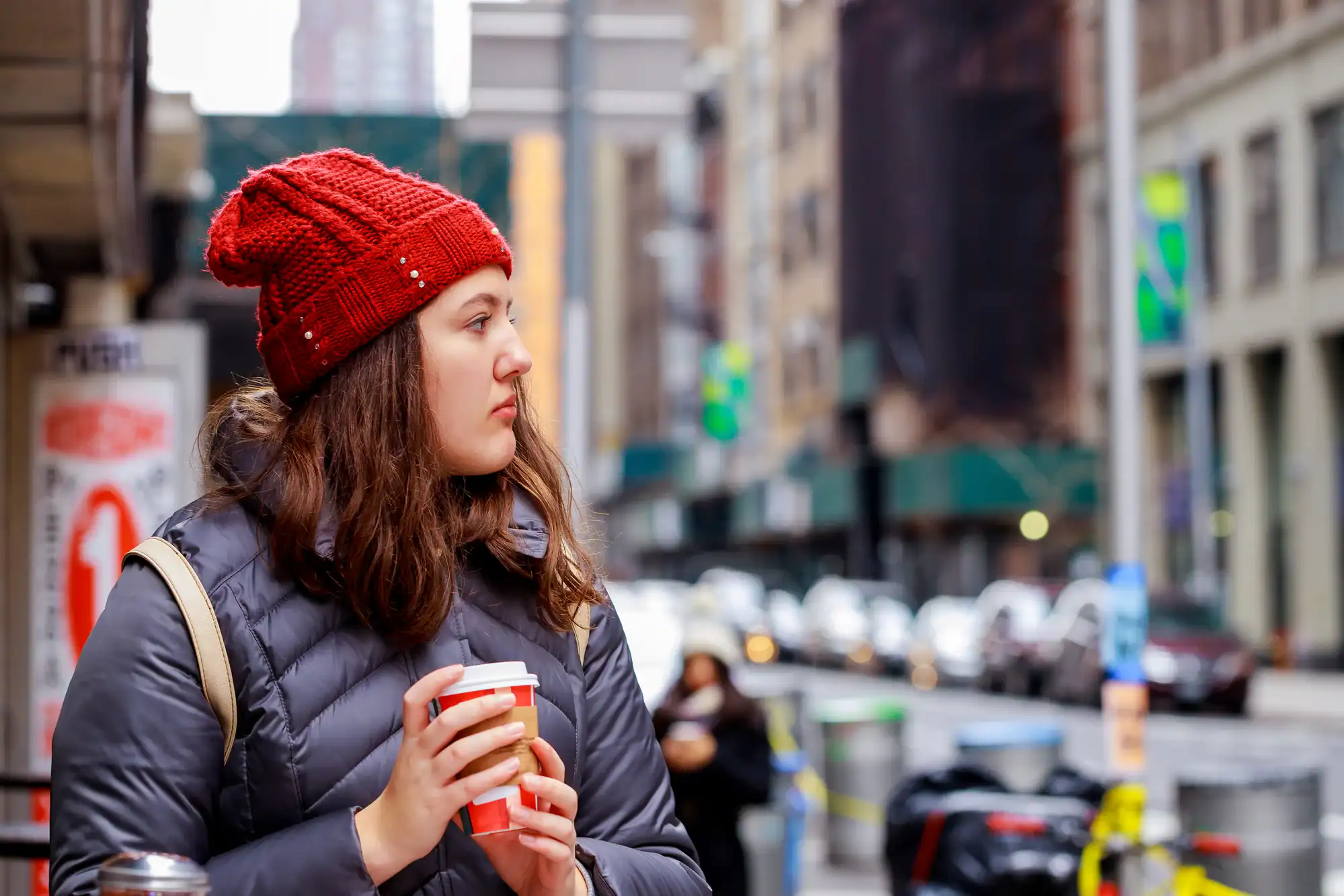
Sociologist Ray Oldenburg coined the term “third place” back in 1989 to describe the social spaces that exist outside your home and workplace. These are the spots where community happens organically—where you run into neighbors, strike up conversations with strangers, and feel like you belong to something bigger than your daily routine.
Coffee shops have historically filled this role. But somewhere along the way, many became transactional pit stops. You order, you pay, you leave. The third space concept pushes back against that trend.
In New York, NY, where nearly half of residents report feeling lonely at least some of the time, these spaces aren’t just nice to have. They’re necessary. The loneliness epidemic is real, documented, and affecting your health in ways comparable to smoking fifteen cigarettes a day.
The irony of urban loneliness is hard to miss. You can be packed into a subway car, shoulder-to-shoulder with dozens of people, and still feel completely disconnected. That’s because isolation isn’t about being physically alone—it’s about lacking meaningful connection.
New York ranks among the loneliest cities in America. The statistics are sobering. More than half of New Yorkers report feeling lonely regularly. The U.S. Surgeon General has officially recognized loneliness as a public health crisis, comparing its health impacts to obesity and chronic smoking.
Several factors drive this. Remote work has blurred the lines between professional and personal space, leaving many without a clear reason to leave home. The pandemic accelerated the decline of community gathering spots. Urban design itself—sprawling, car-centric development and the loss of walkable neighborhoods—has made spontaneous social interaction harder to come by.
The built environment shapes how we connect. When your neighborhood lacks accessible gathering spots, you lose those casual encounters that build community over time. You miss the regular barista who knows your order. The familiar faces you see every Tuesday. The impromptu conversations that remind you you’re part of something larger.
This isn’t just about feeling sad. Chronic loneliness increases your risk of dementia, stroke, and premature death. It affects your immune system, sleep quality, and mental health. The stakes are higher than most people realize.
That’s where third spaces come in. These aren’t solutions to every problem, but they’re a start. They give you a reason to show up, a place to be seen, and an environment where connection can happen naturally.
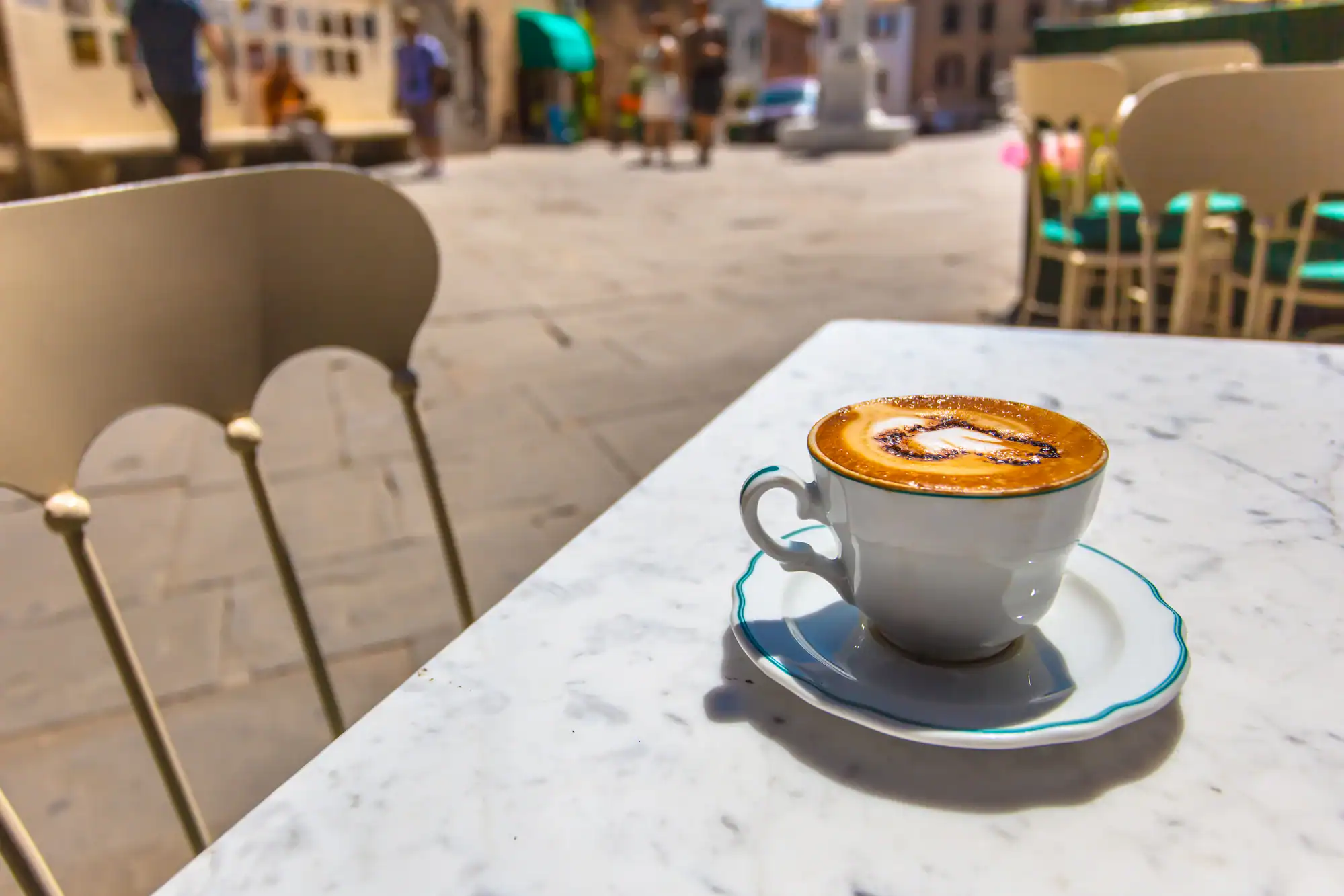
Coffee shops occupy a unique position in urban life. They’re accessible, affordable, and designed for lingering. Unlike bars, they’re welcoming at any hour. Unlike restaurants, there’s no pressure to order a full meal or leave after eating. Unlike coworking spaces, they don’t require membership fees.
The best coffee shops create what researchers call “civil inattention”—you’re free to exist in a public space without others interfering, but you’re not truly alone. You’re anonymous yet together. That balance is rare and valuable, especially for people working remotely or new to the city.
Coffee culture has evolved beyond the drink itself. Today’s cafe-goers are looking for experience, not just caffeine. They want atmosphere. They want to feel like they’re part of a community, even if they’re working solo on their laptop. They want spaces that reflect local character rather than corporate uniformity.
The physical design matters more than you might think. Comfortable seating encourages people to stay. Natural light creates warmth. Varied seating options—communal tables, individual nooks, window seats—give people choice in how they want to engage. Some days you want to chat. Other days you need to focus. A good third space accommodates both.
Music, lighting, and layout all contribute to the vibe. Too loud and conversation becomes impossible. Too quiet and the space feels sterile. The right ambient noise—the hiss of the espresso machine, the murmur of conversation, the gentle clink of ceramic—actually boosts creativity and makes people feel comfortable.
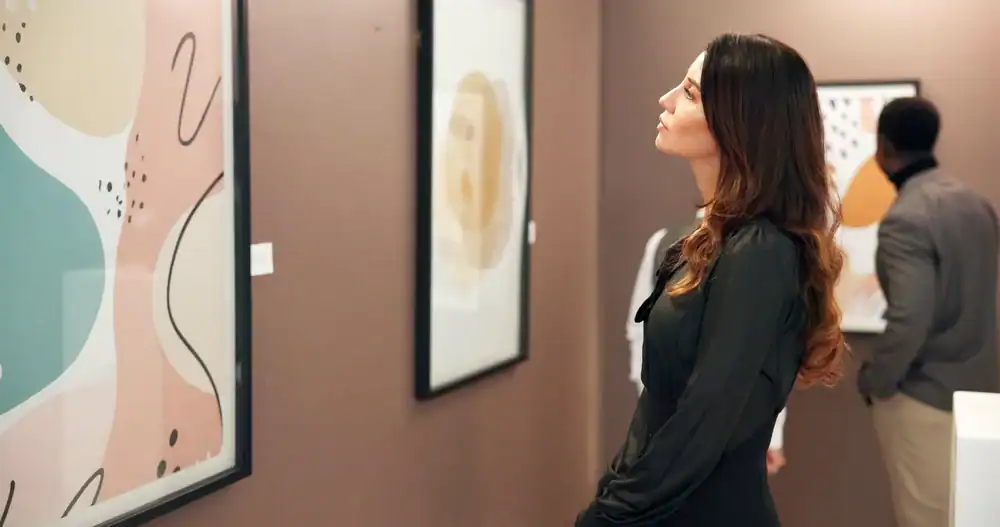
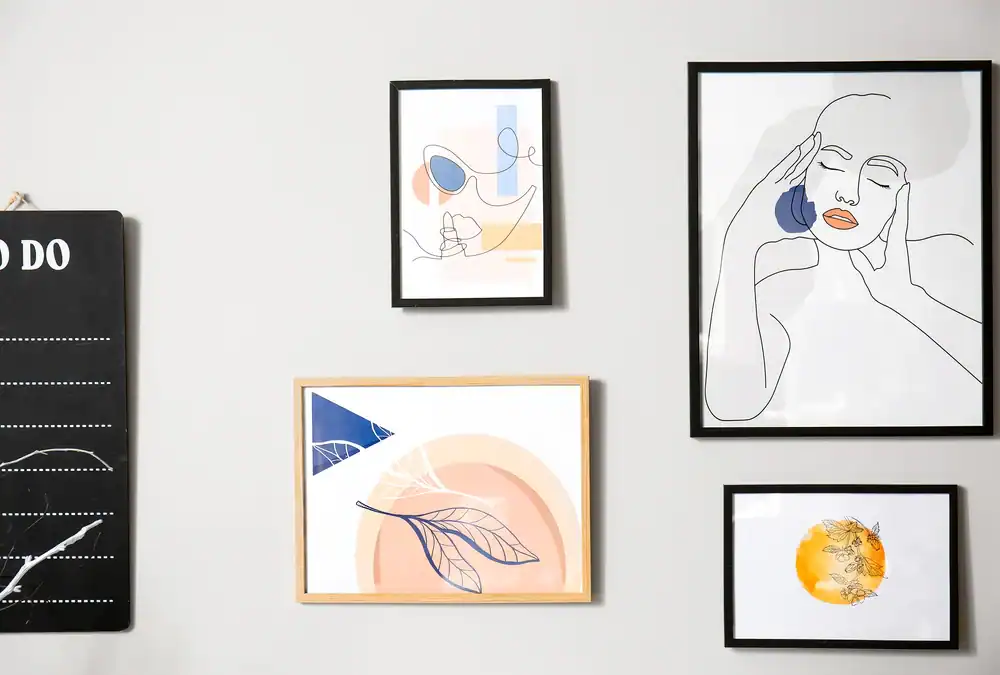
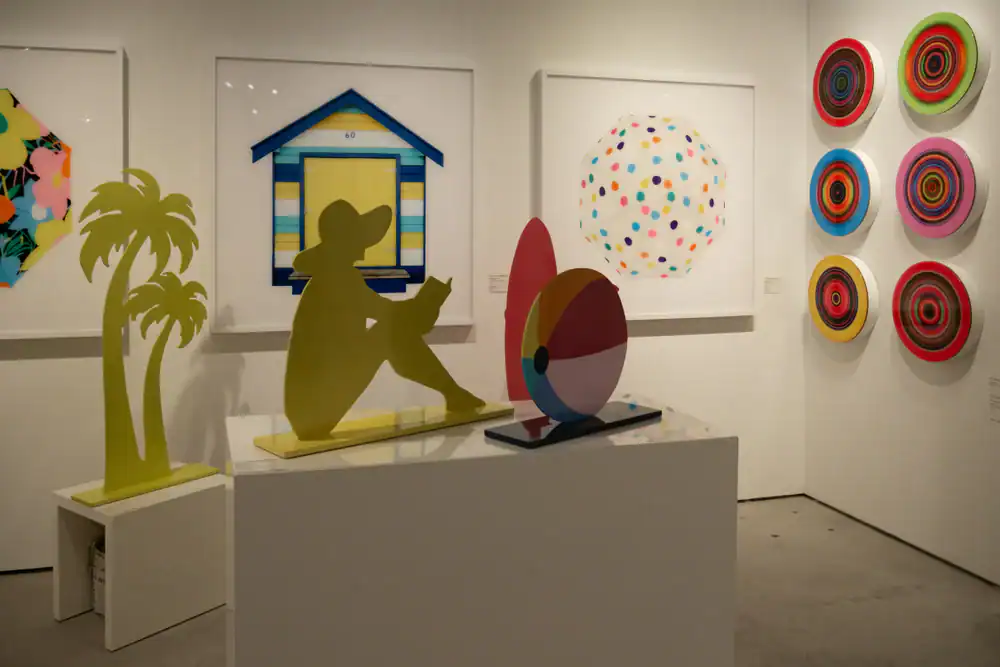
Local art on the walls does more than fill empty space. It tells you this cafe cares about the community. It gives you something to look at, think about, discuss. It supports local artists who need visibility. It transforms a commercial transaction into a cultural experience.
This is why independent cafes often outperform chains when it comes to building community. They’re embedded in their neighborhoods. They know their regulars. They host events, support local causes, and create spaces that reflect the people who walk through their doors.
Want live answers?
Connect with a The Café Galerie expert for fast, friendly support.
Some cafes take the third space concept further by integrating art galleries into their model. These hybrid spaces recognize that people crave cultural engagement, not just caffeine. They understand that art shouldn’t be locked behind museum walls or reserved for gallery openings with wine and cheese.
An art gallery cafe democratizes access to creativity. You can view local artwork while drinking your morning coffee. You can attend an artist talk without the intimidation factor of a formal gallery. You can buy a piece of art in the same place you buy your latte.
This model benefits everyone involved. Artists gain visibility and a platform to sell their work without gallery commissions eating into their profits. Cafe owners create a unique atmosphere that differentiates them from competitors. Customers get a richer, more engaging experience. The neighborhood gains a cultural anchor point.
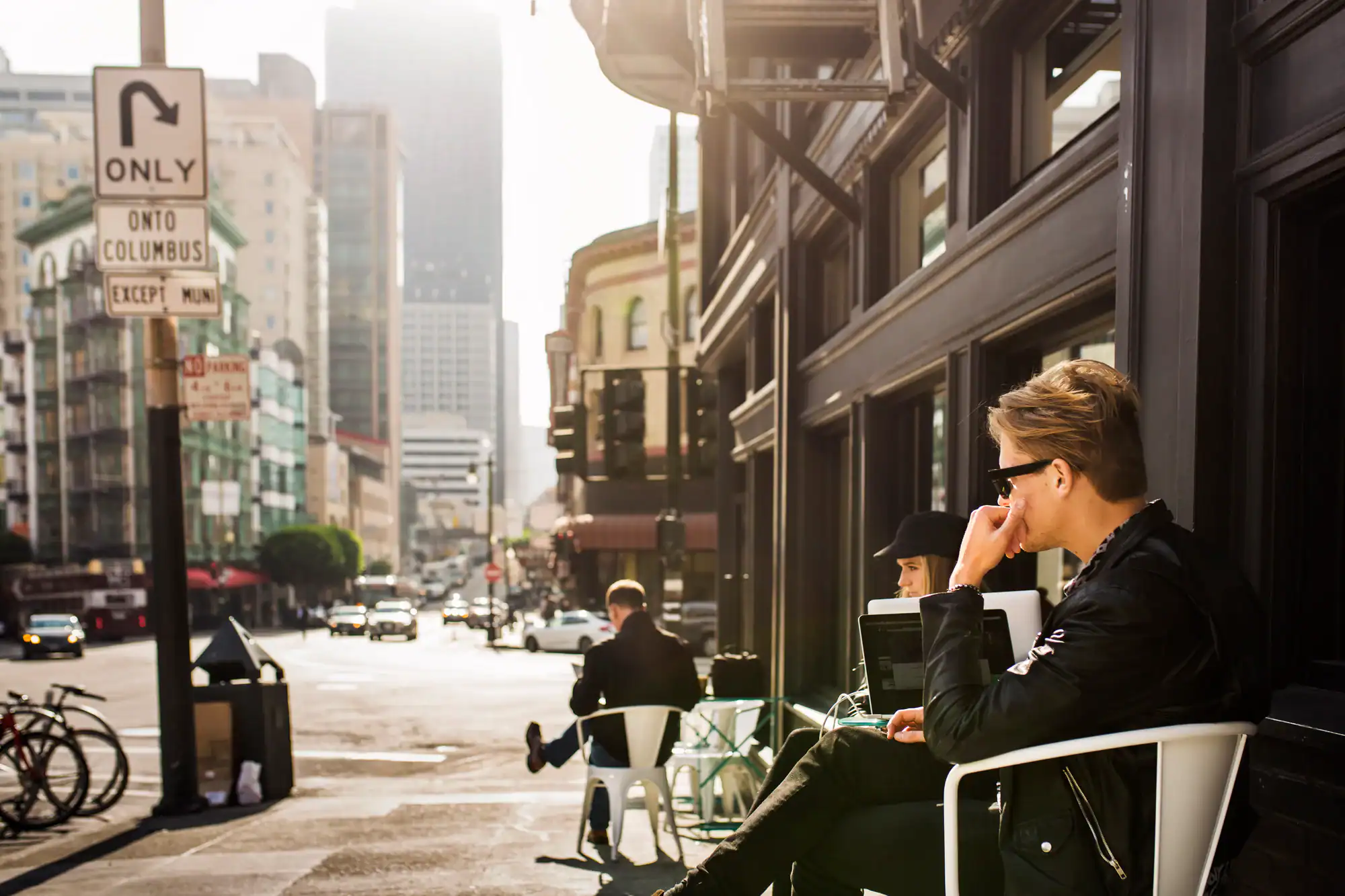
Walk into a cafe with blank walls and you’re in a coffee shop . Walk into one with rotating local art exhibitions and you’re in a cultural space. That distinction matters.
Art gives people a reason to return beyond the coffee. When exhibitions change monthly, there’s always something new to see. Regular visitors become familiar with local artists’ work. They start conversations about pieces they love. They bring friends to see specific shows.
The art also sets the tone. Abstract paintings create a different vibe than street photography or sculpture. Cafe owners who curate thoughtfully can shape the entire atmosphere of their space. They can highlight emerging artists who need exposure. They can showcase work that reflects the neighborhood’s character or challenges its assumptions.
Many successful art cafes host opening receptions for new exhibitions. These events pack the space with artists, collectors, curious neighbors, and regular customers. They create moments of celebration and connection. They remind people that culture happens in accessible places, not just institutions with admission fees.
The business model makes sense too. Art on the walls doesn’t require additional square footage or staffing. It enhances the existing space. Some cafes take a small commission on art sales. Others simply provide the walls for free, recognizing that the art itself is valuable marketing.
From the customer’s perspective, you’re getting more for your money. Your five-dollar latte comes with a cultural experience. You can linger in front of a painting, thinking about its meaning or technique. You can ask the barista about the artist. You can leave feeling like you’ve done something more meaningful than just caffeinate.
This model also supports the local creative economy. Artists need venues to show their work, especially early in their careers. Traditional galleries are competitive and often take 50% commissions. Coffee shops offer an alternative path—lower stakes, more accessible, and embedded in daily life rather than special occasions.
The best third space cafes don’t just provide seating and Wi-Fi. They program events that bring people together around shared interests. Poetry readings. Live music. Art workshops. Book clubs. Open mic nights. Community meetings.
These events transform casual customers into community members. You start recognizing faces. You learn names. You find yourself looking forward to Tuesday night poetry readings or Thursday morning sketch sessions. What begins as attendance at an event becomes participation in something ongoing.
The format matters. Free or low-cost events remove barriers to participation. Recurring schedules help people build habits. Events timed for evenings or weekends accommodate working schedules. A mix of structured programming and open-ended gatherings serves different personality types and needs.
Some cafes partner with local organizations to host events. They might work with literacy nonprofits for storytelling nights, mental health organizations for support groups, or neighborhood associations for planning meetings. These partnerships deepen the cafe’s role as community infrastructure.
The physical space needs to support this programming. Moveable furniture allows for different configurations. A small stage or designated performance area signals that events are welcome. Good acoustics matter for music and spoken word. Adequate seating ensures people can attend comfortably.
From a business perspective, events drive traffic during off-peak hours. A poetry reading at 7 PM brings people in who might not otherwise visit. They buy drinks, discover the space, and often return. Events also generate word-of-mouth marketing and social media content that extends the cafe’s reach.
But the real value isn’t transactional. It’s relational. Events create the conditions for friendship. They give people shared experiences to discuss. They help newcomers to the neighborhood find their people. They combat the isolation that plagues urban life by creating predictable opportunities for connection.
This is what third spaces do at their best. They don’t just sell coffee. They facilitate the social bonds that make neighborhoods feel like communities.
Urban loneliness isn’t inevitable. The antidote exists in the spaces between work and home—in cafes that prioritize people over profit margins, in art galleries that welcome everyone, in community hubs that remember your name.
The third space movement matters because connection matters. Because your mental and physical health depend on feeling like you belong somewhere. Because cities work better when people have places to gather, share ideas, and simply exist together.
Look for the coffee shops that host events, showcase local art , and design their spaces for lingering. Support the independent cafes that invest in community rather than just transactions. Show up regularly enough to become a familiar face. That’s how third spaces work—not through grand gestures, but through consistent, small acts of showing up and being present.
We exist to be that space. Coffee, culture, and community in one place. Because New York, NY deserves gathering spots that combat loneliness rather than contributing to it.
Summary:
Share: