Explore where specialty coffee culture meets emerging artists NYC at seven inspiring cafe spaces. These local art gallery coffee shops deliver substance, not just aesthetics.
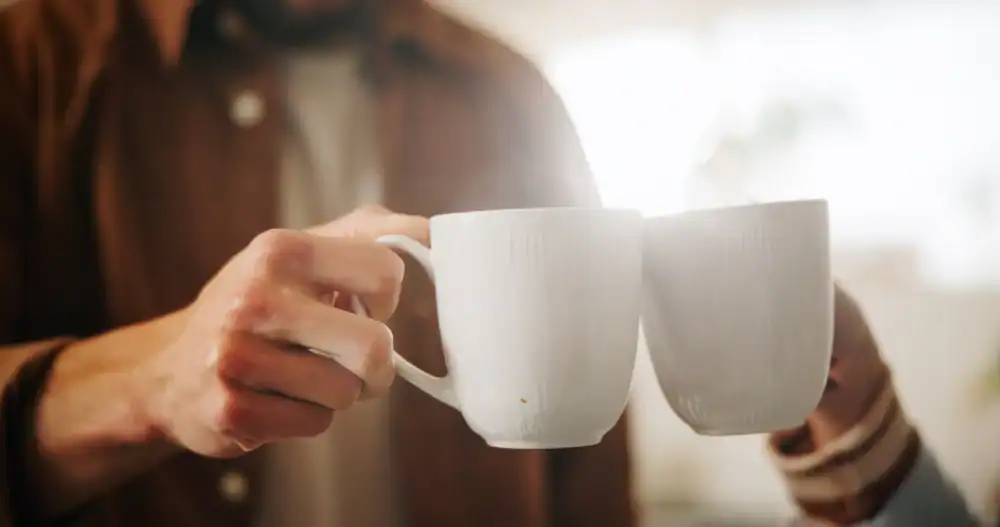
Walk into most Manhattan cafes and you’ll get a line, a transaction, and maybe a seat if you’re lucky. That’s not what you’re after. You’re looking for spaces designed for humans, not foot traffic.
The best coffee shops in New York deliver on three non-negotiables. First, the coffee itself has to hold up—third-wave standards, transparent sourcing, baristas who know the difference between a flat white and a latte. Second, the atmosphere matters. You can feel it the moment you walk in whether a space has soul or just surface-level aesthetics. Third, and this is where most places fail, they need to offer something beyond the cup. Local art galleries, community events, a reason to come back that isn’t just caffeine dependence.
New Yorkers drink 6.7 times more coffee than people in any other US city. That’s not a coincidence—it’s survival, ritual, and social currency all in one. When a coffee shop also showcases emerging artists NYC, it becomes something worth your loyalty.
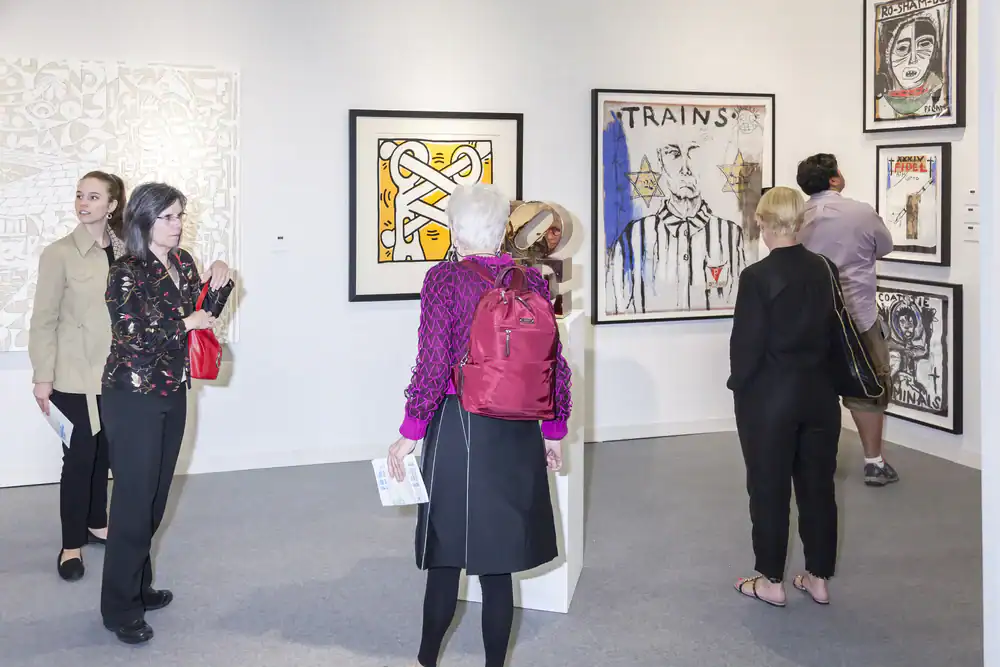
Gallery rents in New York, NY are astronomical. Getting your work seen as an emerging artist requires connections, money, or both. Traditional galleries can feel intimidating if you’re not part of that world—the pressure to appreciate, understand context, maybe even buy something creates a barrier most people don’t want to cross on a Tuesday morning.
But add coffee to the equation and suddenly everything shifts. You’re not there to look at art. You’re there for your morning routine. The art becomes a bonus, not a requirement. This hybrid model works because it meets people where they are.
Coffee shops offering wall space to local creators democratize the entire process. Suddenly, an emerging artist’s work is in front of hundreds of people daily—people who might not have walked into a Chelsea gallery but who will absolutely notice a striking piece while waiting for their cortado. For artists, it’s exposure and potential sales without the gallery commission structure. For coffee shops, it’s an ever-changing visual identity that keeps the space fresh. For you, it’s an environment that actually stimulates your brain instead of numbing it.
The Brooklyn coffee culture has embraced this model particularly well. Spaces in Williamsburg and Bushwick serve as creative havens where artists, writers, and makers gather. These aren’t just cafes—they’re community hubs where art exhibitions 2026 calendars fill up months in advance with local shows, pop-ups, and live music. The Manhattan cafe scene is catching up, recognizing that people want more than efficiency. They want spaces where they can slow down, look around, and feel something other than the constant pressure to keep moving.
Think about the last time you discovered an artist whose work stopped you in your tracks. Maybe it was in a museum, but more likely it was somewhere unexpected—a cafe wall, a friend’s apartment, scrolling late at night. Coffee shops with rotating exhibitions create those moments of discovery without the formality. You came in for an oat milk latte and left with a business card from an artist whose perspective shifted something in you. That’s the power of accessible local art galleries embedded in your daily routine.
Coffee shops in New York have always been more than places to grab a drink. They’re where intellectuals gathered in the early 1900s to debate ideas. Where freelancers built entire careers before coworking spaces existed. Where neighborhoods come together even when everything else is pushing people apart.
In 2026, that community function matters more than ever. People are craving connection in a city that can feel isolating despite being packed with eight million other humans. They want spaces where they can strike up a conversation with a stranger, or just sit near other people without the pressure to perform.
The concept of the “third space”—somewhere between home and work where you can actually exist—has been around for decades, but it’s experiencing a revival. The best coffee shops in New York understand this. They’re not trying to flip tables quickly. They’re creating environments where regulars feel like regulars, not transaction numbers.
This means comfortable seating that doesn’t punish you for staying past your first cup. It means wifi that actually works but also spaces designed to encourage face-to-face conversation. It means events—open mic nights, art openings, book clubs—that give people reasons to show up beyond caffeine. It means baristas who remember your name and your order, who can recommend something new when you’re feeling adventurous.
The third space model recognizes something fundamental: you’re not just buying a drink. You’re buying an experience, a vibe, maybe even a few minutes of peace in a city that never stops moving. When that coffee shop also happens to showcase emerging artists NYC, it becomes something essential to your routine. Not because you’re addicted to coffee (though let’s be honest, you probably are), but because it’s one of the few places in this city where you can actually breathe.
Brooklyn coffee shops have particularly excelled at this. Places like Principles GI Coffee Shop between Park Slope and Gowanus serve as creative havens where the community gathers. Art Collective Cafe in Park Slope blends French-inspired aesthetics with local artist displays and award-winning pastries. These spaces understand they’re not competing on speed—they’re competing on substance.
In Manhattan, the challenge is different. Real estate costs are higher, foot traffic is faster, and the temptation to optimize for efficiency is strong. But the cafes that resist that temptation, that insist on being human-centered spaces, are the ones people actually remember. They’re the ones that become part of your story about why you live in New York, NY in the first place.
Want live answers?
Connect with a The Café Galerie expert for fast, friendly support.
Not every coffee shop with art on the walls is actually supporting local creators. Sometimes it’s corporate-approved prints or generic decor masquerading as curation. Here’s what to look for when you want the real thing.
Check if the art changes. Rotating exhibitions mean the cafe is actively working with multiple emerging artists NYC, giving each one a window of prime exposure. Ask the barista about the current artist. If they can tell you the name, the medium, and maybe even a bit about the work, that’s a good sign the cafe takes this seriously. Look for price tags or contact information displayed near the pieces—that means the art is actually for sale, and the artist is getting opportunities beyond just wall space.
The best coffee shops in New York with local art galleries treat their artists like partners, not decorations. They host opening receptions where artists can meet potential buyers. They promote the exhibitions on social media. They create an environment where the art is part of the conversation, not just background noise.
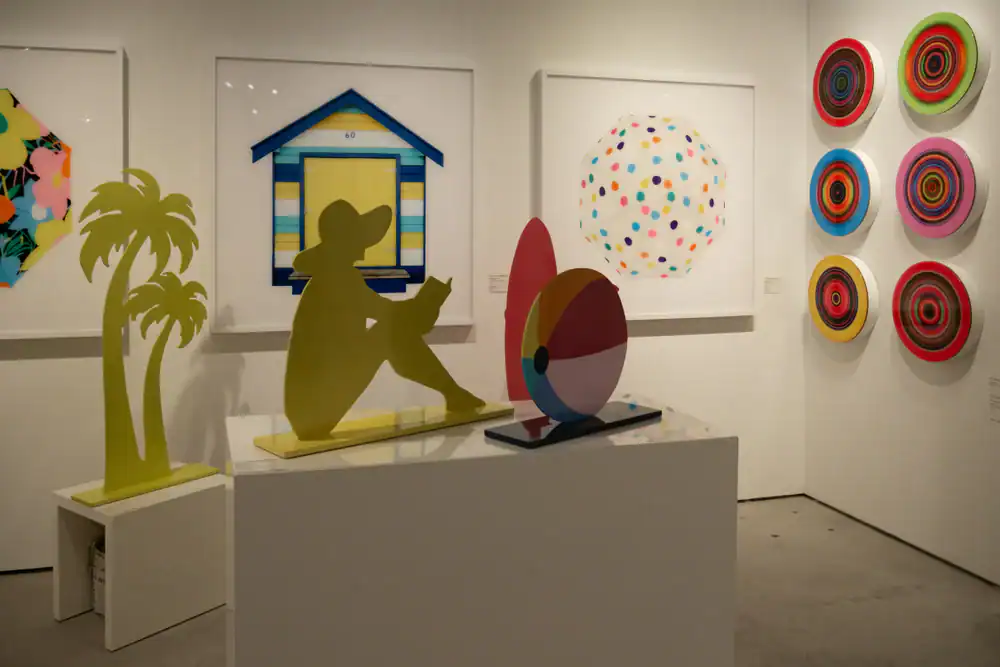
For emerging artists NYC, coffee shop exhibitions solve a real problem. Traditional gallery representation is competitive and often out of reach for self-taught artists or those without insider connections. Gallery commissions can take 50% or more of a sale. Exhibition fees can run into thousands of dollars. And even if you get gallery representation, there’s no guarantee anyone will actually see your work.
Coffee shops offer something different: daily foot traffic. Hundreds of people pass through a busy coffee shop in New York, NY every day. These aren’t people who planned to look at art—they’re people grabbing their morning coffee, meeting a friend, working remotely. But they’re also people with eyes, with walls in their apartments, with birthdays coming up and gift-giving anxiety.
The casual context actually works in the artist’s favor. There’s no pressure, no gallery attendant hovering, no feeling that you need to understand the conceptual framework before you’re allowed to have an opinion. You either connect with a piece or you don’t. If you do, there’s usually a business card or QR code right there.
For the artist, this model means exposure without the traditional gatekeepers. It means keeping more of the sale price. It means building a collector base of real people who discovered your work organically, not because they were told it was important by a gallery director. And in a city where gallery rents can cost more per month than most people’s annual income, coffee shop walls are genuinely valuable real estate.
The coffee shops that do this well understand they’re not just filling wall space. They’re creating opportunities for artists to be seen, to make sales, to build momentum. They’re also enriching their own environment, giving regulars something new to discover on every visit. It’s a genuine win-win, not just a marketing angle.
Some of the most successful artist-cafe partnerships happen in Brooklyn, where the coffee culture has always been more community-focused. But Manhattan is catching up. As more cafes recognize that people want substance over speed, that they’re willing to pay for experiences that feel intentional, the model is spreading. We’re leading this shift at The Café Galerie, demonstrating that rotating art exhibitions and specialty coffee aren’t just compatible—they’re complementary in ways that enhance both the art and the coffee experience.
The intersection of coffee and art isn’t new, but it’s evolving. In 2026, the best coffee shops in New York are treating this relationship with more intention. They’re not just hanging whatever’s available—they’re curating art exhibitions 2026 that reflect their values and their community.
This means working with emerging artists who are pushing boundaries, who have something to say, who create work that makes you stop and look twice. It means rotating exhibitions every few months so there’s always something fresh. It means hosting events that bring artists and coffee drinkers together in the same space, creating conversations that wouldn’t happen otherwise.
The trend is particularly strong in neighborhoods with existing creative communities. Bushwick, Williamsburg, the Lower East Side, parts of Brooklyn that have always attracted artists because the rent was (relatively) affordable. But it’s spreading to Manhattan too, where higher real estate costs mean cafes need to differentiate themselves beyond just serving good coffee.
What makes this work in 2026 is that consumers are smarter. They’re asking questions about where coffee beans come from, how artists are compensated, whether the space they’re supporting aligns with their values. The cafes that can answer those questions honestly, that treat both their coffee and their artists with respect, are the ones building loyal followings.
It’s also about timing. People are exhausted by the purely transactional. They’re tired of spaces optimized for efficiency at the expense of humanity. They want to feel like the places they frequent actually care about something beyond the bottom line. When a coffee shop showcases local art galleries, hosts community events, remembers your name—that’s not just good customer service. That’s building something that matters in a city that can feel overwhelmingly impersonal.
The NYC streets have always been a source of inspiration—graffiti, architecture, the way light hits a fire escape at 7am. When coffee shops bring that same creative energy indoors, they’re not trying to replicate the streets. They’re creating spaces where you can experience that creativity while also getting the caffeine you need to function. It’s a balance that the best coffee shops in New York, NY are finally figuring out.
Look for cafes that list their current artist on their website or social media. Check if they have upcoming art exhibitions 2026 schedules posted. Ask if they host artist receptions or opening nights. These are the markers of spaces that take the art seriously, that see it as integral to their identity rather than just decoration. When you find these places, you’ve found more than just a coffee shop—you’ve found a third space that enriches your daily routine with both quality caffeine and unexpected creative discovery.
The best experiences in New York happen when you’re not looking for them. You walk into a coffee shop expecting a quick caffeine hit and walk out with a new perspective, a business card from an artist whose work stopped you in your tracks, or just a better mood than you had twenty minutes ago.
That’s what happens when a cafe understands its role in the ecosystem. It’s not just about the coffee, though the coffee better be good. It’s about creating a space where people can slow down, look around, and feel something other than the constant pressure to keep moving. Where emerging artists NYC get real exposure and you get an environment that actually stimulates your brain.
The coffee shops in New York, NY that truly deliver on this promise aren’t trying to be everything to everyone. They’re being something specific to the people who need it most: a place where coffee, art, and community intersect in a way that feels natural, not forced. If you’re tired of generic experiences and looking for spaces with actual soul, we embody exactly this philosophy at The Café Galerie—where specialty coffee and rotating art exhibitions create the kind of third space that makes living in New York worth it.
Summary:
Article details:
Share: