New York's art scene is exploding in 2026—and the best way to experience it might just involve a latte in hand.
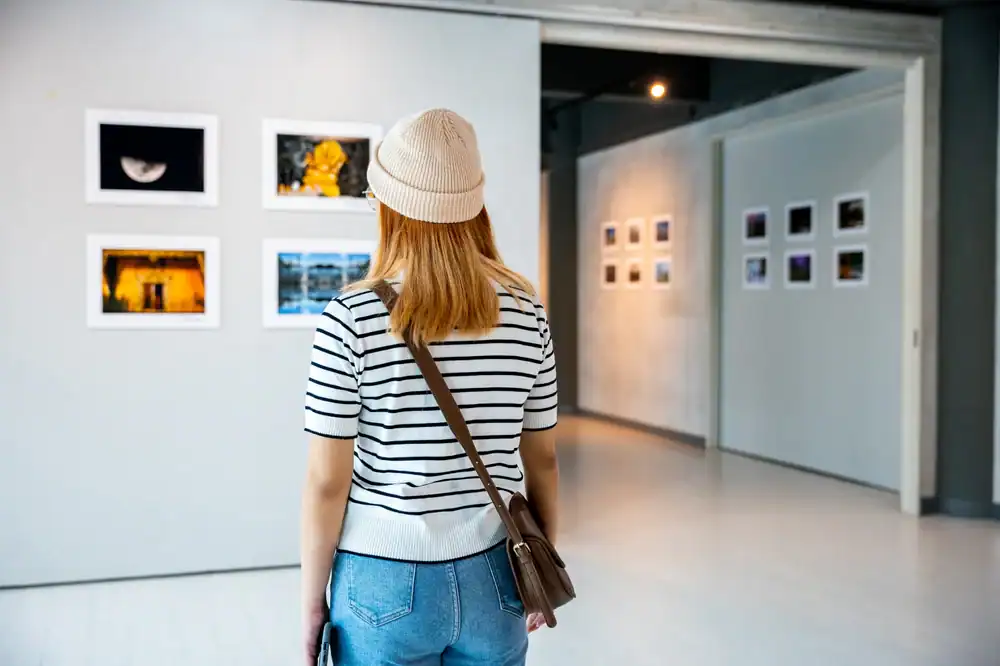
The art world runs on cycles, and 2026 happens to land during a particularly strong one. MoMA is hosting its first major Duchamp retrospective in over 50 years. The Met is gathering more than 200 Raphael works. The Whitney Biennial is back with its usual mix of controversy and brilliance.
But here’s what matters more than the marquee names: the numbers tell the real story. The Metropolitan Museum welcomed over 5.7 million visitors in fiscal year 2025, reflecting 5% year-over-year growth. New York City pulled in 62 million visitors in 2023, and projections for 2026 show that momentum holding. Museums aren’t just open—they’re packed. Galleries aren’t just surviving—they’re thriving.
This energy is reshaping how galleries program their spaces. More risk-taking. More work by artists who aren’t already household names. More willingness to do shows that don’t have an obvious market angle. That’s the kind of environment where interesting things happen, and where the New York tourism 2026 conversation intersects with genuine cultural vitality.
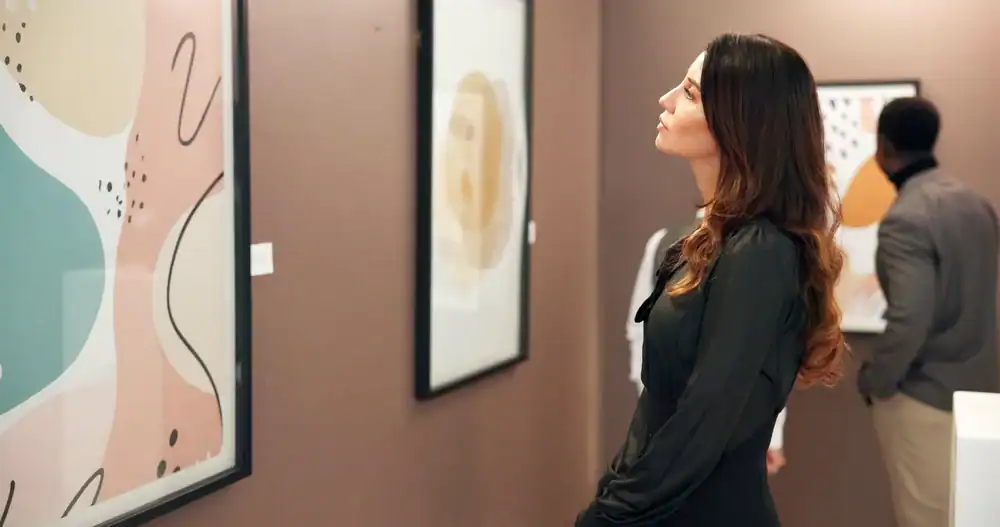
Geography still matters in New York’s art world, even if the internet wants you to believe otherwise. Certain neighborhoods have the density, the foot traffic, and the infrastructure that make them gallery districts. Chelsea remains the undisputed heavyweight—roughly 200 galleries packed between 18th and 28th Streets, concentrated between 10th and 11th Avenues.
If you’re serious about seeing a lot of work in a short amount of time, Chelsea on a Saturday afternoon is unbeatable. You can hit 15 galleries in three hours without ever getting in a car. The quality is consistently high because the rent is consistently brutal, which means only galleries with real backing can afford to be there. Names like Hauser & Wirth, Pace Gallery, and David Zwirner anchor the neighborhood, but dozens of smaller galleries fill in the gaps with equally compelling programming.
But Chelsea isn’t the whole story anymore. The Lower East Side has become a hub for younger galleries showing emerging artists—spaces like Capsule, Anat Ebgi, and dozens of others operating in former tenements and ground-floor retail spaces. The work tends to be more experimental, the spaces smaller, and the vibe less polished. If you want to see what might be important in five years, this is where you start.
SoHo and Tribeca still have their share of blue-chip galleries, though the neighborhood has shifted more toward luxury retail. You’ll find established names tucked between designer boutiques and high-end restaurants. Brooklyn—particularly Bushwick and Williamsburg—has its own thriving scene, though it’s more scattered geographically. The galleries here tend to be artist-run or cooperative ventures, which gives the work a different energy than what you’ll see in Manhattan.
The Upper East Side remains home to institutions like the Met, the Guggenheim, and the Neue Galerie. These aren’t galleries in the commercial sense, but they’re essential stops if you’re trying to understand the full scope of what’s happening in modern art exhibitions across the city. And honestly, if you haven’t been to the Met in a while, 2026 is the year to go back. The Raphael show alone is worth the trip.
One thing that’s changed: gallery hopping doesn’t have to be an all-day endurance test anymore. A lot of galleries have gotten smarter about their hours, staying open later on Thursdays and Fridays. Some have started hosting evening events that feel more like social gatherings than formal openings. The old model of “serious art people only” is fading, which makes the whole NYC gallery guide experience more accessible to everyone.
Let’s talk about what’s actually on the calendar and why it matters. MoMA’s Marcel Duchamp retrospective runs from April 12 through August 22, and it’s the kind of show that happens once in a generation. Nearly 300 works spanning six decades, including pieces that rarely travel. This is the first major U.S. retrospective of Duchamp’s work since 1973. If you care about how modern art became modern art, you see this show. Period.
The Met’s Raphael exhibition is the other unmissable event of the year. Over 200 works from one of the Renaissance’s defining figures, many of them loans that required years of diplomatic negotiation. It’s the kind of show where you’ll be standing next to people who flew in from other continents just to see it. The crowds will be intense, but that’s the price of admission for something this historically significant.
MoMA PS1’s Greater New York opens April 16, marking the museum’s 50th anniversary. It’s always a snapshot of what’s happening in the city’s art scene right now—53 artists whose work reflects the rhythms, layers, and challenges of living and creating in New York. It’s messy, it’s ambitious, and it’s never boring. If you want to argue about contemporary art over drinks later, this is the show that gives you material.
Frieze New York happens May 13-17 and it’s less of an exhibition and more of a market spectacle. Over 65 galleries from around the world set up booths at The Shed, and the energy is pure commerce. But it’s also where you see what’s selling, what’s trending, and what gallerists think collectors will pay for. Even if you’re not buying, it’s fascinating to watch the machinery of the art market operate in real time.
Beyond the blockbusters, there are dozens of smaller shows that deserve attention. The Drawing Center is doing a major U.S. retrospective of Ceija Stojka, a Roma artist whose work documents both the Holocaust and the richness of Roma cultural life. The Guggenheim has Carol Bove’s largest museum survey to date, with twisted steel sculptures and exacting spatial choreography filling the iconic rotunda. The Bronx Museum’s AIM Biennial showcases 28 artists from the last two cohorts of fellows—Bronx-raised painters, Dominican-American artists working with found furniture, and other voices that aren’t represented by commercial galleries yet.
Public Art Fund is also transforming the city with ambitious installations. Woody De Othello’s monumental bronze sculptures will be installed throughout Brooklyn Bridge Park from May through March 2027. Gabriel Orozco will create 10 new site-specific photographic images exploring urban life, displayed on bus shelters across the city from July through September. Even your commute becomes an art experience.
The key is to not treat this like a checklist. Pick two or three shows that genuinely interest you and give them real time. You’ll get more out of spending two hours at one exhibition than rushing through five in a day. And if you’re not sure what interests you, start with whatever has the longest lines. Sometimes the crowd is right.
Want live answers?
Connect with a The Café Galerie expert for fast, friendly support.
Something unexpected has happened over the past few years: coffee shops have become legitimate cultural spaces in the New York art gallery scene. Not in a cutesy, “we hung some prints on the wall” way. In a real, “artists are exhibiting here and people are coming specifically to see the work” way.
Part of this is practical. Gallery space is expensive and getting more so. Coffee shops have walls, foot traffic, and a built-in audience of people who are already in the mindset to linger. For emerging artists, it’s a way to get work in front of hundreds of people daily without the gatekeeping that comes with traditional galleries. For coffee shops, it’s a way to differentiate in a market where every block has three specialty cafes competing for the same customers.
But there’s something deeper happening too. The line between “high” and “low” culture has been blurring for years, and coffee shops are where that blur becomes visible. You can sit with a cortado and look at work by a local painter who might be in a Chelsea gallery in two years. Or you might just enjoy your coffee in a space that feels more intentional than another minimalist white box.
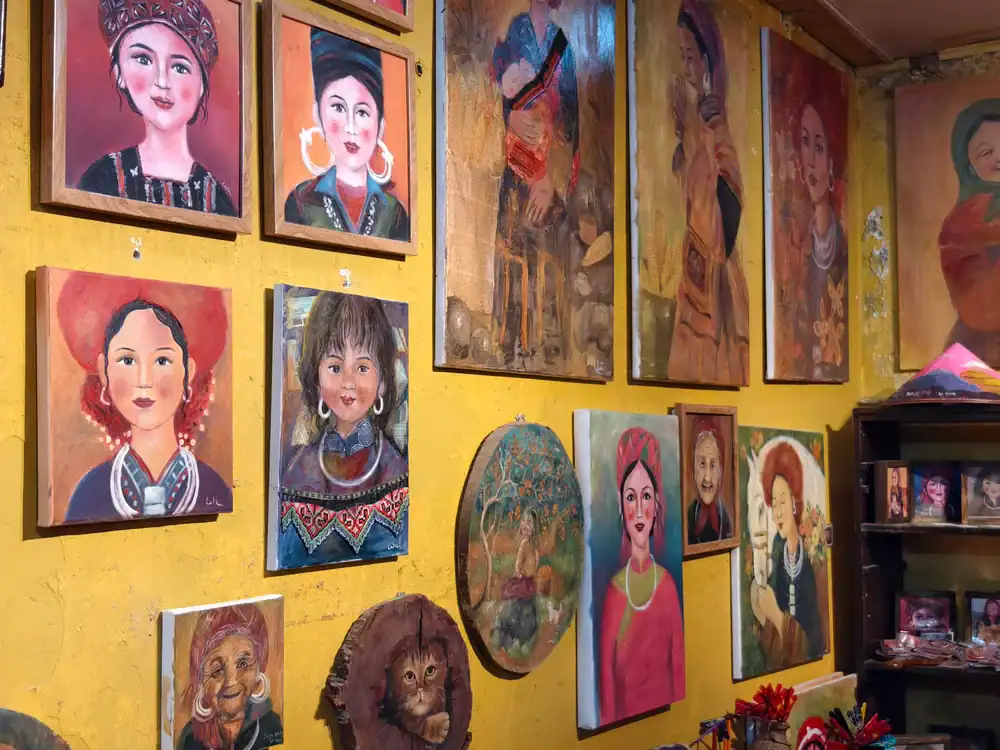
The term “third space” gets thrown around a lot, but it’s worth understanding what it actually means. Your first space is home. Your second space is work. Your third space is everywhere else—the places you go to exist as a person rather than as a worker or a resident. These are the cafes, libraries, parks, and community centers where you can just be.
New York is losing its third spaces at an alarming rate. Rents are too high. Chains have replaced independents. Every square foot is optimized for maximum revenue per hour. The result is a city that feels increasingly transactional—you buy something or you leave. In a city where third spaces are disappearing and every square foot is monetized, finding places that actually invite you to stay matters more than ever.
Coffee shops that double as art spaces are pushing back against that trend. They’re saying: come in, get a drink if you want, look at the art, stay as long as you need to. It’s a small act of resistance against the relentless commodification of public space. And people are responding because they’re starved for places where they can just be, without constant pressure to consume or produce.
This matters for the art world too. Traditional galleries can feel exclusive, even when they’re technically open to everyone. There’s an unspoken dress code, a way you’re supposed to behave, a sense that you should already know what you’re looking at. Walk into a traditional art gallery and there’s pressure—you’re supposed to appreciate the work, understand the context, maybe even buy something. It can feel intimidating if you’re not part of that world.
Add coffee to the equation and suddenly the barrier drops. You’re not just there to look at art—you’re there for your morning routine. The art becomes a bonus, not a requirement. This hybrid model meets people where they are. Maybe you came in for an oat milk latte and left having discovered a print from a local artist. Maybe you needed a quiet place to work and ended up having a conversation about the exhibition on the walls.
It’s also changing how people discover art. Instead of planning a dedicated gallery day, you stumble into a cafe for a meeting and leave having seen work by three artists you’d never heard of. That kind of accidental discovery is how taste gets formed. It’s how you figure out what you actually like versus what you think you’re supposed to like. When a coffee shop offers wall space to local creators, it democratizes the process—suddenly, your art is in front of hundreds of people a day who might not have walked into a traditional gallery but will absolutely notice a striking piece while waiting for their cortado.
The best coffee-art spaces understand this. They’re not trying to replicate a gallery experience. They’re creating something different—more casual, more democratic, more integrated into daily life. The art isn’t the only reason you’re there, but it’s part of why you come back. You get an environment that actually stimulates your brain instead of numbing it.
Not every coffee shop with art on the walls is worth your time. The difference between a great art cafe and a mediocre one comes down to intention. Is the art actually curated, or is it just decoration? Does the space feel like it’s designed for lingering, or are you expected to grab your drink and go? Is the coffee good enough to justify the price, or are you paying for the ambiance?
The best places get all three elements right. The coffee is legitimately good—sourced well, prepared with care, served by people who know what they’re doing. New York’s third-wave coffee culture doesn’t tolerate mediocrity, and the cafes that survive understand that quality is non-negotiable. The art is thoughtfully selected and rotates regularly, so there’s always a reason to come back. And the space itself invites you to stay. Comfortable seating. Good lighting. Enough room that you’re not sitting on top of the person next to you.
Location matters too. The best art cafes tend to be in neighborhoods where galleries already exist—Chelsea, the Lower East Side, parts of Brooklyn near gallery clusters in Williamsburg and Bushwick. This isn’t coincidental. These are areas where people are already thinking about art, already in the mindset to engage with visual culture. The cafe becomes part of a larger experience rather than an isolated stop on your day.
What you’re looking for is a place that respects both sides of the equation. The coffee isn’t an afterthought to get you in the door, and the art isn’t just there to make the space feel cultured. Both are taken seriously. Both are done well. When that happens, you get something that’s more than the sum of its parts—a space that feels intentional, where the lighting, the seating, the music, and yes, the art on the walls all contribute to something cohesive.
Some places are also hosting events—artist talks, small performances, book launches. This turns the cafe into an actual cultural venue rather than just a place that happens to have art. It creates community. It gives people a reason to show up at specific times rather than just wandering in whenever. Spaces like Enoch’s Arts & Coffee in Hudson Yards, Happy Medium in Chinatown, and Art Collective Cafe in Park Slope have proven that this model works when executed with genuine commitment to both coffee quality and artistic curation.
The economics of this model are interesting. Coffee has high margins, which subsidizes the space for art. Foot traffic from art draws brings in customers who might not have found the cafe otherwise. It’s a symbiotic relationship that works when both sides are committed to quality. When one side slips—when the coffee gets lazy or the art becomes generic—the whole thing falls apart. But when it’s done right, you get a win for everyone: artists get exposure and potential sales, cafes get an ever-changing visual identity that keeps the space fresh, and you get an environment that respects your time, your taste, and your intelligence.
The New York art gallery scene in 2026 is as vital as it’s been in years. Major institutions are putting on career-defining shows. Smaller galleries are taking risks. And coffee shops have quietly become part of the cultural infrastructure in ways that would have seemed unlikely a decade ago. With 2026 art trends pointing toward more experiential, accessible cultural spaces, this is the moment when coffee and art culture truly converge.
The key is to approach it all with intention. Don’t try to see everything. Pick what genuinely interests you and give it real time. Mix the blockbusters with smaller shows. Spend a Saturday in Chelsea, but also wander through the Lower East Side or Brooklyn. And when you need a break, find a cafe where the art on the walls is worth looking at and the coffee is worth drinking.
This is what makes New York New York—the density of cultural options, the constant churn of new work, the sense that something important might be happening in the next gallery or the next cafe. You just have to show up and pay attention. If you’re looking for a place where both the art and the coffee are taken seriously, where the space actually invites you to stay rather than rushing you out the door, we’re building exactly that kind of experience at The Café Galerie in NYC.
Summary:
Article details:
Share: