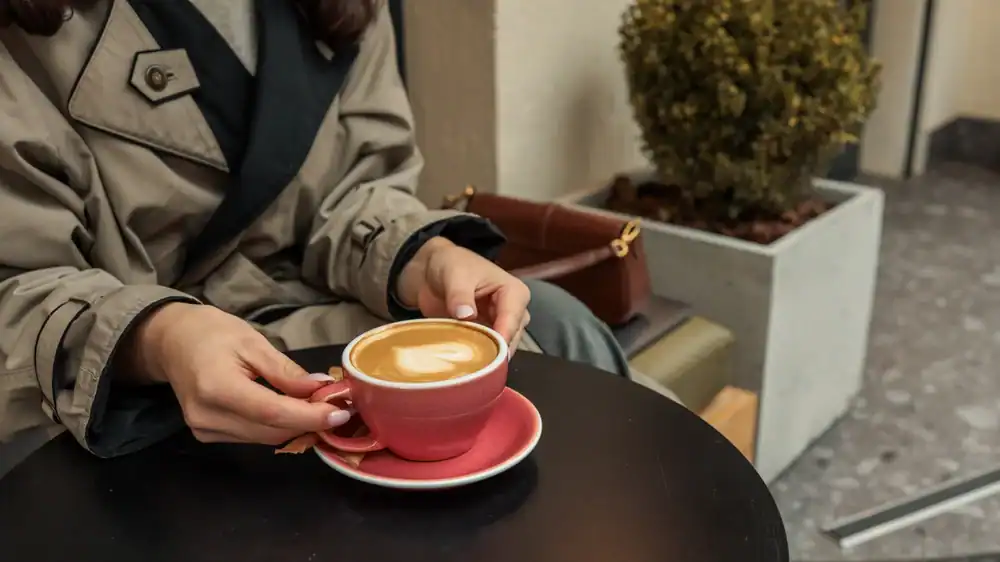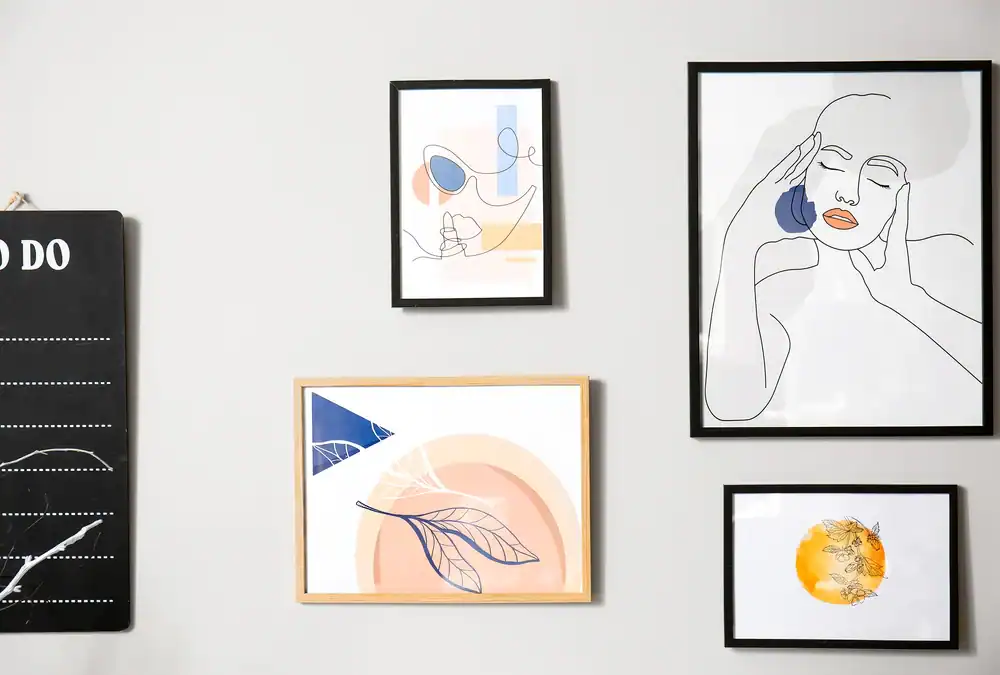
New York's combined cafe and art gallery trend isn't a gimmick—it's a response to what people actually want: spaces serving multiple purposes without chaos.
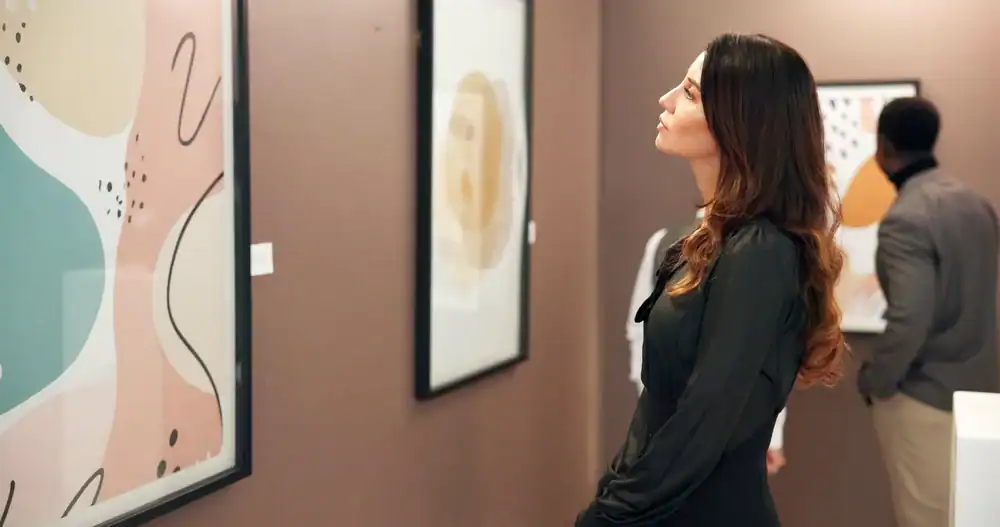
Walk into a traditional art gallery and there’s an unspoken expectation. You’re supposed to understand the context, appreciate the technique, maybe even make a purchase. It can feel like you need credentials just to look at the walls.
Now add coffee to the equation and something shifts. You’re not just there to look at art—you’re there for your morning routine, to meet a friend, to get work done. The art becomes a bonus instead of the main event. That changes everything about how you interact with the space and what you get out of it.
This hybrid model works because it meets you where you are. Maybe you came in for an oat milk latte and left with contact information for a local artist whose work caught your eye. Maybe you needed a quiet place to work and ended up having a conversation about the exhibition on the walls. The experience becomes layered in ways that neither a pure cafe nor a traditional gallery could achieve alone.
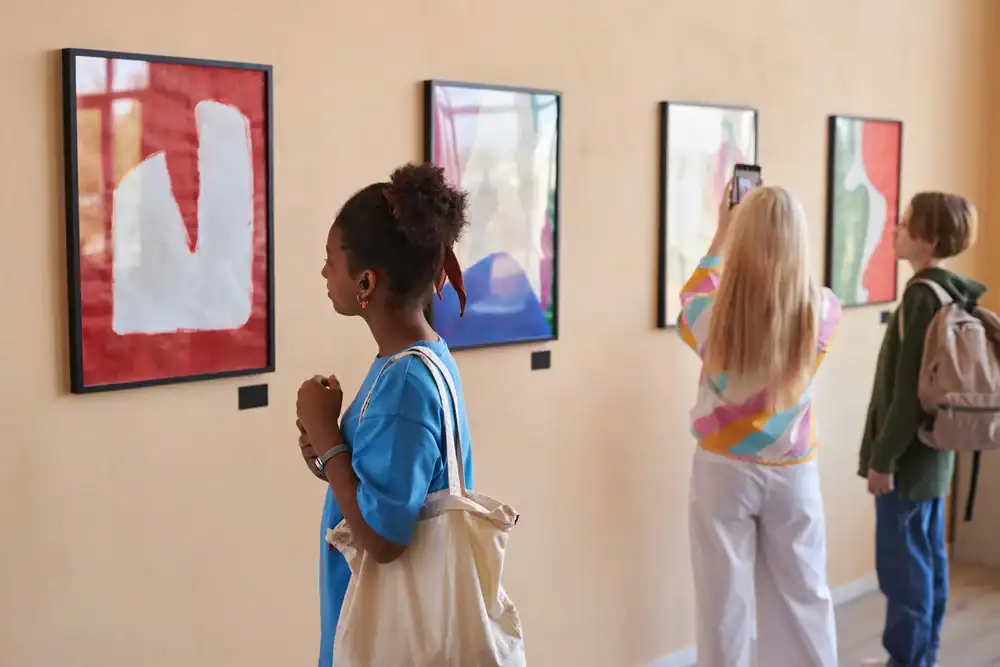
There’s real science behind why these spaces feel different. Researchers have found that engaging multiple senses simultaneously increases memorability and deepens emotional connection far more than visual stimulation alone. When you walk into a combined cafe and art gallery, you’re not just seeing art—you’re experiencing it alongside the aroma of freshly ground coffee, the texture of a handmade ceramic mug, the ambient sounds of conversation and espresso machines.
This multi-sensory approach is exactly what experiential retail experts have been tracking for 2026. Brands across industries are incorporating tactile demos, sound cues, and scent triggers into their spaces because these elements provide real-world proof of quality and increase confidence in decisions. In a combined cafe and art gallery, this isn’t manufactured or forced. It happens organically because coffee and art naturally engage different senses.
The impact shows up in how you remember the experience. You might forget another generic coffee shop within hours, but you’ll remember the space where you discovered a new artist while drinking the best cortado you’ve had in months. That’s not an accident—that’s sensory marketing working exactly as intended, creating moments that stick with you long after you leave.
What makes this particularly powerful in New York, NY is the city’s existing appetite for immersive experiences. New Yorkers are actively seeking spaces that transport them, that offer something beyond the transaction. A combined cafe and art gallery delivers on that desire without requiring you to buy a ticket or make a reservation. You just walk in, order your coffee, and let the experience unfold around you.
The beauty of this approach is its accessibility. You’re not being sold an experience—you’re living one. The art isn’t behind velvet ropes. The coffee isn’t pretentious. Everything is designed to be approachable while still maintaining exceptional quality. That balance is what separates a true combined cafe and art gallery from spaces that are just trying to be trendy.
New York’s coffee scene has always been about more than caffeine. In a city with over 3,000 coffee shops, differentiation isn’t optional—it’s survival. The boutique coffee shops that thrive are the ones offering something you genuinely can’t get anywhere else. That’s where art integration becomes more than an aesthetic choice. It becomes strategic positioning.
The shift toward combined cafe and art gallery concepts reflects broader changes in consumer behavior. Today’s coffee drinkers—especially in New York, NY—want experiences that fit into their routines while supporting their lifestyle. They’re looking for spaces that feel familiar and welcoming but also stimulate their thinking and expose them to new ideas. A boutique coffee shop with rotating art exhibitions checks all those boxes simultaneously.
This trend also addresses a real problem for local artists. Traditional galleries often charge fees, take significant cuts of sales, and require major time commitments. Coffee shops that dedicate wall space to local creators democratize the entire process. Suddenly your art is in front of hundreds of people daily—people who might not have walked into a gallery but will absolutely notice a striking piece while waiting for their drink.
For the cafe itself, this creates an ever-changing visual identity that keeps the space fresh. Regular customers return not just for the coffee but to see what’s new on the walls. First-time visitors find themselves staying longer than planned because the environment actually stimulates their brain instead of numbing it. That extra dwell time translates directly into additional purchases and stronger customer loyalty.
The New York streets have always been a source of inspiration—graffiti, architecture, the way light hits a fire escape at 7am. When cafes bring that same creative energy indoors through art integration, they’re not trying to replicate the streets. They’re channeling them. They’re saying: this is what happens when you slow down long enough to notice what’s around you.
What separates successful combined cafe and art gallery spaces from those that miss the mark is intentionality. The art isn’t just decoration filling empty walls. It’s curated to complement the space, to spark conversation, to give you something worth looking at while you’re there. The coffee isn’t an afterthought—it’s specialty-grade, carefully sourced, precisely prepared. Both elements receive equal attention because both are essential to the experience.
Want live answers?
Connect with a The Café Galerie expert for fast, friendly support.
There’s a term for what these combined cafe and art gallery spaces provide: third places. That’s sociologist speak for venues other than home and work where people go for conversation, connection, and belonging. These spaces have always existed in every culture, but they’ve been under pressure in recent years. New York needed them back.
The coffeehouse has established itself as North America’s preeminent third place over the past few decades, but the model has been evolving. What worked ten years ago doesn’t necessarily work now. Today’s third space needs to offer more than just a place to sit—it needs to give you a reason to choose it over working from home or meeting at yet another generic location.
Combined cafe and art gallery concepts answer that need perfectly. They provide community without demanding participation. You’re simultaneously alone and together, which is ideal for creative work or casual socializing. You can spend two hours on your laptop without anyone bothering you, or you can strike up a conversation with the person next to you about the exhibition on the walls. The space adapts to what you need in the moment.
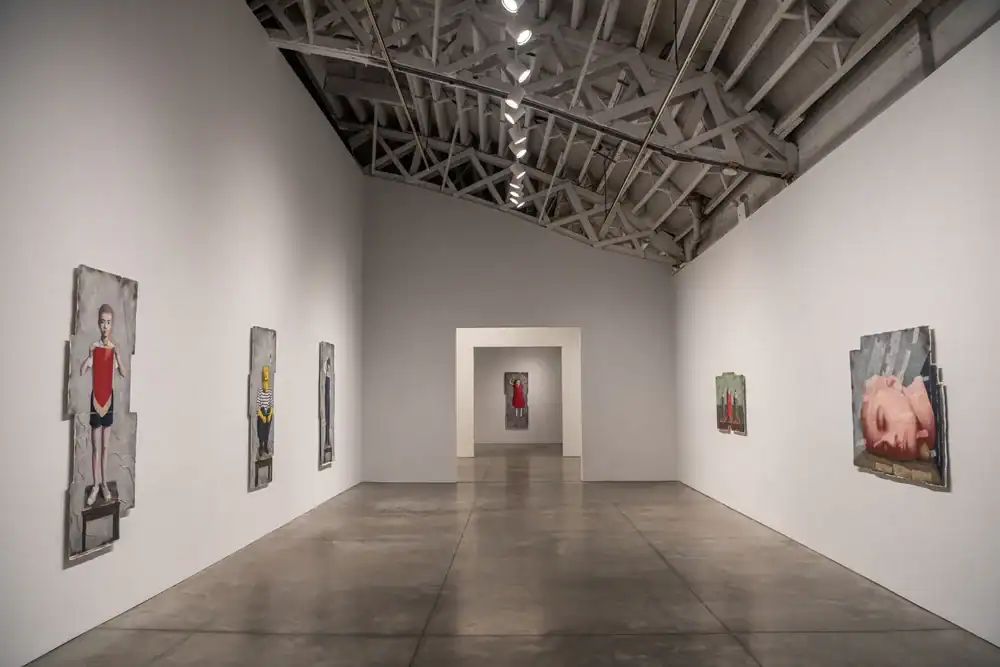
There’s a reason writers, designers, and other creatives have been working in cafes for centuries. The gentle hum of conversation creates what researchers call ambient noise—a background soundtrack that actually enhances creative thinking. Unlike the silence of libraries or the chaos of public squares, boutique coffee shops hit that sweet spot of auditory stimulation that allows your mind to wander productively.
When you add visual art to that equation, you’re giving your brain additional stimulation that can unlock new ideas. You might be stuck on a project, glance up at a painting, and suddenly see your problem from a different angle. That’s not mystical—that’s how creative thinking works. Your brain makes connections between seemingly unrelated inputs, and those connections often lead to breakthroughs.
The physical design of combined cafe and art gallery spaces often supports this process inadvertently. Most feature a variety of seating options, from communal tables to secluded corners. This allows you to select environments that match your current needs. Need to focus? Grab the quiet corner. Want energy and inspiration? Sit at the bar where you can watch the baristas work and see other customers interacting with the art.
For many creatives, the coffee itself acts as a timekeeper and ritual. You measure your work sessions in cups rather than hours. Two cups means you’ve put in a solid stretch. That kind of structure helps when you’re working on projects that don’t have built-in deadlines or clear endpoints. The combined cafe and art gallery becomes your office, your gallery visit, and your social time all in one location.
What makes this particularly valuable in New York, NY is the cost and space constraints most people face. You might not have room for a dedicated home office. You might not want to pay for a coworking space. You definitely don’t want to spend your entire day in a corporate coffee chain. A boutique coffee shop with art exhibitions gives you a productive environment without requiring any long-term commitment or significant expense. You buy a coffee, you get a workspace. Simple.
The combined cafe and art gallery trend is part of a larger shift toward experiential retail that’s reshaping how physical spaces compete with online convenience. In an era where you can buy almost anything with a click, the question becomes: why should you leave your home? The answer has to be experience—something you genuinely can’t get online.
Retail brands across industries have figured this out. Luxury fashion houses are opening cafes in their flagships. Banks are integrating coffee bars and bookstores into their branches. The results speak for themselves: double the foot traffic, significantly higher engagement, and customers who discover products organically because they’re already in the space for another reason. The same principle applies to coffee shops that integrate art.
When you walk into a combined cafe and art gallery, the experience itself becomes the product. Yes, you’re buying coffee. But you’re also buying the opportunity to discover new artists, to work in a stimulating environment, to be part of a creative community. That’s worth more than the price of the beverage, and you know it. That’s why you keep coming back even though you could make coffee at home for less.
This experiential approach also addresses the growing demand for authenticity in New York lifestyle trends. People can spot manufactured experiences from a mile away, and they’re not interested. What they want is real—real art from real local artists, real specialty coffee prepared by people who care about the craft, real community that forms organically rather than being forced. Combined cafe and art gallery spaces deliver on all those fronts when done right.
The integration of art also creates natural content opportunities without feeling contrived. When the space genuinely looks interesting and the art is actually worth photographing, people share it because they want to, not because you asked them to. That organic social proof is more valuable than any paid advertising because it comes with built-in credibility. Your friend’s recommendation of a cool cafe they discovered carries more weight than any ad campaign.
Looking ahead, this model is likely to become more common rather than less. As more combined cafe and art gallery spaces prove the concept works, you’ll see additional variations on the theme. Some might focus on specific art forms—photography cafes, sculpture cafes, digital art cafes. Others might rotate themes monthly or partner with specific galleries for limited-time exhibitions. The core idea remains the same: give people multiple reasons to choose your space over the countless other options available.
The combined cafe and art gallery concept isn’t going away—it’s evolving and expanding because it addresses real needs that weren’t being met elsewhere. You want exceptional coffee. You want exposure to local art without gallery intimidation. You want a third space that feels authentic and stimulating. These spaces give you all of that in one location.
What makes this trend particularly exciting is how it benefits everyone involved. You get a better coffee experience. Local artists get exposure and sales opportunities. The cafe itself builds a loyal community of customers who see it as more than just a place to grab caffeine. That’s sustainable in a way that purely transactional businesses aren’t.
If you’re looking for spaces that actually understand what you want from your coffee shop experience, seek out combined cafe and art gallery concepts in your neighborhood. Look for places with rotating exhibitions, specialty coffee programs, and environments that make you want to stay longer than planned. Those are the spaces doing it right. And if you find one that hits all those marks, you might want to check out what we’re doing at The Café Galerie to see how specialty coffee and curated art come together in a space designed for exactly what you’ve been looking for.
Summary:
Share: