NYC's coffee shop galleries are democratizing art discovery. Learn how to spot emerging talent before they hit mainstream galleries—no art degree required.
Gallery rents in New York are astronomical, requiring connections, money, or both to get work seen. That’s the traditional path. It’s also increasingly irrelevant.
When we offer wall space to local creators, it democratizes the process, putting art in front of hundreds of people daily—people who might not have walked into a traditional gallery but will absolutely notice a striking piece while waiting for their cortado. You’re seeing artists before the Chelsea galleries do. Before the prices reflect their momentum.
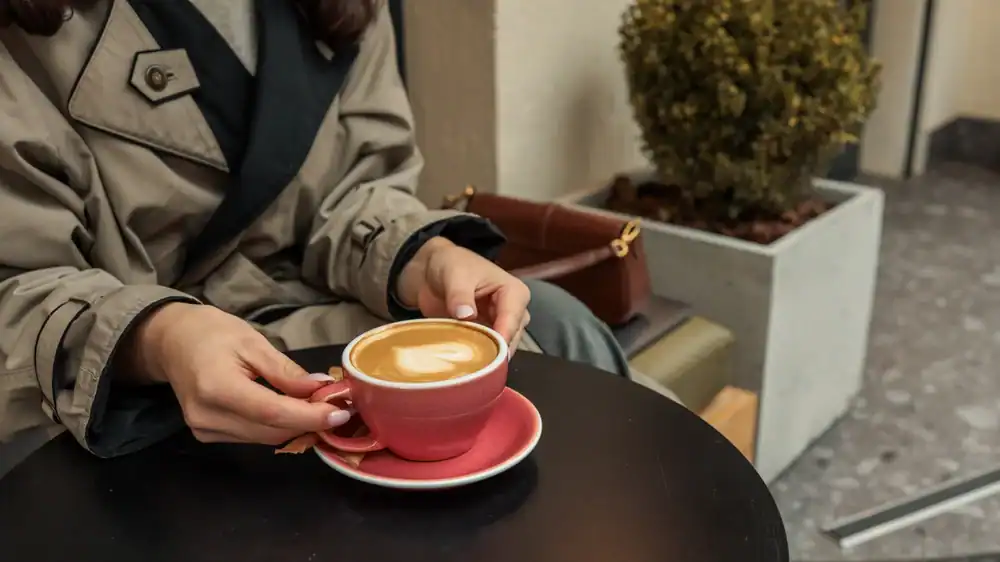
The smartest part? You’re evaluating work in real conditions. Not under gallery lighting with a gallerist hovering. You’re seeing how it holds your attention when you’re distracted, caffeinated, and honest with yourself about whether it actually works.
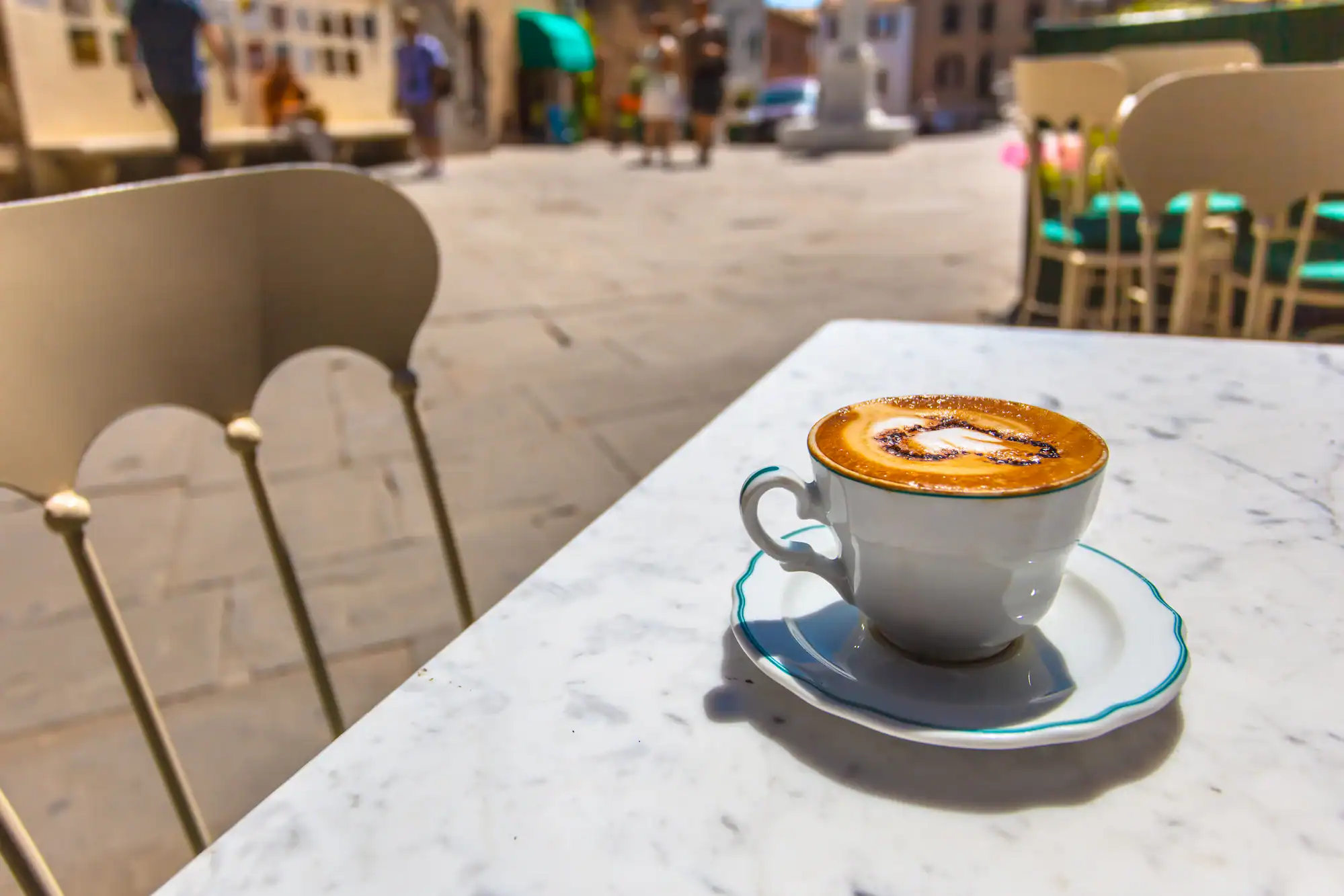
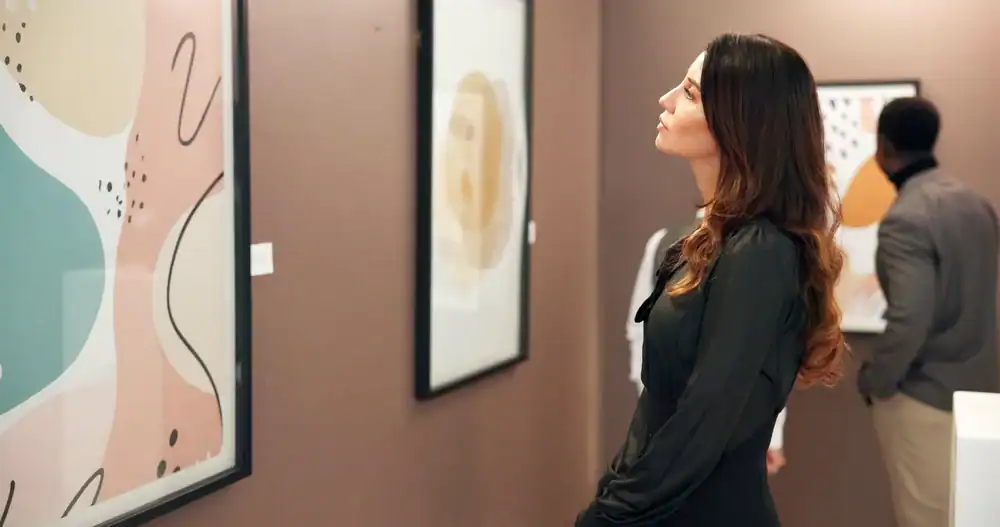
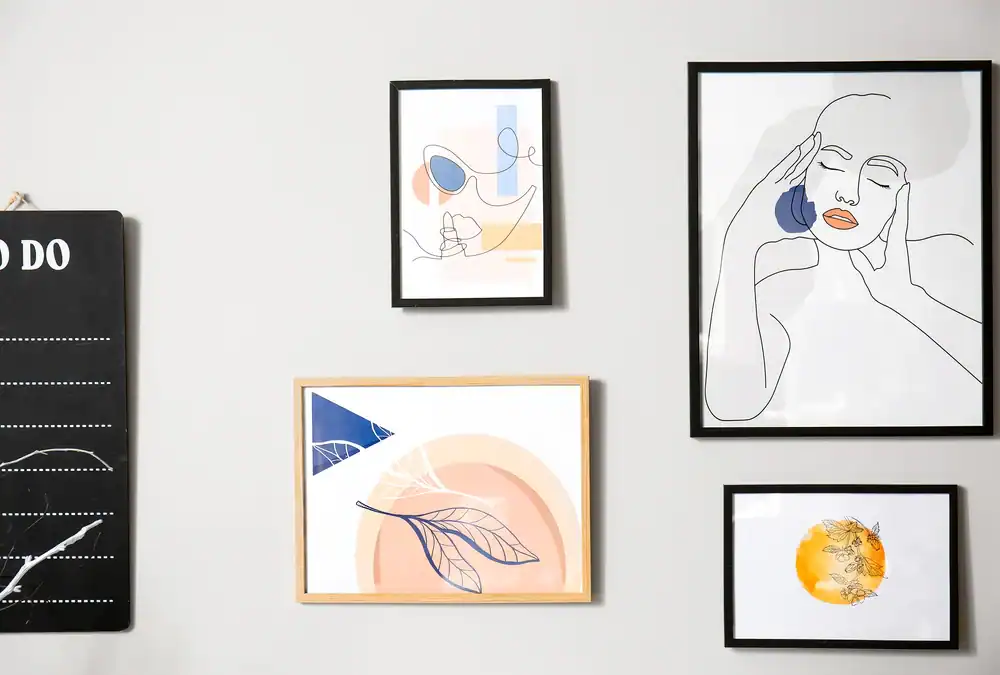
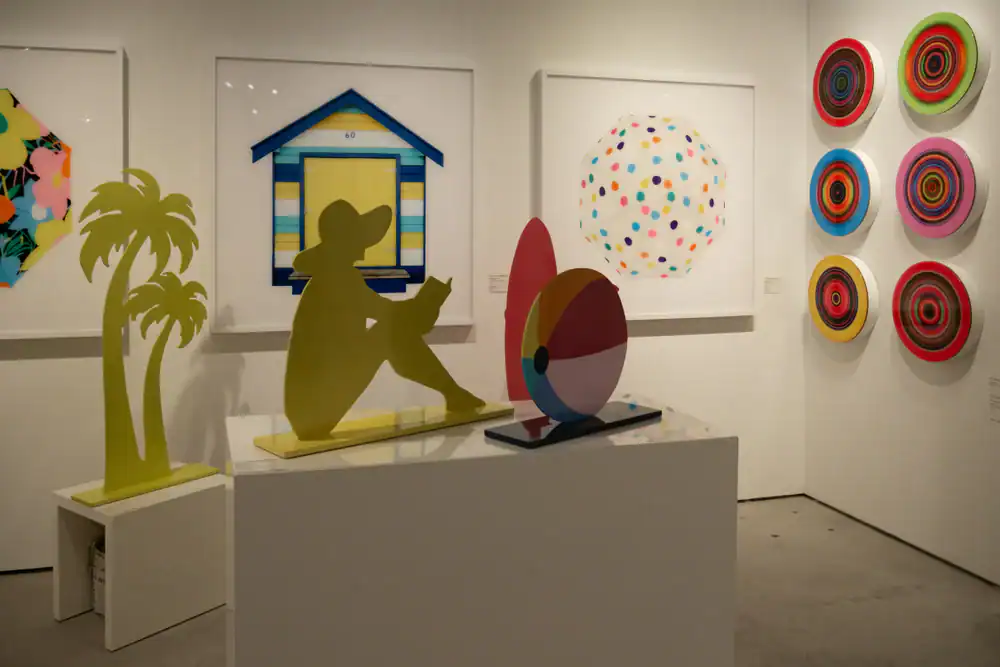
Walk into any café in NYC and you’ll see art on the walls. Most of it blends into the background. Some of it stops you mid-order.
That stopping power matters more than you think. Spotting potential is about recognizing momentum and clear signs that an artist’s career is on an upward swing with backing from key players. But before the key players notice, you notice.
Look for work that doesn’t need explanation. Not because it’s simple, but because it communicates directly. You should be able to describe what you’re feeling when you look at it, even if you can’t articulate why the technique works. That clarity—that immediate visual language—is what separates artists who are still finding their voice from those who’ve locked into something distinctive.
Pay attention to consistency across multiple pieces. If an artist is showing three or four works, they should feel related without being repetitive. You’re looking for someone who has a point of view, not someone who’s trying everything to see what sticks. Artists who are innovative in their subject matter, use pioneering techniques, and have strong visions that respond to key topics demonstrate both commercial viability and long-term potential.
Technical skill matters, but it’s not everything. Some of the most collectible contemporary artists have deliberately rough or unconventional techniques. What matters more is intention. Can you see that every mark, every color choice, every compositional decision was deliberate? Or does it feel like they’re still experimenting without direction?
The work should also photograph well. Sounds superficial, but here’s why it’s practical: artists build careers partly through social media and online portfolios now. If their work translates through a screen, they’re positioned to reach collectors beyond whoever walks into that specific café. That reach accelerates everything else.
Finally, trust your gut on whether the work has staying power. Would you want to look at this every day for a year? Five years? If you’d get tired of it in three months, collectors will too. The pieces that become valuable are the ones people want to live with long-term, not just the ones that grab attention initially.
You don’t need insider access to spot an artist who’s going somewhere. You just need to know what actually predicts success versus what sounds impressive but means nothing.
Start with where else they’re showing. If our café is their only venue, that’s not necessarily bad—everyone starts somewhere. But if they’re rotating through multiple coffee shops, smaller galleries, and pop-up exhibitions, that’s momentum. They’re actively building visibility rather than waiting to be discovered. Exhibition history reveals training and where they’ve shown, indicating the degree to which others in the art world are recognizing their talent.
Check if they have an online presence that looks professional. Not Instagram-famous necessarily, but a website or portfolio that’s updated regularly, shows a body of work, and includes an artist statement that isn’t filled with incomprehensible jargon. Instagram has become a place to discover emerging talent, with collectors and dealers finding artists through digital platforms. If they’re treating their practice like a career rather than a hobby, that professionalism shows.
Look for signs they’re being taken seriously by the local art community. Are they mentioned in any local art blogs or publications? Have they been selected for group shows at established venues? Critical reviews and press in major art publications help build an artist’s reputation and historical importance. Even small mentions signal that curators and critics are paying attention.
Educational background can be a factor, but it’s not determinative. Graduates from prestigious art schools often have strong foundations and access to influential art circles, which can be beneficial for their careers. But plenty of successful artists are self-taught or came to art later in life. What matters more is whether they’re continuously developing their practice and pushing their work forward.
Watch for artists who are getting picked up by galleries—even small ones. Gallery representation is a huge vote of confidence, as these galleries invest their own time and money into promoting their artists, which can seriously boost a career. If a gallery is willing to take them on, someone with more experience than you is betting on their potential.
Pay attention to whether they’re selling work. You don’t need to know exact numbers, but if you notice red dots appearing on price tags or if our staff mentions pieces have sold, that’s market validation. 82% of works owned by NYC collectors were purchased at prices less than $50,000, making emerging art accessible and demonstrating real collector interest at attainable price points.
Finally, consider longevity. How long have they been making work? Artists who’ve been consistently producing for several years, even without major recognition, often have more staying power than someone who just started six months ago and is already everywhere. Sustained practice suggests they’re in it for the long term, not chasing trends.
Want live answers?
Connect with a The Café Galerie expert for fast, friendly support.
New York is the global headquarters of the art market with the highest market share by value, estimated to account for up to 90% of US art sales. That concentration creates both opportunity and competition.
For emerging artists, it means they’re competing in the most visible market in the world. For you as someone trying to spot talent early, it means the artists showing in NYC—even in coffee shops—are often more serious and more vetted than you’d find in other cities.
The market dynamics here are unique. The art market’s ongoing contraction—mid-tier galleries shuttering, rents climbing, collectors cooling—has left a vacuum. Artists are finding alternative exhibition spaces out of necessity, which is why coffee shop galleries have become legitimate discovery venues rather than just amateur showcases.
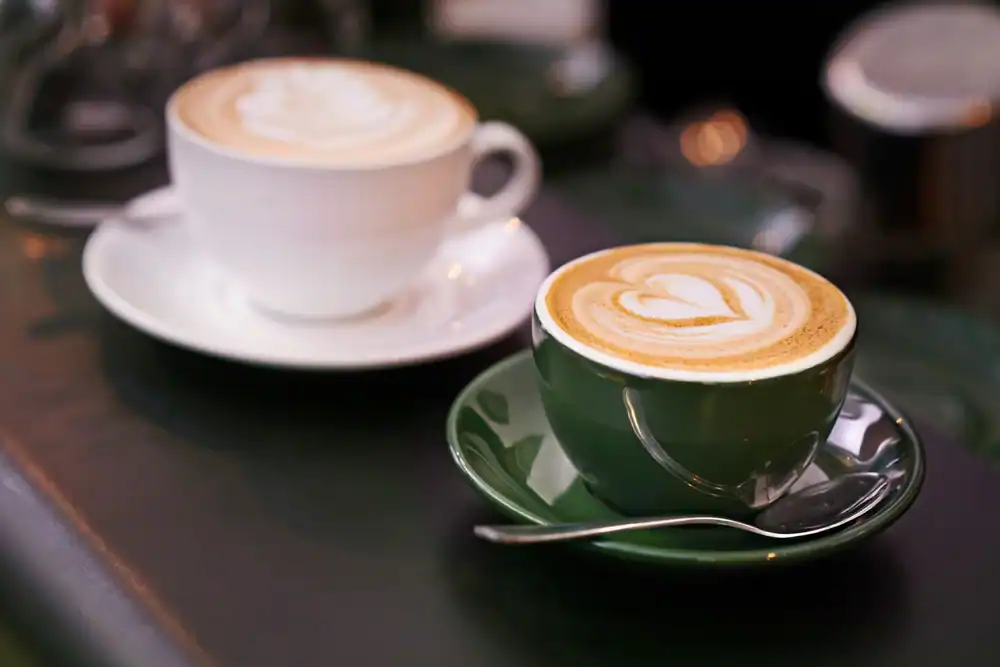
Traditional blue-chip playbooks and institutional validation are becoming increasingly irrelevant as a new generation of collectors makes decisions based on emotional connection. That shift changes everything about how you should evaluate work.
The old model was straightforward: wait for galleries, museums, and critics to tell you what’s valuable, then buy accordingly. The new model is messier and more personal. Collectors are trusting their own taste earlier in an artist’s career, which means the work that succeeds is the work that creates genuine emotional response, not just the work that checks institutional boxes.
NYC collectors specifically show some interesting patterns. Millennial collectors have by far the highest share of works by emerging artists, with around half having 5% or less works by top-tier artists, and 75% being extremely or very concerned about equality and poverty issues in the art market. They’re actively looking for artists who haven’t been fully discovered yet, partly for financial reasons and partly for ethical ones.
This creates opportunity. When you’re looking at work in a coffee shop gallery, you’re seeing pieces at price points that reflect the artist’s current status, not their potential. Emerging artists often sell their pieces at more affordable prices compared to established names, and as their careers progress and reputations grow, the value of their early works can skyrocket. You’re essentially getting access to the same discovery process major collectors use, just without the gatekeepers.
What should you actually look for? Start with work that you’d want to see every day. Sounds obvious, but collectors who buy purely for investment often regret it. The pieces that appreciate most tend to be the ones that have both market appeal and personal resonance. If you love it and other people love it, you’ve found something with staying power.
Consider the artist’s unique perspective. Are they saying something new, or are they rehashing what’s already been done? High-quality work that is identifiable to the artist and their style should convey a clear idea and be original in concept rather than trend-driven. The artists who build sustainable careers are the ones who contribute something distinct to the conversation, not the ones who follow trends.
Think about scalability. Can this artist produce more work without losing quality? Do they have a sustainable practice, or are they creating one-offs that can’t be repeated? Artists who can maintain consistency while scaling production tend to have more commercial success, which drives value for early collectors.
Finally, assess their engagement with the art community. Are they showing up to openings? Talking to viewers? Building relationships with other artists and potential collectors? We host events, showcase local artists, remember your name and order, and create an environment where regulars feel like regulars. Artists who actively participate in that community are more likely to build the networks that advance careers.
If you’re going to spot talent in these spaces, it helps to understand how artists end up on these walls in the first place.
Most gallery cafés curate their exhibitions rather than accepting all submissions. Local artists can submit portfolios for consideration, with selection processes prioritizing quality, originality, and work that resonates with the community. That curation matters because it means you’re already seeing a filtered selection of artists someone with experience has deemed worth showing.
Exhibition cycles typically run six to eight weeks. This rotation schedule gives viewers plenty of time to experience each show while ensuring regular visitors always discover something new, working well for both artists and viewers—long enough for pieces to find their audience, short enough to maintain excitement. If you’re serious about discovering talent, visiting the same café regularly through different exhibition cycles gives you a sense of the curation quality and helps you develop your eye.
Opening receptions are where the magic happens. We host opening receptions on first Friday evenings with light refreshments and the chance to meet featured artists. You can ask questions directly, understand their process, and get a sense of whether they’re someone whose career you want to follow. That direct access is something you’d never get at a major gallery showing established artists.
Pricing in these venues tends to be more accessible than traditional galleries. No gallery markup, no pretentious attitudes—just authentic connections between viewers and artists, with fair prices and direct relationships. You’re often buying directly from the artist or with minimal commission to the venue, which means better value for you and more support for the artist.
The community aspect can’t be overstated. Many of our regular customers have become collectors, following artists from their first showing through gallery representation. When you buy from an artist early, you’re not just acquiring a piece—you’re potentially starting a relationship that continues as their career develops. Some collectors end up with multiple works from the same artist, acquired over years, which becomes both personally meaningful and financially smart if that artist’s value increases.
The informal nature of coffee shop galleries also means you can spend time with the work without pressure. Unlike traditional galleries where you might feel watched or judged, you can sit with your coffee, look at the work from different angles, see how it holds your attention over time, and make decisions at your own pace. That extended exposure often leads to better purchasing decisions than the pressure of an auction or the formality of a gallery appointment.
For artists, these venues serve as crucial stepping stones. Gallery rents in New York are astronomical, requiring connections and money, but when we offer wall space, it democratizes the process, putting art in front of hundreds of people daily who might not have walked into a traditional gallery. You’re essentially seeing artists at the moment when they’re building momentum but before they’ve achieved full recognition—the sweet spot for discovery.
You don’t need an art history degree or insider connections to spot the next big NYC artist. You need to pay attention to work that holds your interest, look for signs of professional momentum, and trust your instinct about what has staying power.
NYC collectors show strong willingness to collect untested and emerging artists, with 43% of collections consisting of works by artists showing for less than a decade. They’re finding talent in accessible venues before prices reflect potential. You can do the same.
The artists showing at The Café Galerie today might be in Chelsea galleries tomorrow. The difference between discovering them now versus later is both financial and personal—you get better value and the satisfaction of supporting someone before everyone else catches on. Stop by during your next coffee run and actually look at what’s on the walls. You might be surprised by what you find.
Summary:
Share: