NYC's coffee culture meets environmental art. Learn how sustainable cafes are championing recycled materials, ethical sourcing, and community-driven exhibitions.
The eco-conscious art movement isn’t new, but it’s having a moment. Artists are using recycled materials, reclaimed objects, and sustainable practices to create work that doesn’t just look good—it makes a point about waste, consumption, and what we throw away without thinking.
In NYC, this movement has deep roots. The city’s been a hub for environmental art since the 1960s, and today that legacy continues through organizations supporting thousands of artists working with green materials. Coffee shops have become unexpected allies in this space, offering wall space to creators who might not otherwise get gallery access.
What makes this partnership work is simple: accessibility. Traditional galleries can feel intimidating. But a coffee shop? You’re already there. The art becomes part of your routine, not something you have to make a special trip to see.
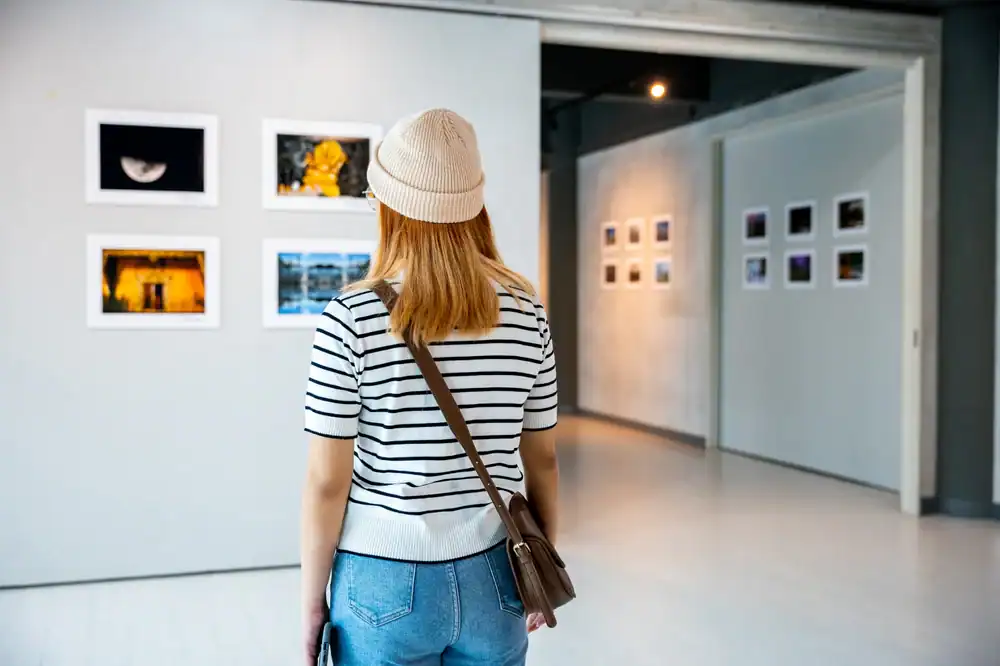
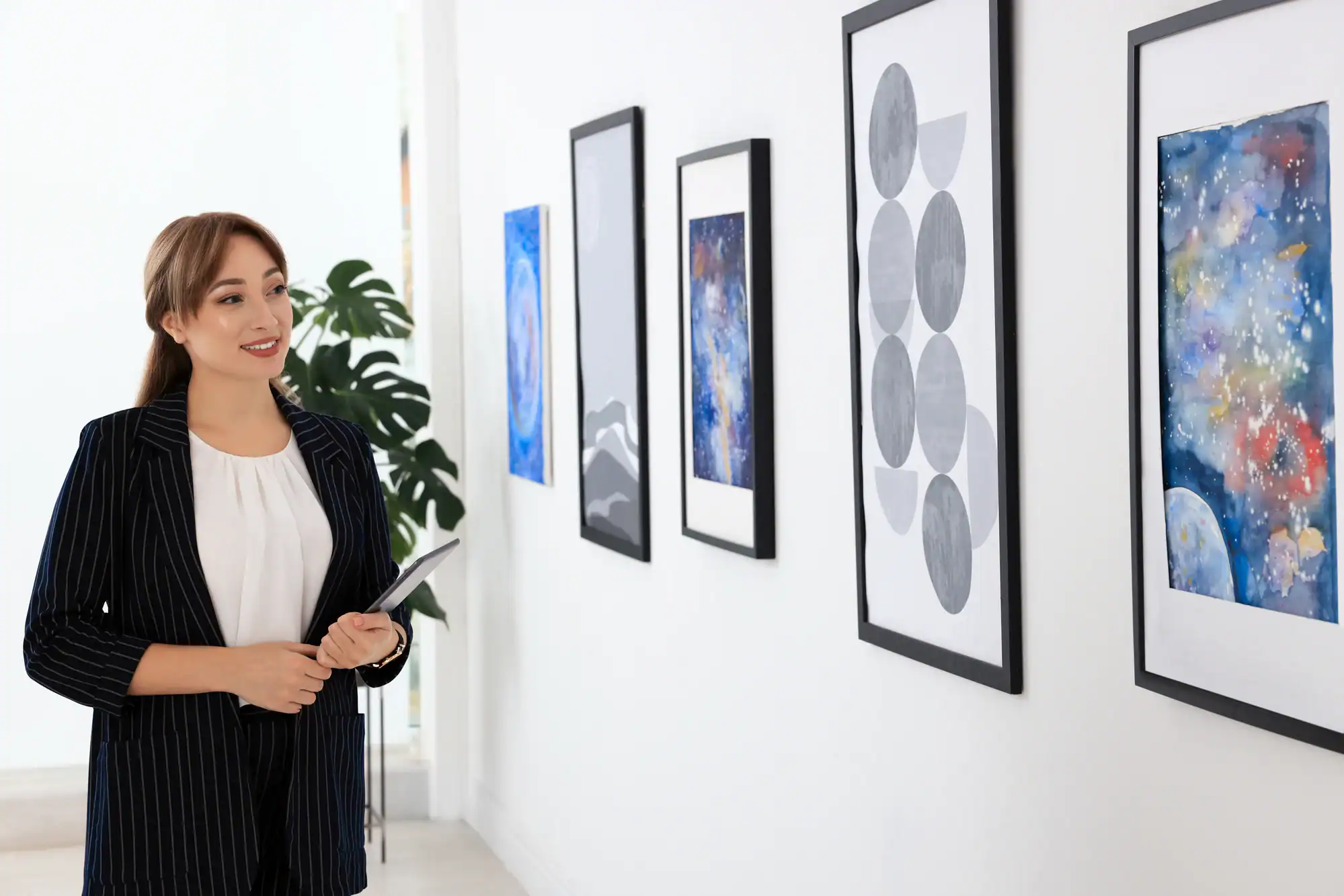
Recycled art exhibitions in coffee shops operate on a rotating basis. An artist gets wall space for a month or two. They hang work made from materials like discarded plastic, old fabrics, circuit boards, or beach debris. Customers see it while waiting for their order. No pretense. No pressure.
The beauty of this model is that it removes barriers on both sides. Artists don’t need gallery connections or thousands of dollars for exhibition fees. They just need work that speaks for itself. And you don’t need to understand art theory or feel pressured to buy anything. You can simply look, appreciate, and maybe ask a question.
For us, it’s a win. The space stays visually interesting without becoming cluttered. The rotating exhibitions give regulars a reason to keep coming back—there’s always something new on the walls. And it positions us as more than just a place to grab a latte. We become a community hub that actually supports local creators instead of just claiming to.
This approach also aligns with what consumers are looking for right now. People want experiences that feel intentional, not transactional. They want to spend money at businesses that reflect their values without making a big deal about it. When we pair sustainable practices with support for eco-conscious artists, it sends a clear message: we’re not just talking about sustainability, we’re living it.
The exhibitions themselves vary widely depending on the artist. Some create intricate collages from magazine scraps and old maps. Others build sculptures from ocean plastic collected during beach cleanups. A few transform discarded MetroCards into colorful mosaics that capture NYC’s transit culture. The common thread is resourcefulness—taking what already exists and giving it new purpose.
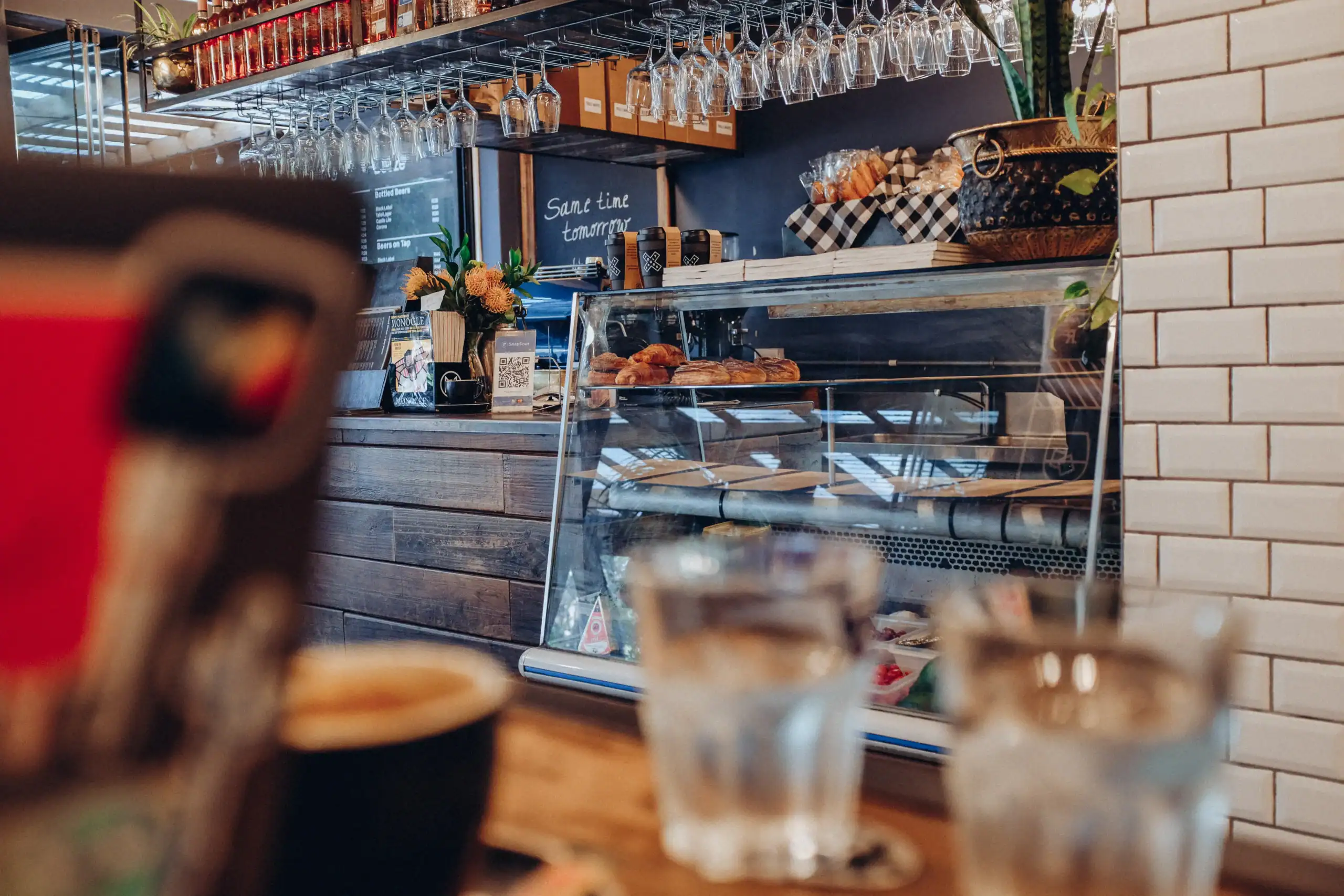
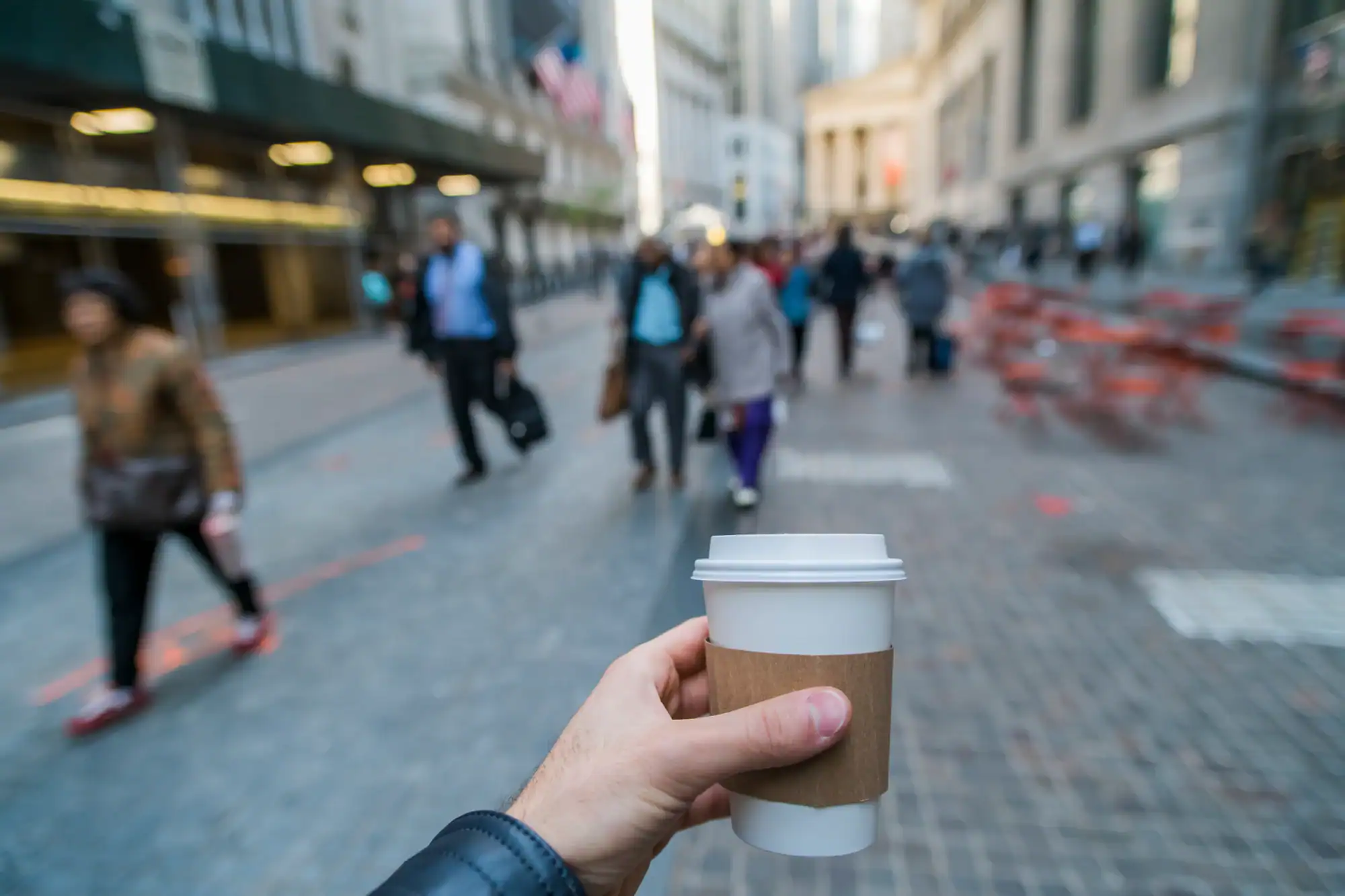
What’s particularly effective about showcasing this work in a coffee shop setting is the context it provides. When you’re holding a compostable cup and looking at art made from materials that would otherwise be in a landfill, the connection becomes obvious. It’s not preachy or heavy-handed. It’s just there, making you think a little differently about waste and possibility while you wait for your oat milk latte.
NYC artists face unique challenges that make green art materials more than just an ethical choice—they’re often a practical necessity. Studio space costs a fortune. Traditional art supplies add up quickly, especially when you’re buying from Manhattan retailers. And the city produces an overwhelming amount of waste—which, paradoxically, becomes a valuable resource for artists working with recycled materials.
Green art materials matter because they address multiple issues simultaneously. They reduce an artist’s environmental footprint while also cutting costs significantly. Found materials are free, which matters when you’re trying to make rent and still produce work. And they make a statement about consumption and creativity that resonates with audiences who are increasingly skeptical of waste culture.
The shift toward sustainable materials isn’t just about ethics or saving money. It’s practical in ways that matter for working artists. When you’re operating out of a 200-square-foot Brooklyn studio, you can’t store endless supplies or house large quantities of traditional materials. But you can collect interesting objects from the street, clean them up, and incorporate them into your work. This constraint has led to some of the most innovative art coming out of the city right now.
We understand that green art materials aren’t a compromise or a limitation—they’re a deliberate choice. Artists using recycled content aren’t doing so because they can’t afford “real” materials. They’re doing it because the materials themselves become part of the message and meaning. A sculpture made from single-use plastic waste collected from NYC beaches carries cultural weight that a traditional bronze casting simply doesn’t.
For customers visiting our space, the impact is subtle but real. You start noticing what could be repurposed instead of trashed. You question why we default to disposable when reusable options exist. You see creativity as problem-solving, not just decoration. These are the kinds of perceptual shifts that happen when art and sustainability intersect in everyday spaces like coffee shops, where you’re relaxed and receptive rather than in formal gallery mode.
The eco-conscious art movement in NYC also benefits from the city’s incredible density and diversity. Artists have access to an unmatched variety of discarded materials. Construction sites provide wood and metal scraps. The fashion district generates textile waste. Electronics recycling centers yield circuit boards and components. All of these become potential sources for art supplies. We help close the loop by displaying this work, showing customers what’s possible when waste becomes raw material and creativity meets environmental responsibility.
Want live answers?
Connect with a The Café Galerie expert for fast, friendly support.
Supporting eco-conscious artists requires more than just wall space and good intentions. It requires us to actually practice what we display. That means ethical sourcing of beans, zero-waste operations where possible, and transparent supply chains that can withstand scrutiny.
Ethical sourcing starts with the beans themselves. Fair trade certifications ensure farmers get paid fairly for their work. Organic practices reduce pesticide use and environmental damage. Direct trade relationships create accountability between roasters and growers. When we can tell you exactly where our beans come from and how the farmers are treated, that’s not marketing fluff—that’s proof of commitment.
Zero-waste operations take more effort but make a bigger impact on both the environment and customer perception. Compostable cups instead of plastic-lined paper. Discounts for customers who bring reusable containers. Coffee grounds composted or given to customers for their gardens. These aren’t revolutionary ideas, but they require daily commitment to implement consistently.
The connection between ethical coffee sourcing and eco-conscious art isn’t immediately obvious, but it runs deeper than you might think. Both prioritize sustainability over convenience. Both value transparency over marketing spin. Both recognize that cheap often comes at a hidden cost—environmental damage, unfair labor practices, or both.
When we commit to ethical sourcing, it signals that values matter more than profit margins. That same philosophy naturally extends to the art on our walls. If we’re willing to pay farmers fairly for beans, we’re also willing to give artists fair terms for exhibition space and sales. If we care about environmental impact in our supply chain, we support artists working with recycled materials and sustainable practices.
This alignment matters to customers more than ever. Research shows that 43% of coffee consumers are influenced by ethical and environmentally friendly options when making purchase decisions. They’re not just buying coffee—they’re buying into a set of values. When those values are consistently reflected across all aspects of our business, from bean sourcing to art curation, trust builds naturally.
Ethical sourcing also provides educational opportunities that complement eco-conscious art exhibitions. We can host cupping sessions that explain where beans come from and why sustainable farming practices matter for both quality and environmental impact. We can pair these events with artist talks about material sourcing and the environmental considerations behind their work. The parallels become clear: whether you’re growing coffee in Colombia or creating art in Brooklyn, how you source materials matters.
For artists, being exhibited in a space that practices ethical sourcing adds credibility to their work beyond just getting wall exposure. It’s not just about visibility—it’s about being associated with a business that walks the talk. This association benefits both parties and creates a more cohesive, authentic message for customers who can spot performative sustainability from a mile away.
The practical reality is that ethical sourcing costs more upfront. Fair trade beans have higher price points than commodity coffee. Sustainable farming practices require more labor and attention. But consumers willing to pay for sustainable art are often the same ones willing to pay $5 instead of $3 for ethically sourced coffee. The overlap in values creates a customer base that understands why prices might be slightly higher and actually appreciates the reasoning behind it rather than resenting the cost.
Zero-waste operations sound ambitious, and they are. But they’re also increasingly necessary in a city that generates as much waste as NYC does daily. Coffee shops contribute significantly to that total through disposable cups, plastic lids, stirrers, and food packaging. The numbers add up fast.
Going zero-waste starts with the obvious moves: eliminating single-use plastics wherever possible. That means compostable cups, wooden stirrers, and either no lids or compostable alternatives that actually break down. It means encouraging customers to bring reusable cups by offering discounts—usually 25 cents to 50 cents off. Some shops flip the script and charge extra for disposables, not to make money, but to make people think twice before defaulting to takeaway.
But zero-waste operations go well beyond cups and lids. It includes composting coffee grounds instead of trashing them—those grounds make excellent fertilizer or can be repurposed into products like soaps and scrubs. It means buying milk in glass bottles rather than plastic jugs whenever suppliers offer that option. It involves sourcing pastries from bakeries that use minimal packaging or reusable containers. It requires recycling everything possible and honestly tracking what actually can’t be diverted from landfills.
The challenge with zero-waste in NYC is infrastructure that doesn’t always support these goals. Not every neighborhood has composting pickup services. Not every customer wants to carry a reusable cup around Manhattan all day. Not every supplier offers packaging-free options, especially for smaller independent shops. But we work around these obstacles rather than using them as convenient excuses.
For eco-conscious artists, zero-waste cafes provide ideal exhibition venues beyond just the aesthetic fit. There’s philosophical alignment—if you’re creating art from materials pulled from trash streams, you probably appreciate a space actively trying to eliminate trash. There’s also practical synergy worth exploring. Some coffee shops repurpose their waste streams into art materials or partner with artists to transform used coffee grounds and burlap sacks into products that customers actually want to buy.
The circular economy model works particularly well in this context. Instead of a linear path from production to consumption to disposal, materials loop back into usefulness. We demonstrate that waste is a design flaw, not an inevitability. When customers see this philosophy in action—art made from recycled materials displayed in a zero-waste space—the message reinforces itself without anyone having to preach about it.
NYC consumers are increasingly aware of waste issues because they’re impossible to ignore here. You see overflowing trash cans on every corner. You read about landfills reaching capacity and ocean plastic accumulating. Zero-waste cafes offer a tangible alternative and proof that individuals and businesses can make different choices. When paired with eco-conscious art exhibitions, the impact doubles. You’re not just being told sustainability matters through signage and slogans—you’re seeing it practiced and celebrated simultaneously in ways that feel authentic rather than performative.
Supporting the eco-conscious art movement doesn’t require a degree in environmental science or a trust fund. It requires showing up and making intentional choices about where you spend your money and time. Small actions compound.
Visit coffee shops and cafes that exhibit local artists, especially those working with sustainable or recycled materials. Buy art when you can afford to, but even if you can’t, your presence matters. Artists need audiences who actually look at their work. Businesses need customers who value what they’re doing beyond just the coffee quality.
Bring a reusable cup when you can. Choose compostable packaging over plastic. Ask questions about sourcing and sustainability practices. Businesses respond to customer interest and demand. When enough people demonstrate they care about these issues through their purchasing decisions, more businesses adapt their practices to meet that demand.
If you’re looking for a space in NYC that embodies these principles without being preachy about it, we bring together ethically sourced coffee, rotating exhibitions of eco-conscious art, and a genuine commitment to sustainable operations. It’s not perfect—no business is—but we’re trying in ways that actually matter, which is more than can be said for most places claiming to be “green.”
Summary:
Share: