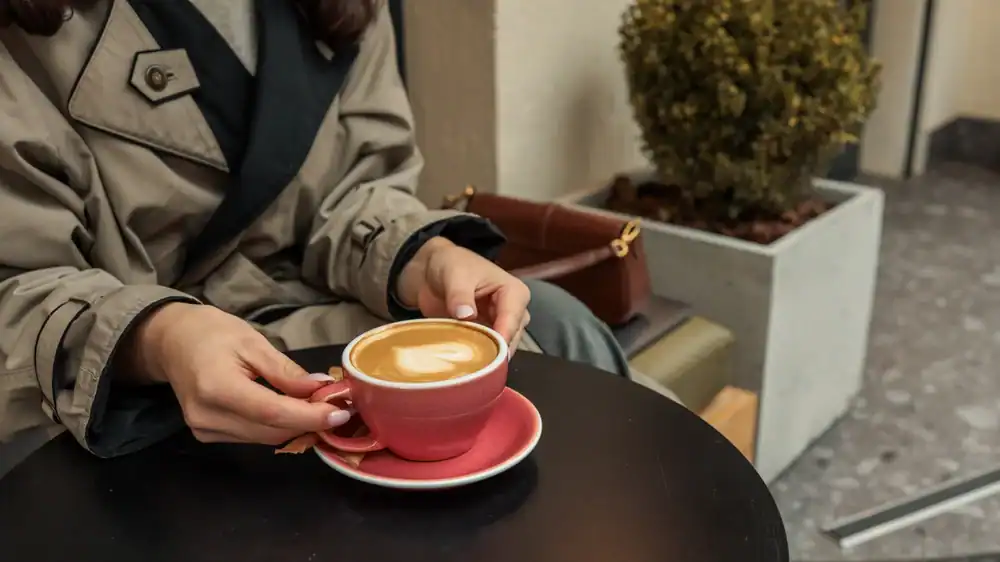
In a city that never sleeps, finding a moment of stillness feels impossible. The Café Galerie combines specialty coffee with curated art in a space designed for both productivity and peace.
Walk into most coffee shops in NYC and you get one thing: coffee. Maybe pastries if you’re lucky. The transaction is quick. You order, you pay, you leave or claim a tiny table.
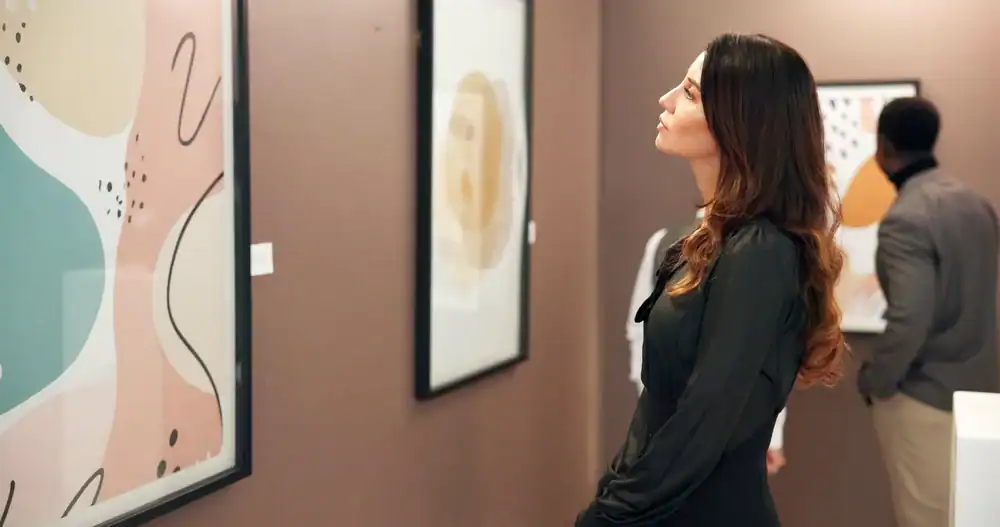
A cafe that doubles as an art gallery shifts that entire dynamic. You’re not just grabbing caffeine. You’re stepping into a curated environment where the walls matter, where what you see while you sip affects how you feel. The art isn’t an afterthought. It’s part of why you stay longer, think differently, or come back next week.
This matters more than you’d think. When your environment changes, your mental state shifts with it. Staring at your laptop in the same room every day flattens your thinking. But put yourself in a space with rotating art, natural light, and the low hum of other people working? Your brain wakes up.
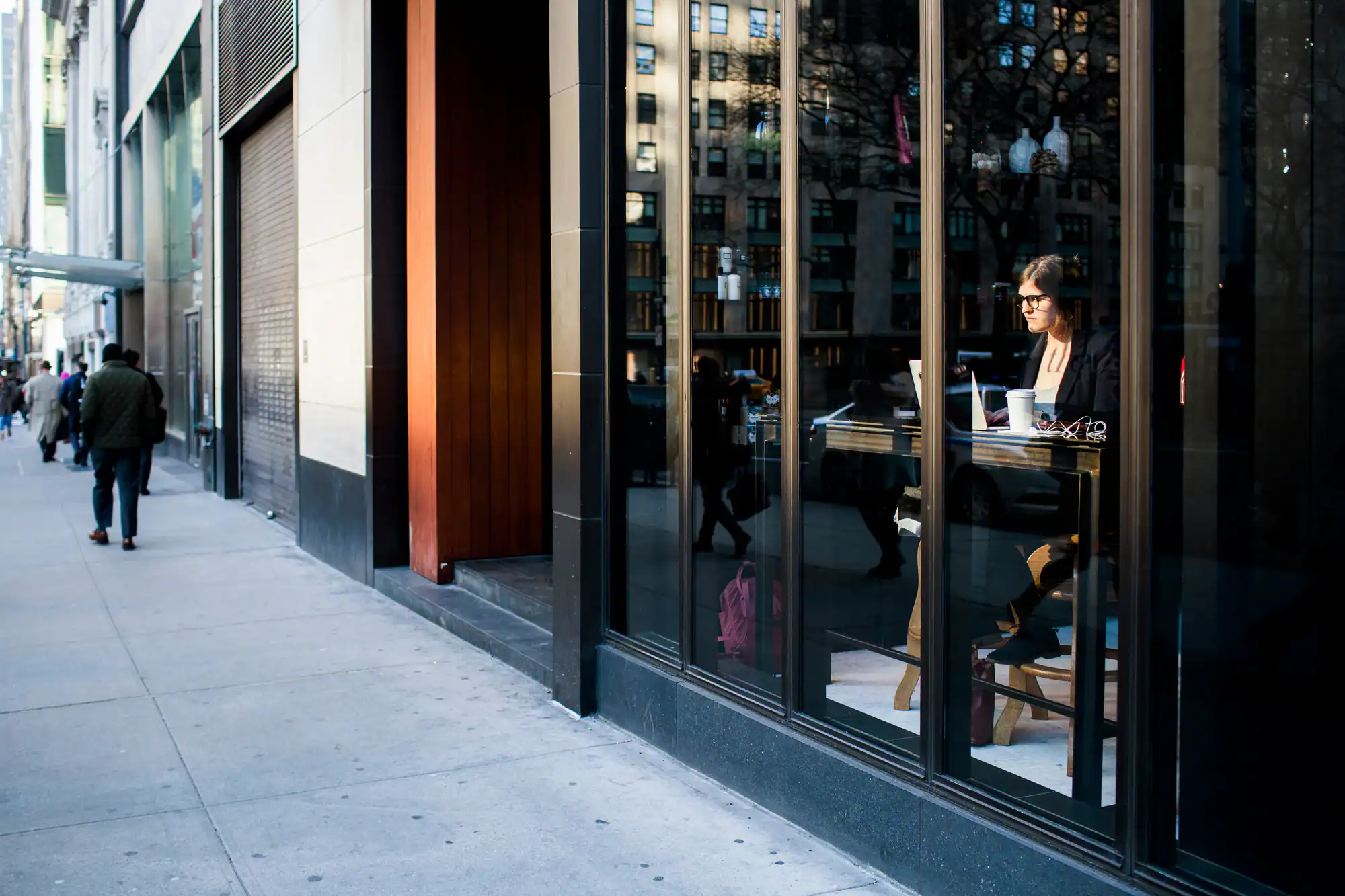
There’s actual psychology behind this. Research shows that visual and acoustic elements in coffee shops contribute to a sense of peace and emotional relief. It’s not just about aesthetics. It’s about creating an environment where your nervous system can downshift, even while you’re being productive.
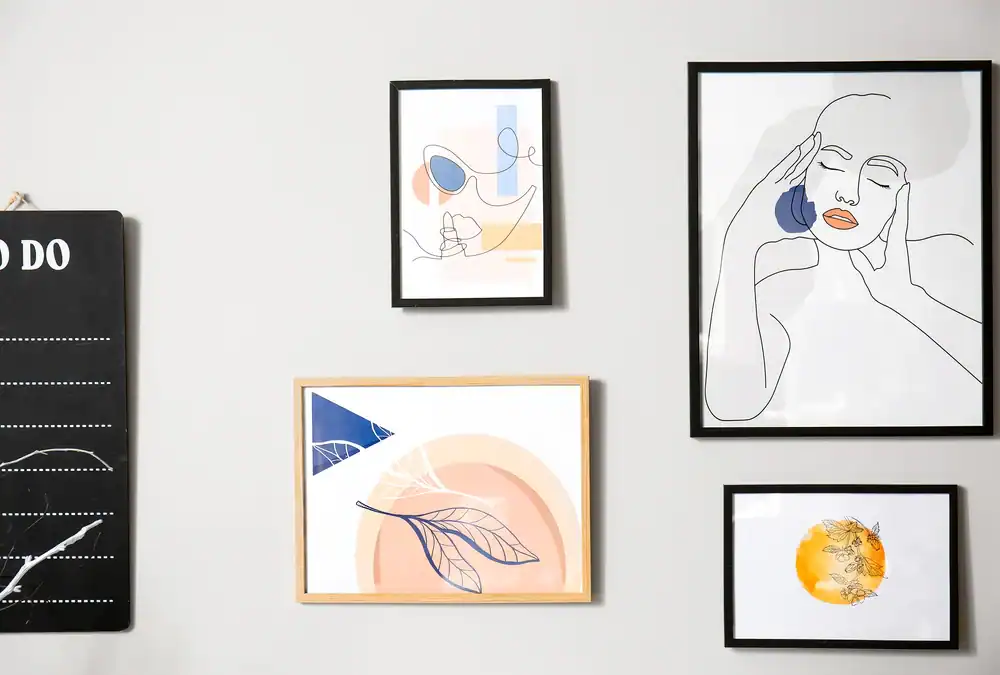
Art does something specific. It gives your eyes somewhere to rest that isn’t a screen. It introduces color, texture, and composition into a space that would otherwise just be functional. And when that art rotates regularly, the space feels alive. You’re not walking into the same static environment every time.
This is why people gravitate toward cafes that feel like more than transaction points. You’re not just buying coffee. You’re renting a few hours in an environment designed to help you think, focus, or decompress. The difference between a coffee shop and a cafe with intention is the difference between refueling and resetting.
Compare that to the typical NYC coffee shop experience. Tiny tables. Aggressive lighting. Music that’s either too loud or nonexistent. No outlets. A vibe that says “buy your drink and move along.” Those spaces work if you need a quick hit of caffeine. But if you’re trying to work, meet someone, or just exist for a minute without pressure, they fail you.
The art gallery component changes the equation. Suddenly you’re in a space that respects your time. That understands you might need to sit for two hours and that’s okay. That recognizes the value of creating an environment where people can be productive, social, or solitary depending on what they need that day. It’s flexibility built into the design.
And let’s be honest. Most of us don’t make it to museums as often as we’d like. Life gets in the way. But if the art comes to you, if it’s part of your Tuesday morning coffee run, you’re getting that cultural exposure without having to carve out a separate chunk of your day. That’s not a small thing in a city where time is the most valuable currency.
Remote work changed everything. What used to be a luxury became standard, and suddenly millions of people realized their apartments weren’t designed to be offices. Working from home sounds great until you’re on day 47 and your couch has a permanent imprint of your body.
You need a third place. Not home. Not a traditional office. Somewhere in between. A cafe that understands this becomes essential infrastructure for how you get work done.
The best work cafes in New York share a few things. Reliable WiFi that doesn’t drop every 20 minutes. Enough power outlets that you’re not playing musical chairs trying to charge your laptop. Seating that’s comfortable for more than 15 minutes. And most importantly, an atmosphere that encourages focus without making you feel guilty for staying.
An art gallery cafe checks these boxes differently than a standard coffee shop. The environment is designed for lingering. The space itself tells you it’s okay to settle in. You’re surrounded by people doing the same thing, which creates a productive energy. Not the frantic chaos of a Starbucks during morning rush. Something calmer. More intentional.
There’s also the psychological benefit of variety. When the art on the walls changes, the space feels different even though you’re sitting in the same chair. That novelty matters for your brain. It prevents the flatness that comes from working in the exact same environment every single day. You get the comfort of routine with just enough variation to keep things interesting.
And here’s something most people don’t talk about: the ambient human presence. You’re alone, but you’re not isolated. There are other people around, working on their own things, creating a gentle social pressure that helps productivity. You’re less likely to fall down a social media rabbit hole when you’re in public. The environment holds you accountable without anyone saying a word.
This is why people search for “quiet coffee shop NYC” or “cafe with WiFi NYC” obsessively. They’re not just looking for coffee. They’re looking for a space that supports how they work. A place where they can think, where the environment doesn’t fight against their focus, where staying for three hours isn’t weird.
The art component adds another layer. Visual interest that isn’t digital. Something your eyes can land on when you need a mental break that isn’t your phone. Studies show that even brief exposure to art can reduce stress markers and improve mood. So while you’re working through that project or writing that email, your peripheral vision is catching pieces of color, form, and composition that your brain processes as relief.
Want live answers?
Connect with a The Café Galerie expert for fast, friendly support.
The concept of a “third place” isn’t new. It’s the space that isn’t home and isn’t work. It’s where community happens organically, where you can show up without a specific agenda, where you’re recognized but not obligated.
For decades, that was the local bar, the neighborhood diner, the corner bookstore. But those spaces have been disappearing, replaced by chains that optimize for speed and turnover. The places that encouraged lingering, that let you sit for hours without pressure, that became part of your weekly rhythm? They’re harder to find now.
A good cafe becomes that third place by default. Especially in a city like New York, where your apartment might be 400 square feet and your office is wherever you can open your laptop. You need somewhere else. Somewhere that feels stable, familiar, welcoming. Somewhere you can return to and have it feel like coming back rather than starting over.
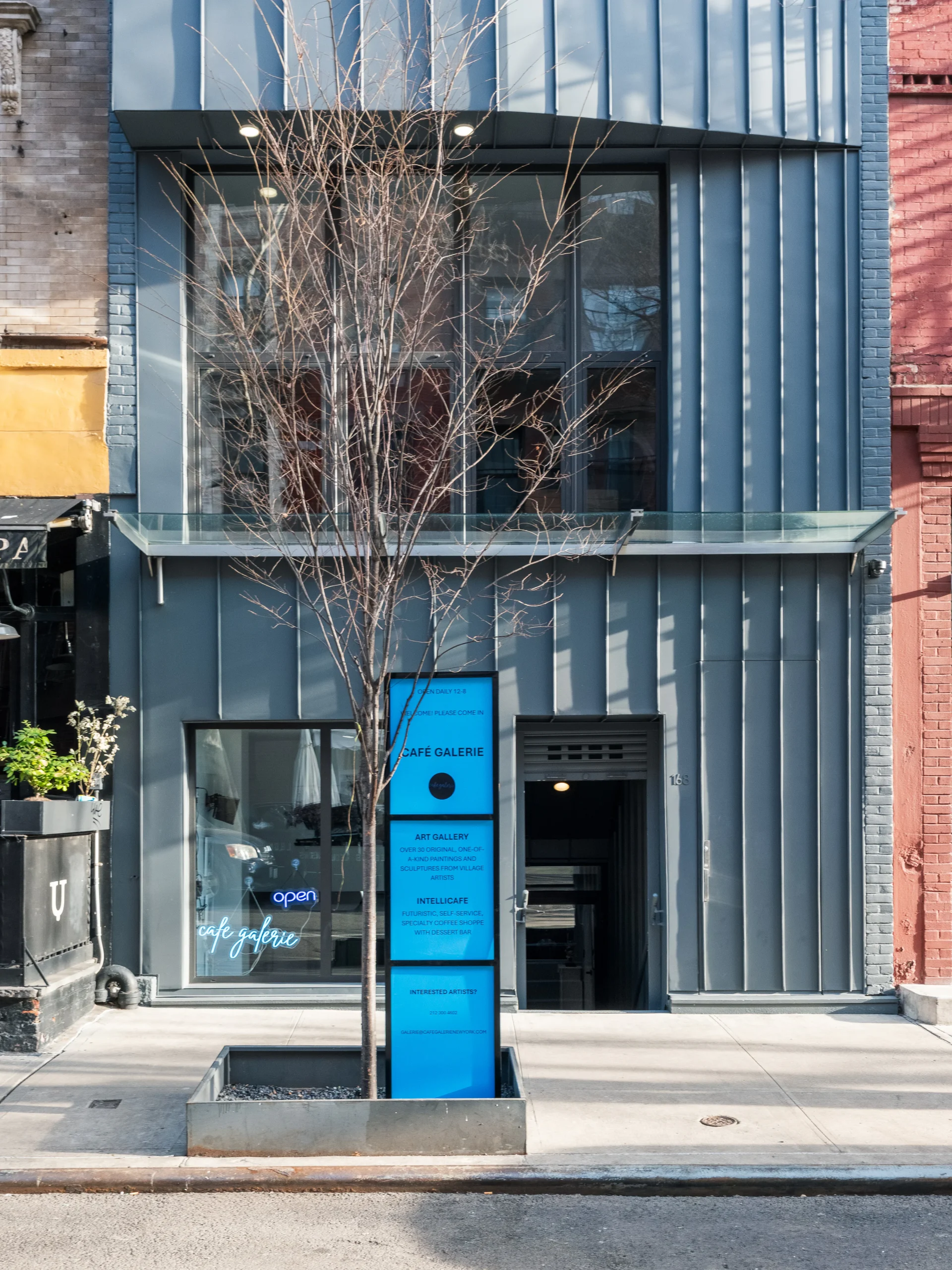
Not every cafe is built for every purpose. You need to know what you’re looking for before you waste an afternoon in the wrong space.
Start with the basics. If you’re planning to work, you need WiFi and outlets. Sounds obvious, but you’d be surprised how many trendy NYC coffee shops have neither. Check the seating situation. Are there actual tables or just a few stools at a counter? Can you spread out a notebook and a laptop without your elbow hanging off the edge?
Then look at the vibe. Is this a place designed for quick turnover or for people to settle in? You can usually tell within 30 seconds. If every table is tiny and the music is aggressive, they want you to grab your drink and leave. If there are bigger tables, comfortable chairs, and a mellower atmosphere, they’re okay with you staying.
Lighting matters more than people realize. Harsh overhead fluorescents will give you a headache after an hour. Natural light is ideal. Warm ambient lighting works too. You want to be able to see your screen without squinting but not feel like you’re under interrogation.
The crowd tells you a lot. Are people on laptops? Are they having quiet conversations? Or is it all tourists taking photos and leaving? A cafe that works as a third place will have regulars. People who clearly come back. That’s your signal that the space supports what you’re trying to do.
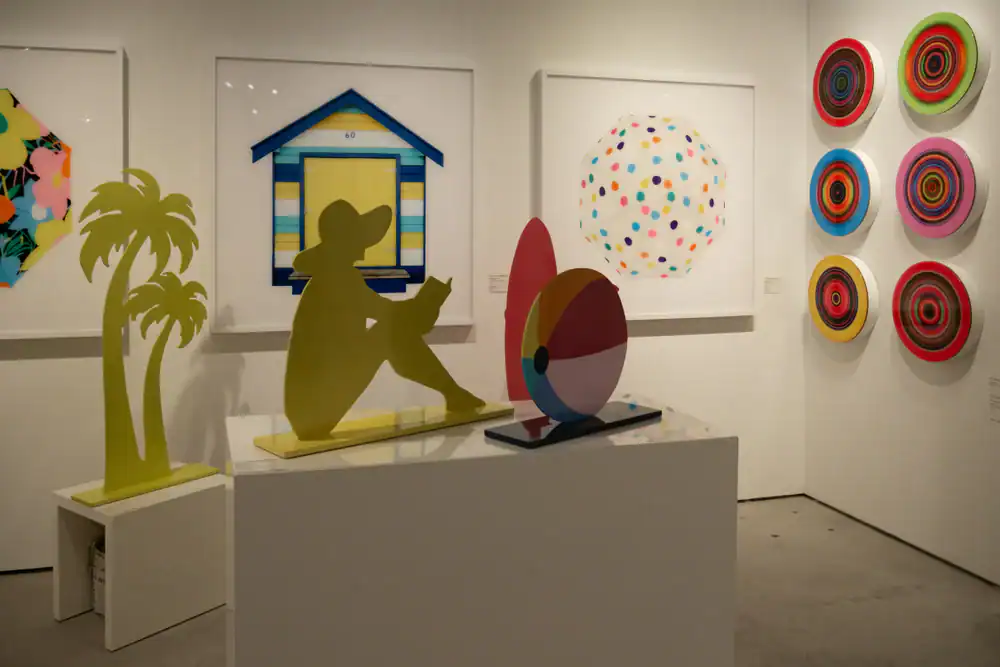
For an art gallery cafe specifically, pay attention to how the art is integrated. Is it curated or just random prints on the walls? Does it change regularly or has the same poster been there since 2019? The quality and thoughtfulness of the art selection tells you if this place takes the gallery aspect seriously or if it’s just marketing. We genuinely curate our art to create a different experience entirely.
Sound is another factor people overlook. You want ambient noise, not chaos. The gentle hum of conversation and espresso machines can help focus. Silence is too intense for some people. But if you can’t hear yourself think, that’s not going to work either. The best cafes hit a middle ground where there’s energy without overwhelm.
And honestly? Trust your gut. If a space feels right within the first few minutes, it probably is. If something’s off, if you feel rushed or uncomfortable or like you don’t belong, that’s information. Your third place should feel like a space that wants you there, not one that’s tolerating your presence until you finish your drink.
Let’s talk about what’s happening when you feel like you need to escape to a cafe. It’s not just about coffee. It’s not even really about getting work done, though that might be the excuse you use.
It’s about compression. Modern life, especially in New York, compresses everything. Your home is your office is your gym is your social space is your sanctuary. Every role you play happens in the same 600 square feet. That compression creates pressure. Your brain needs different environments for different modes. When everything happens in one place, you lose the ability to shift gears.
Public spaces interrupt that compression. They give you permission to be in a different mode. To think differently. To exist without performing a specific role. You’re not the employee, the partner, the friend, the productive person. You’re just someone sitting in a cafe with a cup of coffee. That neutrality is valuable.
There’s also the isolation factor. Working from home sounds appealing until you realize you haven’t had a face-to-face conversation with another human in three days. You need ambient social contact. Not necessarily interaction, but presence. Being around other people without having to engage directly. That’s what a good cafe provides. You’re alone but not lonely. Present but not obligated.
The psychological research backs this up. Longer periods spent in coffee shops are connected with greater emotional relief. People use these spaces as refuge from pressures. The favorable influence of the environment on psychological well-being shows up in improved mood, lower stress, and increased relaxation. This isn’t just nice to have. For many people, it’s essential mental health infrastructure.
And here’s the thing about art in these spaces. It’s not decorative. It’s functional. Visual engagement with art, even casual observation while you’re doing something else, affects your emotional state. It introduces beauty into a day that might otherwise be entirely utilitarian. It reminds you that there’s more to life than productivity, deadlines, and deliverables.
New York City is relentless. The pace, the noise, the constant demand for more, faster, better. That’s part of what makes it exciting. But it’s also exhausting. You need spaces that push back against that relentlessness. That say it’s okay to slow down for an hour. That create environments where stillness is possible even while the city keeps moving around you.
That’s what a cafe with an art gallery offers. It’s not trying to compete with the city’s energy. It’s creating a pocket of something different. A place where you can step off the treadmill without leaving town. Where you can be productive or social or quiet depending on what you need. Where the environment itself is designed to support your well-being, not just extract another transaction.
So here’s what matters. You need a space that works for how you actually live. Not some idealized version of productivity or creativity. The real thing. The messy, inconsistent, sometimes-focused-sometimes-not reality of getting through your day.
A cafe that combines quality coffee with curated art gives you options. You can work. You can meet someone. You can sit quietly and think. You can take a break from your apartment without committing to a whole production. The space adapts to what you need rather than forcing you into a single mode.
The art isn’t extra. It’s part of what makes the environment work. It gives your brain something to process that isn’t digital, that isn’t demanding your immediate response, that just exists as something interesting to look at while you figure out your next move.
If you’re tired of working from your couch, if you’re done with coffee shops that rush you out the door, if you want a space that actually understands what New Yorkers need, we’re worth checking out. We’re not trying to be everything to everyone. We’re trying to be one thing really well: a place where you can find your still point in a city that never stops moving.
Summary:
Article details:
Share: