Coffee shop art has evolved from simple wall decorations into immersive visual experiences that blend specialty coffee with gallery-quality creativity, especially in New York's most culturally rich neighborhoods.
You walk into a coffee shop expecting caffeine. What you don’t always expect is to stop mid-step because something on the wall caught your eye. Maybe it’s a piece from a local artist you’ve never heard of, or a design element so thoughtfully placed it changes how the entire space feels. That’s not an accident. Coffee shop art has evolved from afterthought decoration into a strategic element that shapes your entire experience—from how long you stay to whether you’ll post about it later. In New York County, where competition for attention is fierce and every corner offers another café, the visual environment matters as much as what’s in your cup. Let’s explore how art transforms coffee shops from transactional stops into spaces worth remembering.
The coffee shops that stick in your memory aren’t just serving better espresso. They’re creating environments where visual elements work together to influence how you feel, how long you stay, and whether you come back.
Research shows that well-designed café spaces can increase customer dwell time by over 20 percent. That’s not because people suddenly have more free time. It’s because the environment makes them want to stay. Color choices, artwork placement, lighting—these aren’t decorative afterthoughts. They’re psychological tools that shape behavior.
In New York County, where café culture runs deep and options are endless, the spaces that stand out understand this. They know that coffee shop art isn’t about filling empty walls. It’s about creating a cohesive visual narrative that tells customers exactly what kind of experience they’re walking into.
Walk into a space with warm, earthy tones and soft lighting, and your brain registers comfort before you’ve even ordered. That’s color psychology at work. Warm colors like amber, terracotta, and muted gold create welcoming atmospheres that encourage you to settle in. Cool tones—blues, greens, grays—signal calm and focus, making them ideal for work-friendly environments.
But it goes deeper than paint colors. The type of art displayed sends signals about who the space is for. Gallery-quality pieces from emerging artists communicate that this isn’t just another chain café churning out lattes. It’s a curated experience. Rotating exhibitions keep the visual environment fresh, giving regulars a reason to look up from their phones and actually notice what’s around them.
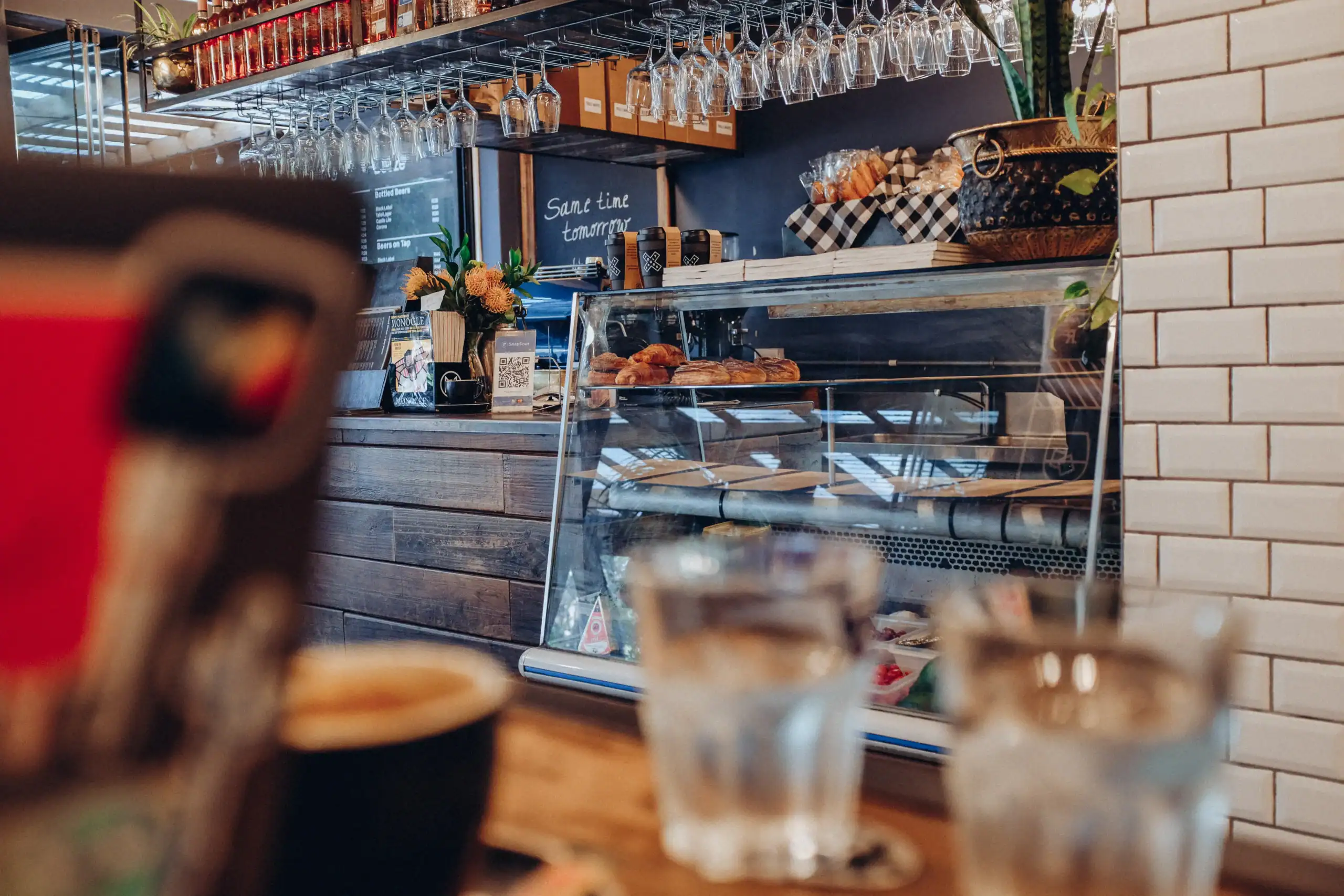
Lighting plays an equally critical role. Natural light flooding through large windows makes a space feel open and energizing during morning hours. Warmer, dimmer lighting in the afternoon creates intimacy. Many successful coffee shops in Greenwich Village and surrounding areas use multiple light sources at different levels—pendant lamps, Edison bulbs, strategic spotlights on artwork—to create visual interest and adjust the mood throughout the day.
The layout matters too. Open floor plans with varied seating options accommodate different needs. Solo workers want small tables near outlets. Groups need communal seating. People seeking privacy gravitate toward booths or corners. When coffee house art is integrated thoughtfully into these different zones, it reinforces the intended use of each space. A bold, energizing piece near communal tables. Something contemplative in quieter corners.
Studies on café design reveal that customers in spaces with biophilic elements—plants, natural wood, organic textures—report 15 percent higher willingness to pay for their coffee. Why? Because the environment signals quality. If this much care went into the space, the thinking goes, the product must be equally considered.
Let’s be direct about this: social media has fundamentally changed what people expect from coffee shops. It’s not enough to serve good coffee anymore. The space needs to be shareable.
This isn’t shallow. It’s strategic. When customers photograph their latte in front of a striking mural or tag your location in a post featuring your gallery wall, they’re doing your marketing for you. User-generated content is more trusted than any ad you could run. According to consumer research, 92 percent of people trust recommendations from friends and family over brand messaging.
The most Instagram-worthy coffee shops in New York understand this and design for it intentionally. They create visual moments that practically beg to be photographed. A neon sign with the perfect phrase. A wall painted in that specific shade of millennial pink that photographs beautifully. Art installations that serve as natural backdrops.
But here’s what separates thoughtful design from gimmicky: the Instagram-worthy elements need to feel authentic to the brand, not forced. A UGC wall where customers can contribute their own creative expressions? That’s participatory and genuine. A random pink wall with no connection to your actual concept? That’s transparent.
The best coffee shop art creates layers of visual interest. From across the room, a piece catches your eye. As you get closer, you notice details you missed. That depth keeps people engaged longer and gives them multiple opportunities to discover something worth sharing.
Color schemes matter enormously in how spaces photograph. High contrast works well on camera. Unexpected color combinations—teal and terracotta, deep green with brass accents—create visual intrigue that translates to compelling content. Texture adds dimension that reads well in photos: exposed brick, natural wood, concrete, velvet seating.
Lighting is perhaps the most critical factor for Instagrammable spaces. Harsh overhead fluorescents flatten everything and create unflattering shadows. Warm, diffused lighting from multiple sources creates depth and makes both people and spaces look their best. Many successful cafés in Manhattan have essentially become photo studios, with lighting designed specifically to make customers look good in selfies.
The psychology behind this is fascinating. When people photograph themselves in your space and share it publicly, they’re associating your brand with their personal identity. They’re saying, “This is the kind of place I go. This reflects who I am.” That’s far more powerful than any traditional advertising could achieve.
Want live answers?
Connect with a The Café Galerie expert for fast, friendly support.
New York County has a long history with coffee and art intersecting. Greenwich Village cafés in the 1950s and 60s were gathering places for Beat Generation writers and artists. Caffè Reggio, open since 1927, hosted Jack Kerouac and Allen Ginsberg. These weren’t just coffee shops. They were cultural institutions.
Today’s art gallery coffee shops build on that legacy but with a modern twist. The barrier to experiencing art has dropped dramatically. Traditional galleries can feel intimidating—admission fees, formal atmospheres, unspoken rules about how to behave. Gallery cafés remove those barriers entirely. You can view rotating exhibitions from emerging artists while drinking your morning coffee. No admission fee. No pressure to buy. Just accessibility.
This model benefits everyone involved. Artists get exposure to hundreds of potential buyers daily, people who might never step foot in a traditional gallery. Customers get an ever-changing visual environment that keeps the space feeling fresh. The café itself differentiates from competitors through cultural relevance.
Gallery rents in New York are astronomical. For emerging artists, getting work seen by the public requires either significant financial resources or insider connections. Coffee shops offering wall space to local creators democratize that process entirely.
Consider the math from an artist’s perspective. A traditional gallery might see a few hundred visitors per week, most of whom are already art buyers or enthusiasts. A busy coffee shop in Greenwich Village sees hundreds of people per day—students, professionals, tourists, locals. That’s exponentially more eyeballs on the work.
The audience is different too. Gallery visitors expect to see art. Coffee shop patrons are there for caffeine but might discover they love a piece they weren’t expecting to encounter. That element of surprise makes the discovery feel more personal, more authentic. “I found this artist at my local café” carries different weight than “I saw this at a gallery opening.”
For the artists, direct sales at fair prices mean they keep more of the profit. Traditional gallery commissions can reach 50 percent or higher. When a café facilitates direct artist sales, creators can price work accessibly while still earning a sustainable income.
This creates a virtuous cycle. The café gets constantly refreshing visual content that keeps the environment dynamic. Artists gain exposure and sales. Customers feel connected to the local creative community. Everyone wins.
The rotating exhibition model specifically addresses a common problem with static décor: people stop noticing it. Your brain filters out familiar visual information to conserve processing power. When artwork changes monthly or quarterly, there’s always something new to discover. Regular customers have a reason to look around instead of defaulting to their phones.
This approach also signals that the space values creativity and local culture. In a city where corporate chains dominate, supporting emerging artists through your business model is a differentiator that resonates with socially conscious consumers.
Creating a successful art gallery café isn’t as simple as hanging paintings and serving espresso. The design needs to support both functions without compromising either.
Lighting is the most critical consideration. Art requires proper illumination to be appreciated. Track lighting or picture lights that highlight individual pieces ensure the work is visible without overwhelming the space. At the same time, the café needs ambient lighting that creates the right mood for different times of day. The best spaces layer lighting—spotlights for art, pendant lamps for tables, natural light from windows—to achieve both goals.
Wall space is premium real estate. The layout needs to provide enough uninterrupted wall area to display art effectively while still accommodating necessary café elements like menus, service counters, and seating. Open floor plans with high ceilings work well because they create visual breathing room. Art doesn’t feel cramped or competing with too many other elements.
Color schemes should be considered carefully. Neutral backgrounds—whites, grays, natural wood tones—allow artwork to stand out without visual competition. Bold accent colors can work but need to complement rather than clash with rotating exhibitions. Some cafés solve this by designating specific walls as gallery space with neutral backgrounds while using color elsewhere in the space.
Furniture and décor should feel cohesive with the artistic atmosphere. Mismatched vintage pieces can work if they’re curated thoughtfully. Industrial elements—exposed brick, metal fixtures, concrete floors—provide texture without overwhelming. The goal is creating an environment where the art feels integrated, not like an afterthought.
Acoustics matter more than most people realize. Hard surfaces—brick, concrete, large windows—create sound reflections that can make spaces feel chaotic when busy. Soft furnishings, acoustic panels disguised as art, and strategic layout design help manage noise levels so the space remains comfortable even during peak hours.
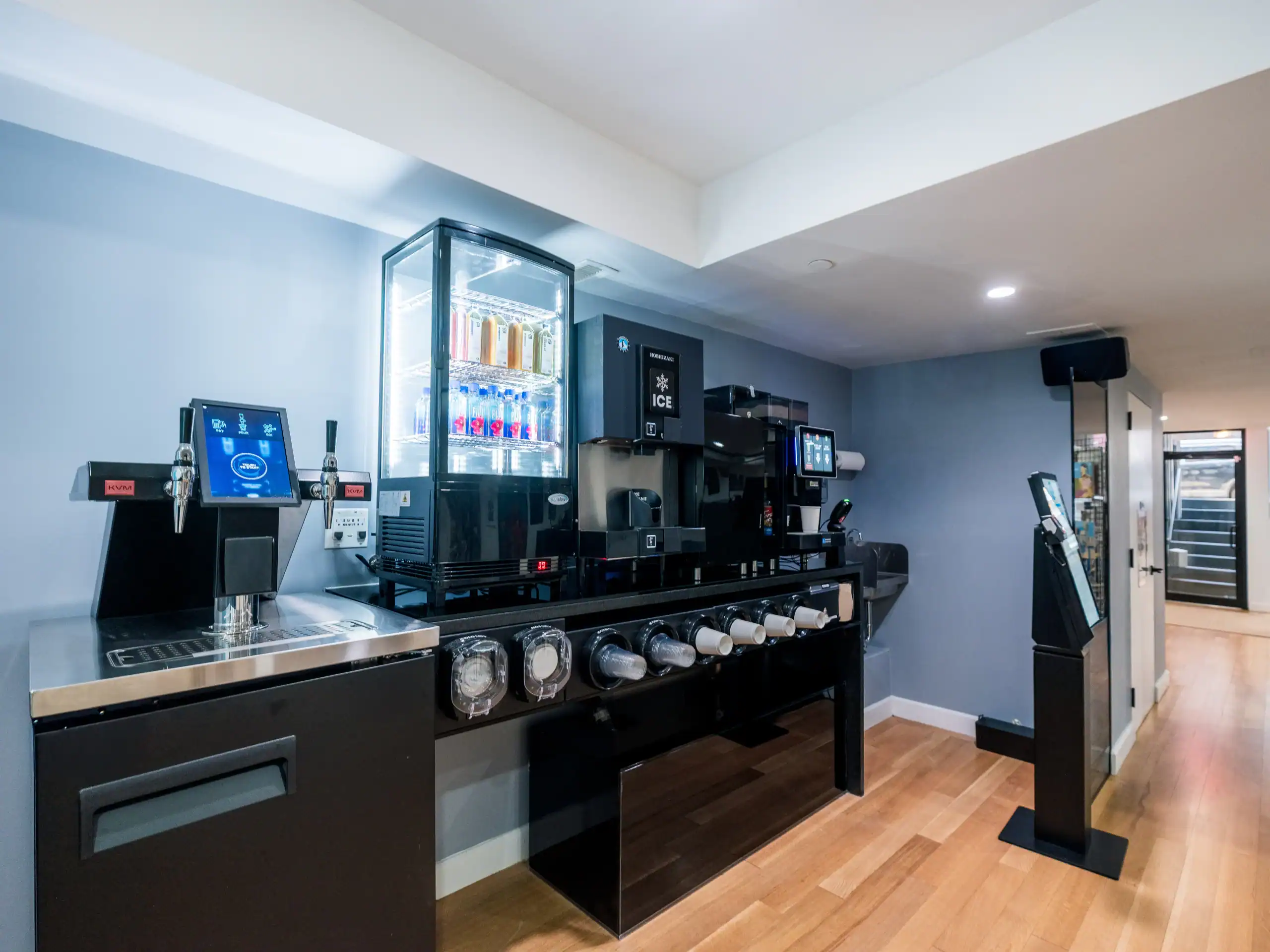
The service model influences design too. Self-serve technology, like commercial bean-to-cup machines, eliminates long counter lines that create visual clutter and block sightlines to artwork. When customers can quickly prepare their own drinks, they spend less time in transactional spaces and more time in areas designed for enjoying both coffee and art.
Technology integration should be invisible. WiFi needs to be strong and reliable, but routers and cables shouldn’t be visible. Outlets for laptops and phones should be abundant but unobtrusive. The goal is supporting modern work habits without breaking the aesthetic.
Coffee shop art has evolved from decoration into experience design. The spaces that understand this aren’t just serving beverages—they’re creating environments where visual elements, atmosphere, and product quality work together to deliver something memorable.
In New York County, where café options are endless and attention is the scarcest resource, the visual environment is what makes people stop scrolling, look up, and actually notice where they are. It’s what turns a transaction into an experience worth sharing.
The most successful art-forward coffee shops remove barriers. No admission fees to see quality art. No long waits for quality coffee. No pretension about who belongs in the space. Just accessibility, creativity, and consistency.
Whether you’re seeking inspiration, productivity, or simply a better coffee experience, spaces that integrate art thoughtfully offer something chain cafés can’t replicate: a sense of place, community, and discovery. That’s what keeps people coming back, and it’s what makes certain coffee shops feel less like businesses and more like cultural institutions.
If you’re in Greenwich Village and want to experience how coffee and art intersect in ways that actually enhance both, we demonstrate what happens when visual design, emerging artist spotlights, and quality coffee come together in one thoughtfully curated space at The Café Galerie.
Summary:
Share: