Visual art in coffee shops does more than fill wall space—it shapes mood, extends visit time, and creates the kind of atmosphere that turns a quick coffee stop into an experience worth repeating.
You walk into a coffee shop. The walls are blank. The lighting is harsh. You grab your drink and leave.
Now picture this: You step into a space where vibrant paintings catch your eye, where the walls change every month, where you find yourself lingering an extra twenty minutes because there’s something worth looking at while you sip your latte. That’s the difference visual art makes in a cafe atmosphere. And in a city like New York County, NY where independent coffee shops are growing faster than chains, the ones creating memorable environments are the ones people return to. Let’s talk about how cafe painting and rotating art exhibitions are reshaping what a great coffee experience actually looks like.
Coffee shops have always been more than places to get caffeine. They’re third places—spaces between home and work where people meet, work, and think. But what makes someone choose one cafe over another when the coffee quality is comparable?
The answer increasingly comes down to atmosphere. And atmosphere isn’t just lighting and music. It’s what’s on the walls.
Research shows that cafes featuring local artists see up to a 20% increase in foot traffic. More importantly, customers in spaces with rotating art exhibitions stay an average of 30 minutes longer. That’s not accidental. Visual art gives people something to engage with beyond their phones and laptops. It creates conversation starters. It makes the space feel less corporate, more human.
Static environments get stale. You’ve seen it happen—the same posters, the same decor, month after month until you stop noticing anything at all.
Rotating art exhibitions solve that problem. When a cafe changes its visual environment every month or every few months, it gives regulars a reason to pay attention again. You’re not just coming back for the coffee. You’re coming back to see what’s new on the walls.
This approach works particularly well in neighborhoods like Greenwich Village and throughout New York County, NY, where the local art scene is active and customers expect cultural engagement. Coffee shops that partner with emerging artists create a symbiotic relationship. The artists get exhibition space and exposure to hundreds of potential collectors. The cafe gets fresh visual content that keeps the environment dynamic.
The practical benefits extend beyond aesthetics. Rotating exhibitions create natural marketing opportunities. Artists promote their shows to their networks, bringing new customers through the door. Opening receptions and artist talks turn regular evenings into events, transforming a coffee shop into a community gathering space.
And here’s what most people don’t realize: customers who connect emotionally with a cafe’s ambiance are willing to pay more for their coffee. They’re not just buying a beverage. They’re buying into an experience that aligns with how they see themselves. That’s why cafes with strong visual identities and rotating art programs can command higher prices while maintaining customer loyalty.
Walk into a space with warm, earthy tones and you feel one way. Walk into a space with cool blues and minimalist white walls and you feel completely different. That’s color psychology at work, and it’s one of the most powerful tools in cafe design.
Cafe paintings don’t just add visual interest. They influence mood, productivity, and how long people stay. Warm colors like oranges and yellows create energy and stimulate appetite. They work well in cafes targeting morning rush crowds or social gatherings. Cooler tones promote calm and focus, making them ideal for spaces catering to remote workers and students.
But it’s not just about the colors themselves. It’s about composition, subject matter, and how the art interacts with the overall space. Abstract work can feel modern and sophisticated. Figurative paintings might create warmth and narrative. Photography can ground a space in local identity or transport customers somewhere else entirely.
The key is intentionality. Random art creates visual noise. Curated cafe painting creates atmosphere. That’s the difference between a space that feels thrown together and one that feels like someone actually thought about how you’d experience it.
Consider how different art styles affect customer behavior. Minimalist work creates breathing room, making small spaces feel larger. Bold, vibrant paintings energize a room and encourage conversation. Detailed, intricate work invites closer inspection, slowing people down and extending dwell time.
The lighting matters just as much as the art itself. Properly lit paintings create focal points that guide eye movement through the space. Poor lighting renders even exceptional art forgettable. The best cafe environments treat lighting as part of the art installation, using it to highlight specific pieces and create depth.
Want live answers?
Connect with a The Café Galerie expert for fast, friendly support.
Not all cafe art serves the same purpose. Different formats create different effects, and understanding those differences helps create intentional atmospheres rather than accidental ones.
Traditional cafe paintings—canvas work, framed pieces hung gallery-style—remain popular because they’re versatile and changeable. They work in almost any space and can be rotated easily when exhibitions change.
But modern cafes are experimenting with formats that go beyond framed work. Murals create immersive environments and become Instagram moments that customers share, generating organic marketing. Interactive installations invite participation, turning passive viewers into active participants. Digital displays allow for constantly changing visual content without physical installation work.
Some of the most engaging cafe art isn’t created by professional artists at all. It’s created by customers.
User-generated content walls—spaces where customers can add their own drawings, notes, or photos—create a different kind of atmosphere. They signal that the space belongs to the community, not just to the business. They lower barriers to participation and make people feel invested in the environment.
These interactive elements work particularly well in cafes targeting younger demographics who value participation and co-creation. A chalkboard wall where customers can leave messages becomes a conversation between strangers. A photo wall where people can pin Polaroids creates a visual archive of the community that uses the space. In NYC cafes, these walls often reflect the neighborhood’s personality—street art influences in the East Village, literary quotes in the West Village, design-forward minimalism in SoHo.
The challenge with UGC walls is maintaining quality while preserving spontaneity. Some cafes provide guidelines or themes. Others let chaos reign and curate periodically. The right approach depends on your brand and your customer base.
But when it works, interactive art creates something traditional exhibitions can’t: a sense of ownership. Customers return to see if their contribution is still there, to add something new, to show friends what they created. That emotional investment translates into loyalty and repeat visits.
The social media amplification is significant too. People photograph and share interactive art installations at much higher rates than traditional paintings. A well-designed UGC wall becomes a marketing asset that generates content without the cafe having to create it.
Creating a great cafe atmosphere through art isn’t a one-time decision. It’s an ongoing process that requires curation, rotation, and attention to how the space evolves.
Most successful cafe art programs operate on a rotation schedule—monthly, bimonthly, or quarterly depending on the space and the artist community. This frequency keeps the environment fresh without creating constant disruption. It gives each exhibition enough time to be seen and appreciated while preventing the space from feeling stale.
The selection process matters enormously. Not every piece of art works in a cafe environment. Work that’s too dark or disturbing can negatively impact the atmosphere. Pieces that are too large can overwhelm small spaces. Art that clashes with the cafe’s overall aesthetic creates visual discord rather than harmony.
Smart cafe owners develop relationships with local artist communities, art schools, and creative organizations. These connections create pipelines of rotating talent and ensure a steady stream of fresh work. Some cafes work with curators who handle selection and installation. Others take a more hands-on approach, personally selecting pieces that align with their vision.
The business model varies too. Some cafes take a commission on art sales, typically 10-20%. Others provide space for free in exchange for the atmosphere and foot traffic artists bring. The best arrangements benefit both parties—artists get exposure and sales opportunities, cafes get dynamic visual content and community engagement.
Practical considerations matter. Insurance protects both the cafe and the artist if work is damaged. Clear agreements about pricing, sales processes, and installation responsibilities prevent misunderstandings. Proper hanging systems make rotation easier and protect walls.
The goal isn’t just to have art on the walls. It’s to create an environment that people notice, that makes them feel something, that gives them a reason to choose your cafe over the dozens of others within walking distance. In cities like New York where competition is fierce and customers have endless options, atmosphere becomes a differentiator. And cafe painting, done thoughtfully, creates atmosphere that matters.
Visual art in cafes isn’t decoration. It’s strategy. It shapes how people feel in your space, how long they stay, and whether they come back.
The cafes winning in competitive markets like New York County, NY understand this. We’re not just serving coffee. We’re creating environments where art and caffeine intersect, where local creativity gets showcased, where customers can experience culture without barriers or admission fees.
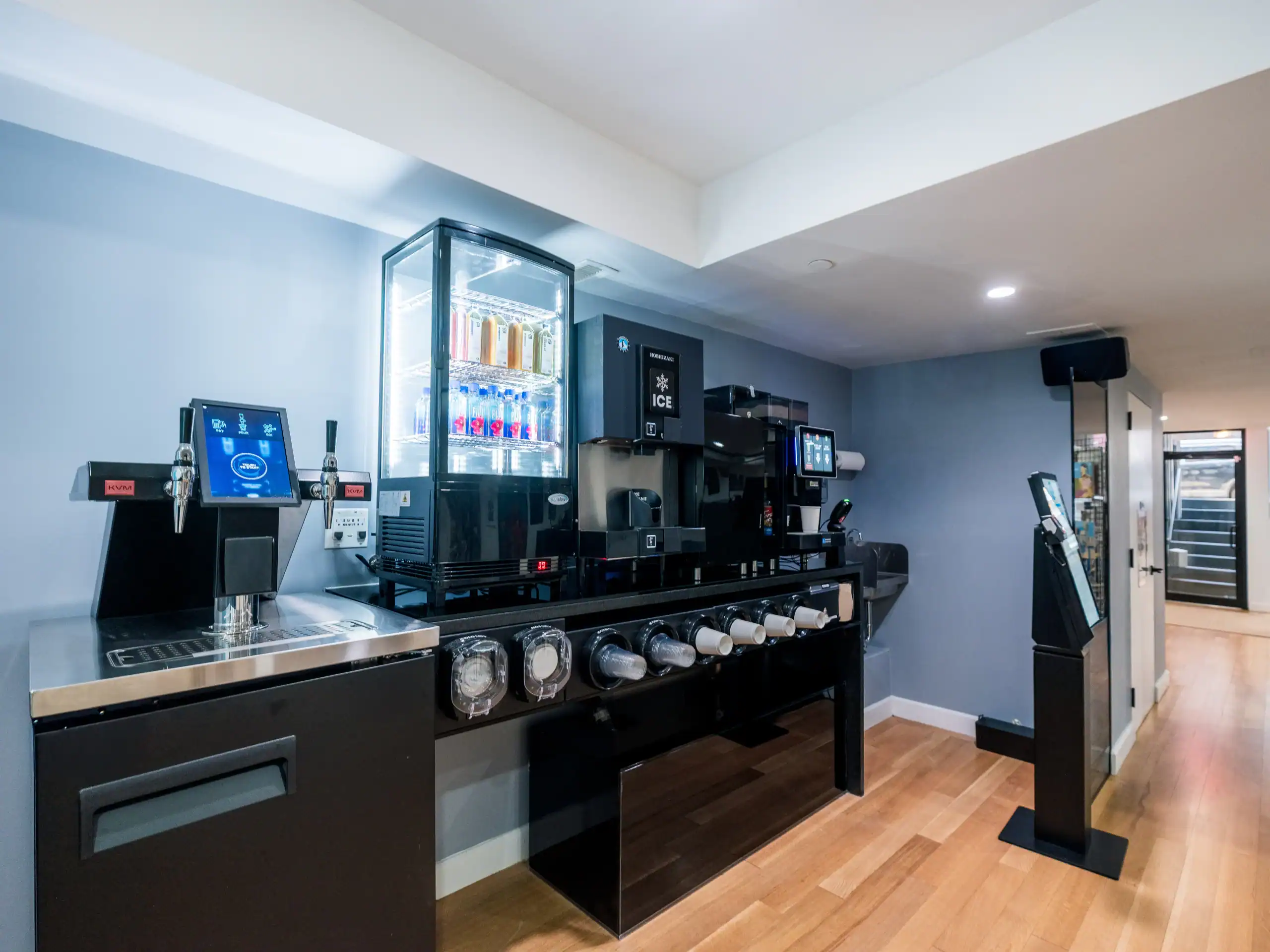
Whether it’s rotating paintings from emerging artists, interactive walls that invite participation, or carefully curated exhibitions that change monthly, the right visual approach transforms a coffee shop from a transaction point into a destination. And in a market where independent shops are growing faster than chains because people crave authentic, local experiences, that transformation matters more than ever. At The Café Galerie on Thompson Street in Greenwich Village, we bring together rotating artist spotlights and self-serve coffee technology in a gallery atmosphere that’s open to everyone, no admission required.
Summary:
Share: