Most coffee shops in Theater District close before the curtain drops. You’re left walking blocks out of your way or settling for whatever’s still open. That’s not how it should work in a neighborhood that runs on show schedules and shift work.
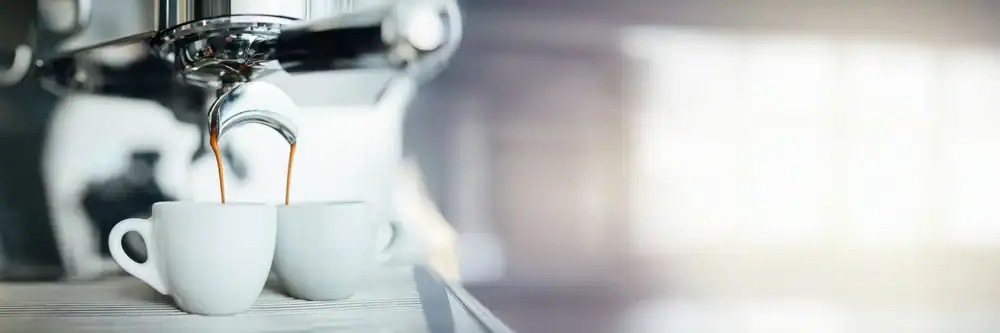
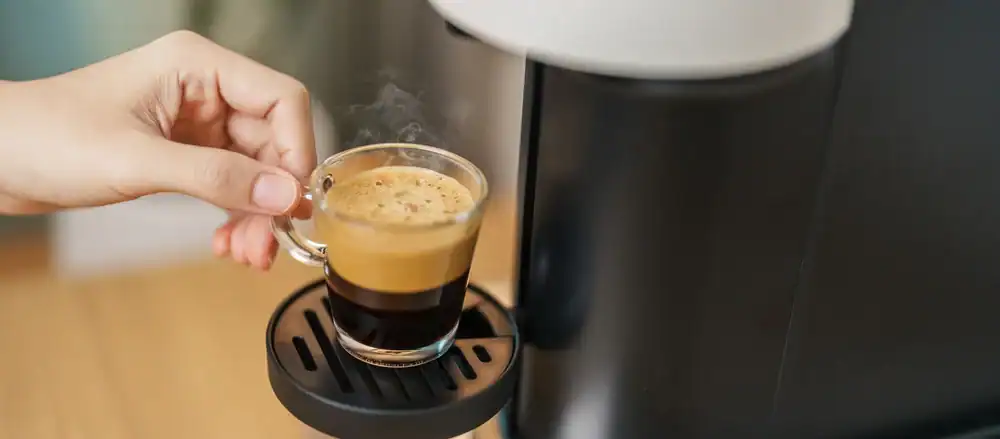
We run on your clock. Our premium single cup brewer coffee machines operate around the clock using Italian and German components that grind fresh beans for every drink. Hot brew, cold brew, flavored coffees, latte, hot chocolate – all available when you need them, not just when it’s convenient for a barista’s schedule.
Our system isn’t just about hours. It’s about consistency. The same recipe every time because machines don’t have off days. The same quality at 3 AM that you’d get at 3 PM. Contactless ordering through touchscreen interfaces means you customize everything – milk type, temperature, strength, flavor – and the system remembers your order for next time.
We sit in Theater District, NY as something different. Not another chain churning out the same experience you’ll find three blocks away. This is a gallery space first, featuring rotating exhibitions from local and regional artists, with premium coffee that matches the environment.
Our concept addresses what people actually want in this neighborhood. Pre-show meeting spots that aren’t overrun. Post-theater spaces where you can decompress without fighting crowds. A third place that offers cultural stimulation beyond staring at your phone while you wait in line.
Theater District runs on tight schedules and high expectations. Our automated brewing system delivers both – precision-crafted drinks without the wait times that plague traditional cafes during rush periods. You’re in and out, or you stay and work with free WiFi. Your call.
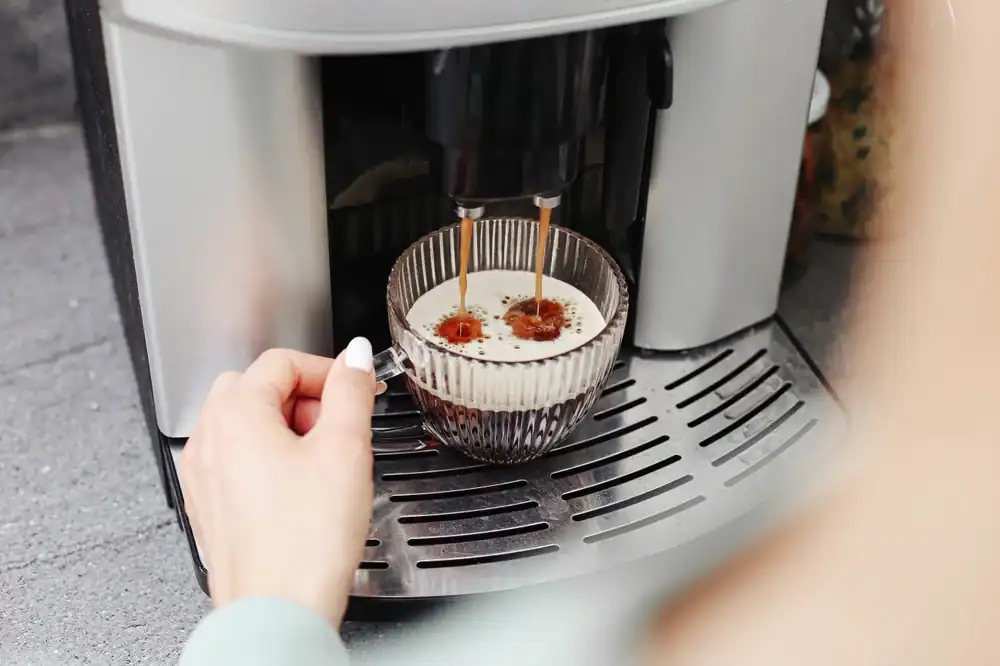
Walk up to the touchscreen interface. The system displays the full menu – hot brew and cold brew options, flavored coffees, lattes with multiple milk alternatives including oat, almond, and soy. Tap what you want.
Customize from there. Adjust strength, temperature, add flavor shots, choose your milk. The interface shows you exactly what you’re building. If you’ve ordered before, your previous drinks are saved – one tap and you’re done.
The machine grinds fresh beans for your specific drink. Premium Italian components handle extraction while German technology manages milk texturing for lattes and cappuccinos. The entire process takes the same amount of time whether it’s your first visit or you’re a regular, whether it’s 7 AM or midnight.
Payment is contactless. Grab your drink from the dispenser. The machine self-cleans between orders, maintaining hygiene standards automatically. No waiting for someone to wipe down equipment or restock supplies during a rush.
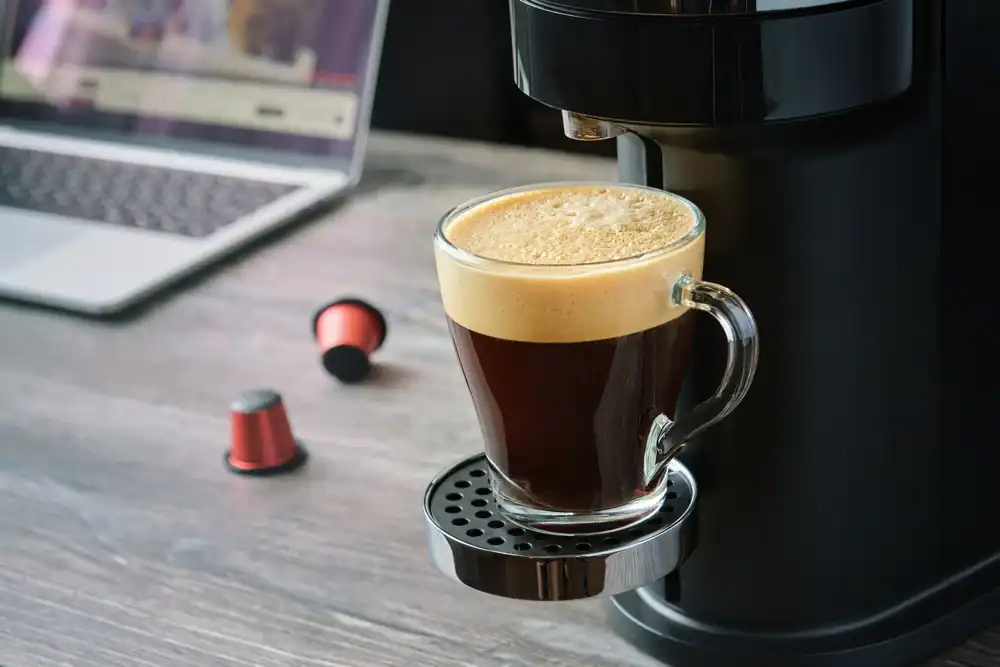
Ready to get started?
Every drink starts with fresh-ground beans. Our machines don’t use pre-ground coffee sitting in hoppers. You order, it grinds, it brews. That’s the standard for everything from a simple hot brew to a flavored latte with oat milk.
Our menu covers what people actually drink. Hot chocolate for non-coffee drinkers. Cold brew for those who want smooth, less acidic options. Flavored coffees without the artificial taste you get from cheap syrups. Multiple milk alternatives because dietary preferences matter, and oat milk has become the default for a reason in New York – it froths better and tastes cleaner than older alternatives.
Theater District sees 14.8 million visitors annually, most cramming into the same few blocks around Times Square. That density creates wait times everywhere. We eliminate that variable. Multiple machines mean multiple people can order simultaneously. No single line. No bottleneck at the register or espresso machine.
Our gallery space changes every few weeks with new artists. You’re not staring at the same walls every visit. Local and regional work, not corporate-approved prints. It’s an actual cultural experience, not a coffee shop trying to look artistic with generic décor.
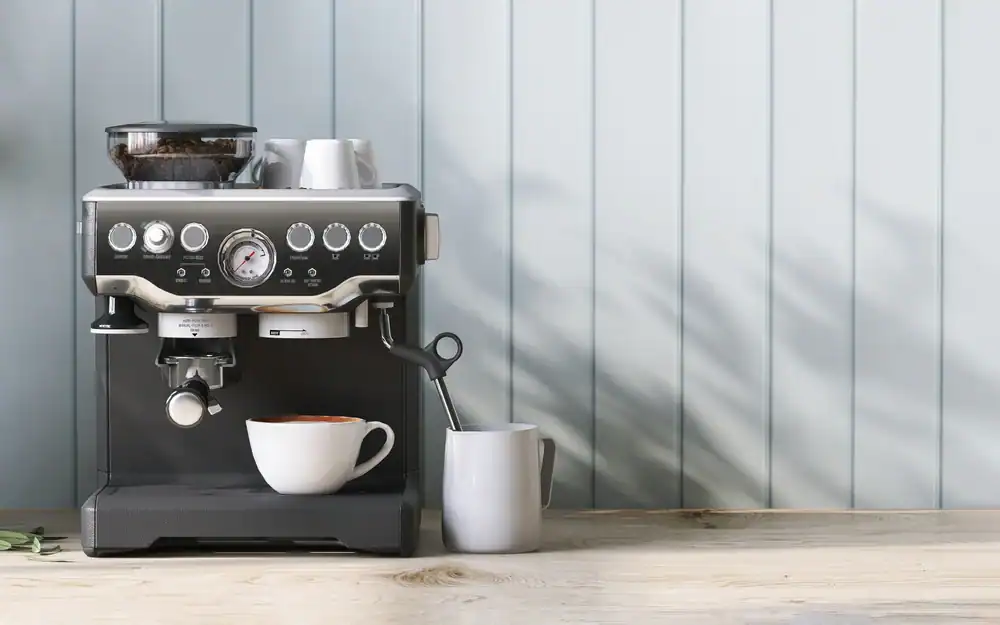
The quality gap has closed. Premium automated systems now use the same extraction principles and equipment standards as high-end espresso machines. The difference is consistency.
A barista’s output varies based on experience, training, fatigue, and rush pressure. Machines follow programmed recipes developed by coffee professionals – optimal grind size, water temperature, extraction time, and pressure for each drink type. You get the same result every time because the variables don’t change.
The Italian and German components in our systems aren’t budget equipment. They’re commercial-grade machines designed for high-volume precision. Fresh grinding for each cup, proper tamping pressure, controlled extraction. The technology handles the technical aspects that separate good espresso from mediocre shots.
Where baristas still win is in customization conversations and troubleshooting unusual requests. But for standard drinks – lattes, cappuccinos, americanos, cold brew – automated systems now match or exceed average café quality while eliminating wait times and human error.
At most places, yes. At The Café Galerie, no. Traditional cafes face quality decline throughout the day as equipment gets overused without proper cleaning, beans sit in grinders losing freshness, and tired staff cut corners during late shifts.
Our automated systems maintain the same standards regardless of time. The machine grinds the same amount of fresh beans at midnight as it does at morning rush. Water temperature stays consistent. Extraction time doesn’t vary. Self-cleaning cycles run automatically between drinks, so the equipment touching your coffee at 2 AM is as clean as it was at opening.
This matters in Theater District where schedules don’t follow normal patterns. Shows let out at 10 PM or later. Shift workers need coffee at odd hours. Students pull all-nighters. The neighborhood doesn’t sleep on a 9-to-5 schedule, so your coffee shop shouldn’t either.
Our 24/7 operation isn’t just about being open – it’s about maintaining standards around the clock. Most late-night coffee options in midtown are convenience stores or chains running on minimal staff. You’re getting coffee, but you’re not getting quality. Here, the quality doesn’t drop because the system doesn’t fatigue.
Oat milk has become the standard for a reason. It froths better than almond or soy, doesn’t separate as easily, and has a neutral flavor that doesn’t fight with coffee. The protein and fat content is closer to dairy milk, which means better texture in lattes and cappuccinos.
Almond milk works but creates thinner foam. It’s fine for those who prefer it or have soy allergies, but the mouthfeel isn’t as rich. Soy milk froths well but has a distinct taste that some people love and others find overpowering. Our machines handle all three, but results vary based on your texture preferences.
Automated systems actually have an advantage with plant-based milks. Consistent temperature control matters more with alternatives than with dairy – too hot and they separate, too cool and they don’t froth properly. Machines hit the exact temperature every time, while manual steaming often overshoots.
New York has seen explosive growth in oat milk specifically. It’s not just a trend – it’s a genuine improvement in plant-based options. If you’ve been disappointed by alternative milk lattes in the past, try oat milk in a properly calibrated automated system. The technology has caught up to what people actually want.
Built-in self-cleaning mechanisms run automatically between drinks and on set schedules throughout the day. The system flushes brewing components, purges milk lines, and sanitizes contact surfaces without requiring manual intervention.
Our daily maintenance protocols go beyond the automated cleaning. Equipment gets inspected, drip trays emptied, external surfaces sanitized, and bean hoppers checked. This isn’t a vending machine that gets serviced monthly – it’s commercial café equipment that requires daily attention to maintain peak performance.
The Italian and German components are designed for high-volume commercial use with sanitation as a core feature. Milk systems in particular need rigorous cleaning to prevent bacterial growth, and these machines handle that automatically. You’re not trusting someone to remember to clean the steam wand between rushes.
Transparency matters here. You can watch the entire process through the machine interface. You see beans being ground. You see water flowing through fresh grounds. You see milk being textured. There’s no back room where quality might slip. Everything happens in front of you, which creates accountability even in an automated system.
Starbucks Coffee is everywhere in Theater District. That’s both a strength and a weakness. You know what you’re getting, but you also know you’re getting the same experience as millions of other people in identical stores worldwide.
We offer something different without sacrificing quality or convenience. You get premium coffee through advanced brewing systems, but in a space that changes regularly with rotating art exhibitions. You’re supporting local and regional artists while getting your caffeine. That’s not possible at a chain.
The 24/7 availability matters more than you’d think. Starbucks locations keep traditional hours even in neighborhoods that don’t. When you need coffee at 11 PM after a show or 5 AM before an early shift, your options narrow dramatically. Most late-night coffee in midtown is either convenience store quality or requires a significant walk.
Contactless ordering and zero wait times eliminate the friction that makes chain coffee shops frustrating during rush periods. No line snaking out the door. No wondering if they’ll get your customizations right. No hoping the barista heard you correctly over the noise. You control the entire order through the interface, and the system executes it precisely.
Theater District operates on show schedules, not business hours. Curtains rise at 7 or 8 PM. They drop around 10 or 11. That creates demand spikes when most cafes are closing or already closed. People need meeting spots before shows and decompression spaces after. Traditional coffee shop hours don’t align with those needs.
The neighborhood also has extreme density. 14.8 million annual visitors crammed into a few blocks around Times Square. That creates lines everywhere during peak times. Pre-theater rush hits around 6 PM when everyone’s trying to grab something before heading to their show. Post-theater rush happens when most places are shutting down.
Remote workers and students in the area need reliable WiFi and comfortable seating, but they’re competing with tourists for space in chain locations. We offer that third place without the overcrowding – a functional workspace with cultural stimulation from rotating art exhibitions.
New Yorkers drink 6.7 times more coffee than people in any other US city. Theater District specifically has high expectations for quality and speed. You can’t succeed here with mediocre coffee or slow service. Our automated system addresses both – café-quality drinks without the wait times that plague traditional service during busy periods.
Other Services we provide in Theater District